
If you’ve ever applied lip balm only to find your lips cracking again hours later, you’re not alone. Millions of people struggle with persistently chapped lips—even when they religiously use balms. The frustration is real: you expect relief, but instead get dryness, flaking, and sometimes painful splits at the corners of the mouth. While lip balm can offer temporary comfort, it doesn’t always address the root causes of chronic lip chapping. In fact, over-reliance on certain types of balms may be making the problem worse.
Lips are uniquely vulnerable to moisture loss. Unlike the rest of your skin, they lack oil glands and a thick protective barrier, making them prone to drying out quickly. But when chapping becomes constant—despite regular balm application—it’s time to look beyond surface-level treatment. Underlying factors like environmental exposure, nutritional deficiencies, allergic reactions, and even habitual behaviors can sabotage your efforts to maintain smooth, healthy lips.
This article explores the common and lesser-known reasons why your lips may stay chapped no matter how much balm you use. You’ll learn what ingredients to seek (and avoid) in products, how internal health affects lip condition, and practical steps to break the cycle of dryness for good.
Why Lip Balm Alone Isn’t Enough
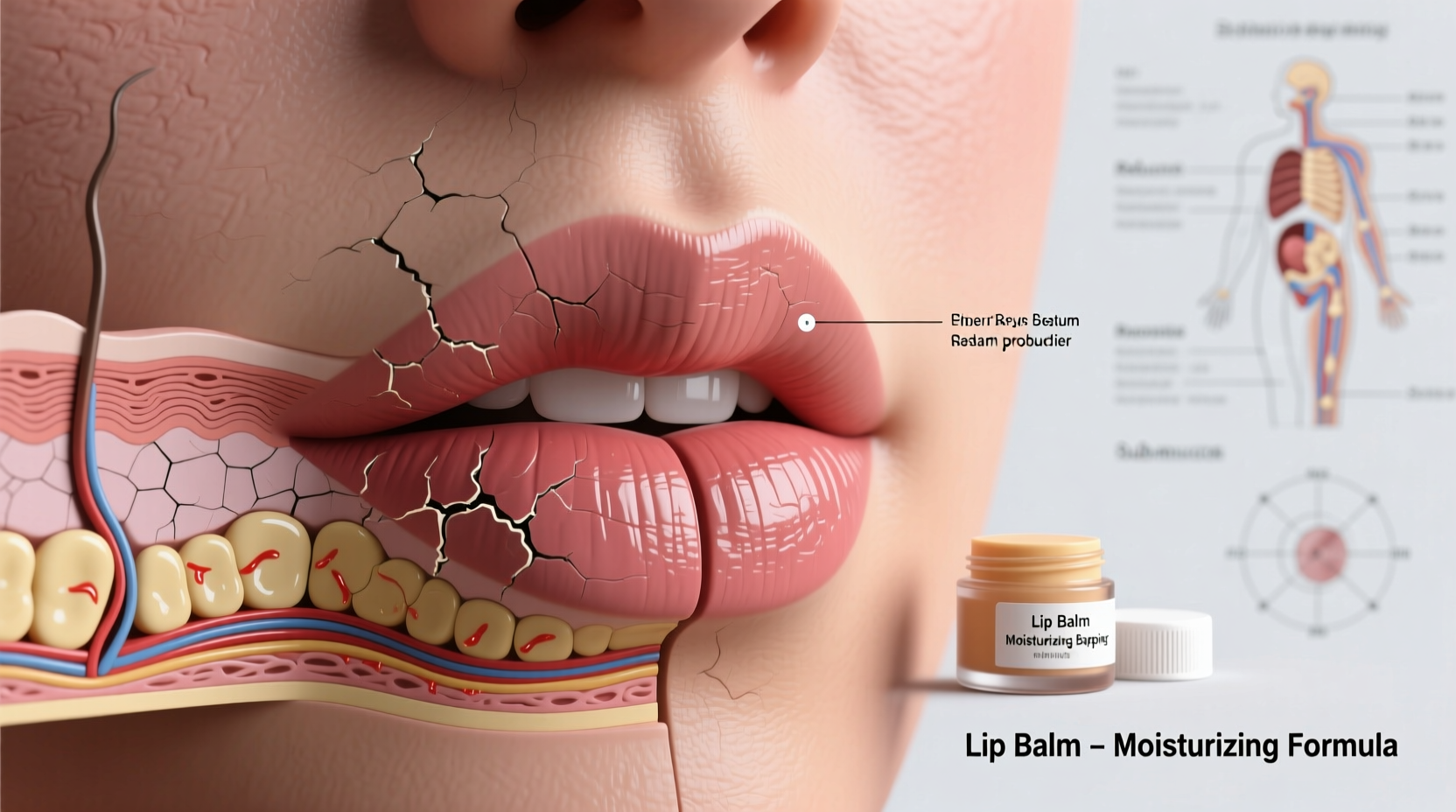
Lip balm works by forming a protective layer over the lips to slow moisture loss. However, not all balms are created equal. Many popular drugstore options contain ingredients that provide short-term relief but fail to heal or may even irritate over time. Worse, some create a dependency loop: you apply balm, feel better briefly, then experience renewed dryness, prompting another application. This cycle can mask deeper issues while doing little to restore true lip health.
The key lies in understanding whether your balm is truly healing or merely camouflaging symptoms. For example, petroleum-based products like petrolatum seal in moisture effectively but don’t actively repair damaged tissue. Meanwhile, balms with fragrances, menthol, camphor, or alcohol can strip natural oils and trigger inflammation, especially with repeated use.
Common Causes of Persistent Lip Chapping
Chronic lip dryness rarely has a single cause. More often, it’s the result of overlapping factors. Identifying which ones apply to you is the first step toward lasting relief.
1. Environmental Exposure
Cold winds, low humidity, and indoor heating sap moisture from the air—and your lips. Even sun exposure contributes: UV radiation damages delicate lip tissue, accelerating dryness and increasing the risk of actinic cheilitis, a precancerous condition. If you spend time outdoors without protection, your lips pay the price.
2. Dehydration
Your body needs adequate water to maintain skin hydration—including your lips. Chronic mild dehydration, often unnoticed, shows up first in areas with thin skin. Drinking enough water throughout the day supports overall moisture balance, but many people rely solely on topical treatments while neglecting internal hydration.
3. Allergic or Irritant Reactions
Contact dermatitis of the lips is more common than most realize. Common culprits include:
- Fragranced lip products
- Flavored toothpastes or mouthwashes
- Dental floss containing mint or essential oils
- Metals in lipstick applicators or utensils (e.g., nickel)
These substances can trigger inflammation, leading to persistent scaling, redness, and discomfort.
4. Nutritional Deficiencies
Deficiencies in specific vitamins and minerals directly impact skin integrity. Key players include:
- Vitamin B2 (riboflavin): Deficiency causes cracked lips and angular cheilitis.
- Vitamin B3 (niacin): Low levels lead to rough, scaly skin and inflamed mucous membranes.
- Vitamin B12 and iron: Linked to pale, sore lips and increased susceptibility to infections.
- Zinc: Essential for tissue repair; deficiency delays healing.
“Persistent lip chapping should prompt a review of both skincare habits and nutritional intake. Often, the answer isn’t in the balm tube—but in the medicine cabinet or diet.” — Dr. Lena Patel, Dermatologist & Skin Barrier Specialist
5. Habitual Licking or Picking
It seems logical: dry lips → lick them → add moisture. But saliva evaporates quickly, leaving behind enzymes like amylase and maltase that irritate sensitive lip tissue. Over time, this habit leads to a self-perpetuating cycle known as “lip licker’s dermatitis.” Similarly, picking at flakes removes new skin cells and exposes raw tissue, inviting infection and delaying recovery.
Choosing the Right Lip Care: What Works and What Doesn’t
Not all lip products are beneficial. Some ingredients soothe and repair; others do more harm than good. Below is a comparison of common lip balm components and their effects.
| Ingredient | Effect on Lips | Recommendation |
|---|---|---|
| Petrolatum (Vaseline) | Seals in moisture, inert, non-comedogenic | ✅ Recommended for overnight healing |
| Beeswax | Protective barrier, natural emollient | ✅ Safe and effective base ingredient |
| Shea Butter | Moisturizing, contains fatty acids | ✅ Supports skin repair |
| Menthol / Camphor | Cooling sensation, but irritates nerve endings | ❌ Avoid—can increase sensitivity |
| Fragrance / Flavor | Potential allergens, common irritants | ❌ Skip unless fragrance-free |
| Phenol | Exfoliates but highly irritating | ❌ Never use on compromised lips |
| Hyaluronic Acid | Draws moisture into skin (if environment is humid) | ⚠️ Use cautiously in dry climates |
For best results, choose fragrance-free, hypoallergenic balms with simple ingredient lists. Look for occlusives (like petrolatum), humectants (such as glycerin), and emollients (like ceramides or plant oils). Apply after meals and before bed, and consider using a thicker ointment at night for deep repair.
Step-by-Step Guide to Healing Chronically Chapped Lips
Breaking the cycle of dryness requires consistent action across multiple fronts. Follow this five-step plan to restore lip health over 7–14 days.
- Stop Using Irritating Products
Discard any lip balm with menthol, fragrance, or alcohol. Switch to a plain petrolatum-based ointment or medical-grade barrier cream. - Hydrate Internally
Aim for 2–3 liters of water daily. Monitor urine color—pale yellow indicates proper hydration. - Protect Against the Elements
Wear a wide-brimmed hat and apply SPF 30+ lip balm during daytime outdoor exposure. Reapply every two hours in direct sun.
Use a soft-bristle toothbrush dipped in warm water to gently exfoliate dead skin every 2–3 days. Do not pick or peel. Follow immediately with moisturizing ointment.- Address Potential Deficiencies
Consider a blood test for B vitamins, iron, and zinc. A high-quality multivitamin or targeted supplement may support recovery if levels are low.
When to See a Doctor: Signs of Underlying Conditions
Most cases of chapped lips resolve with improved care. However, persistent symptoms could indicate a medical issue requiring professional diagnosis.
Angular cheilitis, characterized by red, cracked sores at the corners of the mouth, is often caused by fungal (Candida) or bacterial infections. It’s common in people with ill-fitting dentures, drooling during sleep, or weakened immunity.
Eczema or psoriasis can affect the lips, causing thickened, scaly patches. These conditions require prescription treatments like corticosteroid ointments or calcineurin inhibitors.
Autoimmune disorders such as Sjögren’s syndrome reduce saliva and tear production, leading to chronically dry mucous membranes—including lips.
If your lips remain cracked, bleed frequently, or show signs of infection (yellow crust, pus, swelling) after two weeks of proper care, consult a dermatologist or primary care provider.
Mini Case Study: Sarah’s Breakthrough After Months of Frustration
Sarah, a 34-year-old teacher from Colorado, used a popular mint-flavored lip balm several times a day. Despite this, her lips were constantly peeling, sometimes bleeding. She avoided social events due to embarrassment. After switching to a fragrance-free petrolatum ointment and eliminating flavored toothpaste, she noticed improvement within a week. A blood test revealed low riboflavin (B2) and zinc levels. With supplementation and consistent nighttime ointment use, her lips fully healed within three weeks. “I had no idea my toothpaste was part of the problem,” she said. “Now I check every product label.”
Checklist: How to Prevent Recurring Lip Chapping
Use this actionable checklist to maintain healthy lips long-term:
- ☑ Replace flavored or medicated lip balms with fragrance-free, hypoallergenic formulas
- ☑ Drink at least 8 glasses of water daily
- ☑ Use an SPF 30+ lip balm during daylight hours
- ☑ Avoid licking, biting, or picking your lips
- ☑ Switch to non-mint toothpaste if irritation persists
- ☑ Exfoliate gently once or twice a week—not daily
- ☑ Take a B-complex vitamin if dietary intake is low
- ☑ See a doctor if cracks don’t heal in 2–3 weeks
FAQ
Can drinking coffee make my lips drier?
Yes. Coffee is mildly dehydrating and can contribute to overall fluid loss. Pair each cup with a glass of water to offset this effect. Also, hot liquids can physically irritate already-sensitive lips.
Is it bad to use lip balm every day?
Not inherently—but it depends on the product. Daily use of a gentle, non-irritating balm (like plain petroleum jelly) is safe and beneficial. However, frequent use of medicated or flavored balms may lead to dependency or contact dermatitis.
Why do my lips chap only in winter?
Cold air holds less moisture, and indoor heating further reduces humidity. This double exposure accelerates transepidermal water loss from lips. Using a humidifier at home and applying thicker ointments at night can help counteract seasonal dryness.
Conclusion
Constantly chapped lips aren’t just uncomfortable—they’re a signal that something in your routine or health needs attention. While lip balm plays a role in protection, it’s rarely the complete solution. True healing comes from identifying triggers, choosing non-irritating products, staying hydrated, and addressing nutritional or medical factors when needed.
You don’t have to live with cracked, uncomfortable lips. By making informed choices about what you put on—and in—your body, you can break the cycle of dryness and achieve lasting lip health. Start today: toss the irritating balms, hydrate mindfully, and treat your lips with the care they deserve.




 浙公网安备
33010002000092号
浙公网安备
33010002000092号 浙B2-20120091-4
Comments
No comments yet. Why don't you start the discussion?