
Chronic chapped lips are more than just a cosmetic annoyance—they can be painful, persistent, and deeply frustrating. You apply lip balm religiously, yet your lips remain dry, cracked, or peeling. If this sounds familiar, you're not alone. Millions struggle with recurring lip dryness, often unaware that their routine might be making the problem worse. The truth is, most people treat chapped lips as a surface-level issue, when in reality, it’s frequently tied to deeper causes like environmental exposure, ingredient sensitivities, hydration levels, or even underlying health conditions.
Understanding why your lips won’t heal—despite constant balm use—is the first step toward lasting relief. This guide dives into the real reasons behind persistent chapping, exposes common mistakes in lip care, and delivers practical, dermatologist-approved solutions that go beyond temporary moisture.
The Hidden Causes Behind Constant Lip Chapping
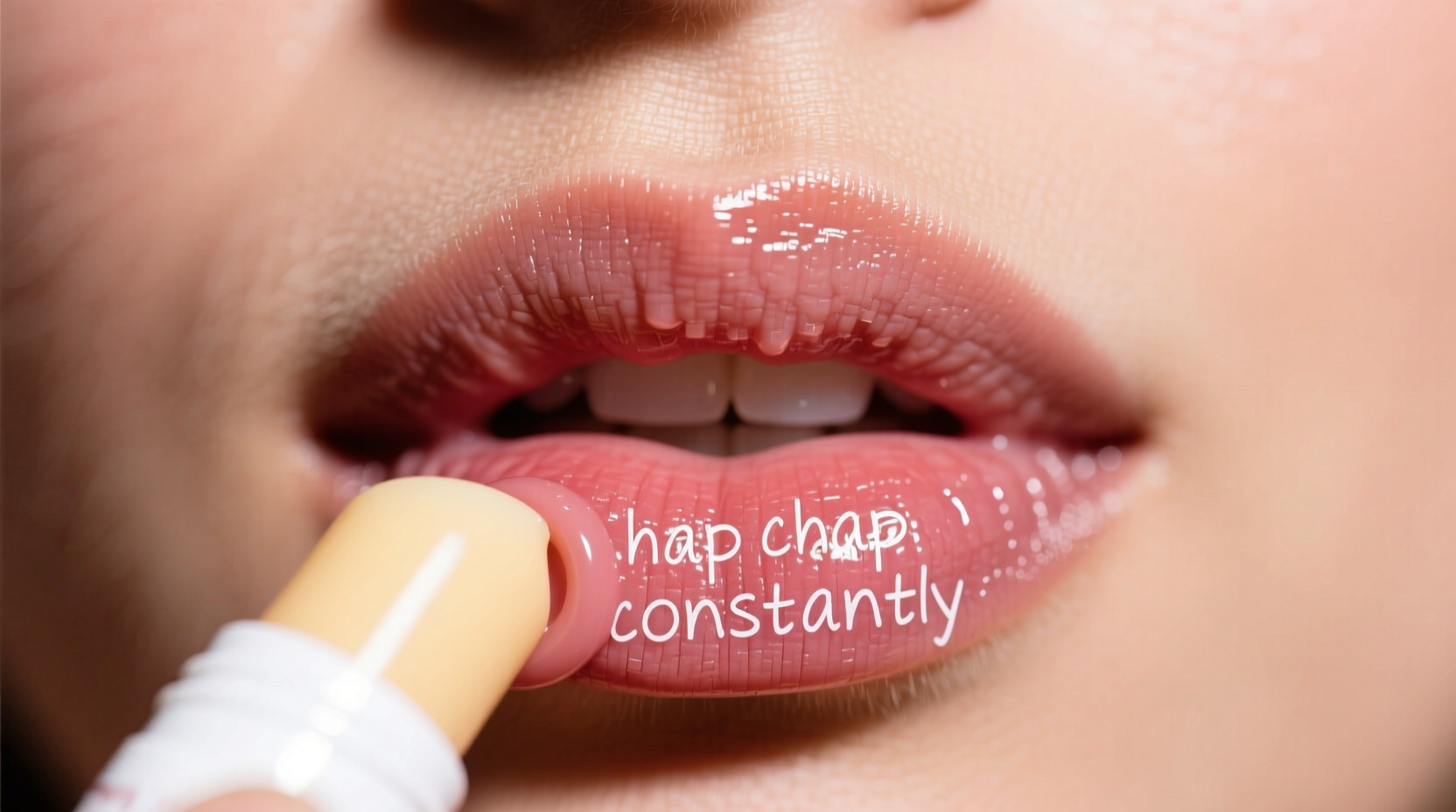
Lip balm offers immediate comfort, but if your lips keep drying out, the root cause likely lies beneath the surface. Unlike facial skin, lips lack oil glands and a thick protective barrier, making them uniquely vulnerable to dehydration and irritation. Here are the most common culprits behind chronic chapping:
- Drying ingredients in your lip balm: Many popular balms contain menthol, camphor, alcohol, or fragrances that provide a cooling sensation but strip moisture over time.
- Habitual lip licking: Saliva evaporates quickly, leaving lips drier than before. This creates a destructive cycle: lick → dry → lick again.
- Dehydration: Even mild dehydration affects the body’s ability to retain moisture in delicate tissues like the lips.
- Cold, dry air or wind exposure: Winter weather or heated indoor environments sap moisture from the skin.
- Allergic reactions or contact dermatitis: Certain waxes, flavors, or preservatives in lip products can trigger inflammation.
- Medications: Retinoids, antihistamines, acne treatments, and some blood pressure drugs list dry lips as a side effect.
- Nutritional deficiencies: Low levels of B vitamins (especially B2, B3, B6), iron, or zinc impair skin repair and mucosal health.
- Autoimmune or systemic conditions: Eczema, psoriasis, Sjögren’s syndrome, or diabetes can manifest as chronic lip issues.
Why Lip Balm Alone Isn’t Enough—And Might Be Making It Worse
Most people reach for lip balm at the first sign of dryness. But here’s the uncomfortable truth: overuse of certain types can create dependency and delay healing. Products with occlusive agents like petroleum jelly are excellent for sealing in moisture—but if applied to already dehydrated lips without prep, they lock in nothing. Worse, frequent reapplication of flavored or medicated balms encourages lip licking, restarting the damage cycle.
A study published in *Contact Dermatitis* found that nearly 30% of patients with chronic cheilitis (lip inflammation) were unknowingly allergic to ingredients in their daily lip products, including lanolin, fragrance, or propolis.
“Many patients come in with severely cracked lips, convinced they’re doing everything right. But when we eliminate irritants and switch to medical-grade emollients, their condition improves dramatically.” — Dr. Lena Torres, Board-Certified Dermatologist
Common Offending Ingredients to Avoid
| Ingredient | Why It’s Problematic | Better Alternatives |
|---|---|---|
| Menthol / Camphor / Phenol | Create tingling sensation but disrupt skin barrier and increase irritation | Shea butter, squalane, ceramides |
| Synthetics Fragrance / Flavor | Common allergens; trigger contact dermatitis | Fragrance-free formulas |
| Alcohol (e.g., SD Alcohol 40) | Evaporates quickly, pulling moisture from tissue | Glycerin-based hydrators |
| Parabens & Preservatives | Potential sensitizers with repeated use | Minimalist ingredient lists |
Effective Fixes That Actually Work
To break the cycle of constant chapping, you need a multi-pronged strategy that addresses both external triggers and internal imbalances. Below are evidence-based steps that deliver real results.
Step-by-Step Healing Protocol
- Stop using flavored, scented, or medicated lip balms immediately. Switch to a plain, hypoallergenic ointment like pure petroleum jelly or a fragrance-free lanolin alternative.
- Exfoliate gently once a week. Use a soft toothbrush or damp washcloth after a shower to remove dead skin—never peel or pick.
- Hydrate from within. Aim for 2–3 liters of water daily. Monitor urine color—pale yellow indicates proper hydration.
- Apply balm on damp lips. After drinking water or washing your face, seal in moisture immediately with a thick layer of occlusive balm.
- Use a humidifier at night. Especially during winter, indoor heating reduces humidity to desert-like levels.
- Protect against environmental stressors. Wear a wide-brimmed hat or apply SPF 30+ lip balm during prolonged sun exposure.
- Check your medications. Review side effects with your doctor—some prescriptions require proactive lip care.
Nutritional Support for Lip Health
Your diet plays a crucial role in skin integrity. Deficiencies in specific nutrients directly impact the lips’ ability to regenerate and resist irritation.
- Vitamin B2 (Riboflavin): Deficiency causes angular cheilitis—cracks at the corners of the mouth. Found in eggs, almonds, spinach, and dairy.
- Vitamin B3 (Niacin): Supports skin barrier function. Sources include tuna, chicken, mushrooms, and peanuts.
- Zinc: Essential for wound healing and immune response. Oysters, pumpkin seeds, and lentils are rich sources.
- Omega-3 Fatty Acids: Reduce inflammation and support moisture retention. Flaxseeds, chia, walnuts, and fatty fish help maintain healthy mucous membranes.
“A patient came in with severe, non-healing lip fissures. Blood work revealed low B2 and zinc. Within three weeks of supplementation and switching to a medical-grade barrier cream, her lips fully recovered.” — Dr. Arjun Patel, Integrative Dermatology Specialist
Real-Life Case: Breaking the Licking-Balm Cycle
Sophie, a 28-year-old teacher from Denver, used cherry-flavored lip balm up to 15 times a day. Her lips were perpetually raw, especially in winter. Despite using expensive “healing” balms, cracks persisted near the corners of her mouth. After consulting a dermatologist, she discovered two key issues: habitual lip licking due to anxiety and an allergy to artificial flavoring in her balm.
Her treatment plan included:
- Switching to fragrance-free Aquaphor
- Using a bitter-tasting anti-lick gel at night
- Practicing mindfulness techniques to reduce unconscious licking
- Taking a B-complex supplement
Within 10 days, Sophie noticed reduced peeling. By week four, her lips were smooth and no longer required hourly reapplication. “I didn’t realize I was licking my lips every few minutes,” she said. “Fixing the habit changed everything.”
Prevention Checklist: Keep Lips Healthy Long-Term
📋 Chronic Chapped Lips Prevention Checklist- ✅ Replace all flavored/scented lip products with fragrance-free alternatives
- ✅ Drink at least 8 glasses of water daily
- ✅ Run a humidifier in your bedroom at night
- ✅ Apply lip balm only to slightly damp lips
- ✅ Avoid licking, biting, or picking at lips
- ✅ Eat foods rich in B vitamins and zinc weekly
- ✅ Use SPF 30+ lip balm during daytime outdoor exposure
- ✅ Schedule a dermatology visit if cracks persist beyond 4 weeks
Frequently Asked Questions
Can chapped lips be a sign of something serious?
Occasional dryness is normal, but persistent chapping—especially with bleeding, swelling, or sores—can signal allergies, infections, autoimmune disorders, or nutritional deficiencies. If symptoms last more than a month despite care, consult a healthcare provider.
Is petroleum jelly safe for long-term use?
Yes. Petroleum jelly (like Vaseline) is one of the most effective occlusives and is non-comedogenic, hypoallergenic, and FDA-approved for wound protection. It doesn’t absorb into the skin but forms a protective seal that prevents moisture loss. Just ensure lips are clean before application to avoid trapping bacteria.
How is lip eczema different from regular chapping?
Lip eczema (cheilitis) involves inflammation—redness, itching, scaling, and sometimes blistering—often triggered by allergens or irritants. Regular chapping is primarily dehydration. Eczema usually requires prescription topical corticosteroids or calcineurin inhibitors under medical supervision.
Final Thoughts: Stop Treating Symptoms, Start Healing the Cause
Constantly chapped lips aren’t just about weather or forgetting your balm. They’re a signal from your body that something is off—whether it’s your product choices, hydration habits, nutrition, or unnoticed behaviors like lip licking. The solution isn’t more balm; it’s smarter care.
By eliminating irritants, supporting your body’s natural repair mechanisms, and protecting your lips proactively, you can end the cycle of dryness for good. Healing takes consistency, not quick fixes. Choose gentle products, stay hydrated, nourish your body, and pay attention to how your habits affect your skin.




 浙公网安备
33010002000092号
浙公网安备
33010002000092号 浙B2-20120091-4
Comments
No comments yet. Why don't you start the discussion?