
Dry, cracked lips are more than just a cosmetic nuisance—they can be painful, persistent, and surprisingly difficult to treat. You might drink eight glasses of water a day, use lip balm religiously, and still wake up with flaky, irritated lips. If this sounds familiar, you're not alone. Hydration is important, but it’s only one piece of the puzzle. The real causes of chapped lips often lie in overlooked environmental, behavioral, and physiological factors.
Understanding these hidden triggers is essential for long-term relief. This article dives deep into why hydration alone isn’t enough, explores lesser-known culprits behind chronic lip dryness, and provides actionable strategies to restore and protect your lips—no matter the season or climate.
The Myth of Hydration as a Cure-All
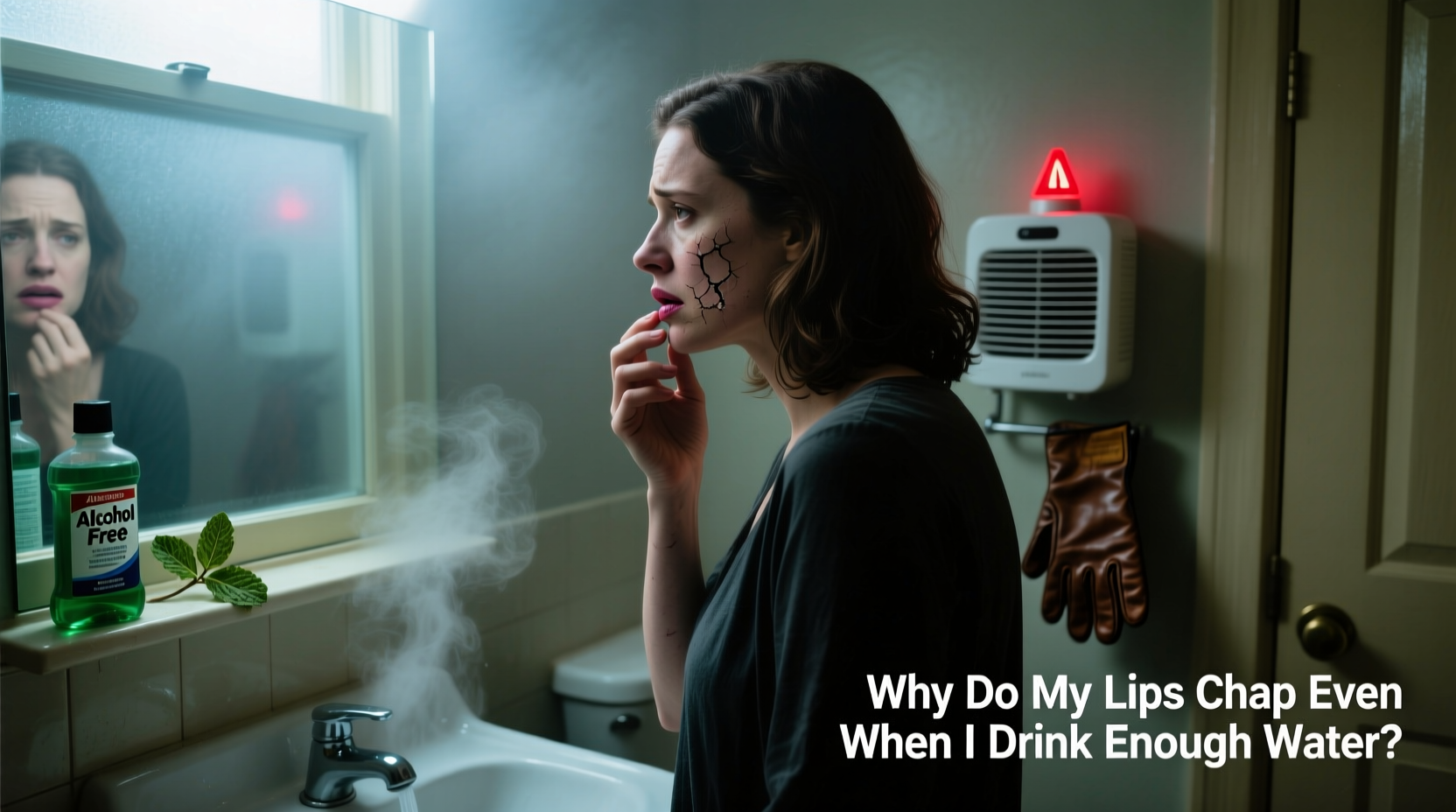
Drinking plenty of water supports overall skin health, including the delicate skin on your lips. However, systemic hydration doesn't directly translate to surface-level moisture retention. Unlike other areas of the skin, lips lack oil glands (sebaceous glands), which means they can't produce their own protective lipid barrier. This makes them especially vulnerable to external stressors, regardless of how well-hydrated you are internally.
Think of it like watering a plant from the roots while leaving its leaves exposed to harsh wind and sun. Internal hydration nourishes the body, but without a protective layer on the surface, moisture evaporates quickly. That’s why many people remain puzzled: “I drink enough water—why are my lips still dry?”
“Lip hydration depends more on occlusion and protection than internal fluid intake. Topical care is non-negotiable.” — Dr. Lena Torres, Dermatologist and Skin Barrier Specialist
Hidden Environmental Triggers
Even with perfect habits, environmental conditions can sabotage your lip health. These factors often go unnoticed because their effects are cumulative rather than immediate.
- Cold, dry air: In winter, low humidity pulls moisture from the skin. Indoor heating worsens this by further drying the air.
- Wind exposure: Constant airflow increases transepidermal water loss (TEWL), accelerating dryness.
- UV radiation: Lips are highly sensitive to sun damage. Prolonged exposure leads to chapping, cracking, and even actinic cheilitis over time.
- High-altitude climates: Lower atmospheric pressure reduces oxygen and moisture levels, increasing dehydration risk.
Habitual Behaviors That Worsen Chapping
Sometimes, the very actions we take to soothe our lips end up making things worse. These unconscious habits strip natural protection and irritate already compromised tissue.
Lip Licking
It’s instinctive to lick dry lips for temporary relief. But saliva contains enzymes like amylase and maltase designed to break down food—not protect skin. When left on the lips, these enzymes degrade the surface, leading to irritation and inflammation. Saliva also evaporates quickly, drawing out moisture and leaving lips drier than before.
Teeth Grinding or Lip Biting
Nocturnal bruxism or daytime nervous biting can cause micro-tears along the lip border. These tiny wounds disrupt the skin barrier and become entry points for bacteria or allergens, prolonging healing.
Mouth Breathing
Breathing through your mouth—common during allergies, congestion, or sleep apnea—creates a constant stream of dry air across the lips. Over time, this leads to chronic dehydration of the lip surface, especially noticeable upon waking.
“Patients often don’t realize they’re mouth breathers until I point out the pattern of lower-lip dryness. Addressing nasal airflow can be transformative.” — Dr. Arjun Patel, ENT Specialist
Everyday Products That Sabotage Lip Health
Many lip care and oral hygiene products contain ingredients that seem helpful but actually contribute to long-term dryness.
| Product Type | Common Irritants | Why It’s Problematic |
|---|---|---|
| Lip Balms | Menthol, camphor, phenol, fragrances | Create tingling sensation that encourages reapplication; some are chemically irritating. |
| Toothpaste | Sodium lauryl sulfate (SLS) | Strong detergent that strips oils; can transfer to lips during brushing and cause contact dermatitis. |
| Flavored Gum/Candy | Citric acid, artificial flavors | Acidic components erode surface cells; frequent exposure leads to sensitization. |
| Medicated Ointments | Hydrocortisone (long-term use) | Thins skin over time; should never be used on lips without medical supervision. |
Underlying Medical and Nutritional Factors
When lifestyle adjustments fail, deeper physiological imbalances may be at play. These conditions often present subtly, with chapped lips as an early or persistent symptom.
Vitamin Deficiencies
Deficiencies in B vitamins—especially B2 (riboflavin), B3 (niacin), B6 (pyridoxine), and B12 (cobalamin)—are linked to cheilitis (inflammation of the lips). Iron deficiency anemia can also manifest as pale, cracked lips, particularly at the corners (angular cheilitis).
Allergic Contact Dermatitis
This delayed hypersensitivity reaction occurs when lips are repeatedly exposed to allergens in cosmetics, dental products, or even metal alloys in braces or jewelry. Common allergens include nickel, balsam of Peru, and lanolin. Symptoms include swelling, redness, and recurring peeling.
Automatic Exfoliation Disorder
Some individuals naturally shed dead skin cells faster than others. Without proper exfoliation management, this leads to buildup and flaking. Aggressive scrubbing in response can inflame the area further.
Autoimmune and Chronic Conditions
Conditions like Sjögren’s syndrome reduce natural moisture production, affecting eyes, mouth, and lips. Similarly, thyroid disorders alter skin texture and hydration capacity. Unexplained, persistent lip issues warrant medical evaluation.
Medication Side Effects
Retinoids (like isotretinoin for acne), certain antihistamines, diuretics, and chemotherapy drugs commonly list dry lips as a side effect. If you started a new medication alongside worsening lip condition, consult your doctor about alternatives or supportive care.
Step-by-Step Guide to Healing and Preventing Chapped Lips
Effective lip care requires consistency, the right products, and awareness of personal triggers. Follow this science-backed routine to restore and maintain healthy lips.
- Stop using irritating products. Eliminate lip balms with menthol, flavorings, or alcohol. Check toothpaste for SLS.
- Cleanse gently. Use lukewarm water and a soft cloth to remove debris without abrasion.
- Exfoliate weekly (only if needed). Use a soft-bristled toothbrush or a DIY scrub (1 tsp honey + 1 tsp sugar) in circular motions for 10 seconds. Rinse thoroughly.
- Apply an occlusive moisturizer. Immediately after washing or bathing, lock in moisture with pure petroleum jelly, lanolin, or a ceramide-based balm.
- Protect during the day. Use a lip balm with SPF 30+ every morning—even in winter—to shield against UV damage.
- Seal overnight. Apply a thick layer of petrolatum before bed to support repair during peak regeneration hours.
-
Break the licking habit. Keep hands away from your face. Use bitter-tasting nail polish if necessary to curb subconscious licking. - Monitor for improvement. Give the routine 7–10 days. If no change, consider allergy testing or a dermatology visit.
Mini Case Study: Sarah’s Persistent Winter Chapping
Sarah, a 34-year-old teacher from Colorado, drank at least two liters of water daily and used a popular medicated lip balm year-round. Every winter, her lips would crack painfully at the corners, sometimes bleeding. Despite increased water intake and balm use, the problem worsened.
After consulting a dermatologist, she discovered three key issues: her toothpaste contained SLS, she was unknowingly breathing through her mouth due to seasonal allergies, and her lip balm included camphor, which was causing a mild allergic reaction.
By switching to SLS-free toothpaste, using saline nasal spray at night, and replacing her balm with fragrance-free petroleum jelly, Sarah saw dramatic improvement within two weeks. Her lips remained smooth throughout the rest of the winter—a first in over a decade.
Checklist: Are You Sabotaging Your Lip Health?
- ☑ Do you frequently lick your lips when they feel dry?
- ☑ Does your lip balm tingle or cool when applied?
- ☑ Is your toothpaste foamy or minty? (Likely contains SLS)
- ☑ Do you wear lipstick or tinted balms daily?
- ☑ Have you noticed increased dryness since starting a new medication?
- ☑ Do your lips crack at the corners regularly?
- ☑ Are you often exposed to wind, cold, or indoor heating?
- ☑ Do you skip sunscreen on your lips?
If you answered yes to three or more, hidden triggers are likely contributing to your chapping. Address each relevant factor systematically.
Frequently Asked Questions
Can drinking more water ever help chapped lips?
Yes—but only if you're dehydrated. Once systemic hydration is adequate, additional water won’t improve lip moisture. Topical protection becomes far more impactful.
Is petroleum jelly safe for daily use?
Yes. Modern petrolatum is highly refined and non-comedogenic. It forms an inert, protective barrier without clogging pores or reacting with skin. It’s recommended by dermatologists for sensitive areas.
Why do my lips get worse after stopping a lip balm?
You may have developed a dependency on a product containing irritants like phenol or menthol. These create a cycle: they briefly soothe, then strip moisture, prompting reapplication. Discontinuing use causes temporary rebound dryness, which resolves within a week when replaced with a gentle occlusive.
Conclusion: Take Control of Your Lip Health
Chronic lip chapping isn’t a sign of poor hydration—it’s often a signal of misaligned habits, unnoticed exposures, or underlying imbalances. By shifting focus from internal water intake to external protection and behavioral awareness, you can break the cycle of dryness for good.
Your lips deserve more than temporary fixes. Start today: audit your products, protect against environmental stressors, and build a simple, effective routine. Small changes lead to lasting results. Share your experience or questions below—your insight could help someone finally find relief.




 浙公网安备
33010002000092号
浙公网安备
33010002000092号 浙B2-20120091-4
Comments
No comments yet. Why don't you start the discussion?