
If you’ve ever applied lip balm religiously only to wake up with dry, cracked, flaky lips the next morning, you’re not alone. Millions of people rely on balms to soothe their lips, yet continue to struggle with persistent chapping. The truth is, many popular lip products contain hidden irritants that can worsen the very condition they claim to treat. Understanding why this happens—and what ingredients to avoid—is key to breaking the cycle of chronic lip dryness.
Lips are uniquely vulnerable. Unlike the rest of your skin, they lack oil glands and a thick protective barrier, making them more prone to moisture loss and irritation. While environmental factors like cold weather or wind play a role, the real culprits behind stubborn chapping often lie in the products we trust and our daily habits. This article dives deep into the science of lip health, uncovers common but overlooked irritants, and provides actionable steps to restore and maintain soft, healthy lips—without relying on counterproductive remedies.
The Myth of Lip Balm Dependency
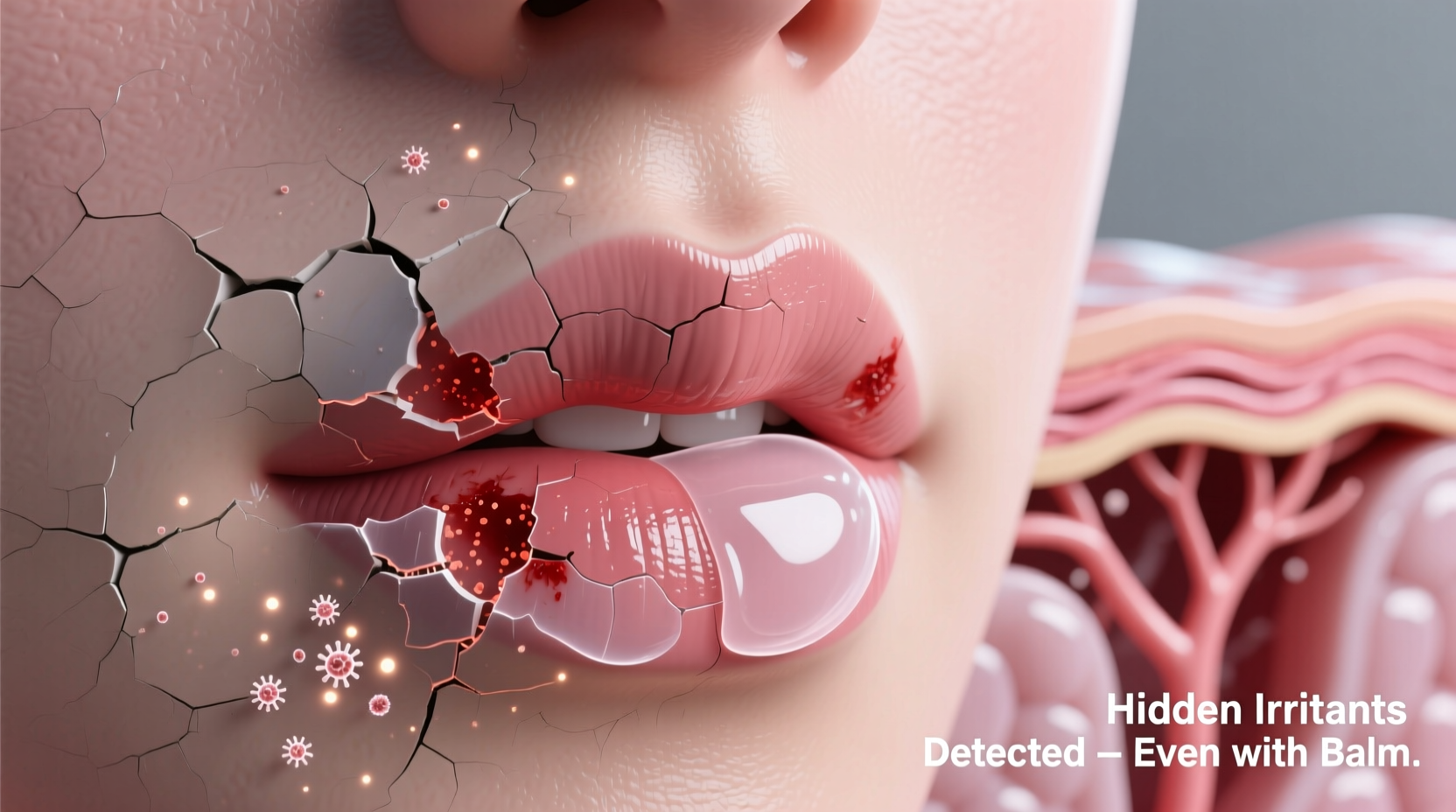
Many people believe they’ve become “addicted” to lip balm—that using it too often causes lips to dry out faster. While true physiological addiction isn’t possible, a psychological reliance can develop when balms provide temporary relief but fail to heal underlying issues. Worse, some ingredients create a cycle of dependency by irritating the lips, prompting reapplication, which leads to further irritation.
This phenomenon isn’t just anecdotal. Dermatologists note that frequent use of certain lip products can disrupt the natural repair process of the lip epidermis. When balms contain allergens or drying agents, each application may inflame the tissue slightly, weakening the skin’s ability to retain moisture over time.
“Lip balm isn’t inherently harmful, but if you’re applying it constantly and still experiencing chapping, it’s likely the formulation—not the frequency—that’s the problem.” — Dr. Lena Patel, Board-Certified Dermatologist
Hidden Irritants in Common Lip Balms
Not all lip balms are created equal. Many mass-market brands include fragrances, essential oils, and chemical preservatives that seem harmless but can trigger inflammation or allergic reactions. Below are some of the most common hidden irritants found in lip care products:
- Fragrance/Parfum: A catch-all term that can encompass dozens of undisclosed chemicals. Synthetic and natural fragrances alike are among the top causes of contact dermatitis on the lips.
- Menthol, Camphor, and Phenol: Often added for a “cooling” sensation, these ingredients can actually strip moisture and cause mild chemical burns with repeated use.
- Artificial Sweeteners (e.g., Aspartame): Used in flavored balms, these can encourage licking the lips, increasing moisture loss and irritation.
- Alcohol (e.g., ethanol, isopropyl alcohol): Found in some tinted or matte balms, alcohol is extremely drying and compromises the lipid barrier.
- Lanolin (in sensitive individuals): Though derived from sheep’s wool and often praised for moisturizing, lanolin can cause allergic reactions in some people.
- Preservatives like Methylisothiazolinone: Known sensitizers, especially problematic in leave-on products like lip balms.
These ingredients may not affect everyone, but for those with sensitive skin or compromised lip barriers, even trace amounts can lead to chronic irritation.
Everyday Habits That Worsen Lip Chapping
Beyond product ingredients, daily behaviors contribute significantly to lip dryness. These habits often go unnoticed but can undermine even the gentlest skincare routine.
Lip Licking
When lips feel dry, the instinct is to lick them. Saliva contains enzymes like amylase and lipase designed to break down food—not moisturize skin. Repeated exposure erodes the delicate lip surface and accelerates moisture loss. The brief relief is quickly followed by increased dryness and cracking.
Dehydration and Diet
Inadequate water intake reduces overall skin hydration, including the lips. Deficiencies in B vitamins (especially B2 and B12), iron, and zinc can also manifest as cheilitis—a medical term for inflamed, cracked lips.
Excessive Sun Exposure
Lips are highly susceptible to UV damage. Without proper protection, sun exposure can cause actinic cheilitis, a precancerous condition marked by dryness, scaling, and fissures. Most standard lip balms don’t offer SPF, leaving lips vulnerable.
Medications and Health Conditions
Some medications—including retinoids, antihistamines, and acne treatments—cause dryness as a side effect. Autoimmune conditions like Sjögren’s syndrome or inflammatory disorders such as eczema and psoriasis can also affect the lips.
Choosing the Right Lip Balm: A Smart Ingredient Guide
Not all lip balms are harmful. The right formulation can support healing and prevent future chapping. Focus on products with simple, nourishing ingredients that reinforce the skin barrier rather than disrupt it.
| Beneficial Ingredients | Purpose | Found In |
|---|---|---|
| Beeswax | Forms a breathable protective barrier | Natural balms, ointments |
| Shea Butter | Deeply moisturizing, rich in fatty acids | Hydrating creams and sticks |
| Squalane | Lightweight, mimics natural skin oils | High-performance skincare balms |
| Petroleum Jelly (Medical Grade) | Occlusive—locks in moisture without adding active ingredients | Vaseline, Aquaphor |
| Zinc Oxide | Protects against UV rays and soothes irritation | SPF lip balms, diaper rash products |
Avoid anything labeled “tingling,” “treatment,” or “medicated” unless prescribed. These often contain camphor or phenol, which can delay healing. Instead, opt for fragrance-free, hypoallergenic formulas with minimal ingredients.
Checklist: How to Select a Safe Lip Balm
- Read the full ingredient list—avoid fragrance, menthol, and alcohol.
- Choose products with fewer than 10 ingredients.
- Look for occlusives like petroleum jelly or beeswax.
- Use SPF 30+ during daylight hours.
- Test new products on a small area first.
- Store balms in a cool place to prevent bacterial growth.
Step-by-Step: Healing Chronically Chapped Lips
If your lips are already damaged, healing requires more than swapping balms. Follow this science-backed protocol to restore lip health over 7–10 days:
- Stop Using Irritating Products: Immediately discontinue any lip balm causing stinging, burning, or worsening dryness.
- Cleanse Gently: At night, wipe lips with a damp cotton pad. Avoid scrubs or exfoliants during active chapping.
- Apply a Healing Ointment: Use pure petroleum jelly or a zinc-based ointment before bed. These create a seal that supports overnight repair.
- Hydrate Internally: Increase water intake and consume foods rich in omega-3s (like salmon, flaxseeds) and B vitamins (eggs, leafy greens).
- Break the Licking Habit: Keep hands away from mouth. If you catch yourself licking, sip water instead.
- Use SPF Daily: Apply a mineral-based SPF 30+ lip balm every morning, even on cloudy days.
- Reassess After One Week: If no improvement, consult a dermatologist to rule out allergies or infections.
This approach prioritizes barrier restoration over temporary relief. Patience is essential—damaged lip tissue takes time to regenerate.
Mini Case Study: Sarah’s Breakthrough After Years of Dry Lips
Sarah, a 34-year-old teacher from Portland, had used the same mint-flavored lip balm for over a decade. Every winter, her lips would crack painfully, sometimes bleeding. She assumed it was due to cold weather and increased her application to 10 times a day. Despite this, her condition worsened.
After visiting a dermatologist, she discovered she was mildly allergic to menthol and lanolin—both present in her favorite balm. Switching to a fragrance-free ointment with only petrolatum and beeswax led to noticeable improvement within three days. By week two, her lips were smooth and no longer required constant reapplication.
“I couldn’t believe how much harm a ‘soothing’ mint balm was doing,” Sarah said. “Now I read every label and stick to simple formulas. My lips have never felt better.”
Frequently Asked Questions
Can lip balm make chapping worse?
Yes. Balms containing menthol, camphor, phenol, or alcohol can irritate the lips and increase dryness. Flavored or scented products often encourage lip licking, which breaks down the skin barrier. If your lips feel worse after applying balm, the formula is likely the issue.
Is Vaseline good for chapped lips?
Yes, medical-grade petroleum jelly (like Vaseline) is one of the safest and most effective options. It’s non-comedogenic, hypoallergenic, and creates a protective layer that prevents moisture loss. Use it at night or under SPF during the day.
How long does it take for chapped lips to heal?
With proper care, mild chapping improves in 3–5 days. Severe cases with cracking or bleeding may take 1–2 weeks. Healing requires eliminating irritants, staying hydrated, and protecting the lips from environmental stressors.
Conclusion: Take Control of Your Lip Health
Chronic lip chapping isn’t inevitable—it’s often the result of invisible irritants in everyday products and unconscious habits. By understanding what truly damages the lips and choosing formulations that support healing, you can break free from the cycle of dryness and discomfort. Replace harsh balms with simple, protective alternatives, stay hydrated, and shield your lips from UV exposure. Small changes can yield dramatic results.
Your lips deserve more than temporary fixes. Invest in long-term health by reading labels, listening to your body, and treating your lip care with the same seriousness as the rest of your skincare routine.




 浙公网安备
33010002000092号
浙公网安备
33010002000092号 浙B2-20120091-4
Comments
No comments yet. Why don't you start the discussion?