
Winter brings frosty mornings, cozy sweaters, and—unfortunately for many—a relentless cycle of dry, cracked, and painfully chapped lips. You apply lip balm religiously, yet within minutes, your lips feel tight, flaky, and raw again. If this sounds familiar, you're not alone. Millions struggle with persistent lip dryness each winter, often baffled by why their go-to balm isn’t delivering lasting relief. The truth is, most people misunderstand both the cause of winter chapping and the solution. It’s not just about hydration—it’s about protection, behavior, and choosing the right products. This article dives deep into the science behind winter lip chapping, explains why conventional balm use often fails, and delivers a practical, proven strategy to keep your lips smooth and healthy all season long.
The Hidden Causes Behind Winter Lip Chapping
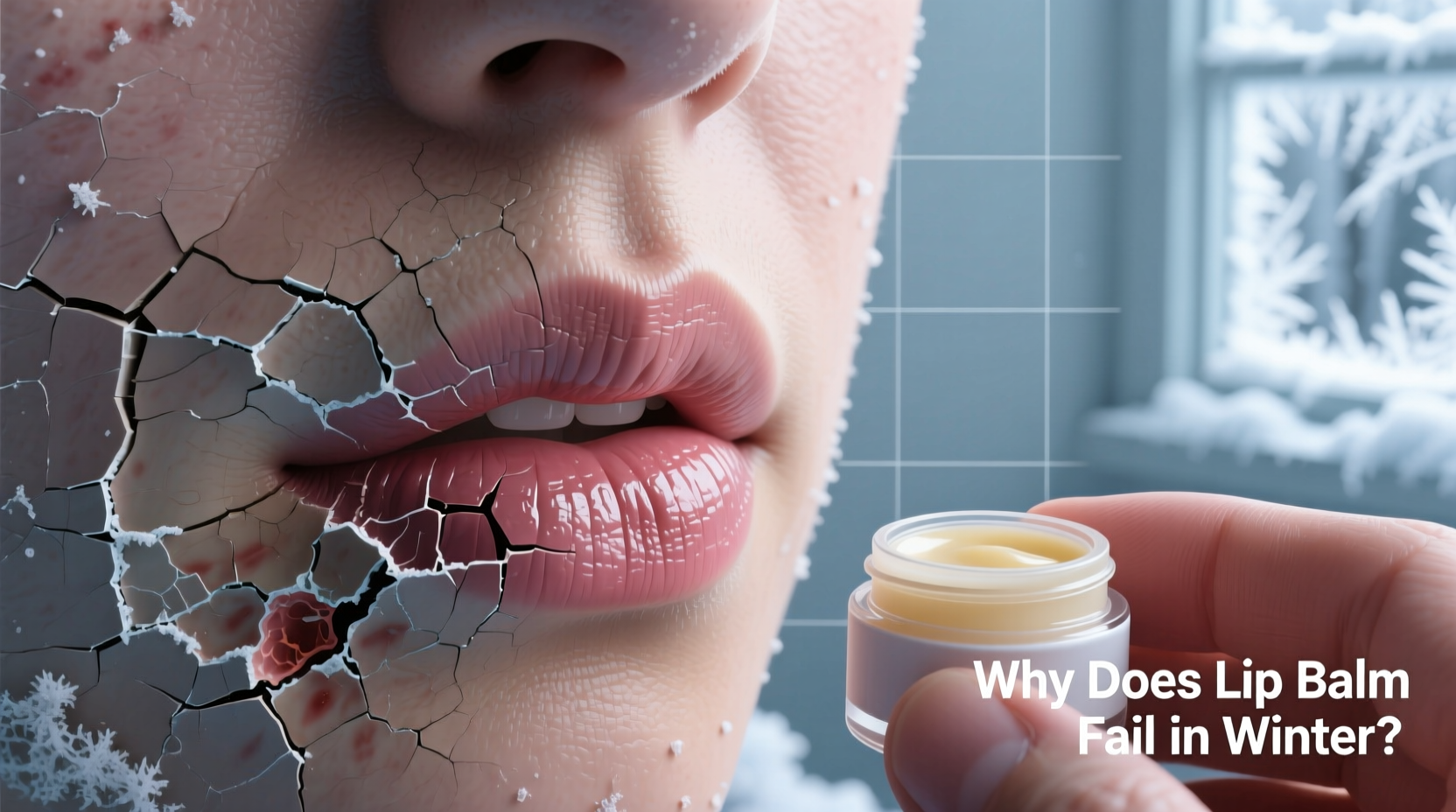
Lips are uniquely vulnerable compared to the rest of your skin. Unlike facial or body skin, lips lack oil glands (sebaceous glands), which naturally produce sebum to moisturize and protect. Without this built-in defense, they rely entirely on external moisture and protective barriers. In winter, several environmental and behavioral factors intensify this vulnerability:
- Cold, dry air: Low humidity pulls moisture from the skin, including the delicate lip tissue.
- Indoor heating: Central heating systems further reduce indoor humidity, creating a double-dry environment.
- Wind exposure: Wind accelerates evaporation of surface moisture, leading to micro-cracks.
- Frequent licking: A common but harmful habit—saliva evaporates quickly, leaving lips drier than before.
- Irritating ingredients: Many popular lip balms contain fragrances, menthol, or alcohol that can inflame or sensitize already compromised skin.
These elements combine to create a perfect storm: the lips lose moisture faster than they can retain it, the outer layer begins to crack, and irritation sets in. Applying balm may offer momentary relief, but if it doesn’t form an effective occlusive barrier, the moisture escapes just as fast.
Why Most Lip Balms Fail in Winter
Not all lip balms are created equal, especially when it comes to winter protection. Many widely used products fall short because they prioritize sensory appeal—like cooling sensations or sweet flavors—over actual healing. Here’s why typical balms underperform:
- They’re humectant-heavy without occlusion: Products with ingredients like hyaluronic acid or glycerin draw water to the surface—but in dry winter air, there’s no water to draw. Worse, they can pull moisture from deeper layers, worsening dehydration.
- They contain irritants: Peppermint, camphor, eucalyptus, and artificial fragrances may feel refreshing but can trigger inflammation, especially on already damaged skin.
- They wear off too quickly: Lightweight formulas evaporate or get wiped away during eating or drinking, leaving lips unprotected.
- They encourage dependency: Some balms create a sensation of dryness once they wear off, prompting constant reapplication without addressing root causes.
As dermatologist Dr. Lena Patel explains: “People think slathering on more balm fixes the problem, but if the product lacks proper occlusives, you’re just adding fuel to a broken cycle.”
“Effective winter lip care isn’t about frequency of application—it’s about the quality of the barrier you build.” — Dr. Lena Patel, Board-Certified Dermatologist
What Actually Works: The Science-Backed Approach
To truly heal and prevent chapped lips in winter, you need a multi-step strategy focused on sealing in moisture, reducing irritation, and supporting natural repair. Here’s what research and clinical practice show to be effective:
1. Use Occlusive Ingredients First
Occlusives form a physical barrier that prevents moisture loss. These should be the foundation of any winter lip routine. Look for products containing:
- Petroleum jelly (e.g., Vaseline)
- Beeswax
- Squalane
- Lanolin (if not allergic)
- Shea butter
These substances sit on top of the skin rather than absorbing into it, locking in hydration throughout the day and night.
2. Apply Balm Strategically, Not Constantly
Over-application can disrupt the skin’s natural recovery process. Instead of reapplying every hour, follow this timing:
| Time of Day | Action |
|---|---|
| Morning | Apply after brushing teeth; avoid flavored balms post-brushing |
| Before going outdoors | Use a thick layer of petroleum-based balm |
| After eating/drinking | Reapply only if visibly dry |
| At bedtime | Use pure petroleum jelly or healing ointment |
3. Hydrate from Within
Dehydration affects lip health. Even mild fluid deficits reduce skin elasticity. Aim for at least 2 liters of water daily, and increase intake if you’re physically active or in heated environments.
4. Protect Lips During Sleep
Nighttime is prime repair time. Skip thin balms and use a heavy occlusive. For severely chapped lips, apply a pea-sized amount of medical-grade petrolatum and cover with a soft cloth or micropore tape to enhance penetration and prevent transfer.
Step-by-Step Healing Routine for Severely Chapped Lips
If your lips are already cracked, bleeding, or painful, a structured approach is essential. Follow this 5-day protocol to restore comfort and resilience:
- Day 1: Clean and Calm
Gently wipe lips with a warm, damp cloth to remove flakes. Pat dry. Apply a non-irritating ointment like plain petroleum jelly. Avoid picking or peeling. - Day 2–3: Lock in Moisture
After cleansing, apply a hydrating serum (with ceramides or panthenol) followed immediately by an occlusive. Repeat 3x daily and before bed. - Day 4: Introduce Protection
Begin using a beeswax-based balm with SPF during daytime. Continue nighttime petrolatum treatment. - Day 5: Maintain and Prevent
Transition to twice-daily balm use. Focus on prevention: stay hydrated, avoid licking, and shield lips in wind.
This method allows the skin to rebuild its barrier gradually, avoiding irritation from aggressive exfoliation or chemical-laden products.
Do’s and Don’ts of Winter Lip Care
Avoid common pitfalls with this quick-reference guide:
| Do | Don't |
|---|---|
| Use fragrance-free, hypoallergenic products | Use minty, spicy, or flavored balms |
| Apply balm before going outside | Wait until lips feel dry to apply |
| Drink plenty of water | Ignore signs of dehydration |
| Gently exfoliate once weekly (only if needed) | Scrub aggressively with sugar scrubs |
| Choose balms with SPF 15+ during daylight | Use clear balms without sun protection |
“Sun damage contributes to chronic lip dryness—even in winter. Daily SPF is non-negotiable.” — Dr. Aaron Kim, Skin Health Research Institute
Mini Case Study: Sarah’s Winter Lip Breakthrough
Sarah, a 34-year-old teacher from Chicago, had struggled with severe winter chapping for over a decade. She used a popular cherry-flavored balm multiple times an hour, yet her lips would crack by mid-morning. After consulting a dermatologist, she discovered two key issues: her balm contained menthol and she was unknowingly licking her lips due to anxiety.
She switched to a fragrance-free beeswax balm and applied petroleum jelly at night. She also started carrying a water bottle to stay hydrated and practiced mindfulness to reduce lip-licking. Within ten days, her lips healed completely. Now, she uses a preventive routine every fall and hasn’t had a bad episode in two winters.
Sarah’s case highlights a critical point: behavior and product choice are equally important. Healing isn’t just topical—it’s habitual.
FAQ: Common Questions About Winter Lip Chapping
Can I exfoliate chapped lips?
Only when necessary and gently. Use a soft toothbrush or a DIY scrub with honey and fine sugar, no more than once a week. Never exfoliate bleeding or inflamed lips—this delays healing.
Is it safe to use Vaseline on lips every night?
Yes. Petroleum jelly is clinically proven to be safe and highly effective for overnight healing. It’s inert, non-comedogenic, and creates an ideal moisture-sealing barrier.
Why do my lips chap even when I drink enough water?
Internal hydration supports skin health, but lips still require external protection. Dry air and mechanical stress (like talking, eating, or breathing through your mouth) can deplete surface moisture regardless of water intake.
Checklist: Your Winter Lip Defense Plan
Stay ahead of chapping with this actionable checklist:
- ✅ Switch to a fragrance-free, occlusive lip balm
- ✅ Apply balm before going outside, not after
- ✅ Use petroleum jelly at bedtime
- ✅ Drink at least 8 glasses of water daily
- ✅ Avoid licking or biting your lips
- ✅ Choose a daytime balm with SPF 15 or higher
- ✅ Replace old or contaminated balms (especially tube types)
- ✅ Monitor for signs of infection (yellow crust, pus)—see a doctor if present
Conclusion: Break the Cycle for Good
Chronic winter lip chapping isn’t inevitable—it’s a signal that your current routine isn’t aligned with your lips’ biological needs. Ditch the ineffective balms and mindless reapplication. Instead, adopt a strategic, science-backed approach: seal in moisture with true occlusives, protect against environmental stressors, and correct habits that sabotage healing. With consistent care, your lips can stay soft, smooth, and resilient all winter long. Start tonight—apply a thick layer of petroleum jelly before bed. Small changes lead to lasting results.




 浙公网安备
33010002000092号
浙公网安备
33010002000092号 浙B2-20120091-4
Comments
No comments yet. Why don't you start the discussion?