
As the first signs of spring emerge—warmer days, blooming flowers, and longer sunlight—many people notice an unexpected side effect: increasingly dry, cracked lips. It seems counterintuitive. After surviving the harsh winter, why would chapping worsen just as the weather improves? The truth is, spring brings a unique set of environmental stressors that directly impact the delicate skin of your lips. Unlike other areas of your face, lips lack oil glands and a protective barrier, making them vulnerable to subtle shifts in humidity, wind, and allergens. Understanding these triggers is the first step toward healing and preventing persistent chapping using safe, natural methods.
The Hidden Causes of Springtime Lip Chapping
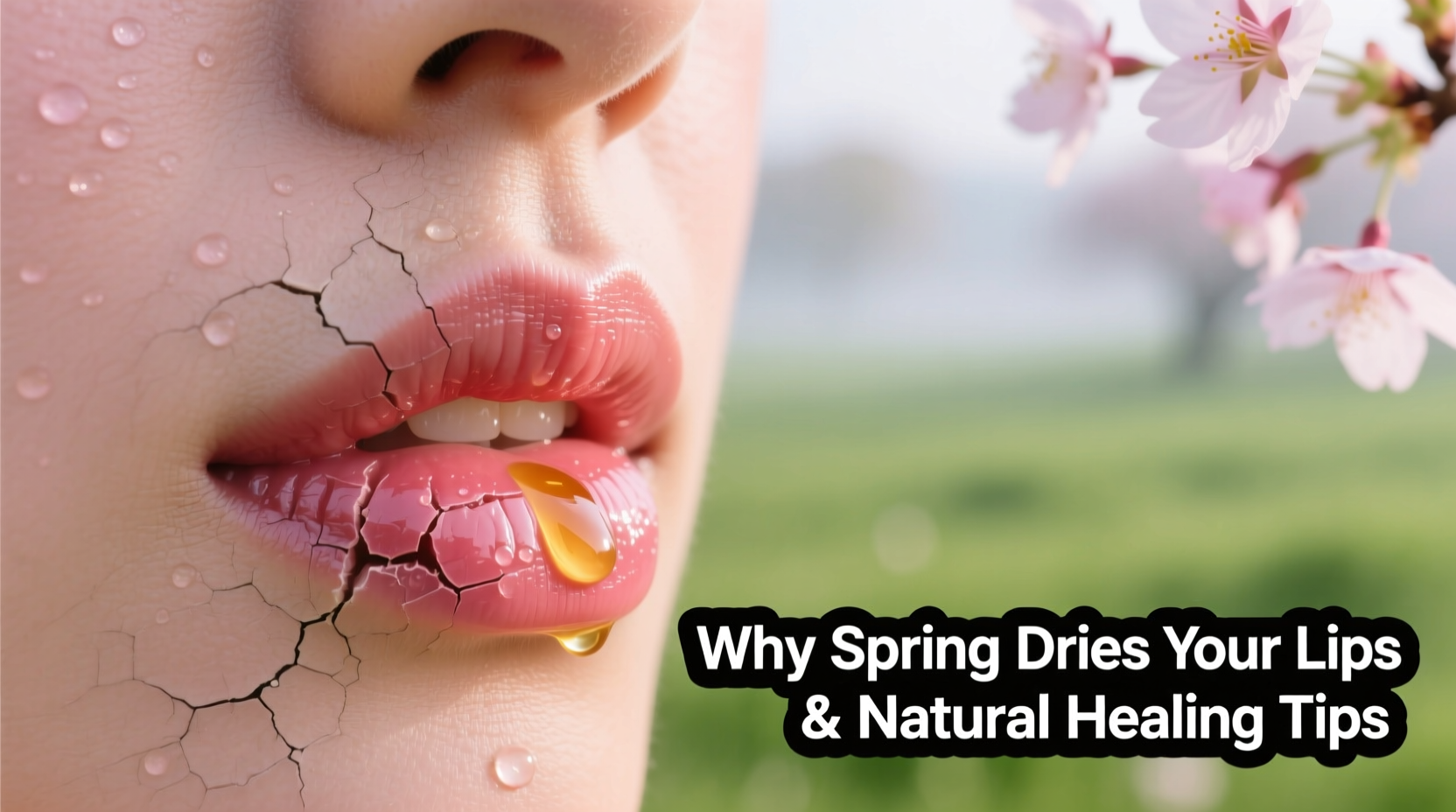
While winter is often blamed for dry lips, spring can be equally damaging due to transitional weather patterns and biological changes in the environment. As temperatures fluctuate rapidly between warm afternoons and cool nights, moisture levels in the air shift unpredictably. This instability compromises the skin’s ability to retain hydration. Additionally, increased wind during spring storms strips moisture from exposed skin, including the lips.
Another overlooked factor is pollen. During spring, airborne allergens spike dramatically. For many, this leads to allergic rhinitis, causing nasal congestion and forcing mouth breathing—especially at night. Breathing through the mouth dries out the lips continuously, accelerating chapping. A 2022 study published in *Clinical Dermatology* found that individuals with seasonal allergies reported a 43% increase in lip irritation during peak pollen months compared to other seasons.
UV exposure also intensifies in spring. Although the sun feels milder than in summer, ultraviolet (UV) radiation increases steadily. Lips are particularly susceptible because they contain little melanin, the pigment that offers some natural UV protection. Without proper defense, UV rays degrade collagen and cause micro-inflammation, leading to peeling and cracking.
Natural Healing Strategies for Cracked Lips
Healing chapped lips naturally means avoiding synthetic ingredients like parabens, artificial fragrances, and petroleum-based occlusives such as mineral oil. Instead, focus on plant-based emollients and humectants that nourish while supporting the skin’s natural repair process.
One of the most effective natural remedies is raw, unrefined shea butter. Rich in fatty acids and vitamins A and E, it deeply moisturizes and supports cell regeneration. Unlike petroleum jelly, which merely seals in moisture without adding nutrients, shea butter actively repairs damaged tissue. Similarly, coconut oil contains lauric acid, which has antimicrobial properties that help prevent infection in cracked corners of the mouth—a common issue known as angular cheilitis.
Aloe vera gel, extracted fresh from the plant or sourced in pure form, soothes inflammation and accelerates healing. Its polysaccharides stimulate fibroblast activity, encouraging new skin growth. Apply a thin layer several times a day, especially after meals or exposure to wind.
“Natural lip care isn’t about sealing moisture—it’s about restoring function. Ingredients like beeswax, shea butter, and jojoba oil mimic the skin’s lipid structure, helping rebuild its resilience.” — Dr. Lena Torres, Integrative Dermatologist
Step-by-Step Guide to Restore Your Lips in 7 Days
If your lips are already severely chapped, follow this gentle yet effective seven-day recovery plan to restore softness and prevent future flare-ups.
- Day 1–2: Soothe and Cleanse
Begin by gently removing dead skin. Mix one teaspoon of honey with half a teaspoon of brown sugar. Dampen lips slightly and massage the mixture in circular motions for 30 seconds. Rinse with lukewarm water. Pat dry and apply a thin layer of aloe vera gel. Repeat nightly. - Day 3–4: Deep Hydrate
Switch to a nourishing balm made with shea butter, coconut oil, and a few drops of vitamin E oil. Apply every 2–3 hours, especially after eating or drinking. Avoid flavored balms, as they encourage licking—exactly what you want to stop. - Day 5–6: Protect and Strengthen
Introduce a natural lip balm with SPF 15–30 derived from non-nano zinc oxide. Reapply after sweating or wiping your mouth. Continue nighttime treatments with a thicker layer of shea butter before bed. - Day 7: Maintain and Monitor
By now, flaking should subside and comfort should return. Transition to preventive care: hydrate internally, avoid irritants, and use protection daily. If cracks persist beyond Day 7, consider underlying deficiencies or medical causes.
Do’s and Don’ts of Natural Lip Care
Not all natural products are created equal, and even well-intentioned habits can backfire. Use this guide to distinguish helpful practices from harmful ones.
| Action | Do | Don't |
|---|---|---|
| Exfoliation | Use a soft toothbrush or mild sugar scrub once weekly. | Scrub aggressively or use daily—this damages thin lip tissue. |
| Hydration | Drink at least 2 liters of water daily; include herbal teas. | Rely only on lip balms—internal hydration is essential. |
| Product Choice | Choose balms with beeswax, shea butter, and zinc oxide. | Use menthol, camphor, or artificial flavors—they increase dryness. |
| Environmental Protection | Wear a scarf on windy days; use SPF lip balm daily. | Stay outdoors for long periods without protection. |
| Habit Awareness | Keep hands away from mouth; replace lip-licking with sipping water. | Lick lips when dry—it evaporates quickly and worsens chapping. |
Real-Life Example: Sarah’s Spring Lip Recovery
Sarah, a 34-year-old teacher from Portland, Oregon, struggled annually with severe lip chapping each spring. Despite using commercial lip balms religiously, her condition worsened—sometimes leading to bleeding cracks at the corners of her mouth. After consulting a naturopath, she learned she had undiagnosed seasonal allergies contributing to chronic mouth breathing at night. Her nightly routine included applying a petroleum-based product, which did nothing to address the root causes.
She implemented a new regimen: taking a natural antihistamine in the evening, using a humidifier in her bedroom, and switching to a homemade balm of shea butter, coconut oil, and a drop of lavender essential oil. Within five days, her lips began to heal. By the end of two weeks, the cracking stopped entirely. “I didn’t realize how much my allergies were affecting my skin,” she said. “Once I treated the whole system, not just the symptom, my lips finally calmed down.”
Essential Nutrients That Support Lip Health
Lip health reflects internal balance. Deficiencies in certain vitamins and minerals often manifest first in sensitive tissues like the lips. B vitamins—particularly riboflavin (B2), niacin (B3), and pyridoxine (B6)—play critical roles in maintaining mucous membrane integrity. A deficiency in any of these can lead to cheilitis, characterized by redness, scaling, and fissures.
Iron and zinc are also vital. Low iron levels impair oxygen delivery to tissues, slowing healing. Zinc deficiency is linked to delayed wound repair and increased susceptibility to infections in cracked skin. Foods rich in these nutrients include pumpkin seeds, lentils, spinach, grass-fed beef, and almonds.
Omega-3 fatty acids, found in flaxseeds, chia seeds, and fatty fish, reduce systemic inflammation and support skin barrier function. Incorporating two servings of omega-3-rich foods per week can significantly improve lip resilience over time.
Nutrient-Rich Foods for Healthy Lips
- Avocados – High in vitamin E and healthy fats
- Eggs – Contain biotin and B-complex vitamins
- Sweet potatoes – Rich in beta-carotene (vitamin A)
- Walnuts – Packed with omega-3s and zinc
- Broccoli – Loaded with vitamins C and K, plus antioxidants
Frequently Asked Questions
Can drinking more water really help chapped lips?
Yes—but only as part of a holistic approach. While topical treatments address surface dryness, internal hydration ensures your skin cells function optimally. Chronic dehydration reduces sebum production and weakens the skin barrier. Aim for consistent water intake throughout the day, rather than large amounts at once.
Is it safe to use essential oils on chapped lips?
Only if properly diluted and chosen carefully. Oils like lavender or chamomile can soothe inflammation when mixed into carrier oils (e.g., jojoba or almond oil) at a concentration of 0.5–1%. Never apply undiluted essential oils directly to lips, as they can cause irritation or allergic reactions.
Why do my lips keep cracking even after using balm all day?
This often indicates reliance on occlusive-only products like petroleum jelly, which trap existing moisture but don’t add nourishment. Overuse can also create dependency, where lips produce less natural moisture. Switch to nutrient-dense balms and ensure you’re addressing lifestyle factors like breathing habits, diet, and sun exposure.
Your Natural Lip Care Checklist
Follow this simple checklist to maintain soft, healthy lips throughout spring and beyond:
- ✔️ Replace synthetic lip balms with natural alternatives containing shea butter, beeswax, or cocoa butter
- ✔️ Apply SPF 15+ lip balm daily—even on overcast days
- ✔️ Stay hydrated with water, herbal teas, and water-rich fruits
- ✔️ Exfoliate gently once per week using a sugar-honey scrub
- ✔️ Address allergies or sinus issues that may cause mouth breathing
- ✔️ Eat a balanced diet rich in B vitamins, zinc, and omega-3s
- ✔️ Use a bedroom humidifier if indoor air feels dry
- ✔️ Break the habit of lip-licking by keeping water nearby
Conclusion: Heal From the Outside In
Chapped lips in spring aren’t inevitable—they’re a signal that your body needs attention, both externally and internally. By recognizing the unique environmental challenges of the season and responding with intelligent, natural care, you can restore comfort and prevent recurring damage. True lip health goes beyond temporary fixes; it involves nurturing your skin with clean ingredients, supporting your body with proper nutrition, and protecting yourself from invisible threats like UV rays and allergens. These small, consistent actions build lasting resilience.




 浙公网安备
33010002000092号
浙公网安备
33010002000092号 浙B2-20120091-4
Comments
No comments yet. Why don't you start the discussion?