
Nails that split, peel, or snap at the slightest pressure are more than just a cosmetic nuisance—they can signal deeper imbalances in your health. While many people assume dryness is the sole culprit, brittle nails often stem from internal deficiencies, systemic conditions, or unnoticed lifestyle habits. Understanding these less obvious factors is essential for lasting improvement. This article explores the root causes behind fragile nails, backed by dermatological research and clinical insights, and offers actionable steps to restore strength and resilience.
Nutritional Deficiencies: The Silent Nail Saboteurs
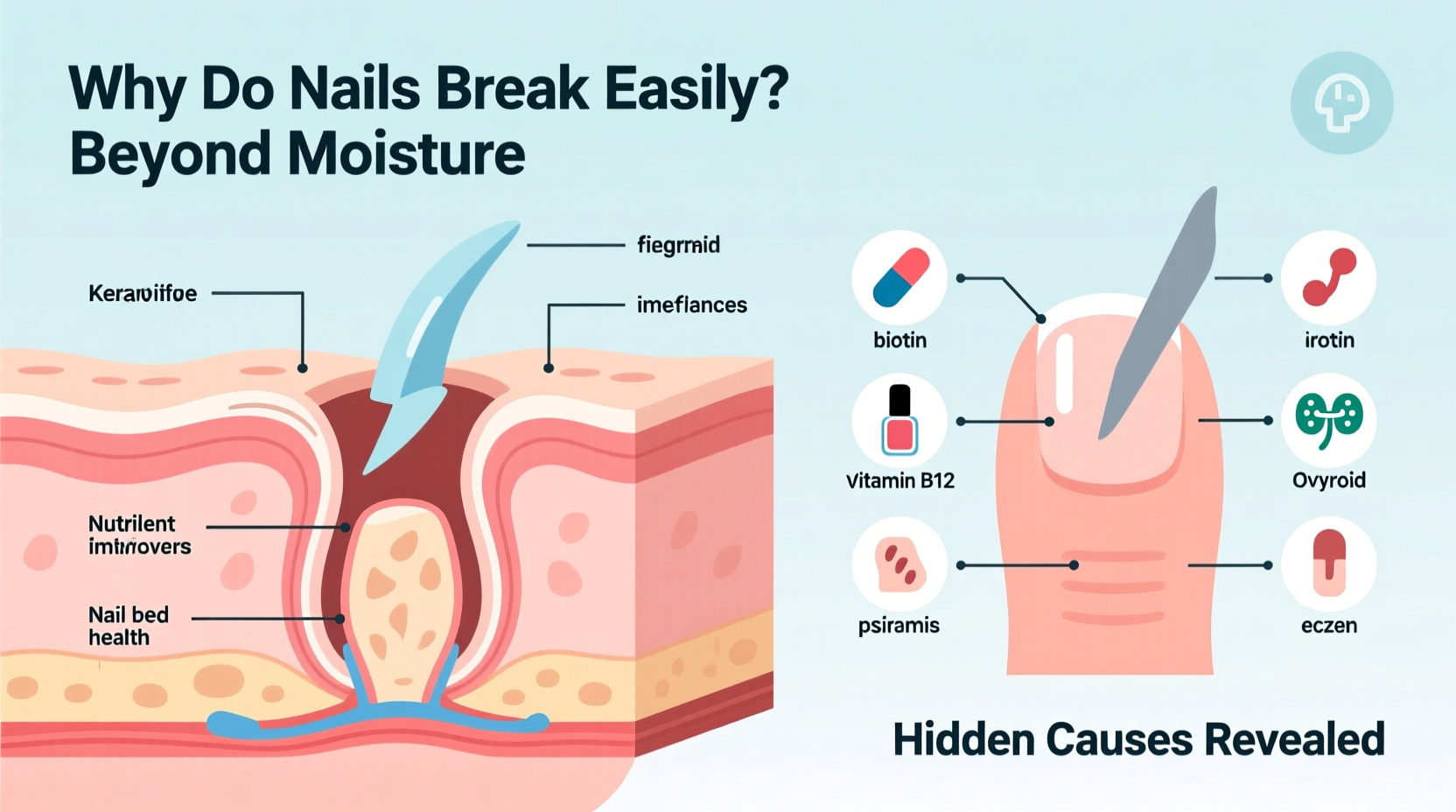
Your nails are a mirror of your internal health. When key nutrients are lacking, keratin production—the protein that forms the structural foundation of nails—suffers. Several deficiencies are strongly linked to weak, peeling nails:
- Biotin (Vitamin B7): One of the most well-documented nutrients for nail health. Studies show that biotin supplementation can increase nail thickness by up to 25% in individuals with brittle nails.
- Iron: Iron deficiency, even without anemia, can lead to koilonychia—spoon-shaped, thin nails prone to cracking. Women, especially those with heavy menstrual cycles, are at higher risk.
- Zinc: Essential for cell growth and repair. A zinc shortfall slows nail regeneration and increases susceptibility to fungal infections.
- Vitamin C: Critical for collagen synthesis. Without adequate collagen, the nail matrix produces weaker layers that flake and separate.
- Omega-3 Fatty Acids: These fats support the lipid barrier of the nail bed, preventing dehydration and micro-tears.
“Nail changes are often among the first visible signs of nutritional imbalance. A patient complaining of brittle nails should prompt a dietary assessment.” — Dr. Lena Torres, Board-Certified Dermatologist
Systemic Health Conditions Linked to Nail Fragility
Frequent nail breakage isn’t always about what you’re doing—or not doing—topically. Underlying medical conditions can manifest through nail abnormalities long before other symptoms arise.
Thyroid Disorders
Hypothyroidism slows metabolism, including the rate of nail growth. Nails become dry, ridged, and soft, making them prone to splitting. Hyperthyroidism, while less common, can also cause thinning due to accelerated turnover without proper layer formation.
Psoriasis and Lichen Planus
Skin conditions affecting the nail matrix disrupt normal keratinization. Psoriatic nails may develop pitting, oil spots, or onycholysis (separation from the nail bed), weakening overall structure.
Digestive Disorders
Celiac disease, Crohn’s disease, and other malabsorption syndromes impair nutrient uptake. Even with a balanced diet, individuals may remain deficient in iron, zinc, or fat-soluble vitamins crucial for nail strength.
Diabetes
Poor circulation and nerve damage associated with diabetes reduce blood flow to extremities, compromising nail growth. Additionally, diabetics are more susceptible to fungal infections that weaken the nail plate.
| Condition | Nail Symptom | Underlying Mechanism |
|---|---|---|
| Hypothyroidism | Soft, peeling nails with vertical ridges | Reduced metabolic activity and sebum production |
| Iron Deficiency | Spoon-shaped (concave) nails | Inadequate hemoglobin affecting oxygen delivery to matrix |
| Psoriasis | Pitting, crumbling edges | Disrupted keratinocyte maturation |
| Mechanical Trauma | Recurrent splits at free edge | Micro-injuries from typing, nail biting, or improper filing |
The Hidden Impact of Daily Habits
Even with perfect nutrition and no underlying illness, everyday behaviors can sabotage nail strength. These habits often go unnoticed until damage accumulates over weeks or months.
Excessive Water Exposure
Frequent handwashing, dishwashing, or swimming causes nails to swell and contract repeatedly. This expansion-contraction cycle creates micro-fractures in the keratin layers, leading to delamination and peeling.
Nail Polish and Remover Overuse
Acetone-based removers strip natural oils from nails and surrounding cuticles. Long-term use leads to dehydration and brittleness. Similarly, gel polish removal via aggressive scraping damages the nail surface.
Improper Filing Techniques
Using metal files or sawing back-and-forth motions creates jagged edges that catch and tear. Always file in one direction with a fine-grit emery board to preserve integrity.
Nail Biting and Picking
Onychophagia doesn’t just affect appearance—it exposes the nail bed to infection and distorts growth patterns, resulting in thinner, uneven nails over time.
Step-by-Step Guide to Stronger Nails
Improving nail health requires consistency and a multi-pronged approach. Follow this six-week timeline to see measurable improvements:
- Week 1: Audit Your Diet and Routine
Track meals for seven days, noting intake of protein, iron, biotin, and healthy fats. Also log hand-washing frequency, product use, and nail trauma incidents. - Week 2: Eliminate Harsh Chemicals
Switch to acetone-free nail polish remover and fragrance-free hand soap. Begin wearing gloves during wet tasks. - Week 3: Start Targeted Supplementation
Add a high-quality biotin supplement (2.5–5 mg/day) and consider a multivitamin with iron and zinc if dietary intake is low. Consult your doctor before starting iron. - Week 4: Optimize Topical Care
Apply a nourishing cuticle oil (with jojoba or vitamin E) twice daily. Gently push back cuticles—never cut them—to protect the seal around the nail base. - Week 5: Refine Nail Maintenance
Keep nails short and rounded. File only when necessary, using a 180-grit file in one direction. Avoid using nails as tools. - Week 6: Reassess and Adjust
Evaluate changes in flexibility, shine, and breakage frequency. If no improvement, consult a dermatologist to rule out systemic causes.
“Visible nail improvement typically takes 4–6 months because that’s how long it takes for a new nail to grow from base to tip. Patience and consistency are non-negotiable.” — Dr. Alan Kim, Clinical Dermatologist
Real-Life Example: Sarah’s Journey to Resilient Nails
Sarah, a 34-year-old graphic designer, struggled with nails that split every few days despite using expensive polishes and oils. She avoided open-toed shoes and felt self-conscious during client meetings. After tracking her habits, she realized she washed her hands 15–20 times daily due to screen cleaning and sketching with ink. Her diet was low in red meat and eggs, and she used acetone weekly.
She made three key changes: wore gloves while working, started taking biotin, and switched to a hydrating hand cream with ceramides. Within eight weeks, her nails grew longer without breaking. By month four, she no longer needed fake nails for events. Blood work later revealed mild iron deficiency, which she corrected with dietary changes and supplements under medical supervision.
Do’s and Don’ts Checklist
Use this checklist to reinforce healthy nail practices:
- ✅ Do keep nails moisturized with oils or creams containing lanolin or shea butter.
- ✅ Do eat a protein-rich breakfast to fuel morning keratin synthesis.
- ✅ Do trim nails regularly to prevent snagging.
- ✅ Do seek medical advice if changes persist beyond three months.
- ❌ Don’t use metal instruments to clean under nails.
- ❌ Don’t peel off gel polish—always have it soaked off properly.
- ❌ Don’t ignore discoloration, thickening, or pain—these may indicate infection.
- ❌ Don’t rely solely on topical treatments if internal issues are present.
Frequently Asked Questions
Can thyroid problems really affect my nails?
Yes. Hypothyroidism commonly causes brittle, slow-growing nails with horizontal ridges. Treating the underlying condition often leads to noticeable improvement in nail texture and growth speed.
Is it better to leave nails bare or wear polish for protection?
Neither extreme is ideal. Bare nails are vulnerable to environmental stress, but constant polish can trap moisture and encourage fungal growth. Rotate periods of polish use with rest weeks, and always apply a base coat to create a protective barrier.
How long does it take to see results from biotin?
Most people notice reduced splitting after 6–8 weeks, with significant thickening by 3–6 months. Consistency is critical—stopping supplementation often reverses gains.
Conclusion: Build Strength from the Inside Out
Fragile nails are rarely just a surface issue. While hydration helps, true transformation comes from addressing nutritional gaps, minimizing mechanical stress, and recognizing early signs of systemic imbalance. The habits you build today—eating nutrient-dense foods, protecting nails from excessive water, and treating them with care—compound over time into stronger, more resilient nails.
Don’t wait for a major breakage to take action. Start with one change: swap your acetone remover, add a biotin-rich food, or schedule a check-up if fatigue or hair loss accompany nail issues. Small steps lead to lasting results.




 浙公网安备
33010002000092号
浙公网安备
33010002000092号 浙B2-20120091-4
Comments
No comments yet. Why don't you start the discussion?