
Nails that split, peel, or snap without warning can be more than a cosmetic annoyance—they’re often a signal from your body that something’s off. Whether you're growing your nails out or simply want them strong enough to handle daily tasks, chronic breakage is preventable. The causes range from environmental exposure to nutritional gaps, and the solutions are often simpler than you think. Understanding the root reasons behind fragile nails—and applying targeted, sustainable fixes—can transform weak, brittle tips into durable, resilient ones.
Common Causes of Nail Breakage
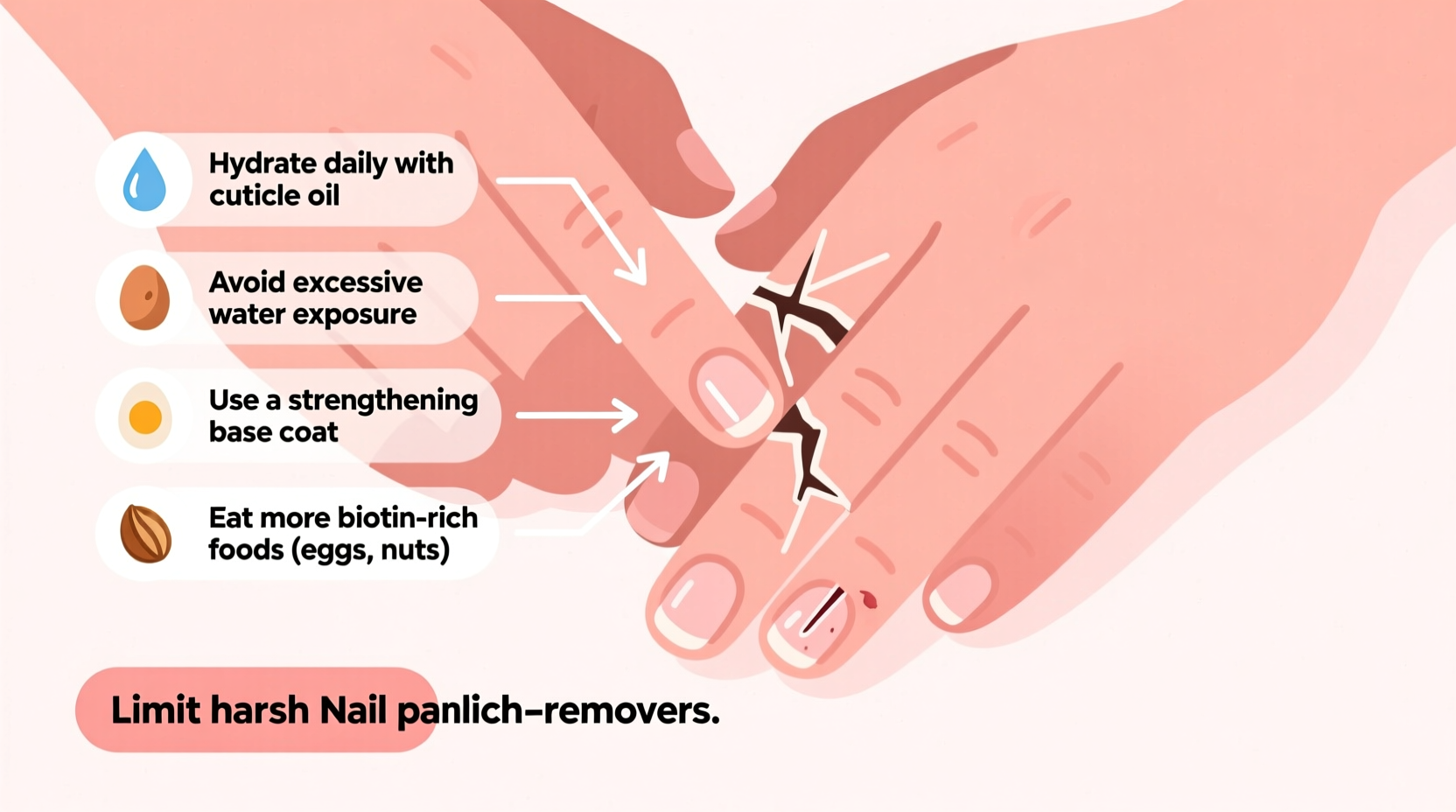
Nail fragility isn’t usually due to one single factor. Instead, it’s often the result of overlapping habits, health conditions, or lifestyle choices. Identifying which factors apply to you is the first step toward stronger nails.
- Excessive moisture exposure: Frequent handwashing, dishwashing, or prolonged contact with water softens nails, making them more prone to peeling and splitting.
- Dryness and dehydration: Just like skin, nails need moisture. In dry environments or with aging, nails lose natural oils and become brittle.
- Harsh nail products: Acetone-based removers, low-quality polishes, and aggressive gels can strip keratin and weaken the nail plate over time.
- Nutritional deficiencies: Lack of key nutrients such as biotin, iron, zinc, or protein compromises nail structure and growth.
- Physical trauma: Using nails as tools (e.g., opening packages), aggressive filing, or constant typing puts mechanical stress on the nail bed.
- Underlying health issues: Conditions like hypothyroidism, psoriasis, or fungal infections can manifest through nail changes.
“Nail health is a window into overall wellness. When patients come in with chronically splitting nails, we look not just at their nail care routine, but also at diet, hydration, and systemic health.” — Dr. Lena Patel, Dermatologist & Nail Health Specialist
Simple Daily Fixes to Prevent Breakage
You don’t need expensive treatments or salon visits to strengthen your nails. Many effective strategies start with small adjustments to your daily habits.
Start by minimizing exposure to damaging elements. If your job or routine involves frequent hand immersion in water, make glove use non-negotiable. Even short exposures add up over time. After washing hands, always dry them thoroughly—lingering moisture under the nail can lead to softening and delamination (peeling).
Switch to acetone-free nail polish removers. Acetone is extremely drying and breaks down nail proteins. Opt for removers enriched with nourishing ingredients like glycerin or jojoba oil. Remove polish gently—never scrape or pick at it.
Trim and file regularly. Long nails are more likely to catch and snap. Keep them short and rounded or squared at the edges to reduce leverage and stress points. Use a glass or fine-grit file, moving in one direction only to prevent micro-tears in the nail layers.
The Right Way to File Your Nails
| Do | Don’t |
|---|---|
| Use a 180–240 grit file | Use metal emery boards aggressively |
| File in one direction only | Saw back and forth across the nail edge |
| Shape edges softly (round or square) | Create sharp corners or overly pointed tips |
| Smooth rough edges after trimming | Leave jagged edges unattended |
Nourish from Within: Nutrition for Stronger Nails
Your nails are made mostly of keratin, a structural protein. Building strong nails requires consistent intake of essential nutrients. While supplements like biotin are popular, they work best when paired with a balanced foundation of real food.
Biotin (vitamin B7) has been shown in studies to improve nail thickness and reduce splitting in people with deficiency. However, many people already get sufficient biotin from eggs, nuts, seeds, and whole grains. Over-supplementing without need offers little extra benefit.
More critical are protein intake and minerals:
- Protein: Keratin synthesis depends on amino acids. Include lean meats, legumes, dairy, or plant-based proteins daily.
- Iron: Deficiency leads to spoon-shaped, brittle nails. Found in red meat, spinach, lentils, and fortified cereals.
- Zinc: Supports cell turnover and repair. Oysters, pumpkin seeds, and chickpeas are excellent sources.
- Omega-3 fatty acids: Help maintain nail moisture and scalp health, indirectly supporting nail growth. Fatty fish, flaxseeds, and walnuts help.
- Vitamin C: Aids collagen production, important for nail bed integrity. Citrus fruits, bell peppers, and broccoli are rich in it.
If you suspect a deficiency, consult a healthcare provider for blood testing before starting supplements. Self-prescribing high-dose biotin, for example, can interfere with lab tests including thyroid and cardiac markers.
Topical Treatments That Actually Work
While internal nutrition builds the foundation, topical care seals in protection and reinforces existing nails. Not all “strengthening” polishes are equal—many contain formaldehyde derivatives that harden nails too much, making them brittle and prone to shattering.
Look for products with hydrating and reinforcing ingredients:
- Calcium: Often marketed heavily, but calcium doesn’t penetrate the nail well. Its benefits are mainly preventive via diet.
- Keratin: Hydrolyzed keratin can temporarily fill cracks and improve surface resilience.
- Hydrators: Glycerin, hyaluronic acid, and panthenol attract moisture and prevent dehydration.
- Natural oils: Jojoba, almond, and argan oil mimic the skin’s sebum and absorb well into the nail and cuticle.
A simple nighttime ritual can make a big difference: Apply a few drops of cuticle oil (jojoba or vitamin E) and massage into each nail and surrounding skin. This boosts circulation and delivers nutrients directly to the matrix—the growth center beneath the cuticle.
Weekly Nail Strength Routine
- Soak nails in lukewarm olive oil for 10 minutes once a week.
- Gently buff surface lightly to remove ridges (don’t over-buff—once monthly is enough).
- Apply a hydrating base coat with panthenol or peptides.
- Massage cuticles with oil before bed, 3–4 times per week.
- Allow nails to go bare for 2–3 days between polish applications.
“Topical oils won’t change nail genetics, but they dramatically reduce breakage by maintaining flexibility. Think of it like conditioning hair—dry nails are more likely to snap.” — Rachel Kim, Licensed Esthetician & Nail Technician
Real-Life Example: From Chronic Breakage to Confident Growth
Sophie, a 34-year-old teacher and mother of two, struggled with nails that peeled at the slightest pressure. She’d try gel manicures, only to see her natural nails thin and weaken afterward. After months of frustration, she consulted a dermatologist who asked about her routine.
Sophie washed her hands over 20 times a day, used acetone removers weekly, skipped meals during busy school hours, and rarely moisturized her hands. Her blood test revealed mild iron deficiency and low protein intake.
She made three key changes: wore gloves while teaching and cleaning, switched to a nourishing base coat, and added a daily smoothie with Greek yogurt, spinach, and chia seeds. Within eight weeks, her nails grew longer without splitting. By 12 weeks, she was able to wear polish again—this time with confidence.
Her experience highlights how multiple small stressors compound over time—and how targeted, realistic changes can reverse damage.
When to See a Professional
Most cases of nail breakage improve with lifestyle adjustments. But certain signs warrant medical evaluation:
- Nails that crumble or change color (yellow, green, brown)
- Pain, swelling, or separation from the nail bed
- Vertical ridges accompanied by fatigue or hair loss
- No improvement after 3–4 months of consistent care
These could indicate fungal infection, psoriasis, thyroid dysfunction, or other systemic conditions. A dermatologist or primary care provider can perform tests and recommend appropriate treatment.
Frequently Asked Questions
Can I strengthen my nails without using nail hardeners?
Yes. Most nail hardeners contain formaldehyde or resin that can over-dry and weaken nails long-term. Better alternatives include hydrating base coats, cuticle oils, and minimizing water exposure. Strength comes from flexibility, not rigidity.
How long does it take to see improvement in nail strength?
Nails grow slowly—about 3 mm per month. You may notice less peeling within 4–6 weeks, but full improvement typically takes 2–3 months of consistent care. Patience and consistency are key.
Is it bad to always wear nail polish?
Constant polish use, especially with frequent application and removal, can dehydrate and thin the nail plate. Allow your nails to breathe for a few days between manicures. Avoid leaving chipped polish on, as it increases the risk of snagging and peeling.
Final Checklist for Stronger Nails
- ✔ Protect Hands from Water and Chemicals
- Wear gloves during cleaning, dishwashing, or gardening.
- ✔ Choose Gentle Nail Care Products
- Use acetone-free remover and avoid harsh gels or dip powders if nails are already weak.
- ✔ Moisturize Daily
- Apply hand cream and cuticle oil morning and night.
- ✔ Eat a Nail-Supportive Diet
- Include protein, iron, zinc, and omega-3s in your meals.
- ✔ Trim and File Properly
- Maintain moderate length and smooth edges with a gentle file.
- ✔ Give Nails Breaks
- Go polish-free for several days every few weeks.
- ✔ Monitor for Warning Signs
- See a doctor if nails change color, thicken, or cause pain.
Take Action Today for Healthier Nails Tomorrow
Strong nails aren’t built overnight, but they don’t require extreme measures either. The most effective strategies are simple, sustainable, and rooted in consistency. Pay attention to how your nails respond to your environment, diet, and habits. Small shifts—like wearing gloves, eating more protein, or massaging in oil before bed—add up to noticeable results over time.
You don’t need perfect nails to start caring for them. Begin where you are. Pick one habit from this guide to implement today. Whether it’s switching your nail remover or adding a handful of almonds to your snack routine, each choice supports stronger, healthier growth. Your nails are part of your body’s daily function—treat them with care, and they’ll return the favor.




 浙公网安备
33010002000092号
浙公网安备
33010002000092号 浙B2-20120091-4
Comments
No comments yet. Why don't you start the discussion?