
Peeling nails are more than just a cosmetic concern—they can signal underlying health issues, poor nail care habits, or environmental stressors. If you’ve noticed your nails splitting, flaking, or peeling regularly, you’re not alone. Millions of people struggle with brittle, weak nails due to a mix of lifestyle, nutritional, and external factors. The good news is that most cases of peeling nails can be improved with targeted changes and simple at-home treatments. Understanding the root causes is the first step toward stronger, healthier nails.
Common Causes of Peeling Nails
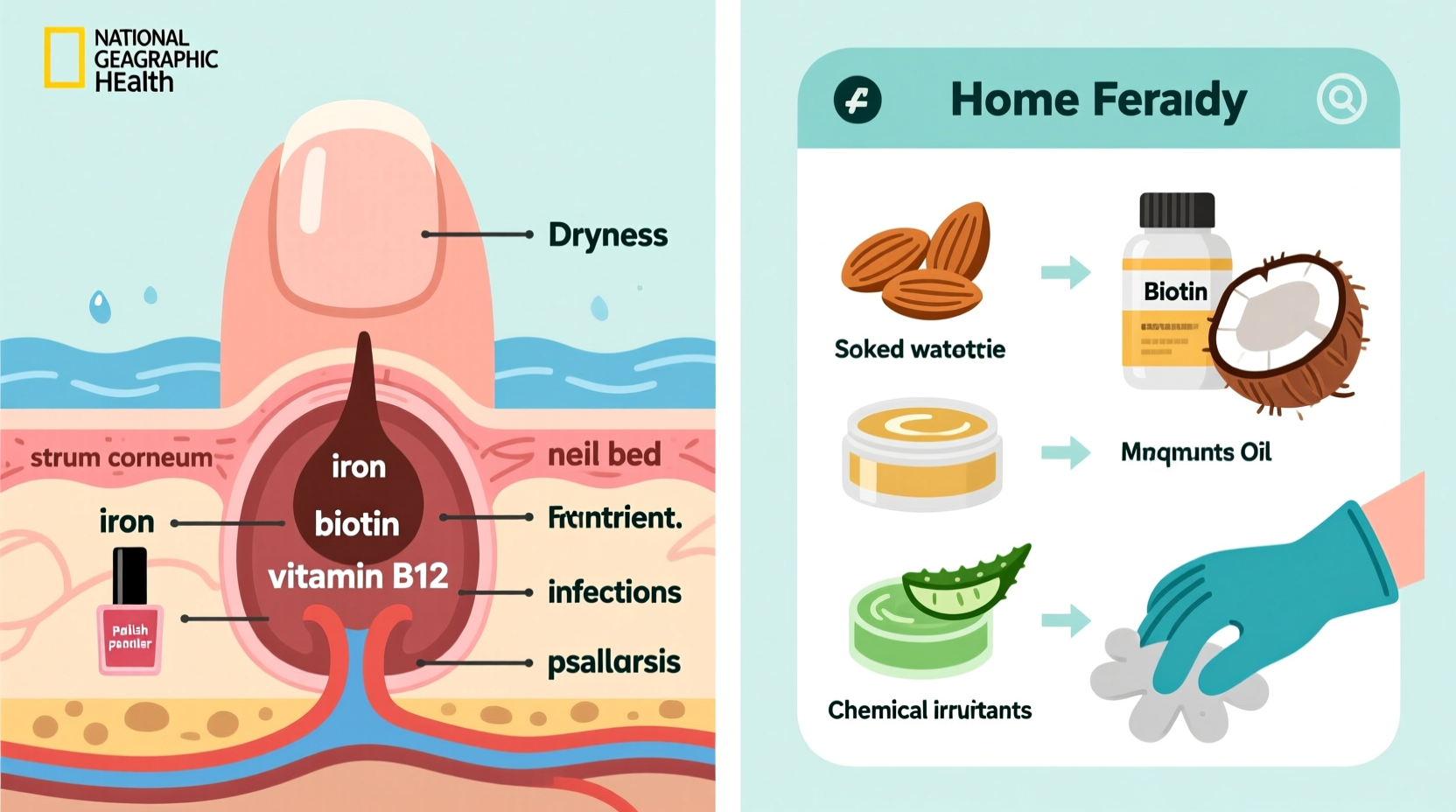
Nail peeling doesn’t happen without reason. While occasional damage from physical trauma or overuse of polish removers is normal, persistent peeling often points to deeper causes. Identifying these triggers is essential for long-term improvement.
- Nutritional Deficiencies: Lack of key nutrients like biotin, iron, zinc, and vitamins A, C, and D can weaken nail structure.
- Excessive Moisture Exposure: Frequent hand washing, dishwashing, or prolonged contact with water softens nails, making them prone to peeling.
- Dryness and Dehydration: Cold weather, low humidity, and lack of moisturizing lead to brittle, splitting nails.
- Harsh Nail Products: Acetone-based removers, gel polish, and strong adhesives strip natural oils and damage nail layers.
- Over-Filing or Trauma: Aggressive shaping, using nails as tools, or rough manicures compromise nail integrity.
- Underlying Health Conditions: Thyroid disorders, psoriasis, fungal infections, and anemia can manifest in nail changes.
- Age-Related Changes: As we age, nails naturally become thinner and more fragile.
Nutrition and Nail Health: What You Need to Know
Your nails are a reflection of your internal health. Just like hair and skin, they rely on consistent nourishment to stay strong. When essential nutrients are missing, nails respond by becoming thin, layered, and prone to peeling.
Biotin (vitamin B7) is one of the most well-researched nutrients for nail strength. Studies show that supplementing with 2.5 mg of biotin daily can significantly improve nail thickness and reduce splitting in individuals with brittle nails.
Iron deficiency, particularly in women, is another major contributor. Low ferritin levels—even without full-blown anemia—can lead to koilonychia (spoon-shaped nails) and increased fragility. Pairing iron-rich foods like spinach, lentils, and lean red meat with vitamin C enhances absorption.
Zinc plays a role in cell reproduction and protein synthesis, both critical for nail growth. A deficiency may result in white spots or horizontal ridges along with peeling.
“Nail health starts from within. Consistent intake of protein, healthy fats, and micronutrients lays the foundation for resilient nails.” — Dr. Lena Torres, Dermatologist and Nail Health Specialist
Vitamins and Minerals That Support Strong Nails
| Nutrient | Role in Nail Health | Food Sources |
|---|---|---|
| Biotin (B7) | Improves keratin infrastructure and thickness | Eggs, nuts, sweet potatoes, salmon |
| Vitamin C | Supports collagen production and iron absorption | Oranges, bell peppers, broccoli |
| Vitamin D | Aids calcium absorption; deficiency linked to brittle nails | Fatty fish, fortified dairy, sunlight |
| Iron | Prevents soft, spoon-shaped nails | Red meat, beans, tofu, fortified cereals |
| Zinc | Supports nail growth and repair | Pumpkin seeds, shellfish, chickpeas |
Effective At-Home Remedies That Work
You don’t need expensive treatments or salon visits to address peeling nails. Many effective solutions can be found in your kitchen or medicine cabinet. The key is consistency and protection during the healing phase.
1. Olive Oil and Lemon Soak
Mix equal parts extra virgin olive oil and fresh lemon juice. Soak fingertips for 15 minutes daily. Olive oil deeply moisturizes, while lemon gently exfoliates dead layers and brightens discoloration. Rinse and apply a thick hand cream afterward.
2. Coconut Oil Massage
Warm a teaspoon of unrefined coconut oil and massage into each nail and cuticle before bed. Cover with cotton gloves overnight. Its lauric acid content strengthens keratin, and its antimicrobial properties help prevent infection in split layers.
3. Apple Cider Vinegar Bath
Dilute one part raw apple cider vinegar with two parts warm water. Soak nails for 10–15 minutes every other day. This helps balance pH, reduce brittleness, and deter fungal growth—a common hidden cause of peeling.
4. Gelatin Supplementation
Gelatin is rich in amino acids that support keratin production. Stir one tablespoon of plain gelatin into juice or tea daily. Some users report firmer nails within three weeks.
5. Green Tea Soak
Steep two green tea bags in hot water for 10 minutes, cool slightly, then soak nails for 15 minutes. The antioxidants in green tea strengthen nail plates and reduce inflammation around the cuticles.
Step-by-Step Guide to Repairing Peeling Nails
Recovery takes time—nails grow slowly, about 3 mm per month. Follow this structured routine to see measurable improvement in 6–8 weeks.
- Week 1–2: Stop Further Damage
- Remove all acrylics, gels, or dip powders.
- Switch to acetone-free nail polish remover.
- Wear gloves during cleaning, dishwashing, or gardening.
- Week 3–4: Begin Hydration & Treatment
- Soak nails in olive oil or coconut oil 3–4 times weekly.
- Apply a hydrating cuticle oil morning and night.
- Start a biotin supplement (consult your doctor if pregnant or on medication).
- Week 5–6: Strengthen and Protect
- Use a nail hardener with calcium or hydroxyethyl methacrylate—but limit use to twice weekly.
- Avoid nail biting or picking at peeling layers.
- Keep nails short and rounded to reduce snagging.
- Week 7–8: Assess Progress and Maintain
- Evaluate nail texture and layering.
- If peeling persists, consider blood tests for iron or thyroid function.
- Continue moisturizing and protecting nails even after improvement.
Do’s and Don’ts for Healthy Nails
| Do’s | Don’ts |
|---|---|
| Moisturize nails and cuticles daily | Use nails to open packages or scrape surfaces |
| Wear cotton-lined rubber gloves for wet tasks | Soak hands in hot water for long periods |
| File in one direction with a glass or fine-grit file | Use metal tools on cuticles |
| Take breaks between manicures | Peel off gel polish—always have it removed properly |
| Eat protein-rich meals and stay hydrated | Ignore pain, discoloration, or swelling around nails |
Real-Life Example: How Sarah Fixed Her Peeling Nails
Sarah, a 34-year-old nurse from Portland, struggled with peeling nails for years. Her job required constant hand washing and glove use, leaving her nails thin and layered. Despite trying multiple polishes and “strengthening” treatments, nothing worked.
After consulting a dermatologist, she learned that frequent exposure to sanitizers and moisture was breaking down her nail matrix. She began wearing cotton liners under her work gloves, applied coconut oil nightly, and started taking a daily biotin supplement. Within six weeks, her nails stopped peeling. By week ten, she had smooth, resilient nails for the first time in years.
“I didn’t realize how much my job was affecting my nails,” Sarah said. “Once I protected them and fed them the right nutrients, the change was real.”
When to See a Doctor
While most peeling nails improve with home care, some signs warrant medical evaluation:
- Nails that peel despite consistent care for over three months
- Yellowing, thickening, or crumbling (possible fungal infection)
- Pain, redness, or swelling around the nail bed
- Vertical ridges accompanied by fatigue or hair loss (could indicate thyroid issues)
- White spots or lines unrelated to injury
A primary care physician or dermatologist can run blood tests to check for deficiencies or hormonal imbalances. In some cases, a nail biopsy may be needed to rule out psoriasis or lichen planus.
Frequently Asked Questions
Can drinking more water help peeling nails?
Yes. While nails themselves aren’t “hydrated” directly by water, overall hydration supports healthy skin and cuticle function. Dehydrated cuticles can pull on the nail base, contributing to weakness. Aim for 8–10 glasses of water daily alongside topical moisturizing.
Is it bad to peel layers off my nails?
Yes. Peeling or picking at layers damages the nail plate and exposes sensitive tissue underneath. It increases the risk of infection and slows recovery. Instead, gently file down lifted layers and protect the nail with oil or a clear coat.
How long does it take for peeling nails to heal?
Visible improvement typically appears in 4–6 weeks, but full recovery may take 3–6 months—the time it takes for a new nail to grow from base to tip. Consistency with care routines is crucial.
Final Thoughts and Call to Action
Peeling nails are a common but fixable issue. With the right combination of nutrition, protection, and gentle care, you can rebuild nail strength and prevent future damage. The remedies outlined here are backed by science and real-world results—not quick fixes, but sustainable habits that support lifelong nail health.
Start tonight: Warm some coconut oil, give your nails a 10-minute massage, and commit to one change—whether it’s switching to acetone-free remover or adding more eggs to your diet. Small steps lead to strong nails.




 浙公网安备
33010002000092号
浙公网安备
33010002000092号 浙B2-20120091-4
Comments
No comments yet. Why don't you start the discussion?