
If you’ve been faithfully applying nail-strengthening polish for weeks—sometimes months—only to find your nails still peeling, splitting, or flaking at the edges, you’re not alone. Many people assume that slathering on a “hardening” formula will solve their brittle nail problems. But more often than not, these polishes don’t address the root causes of nail damage. In fact, some can make things worse over time.
Nail strength isn't built from the outside in—it starts with internal health, daily habits, and proper nail care practices. While strengthening polishes may offer temporary cosmetic improvement, they rarely deliver long-term structural change. Understanding why your nails are peeling is the first step toward real, lasting repair.
The Myth of the Miracle Polish
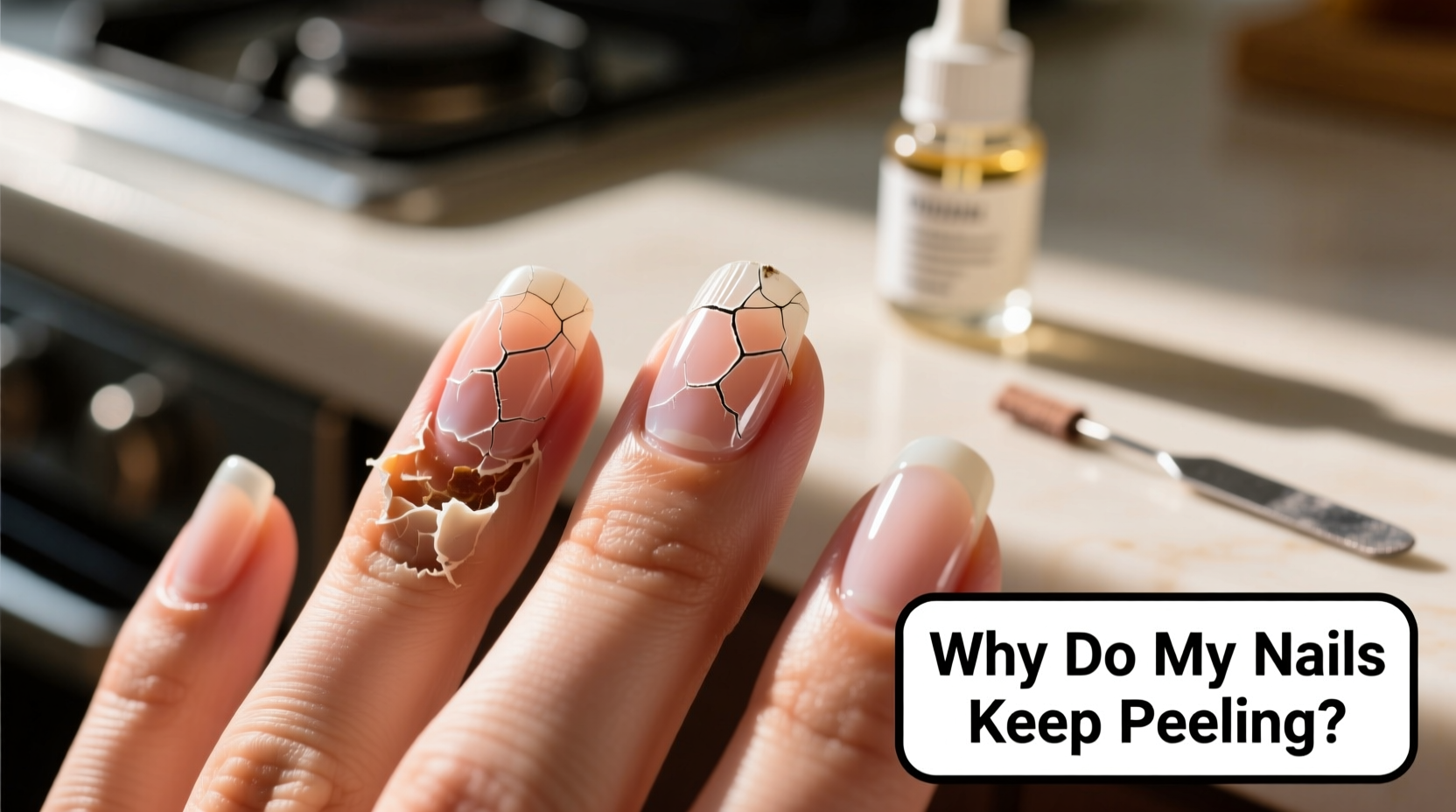
Strengthening nail polishes are marketed as solutions for soft, peeling, or breaking nails. They often contain ingredients like formaldehyde resins, calcium, keratin, or biotin, promising to fortify weak nails. But here’s the reality: most of these products create a rigid coating rather than improving nail integrity.
When nails become too hard from repeated use of such polishes, they lose flexibility—the very quality that prevents peeling and splitting. Think of it like dried leather: stiff, but prone to cracking under pressure. Over time, this artificial hardening can lead to layer separation, especially when combined with moisture exposure or mechanical stress (like typing or dishwashing).
Underlying Causes of Peeling Nails (Even With Strengthening Polish)
Peeling nails are rarely just a surface issue. The problem usually stems from deeper factors that no top coat can fix. Below are the most common culprits behind persistent peeling—even among regular users of strengthening formulas.
1. Dehydration and Moisture Imbalance
Nails need a balance of moisture and protein. Too much water exposure—such as frequent handwashing, dishwashing, or swimming—causes nails to swell and contract repeatedly. This weakens the layers, leading to delamination (peeling). On the flip side, dry environments or lack of cuticle oil can leave nails brittle.
2. Nutritional Deficiencies
Your nails reflect your overall health. Deficiencies in key nutrients like biotin, iron, zinc, vitamin C, and essential fatty acids directly impact nail strength and texture. Biotin deficiency, in particular, is linked to brittle nails. Even with topical treatments, poor nutrition undermines any progress.
3. Harsh Chemical Exposure
Acetone-based removers, strong detergents, and even certain strengthening polishes contain chemicals that strip natural oils from the nail plate and surrounding skin. Repeated exposure degrades keratin structure, making nails fragile and prone to peeling at the tips or sides.
4. Mechanical Trauma
Everyday activities—typing, opening cans, scratching surfaces—create micro-traumas that compromise nail integrity. If your nails are already weakened by dehydration or malnutrition, these small stresses accumulate into visible damage. Using nails as tools accelerates peeling regardless of polish use.
5. Underlying Health Conditions
Chronic peeling can signal medical issues such as thyroid disorders, anemia, psoriasis, or fungal infections. These conditions alter nail growth and texture. If peeling persists despite lifestyle changes, a dermatological evaluation may be necessary.
“Topical treatments won’t correct systemic deficiencies. For true nail repair, we look at diet, hydration, and overall health—not just what’s applied to the surface.” — Dr. Lena Torres, Board-Certified Dermatologist
What Actually Works: A Real Fix for Peeling Nails
Ditching the misleading promise of miracle polishes doesn’t mean giving up on stronger nails. Real improvement comes from consistent, holistic care. Here’s a science-backed approach that addresses both external and internal factors.
Step-by-Step Guide to Repair Peeling Nails
- Stop Using Harsh Polishes and Removers
Switch to acetone-free nail polish remover. Discontinue hardening polishes for at least four weeks to allow natural recovery. - Moisturize Daily
Apply cuticle oil (jojoba, almond, or vitamin E) twice daily. Massage into the nail bed and surrounding skin to improve circulation and hydration. - Wear Gloves During Wet Work
Always wear cotton-lined gloves when washing dishes, cleaning, or swimming. Limit prolonged water exposure to prevent swelling and weakening. - File Gently and Shape Properly
Use a glass or fine-grit file. File in one direction only—back-and-forth sawing creates micro-tears. Keep nails short and rounded to reduce leverage and breakage. - Hydrate from Within
Drink plenty of water and consume foods rich in protein, omega-3s, and vitamins. Consider supplementation after consulting a healthcare provider. - Avoid Nail Biting or Picking
These habits expose delicate layers underneath and delay healing. Use bitter-tasting polish or fidget tools if needed. - Give Nails a Break
Go polish-free for several weeks. Allow nails to breathe and regenerate without chemical coatings.
Tips for Long-Term Nail Strength
Do’s and Don’ts: Nail Care Comparison Table
| Do | Don’t |
|---|---|
| Use acetone-free remover | Soak nails in acetone regularly |
| Wear gloves during chores | Leave hands unprotected in water |
| Massage with cuticle oil daily | Push back cuticles aggressively |
| Eat protein-rich meals | Skip meals or follow restrictive diets |
| File gently in one direction | Use metal tools to scrape under nails |
Real-Life Example: Sarah’s Nail Recovery Journey
Sarah, a 34-year-old office manager, had struggled with peeling nails for years. She used a popular “nail hardener” religiously but noticed her nails were worse—splitting vertically and peeling in thin layers. Frustrated, she visited a dermatologist who asked about her routine.
She washed her hands frequently due to workplace hygiene rules, used acetone remover weekly, and often skipped meals during busy days. Her diet was low in protein and fats. The doctor advised her to stop the hardening polish, start using cuticle oil, wear gloves at work, and add eggs, nuts, and salmon to her meals.
After eight weeks of consistent care, Sarah noticed her nails stopped peeling. They grew longer and felt more flexible. Blood tests later confirmed mild iron deficiency, which was corrected with supplements. Today, she uses strengthening polish only occasionally and focuses on maintenance.
Essential Checklist for Healthy Nails
- ✅ Switch to acetone-free nail polish remover
- ✅ Apply cuticle oil morning and night
- ✅ Wear gloves when hands are in water for more than 5 minutes
- ✅ Eat at least one protein-rich meal daily (eggs, fish, legumes)
- ✅ File nails with a fine-grit file—never tear or bite
- ✅ Stay hydrated—aim for 8 glasses of water per day
- ✅ Take a break from polish every few weeks
- ✅ Consult a doctor if peeling persists beyond 3 months
Frequently Asked Questions
Can biotin supplements really help peeling nails?
Yes, clinical studies show that biotin supplementation (typically 2.5 mg daily) improves nail thickness and reduces splitting in people with brittle nails. Results usually appear after 6–8 weeks of consistent use. However, consult your doctor before starting, especially if you have thyroid concerns, as biotin can interfere with lab tests.
Is it bad to wear nail polish all the time?
Wearing polish continuously can trap moisture and degrade the nail plate, especially if remover is used frequently. It also makes it harder to notice early signs of infection or nutritional issues. Dermatologists recommend taking a “polish holiday” of at least a week every month to assess nail health and allow natural breathing.
Why do my nails peel in layers?
Layered peeling—also called onychoschizia—is typically caused by repeated wet-dry cycles that weaken the bonds between nail layers. It’s common in people who wash hands often or do frequent dishwashing. Using gloves and moisturizing regularly can significantly reduce this type of damage.
Conclusion: Stronger Nails Start With Better Habits
Strengthening polish might give the illusion of progress, but true nail health comes from consistent care, balanced nutrition, and protecting your nails from avoidable damage. Peeling isn’t a cosmetic flaw—it’s a signal. Listen to it.
You don’t need expensive treatments or viral beauty hacks. What works is simple, sustainable, and within your control: hydrate, protect, nourish, and be patient. Nail regeneration takes time—typically 4 to 6 months for a full fingernail to grow out. Stick with healthy habits, and you’ll see real change.




 浙公网安备
33010002000092号
浙公网安备
33010002000092号 浙B2-20120091-4
Comments
No comments yet. Why don't you start the discussion?