
Peeling nails are more than just a cosmetic annoyance—they can signal underlying imbalances or exposure to damaging environmental factors. While many assume the issue stems solely from poor nutrition or excessive nail polish use, external conditions play a significant role in weakening nail structure. From dry indoor air to chemical exposure and seasonal changes, everyday environments silently degrade nail integrity. Understanding these influences is the first step toward stronger, healthier nails. This guide breaks down the most common environmental triggers and offers practical, sustainable solutions anyone can implement immediately.
How Environmental Factors Affect Nail Health
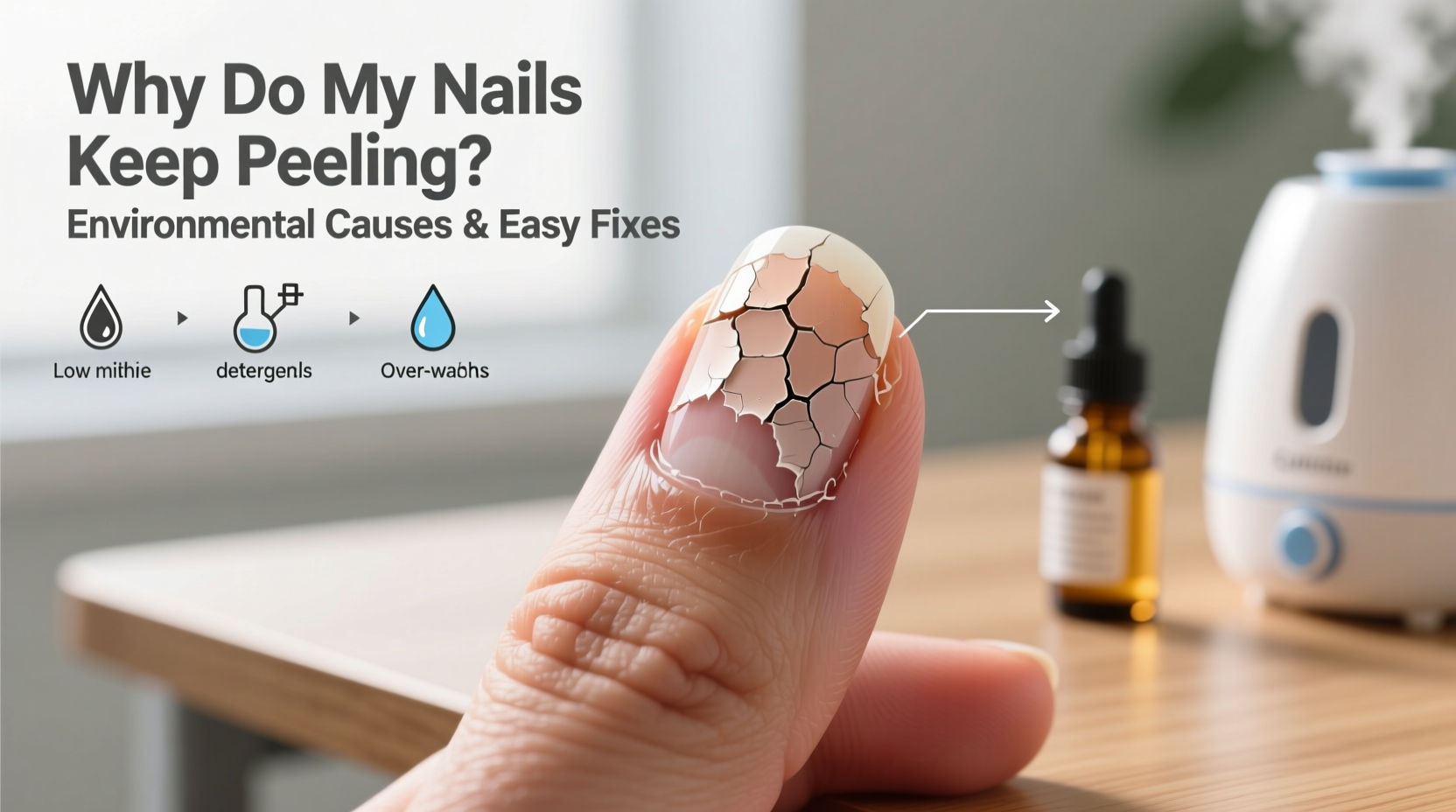
Nails are made of keratin, a tough protein also found in hair and skin. Unlike living tissue, nails don’t regenerate quickly, making them vulnerable to cumulative damage. The environment constantly interacts with the nail plate—exposure to water, chemicals, temperature extremes, and humidity levels all influence hydration, flexibility, and structural resilience.
Repeated wetting and drying cycles, for example, cause the nail layers to expand and contract. Over time, this weakens the bond between layers, leading to delamination—a scientific term for peeling. Similarly, low humidity environments, especially during winter months with indoor heating, strip moisture from both skin and nails, increasing brittleness.
“Nail health reflects not only internal wellness but also daily environmental exposure. Patients often overlook how much their surroundings contribute to peeling and splitting.” — Dr. Lena Torres, Dermatologist & Nail Specialist
The Role of Humidity and Dry Air
Dry air is one of the most underestimated culprits behind peeling nails. In heated homes during winter or air-conditioned spaces in summer, relative humidity can drop below 30%, far below the ideal 40–60% range recommended for skin and nail health. When ambient moisture is low, the nail matrix (the base under the cuticle where new nail cells form) produces drier, weaker nail tissue.
This dehydration leads to micro-cracks that propagate across the nail surface, eventually causing layers to separate. People who live in arid climates or spend long hours in climate-controlled offices frequently report increased nail splitting without obvious lifestyle changes.
Common Environmental Triggers and Their Impact
Several recurring environmental stressors contribute directly to nail peeling. Identifying which ones affect you is key to targeted prevention.
- Frequent hand washing or water exposure: Soaps and prolonged contact with water dissolve natural oils and disrupt the nail’s lipid barrier.
- Household cleaners and solvents: Ingredients like bleach, ammonia, and alcohol dry out nails and corrode keratin layers.
- Cold weather and wind: These conditions increase trans-epidermal water loss, accelerating nail brittleness.
- UV radiation: Sun exposure can weaken nail proteins and fade pigments, especially in gel-polished nails.
- High-altitude environments: Lower oxygen and moisture levels at elevation may impair nail growth and resilience.
Water Exposure: The Double-Edged Sword
While clean hands are essential, over-washing strips protective oils from the nail bed and cuticles. Even brief, repeated exposure—like washing dishes without gloves or sanitizing hands throughout the day—adds up. Water penetrates the nail plate, causing it to swell. Once dried, the nail contracts, creating stress fractures between layers.
A study published in the *Journal of the European Academy of Dermatology* found that individuals who washed their hands more than 15 times per day had a 68% higher incidence of nail peeling compared to those with moderate hygiene routines.
Chemical Exposure: Hidden Damagers in Daily Life
Many common household and personal care products contain ingredients that degrade nail structure over time. Acetone-based nail polish removers are particularly harsh, dissolving not only polish but also essential lipids within the nail. Frequent use leads to thinning, yellowing, and layer separation.
Other offenders include:
- Disinfectants containing ethanol or isopropyl alcohol
- Dish soaps with sulfates and artificial fragrances
- Laundry detergents with optical brighteners and enzymes
- Hand sanitizers with high alcohol content (above 60%)
These substances compromise the nail’s natural defense system, leaving it porous and prone to mechanical trauma. Even “natural” cleaning agents like vinegar or lemon juice, though less toxic, are acidic and can erode keratin with repeated exposure.
Protective Measures Against Chemical Damage
The solution isn’t to avoid cleaning altogether, but to create a protective buffer between your nails and harmful agents.
- Wear cotton-lined rubber gloves when doing dishes, laundry, or using cleaners.
- Lotion up before putting on gloves to create a moisturizing microclimate.
- Switch to acetone-free nail polish removers based on ethyl acetate or plant-derived solvents.
- Limit hand sanitizer use; opt for soap and water when possible.
- Rinse gloves after each use to prevent chemical residue buildup.
Do’s and Don’ts: Managing Nail Health in Harsh Environments
| Do’s | Don’ts |
|---|---|
| Apply a base coat with calcium or hydrolyzed wheat protein before polish | Use metal tools to push back cuticles |
| Keep nails short and filed in one direction to prevent snags | Soak nails excessively in water or remover |
| Moisturize hands and nails 2–3 times daily with shea butter or jojoba oil | Peel off gel polish or scrape away residue |
| Wear gloves in cold weather to prevent windburn and dryness | Expose nails to direct heat sources like hairdryers or stoves |
| Hydrate internally—drink plenty of water and consume omega-3-rich foods | Ignore signs of infection like redness, swelling, or pain |
Step-by-Step Guide to Strengthen Peeling Nails
Reversing nail damage requires consistency and targeted care. Follow this six-week plan to rebuild strength and resilience:
- Week 1: Eliminate Aggressors
Stop using acetone removers, reduce hand washing if excessive, and begin wearing gloves during chores. Take note of any existing cracks or splits. - Week 2: Hydrate Intensively
Apply a urea- or lactic acid-based nail cream twice daily. Soak fingertips in warm olive oil for 10 minutes every other night to improve flexibility. - Week 3: Reinforce Structure
Start using a nail hardener containing dimethicone or acrylate copolymers. Avoid color polish during this phase to allow treatment penetration. - Week 4: Protect and File
Keep nails trimmed to medium length. Use a glass or fine-grit file, shaping edges gently in one direction to prevent fraying. - Week 5: Monitor Progress
Check for reduced peeling and improved smoothness. If improvement is minimal, consider consulting a dermatologist to rule out fungal or psoriatic conditions. - Week 6: Maintain Gains
Resume light polish use with a strengthening base coat. Continue moisturizing and protecting nails during household tasks.
Real-Life Example: Office Worker’s Nail Recovery
Sophie, a 34-year-old administrative assistant in Denver, struggled with chronically peeling nails for years. Her job required frequent computer use, constant hand sanitizing, and handling paper documents—all contributing factors. During winter, her nails would split vertically, sometimes catching on clothing or tearing painfully.
After consulting a dermatologist, Sophie learned her office’s low-humidity environment combined with alcohol-based sanitizers was the primary cause. She implemented small changes: placing a desktop humidifier near her workstation, switching to a non-alcohol hand wipe for midday cleaning, and applying a weekly olive oil soak. Within eight weeks, her nails stopped peeling and began growing out stronger. Today, she maintains her routine as part of her daily self-care practice.
Essential Checklist for Preventing Nail Peeling
Use this checklist to audit your current habits and make immediate improvements:
- ✅ Wear gloves when washing dishes or using cleaners
- ✅ Replace acetone-based removers with gentler alternatives
- ✅ Apply cuticle oil daily, especially after hand washing
- ✅ Use a humidifier in dry indoor environments
- ✅ Keep nails trimmed and smoothly filed
- ✅ Avoid using nails as tools (e.g., opening cans or peeling stickers)
- ✅ Drink at least 2 liters of water daily for internal hydration
- ✅ Incorporate omega-3s (flaxseed, walnuts, salmon) into your diet
- ✅ Reapply moisturizer after swimming or showering
- ✅ Schedule a dermatology check if peeling persists beyond 8 weeks
FAQ: Common Questions About Peeling Nails
Can drinking more water really help peeling nails?
Yes. While nails themselves aren’t living tissue, proper hydration supports healthy nail matrix function and improves the quality of new nail growth. Dehydrated bodies produce drier, more brittle nails. Drinking adequate water—alongside topical moisturizing—creates optimal conditions for strong nail development.
Is it better to leave nails bare or wear polish when they’re peeling?
It depends. Regular nail polish offers minimal protection and may worsen peeling if removed aggressively. However, a strengthening treatment polish with ingredients like calcium, keratin, or hydrolyzed collagen can act as a shield. Avoid gel manicures during recovery, as UV curing and removal scraping add stress. If using polish, always apply a base coat and remove gently with acetone-free remover.
Why do my nails peel only in winter?
Cold air holds less moisture, and indoor heating further reduces humidity. This double-drying effect accelerates nail dehydration. Additionally, people tend to wash hands more frequently in colder months to prevent illness, compounding the problem. Using gloves outdoors and maintaining indoor humidity above 40% can significantly reduce seasonal peeling.
Final Thoughts: Small Changes, Lasting Results
Peeling nails are rarely a sign of serious illness but often reflect daily environmental wear and tear. By adjusting habits related to moisture, chemical exposure, and physical protection, most people see noticeable improvement within weeks. The key is consistency—not perfection. You don’t need expensive treatments or drastic lifestyle shifts. Simple actions like wearing gloves, hydrating regularly, and choosing gentler products create lasting change.
Your nails grow slowly—about 3 millimeters per month—so patience is essential. Focus on building sustainable routines rather than quick fixes. Over time, stronger, smoother nails will emerge as a natural result of mindful care.




 浙公网安备
33010002000092号
浙公网安备
33010002000092号 浙B2-20120091-4
Comments
No comments yet. Why don't you start the discussion?