
Nails that peel, split, or flake—even when protected by polish—can be frustrating and misleading. Many assume a fresh coat of nail polish acts as a shield, but if the underlying nail structure is weak or compromised, no amount of lacquer can fix the root issue. Peeling nails are often a sign of deeper imbalances, including nutritional deficiencies, improper hydration, chemical exposure, or poor nail care habits. Understanding the causes and adopting science-backed strategies can transform brittle, peeling nails into strong, resilient ones.
The Hidden Causes Behind Peeling Nails
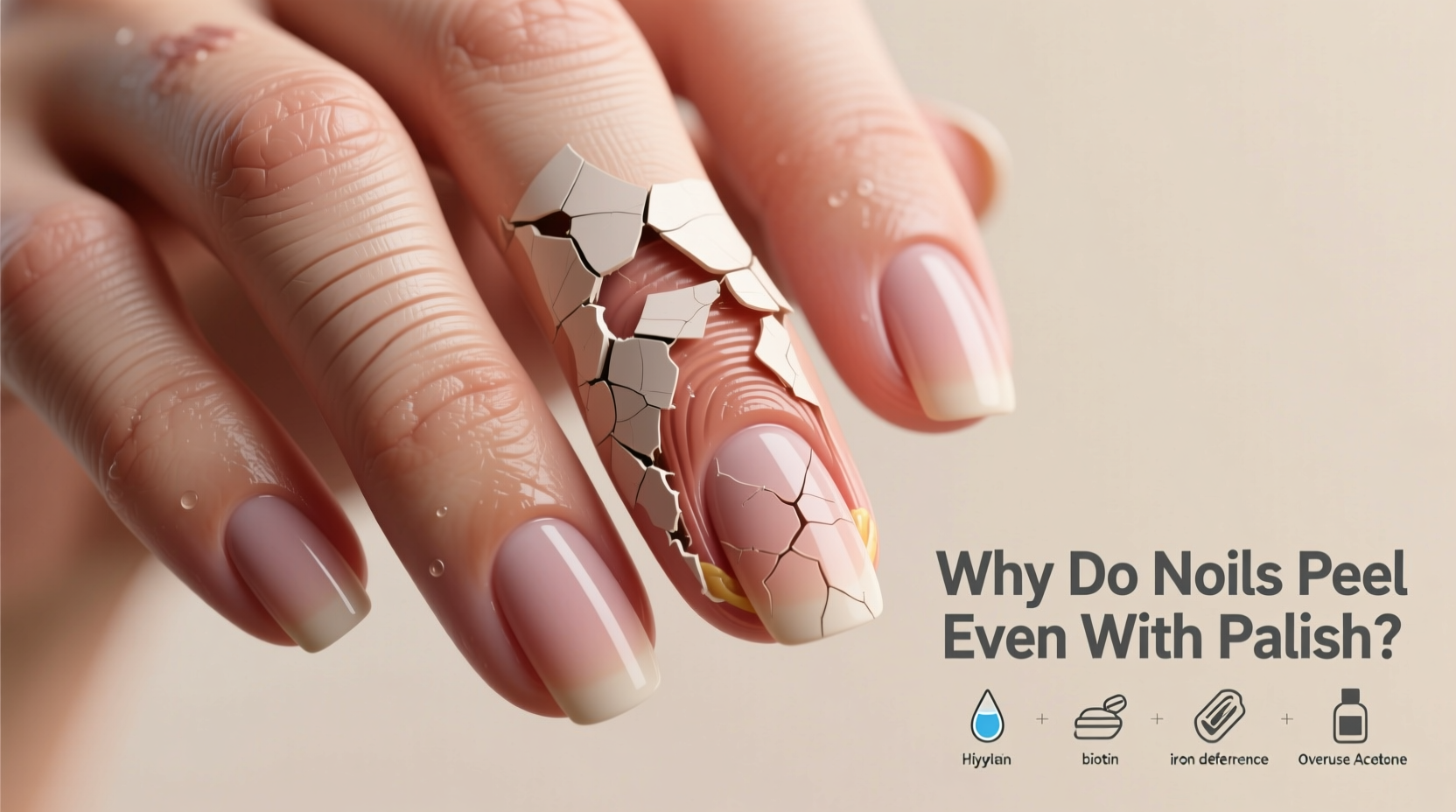
Peeling nails aren’t just a cosmetic nuisance—they’re frequently a reflection of internal health and external stressors. While nail polish might seem like protection, it can sometimes trap moisture or cause further damage if applied over already weakened nails. The layers of the nail plate (onychocytes) separate when exposed to repeated wet-dry cycles, harsh chemicals, or nutrient deficits. This delamination leads to visible peeling, especially at the tips or sides.
Common culprits include:
- Frequent hand washing or water exposure: Constant soaking softens the nail, making it prone to splitting when it dries.
- Acetone-based removers: These strip natural oils and dehydrate the nail bed.
- Poor diet: Deficiencies in protein, biotin, iron, or omega-3s weaken keratin structure.
- Underlying health conditions: Thyroid disorders, psoriasis, or fungal infections can manifest through nail changes.
- Over-filing or aggressive manicures: Thinning the nail surface increases fragility.
“Nail health is a mirror of systemic wellness. When peeling persists despite topical care, it’s time to look inward.” — Dr. Lena Patel, Dermatologist & Nail Health Specialist
Nutrition: Building Stronger Nails from Within
Your nails are made primarily of keratin, a structural protein. Just like hair and skin, they rely on consistent nourishment to grow strong and resist damage. Even with meticulous external care, without proper nutrients, nails remain vulnerable to peeling.
Key Nutrients for Nail Integrity
| Nutrient | Role in Nail Health | Dietary Sources |
|---|---|---|
| Biotin (Vitamin B7) | Supports keratin production and improves thickness | Eggs, nuts, sweet potatoes, salmon |
| Iron | Prevents brittleness and ridges linked to deficiency | Spinach, lentils, red meat, fortified cereals |
| Omega-3 Fatty Acids | Hydrates nail beds and reduces inflammation | Flaxseeds, chia seeds, walnuts, fatty fish |
| Vitamin C | Aids collagen formation and iron absorption | Oranges, bell peppers, broccoli, strawberries |
| Zinc | Essential for cell growth and repair | Pumpkin seeds, chickpeas, shellfish, beef |
| Protein | Primary building block of keratin | Chicken, tofu, Greek yogurt, quinoa |
A 2017 study published in *Skin Appendage Disorders* found that participants taking 2.5 mg of biotin daily experienced a 25% increase in nail thickness and reduced splitting after six months. While supplements can help, whole-food sources offer co-factors that enhance absorption and utilization.
Smart Nail Care Practices That Prevent Peeling
External care is just as critical as internal nutrition. Even healthy nails can deteriorate under poor handling. The goal is to minimize mechanical stress and maintain optimal moisture balance.
Do’s and Don’ts of Nail Maintenance
| Do’s | Don’ts |
|---|---|
| Use a glass or crystal nail file (gentler than metal) | Use metal files aggressively back-and-forth |
| Moisturize cuticles and nails daily with oil (jojoba, almond) | Push or cut cuticles aggressively |
| Wear gloves when cleaning or doing dishes | Soak hands in hot water for long periods |
| Apply a base coat before polish to protect the nail | Peel off polish—it rips off top nail layers |
| Take breaks between polish applications (3–5 days) | Keep polish on for weeks without removal |
When removing polish, opt for an acetone-free remover containing glycerin or vitamin E. Soak a cotton pad, hold it on the nail for 10 seconds, then gently wipe—never scrub. Peeling or scraping polish is one of the most damaging habits, as it strips the delicate surface layers.
Step-by-Step: A 4-Week Nail Recovery Plan
If your nails are currently peeling, follow this structured plan to restore strength and resilience. Consistency is key—nails grow slowly, about 3 mm per month, so visible improvements may take several weeks.
- Week 1: Strip and Reset
- Remove all existing polish using a gentle, acetone-free remover.
- Cut nails short and file into a rounded shape to reduce snagging.
- Begin applying cuticle oil twice daily (morning and night).
- Week 2: Hydrate and Protect
- Wear cotton-lined rubber gloves during household chores.
- Apply a hydrating hand cream after every hand wash.
- Start a biotin supplement (2.5–5 mg/day) if not contraindicated.
- Week 3: Strengthen Gently
- Apply a nail hardener or ridge filler with calcium or hydrolyzed wheat protein.
- Avoid gel or acrylic enhancements—these can thin the nail over time.
- Continue moisturizing and protecting from trauma.
- Week 4: Assess and Maintain
- Evaluate nail texture—peeling should begin to reduce.
- If progress is slow, consider blood testing for iron, ferritin, or thyroid function.
- Reintroduce polish only with a protective base coat.
Real-Life Example: Maria’s Nail Transformation
Maria, a 34-year-old nurse, struggled with peeling nails for years. Despite weekly manicures and gel polish, her nails would split and lift by day five. She assumed the polish was the issue and stopped using it entirely—but the peeling continued. After consulting a dermatologist, she discovered low ferritin levels (indicating iron deficiency), likely due to heavy menstrual cycles and a plant-heavy diet lacking in heme iron.
She began taking an iron supplement under medical supervision, added lean red meat twice a week, and started wearing gloves during shifts. She also switched to a silk-infused base coat and applied jojoba oil nightly. Within eight weeks, her nails grew longer without peeling. “I finally understand that my nails were telling me something was off,” she said. “Now I treat them like part of my health routine—not just decoration.”
FAQ: Common Questions About Peeling Nails
Can nail polish cause peeling even if I use a base coat?
Yes, especially if you wear polish continuously without breaks. Even with a base coat, prolonged exposure to solvents and lack of airflow can dehydrate the nail. It’s best to let nails breathe for a few days between applications.
Is it bad to peel off nail polish?
Yes—peeling off polish removes layers of the nail plate along with the color. This weakens the nail and increases peeling and splitting. Always use a remover and gently wipe the polish away.
How long does it take to see improvement in nail health?
Most people notice subtle changes within 4–6 weeks, but full improvement can take 3–6 months, as new nail growth replaces damaged sections. Patience and consistency are crucial.
Final Checklist: Your Action Plan for Healthy Nails
- ✔️ Get blood work to check for iron, biotin, zinc, and thyroid levels if peeling persists
- ✔️ Eat a balanced diet rich in protein, healthy fats, and colorful vegetables
- ✔️ Use acetone-free polish remover and never peel off polish
- ✔️ Wear gloves when hands are exposed to water or cleaners
- ✔️ Apply cuticle oil daily and massage into the nail bed
- ✔️ File nails in one direction with a fine-grit file
- ✔️ Take a break from polish every few weeks
- ✔️ Consider a biotin or multivitamin supplement after consulting a doctor
“Healthy nails aren’t built overnight. They’re the result of daily choices—what you eat, how you clean, and how gently you treat them.” — Dr. Rachel Kim, Integrative Dermatology Consultant
Conclusion: Strong Nails Start with Smart Habits
Peeling nails, even under polish, are not inevitable. They signal that your nails need more than surface-level fixes—they require holistic attention. By addressing nutritional gaps, refining your nail care routine, and protecting your hands from environmental stressors, you create the foundation for durable, attractive nails. This isn’t about perfection; it’s about sustainable practices that support long-term health. Start today with one small change—whether it’s swapping out acetone, adding eggs to your breakfast, or massaging in oil before bed. Over time, these actions compound into visible, lasting results.




 浙公网安备
33010002000092号
浙公网安备
33010002000092号 浙B2-20120091-4
Comments
No comments yet. Why don't you start the discussion?