
Nails are more than just a cosmetic concern—they’re a visible indicator of overall health. When they begin to split, peel, or break easily, it’s often the body sending a subtle but clear signal that something is off. While external factors like frequent exposure to water or harsh chemicals play a role, internal imbalances—particularly nutritional deficiencies—are frequently at the root of brittle, splitting nails. Understanding the underlying causes and implementing targeted strategies can transform weak nails into strong, resilient ones.
Common Causes of Splitting Nails
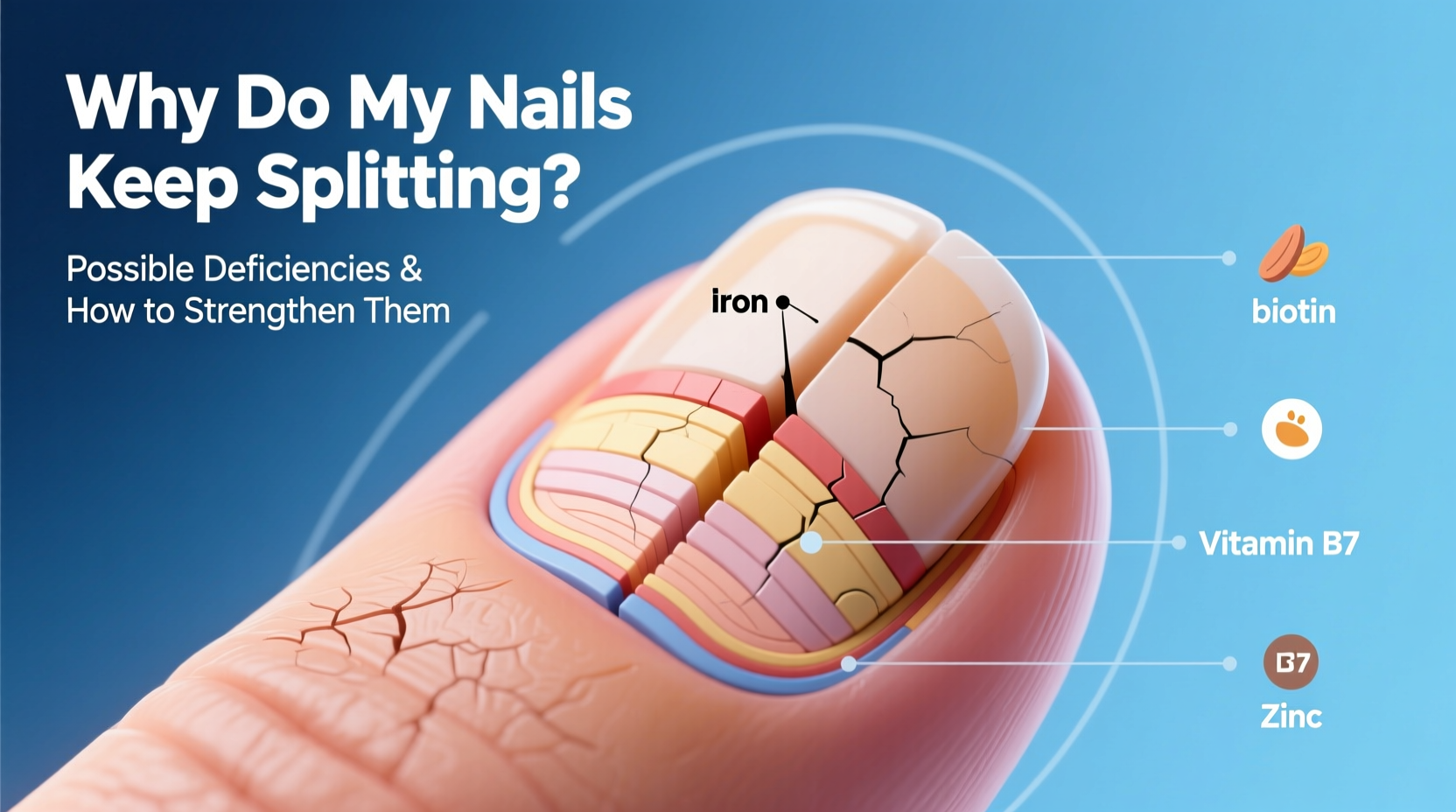
Splintering, peeling, or longitudinal splitting (onychoschizia) most commonly affects the fingernails, especially the dominant hand. While aging naturally thins the nail plate, premature or excessive splitting often points to lifestyle or physiological issues.
- Excessive moisture exposure: Frequent hand washing, dishwashing, or prolonged contact with water softens the nail, making it prone to peeling and delamination.
- Drying environments: Low humidity, especially in winter, dehydrates nails and surrounding skin.
- Chemical exposure: Acetone-based nail polish removers, detergents, and cleaning agents strip natural oils.
- Mechanical stress: Using nails as tools, aggressive filing, or biting weakens structural integrity.
- Aging: Nail growth slows with age, and the matrix produces thinner, more fragile nails.
While these external triggers are significant, persistent splitting despite careful handling often indicates deeper systemic issues—most notably, nutrient deficiencies.
Nutrient Deficiencies Linked to Weak Nails
The nail matrix relies on a steady supply of essential nutrients to produce keratin, the protein that forms the nail structure. When key vitamins and minerals are lacking, the result is often brittle, splitting, or ridged nails.
1. Biotin (Vitamin B7)
Biotin is one of the most well-researched nutrients for nail health. It supports keratin infrastructure and improves nail thickness. A deficiency—though rare—can lead to thin, splitting nails and even hair loss.
“Biotin supplementation has been shown to improve nail strength in up to 90% of individuals with brittle nails after several months of consistent use.” — Dr. Laura Thompson, Dermatologist & Nutritional Skin Specialist
2. Iron
Iron deficiency, particularly when progressing to anemia, is strongly associated with koilonychia (spoon-shaped nails). Even mild deficiency can cause brittleness and vertical ridges. Women of childbearing age are especially vulnerable due to menstrual blood loss.
3. Zinc
Zinc plays a critical role in cell division and protein synthesis, both vital for nail growth. Deficiency may manifest as white spots (leukonychia), slow growth, and increased fragility.
4. Vitamin C
Vitamin C is essential for collagen formation, which supports the nail bed and matrix. Low levels can weaken the nail’s foundation, leading to splitting and poor adhesion.
5. Protein & Amino Acids
Keratin is a protein made from amino acids like cysteine and methionine. Inadequate dietary protein intake—common in restrictive diets—can directly impair nail strength and growth rate.
6. Omega-3 Fatty Acids
These fats support skin and nail hydration. A lack of omega-3s can contribute to dry cuticles and brittle nails, especially in cold climates.
Do’s and Don’ts for Nail Health
| Do’s | Don’ts |
|---|---|
| Keep nails trimmed short to reduce leverage and splitting | Let nails grow too long without support |
| Wear gloves when washing dishes or using cleaners | Immerse hands in water for long periods without protection |
| Use a nourishing cuticle oil daily (jojoba or almond oil) | Push back or cut cuticles aggressively |
| File nails in one direction with a fine-grit file | Use metal files or saw back-and-forth |
| Moisturize hands and nails after washing | Use acetone-based removers regularly |
Step-by-Step Guide to Strengthen Your Nails
Rebuilding nail strength takes time—typically 3 to 6 months, as that’s how long it takes for a new nail to grow from base to tip. Consistency is key.
- Assess Your Diet
Track your food intake for a week. Are you getting enough protein (meat, eggs, legumes), leafy greens (iron), nuts and seeds (zinc, biotin), and fatty fish (omega-3s)? Identify gaps. - Consider Supplementation
If dietary changes aren’t sufficient, consider a high-quality biotin supplement (2.5–5 mg/day). Pair with a balanced multivitamin containing iron, zinc, and B-complex vitamins—especially if you have known deficiencies. - Hydrate Externally
Apply a cuticle oil or thick hand cream twice daily. Look for ingredients like shea butter, ceramides, or hyaluronic acid. Massage into the nail bed to stimulate circulation. - Protect During Chores
Always wear cotton-lined rubber gloves when cleaning, gardening, or doing dishes. This prevents waterlogging and chemical damage. - Limit Polish and Artificial Enhancements
Give your nails a break from polish every few weeks. Avoid acrylics or gels if you’re prone to splitting—they can thin the nail over time. - File Gently and Correctly
Use a glass or fine emery board. Shape nails in one smooth motion from edge to center. Avoid sharp corners, which catch and split. - Monitor Progress
Take monthly photos of your nails. Note changes in thickness, shine, and resistance to breaking. Adjust your routine as needed.
Mini Case Study: Sarah’s Nail Transformation
Sarah, a 34-year-old nurse, struggled with splitting nails for years. Despite wearing gloves at work, her nails would peel within days of polishing. She avoided social events where bare hands were visible. After consulting a dermatologist, blood tests revealed low ferritin (stored iron) and borderline biotin levels.
She began taking a daily iron supplement (with vitamin C for absorption) and 5 mg of biotin. She also switched to a non-acetone remover and started applying jojoba oil nightly. Within three months, her nails grew stronger and no longer split at the tips. By month five, she was able to wear nail polish confidently without chipping or peeling.
Sarah’s case highlights how internal deficiencies can override even diligent external care—and how targeted correction leads to measurable improvement.
Checklist: How to Prevent and Repair Splitting Nails
- ☑ Get a blood test to check iron, ferritin, zinc, and vitamin D levels
- ☑ Increase intake of biotin-rich foods: eggs, almonds, sweet potatoes, salmon
- ☑ Eat 20–30g of protein per meal to support keratin production
- ☑ Wear gloves during wet work or chemical exposure
- ☑ Apply cuticle oil daily, especially before bed
- ☑ Avoid acetone-based nail polish removers
- ☑ File nails in one direction with a 180/240-grit file
- ☑ Take a biotin or nail-support supplement if diet is insufficient
- ☑ Stay hydrated—dry nails often reflect overall dehydration
- ☑ Give nails a polish-free break every 2–3 weeks
Frequently Asked Questions
Can thyroid problems cause splitting nails?
Yes. Both hypothyroidism and hyperthyroidism can affect nail texture and growth. Hypothyroidism often leads to brittle, slow-growing nails with ridges, while hyperthyroidism may cause onycholysis (nail separation). If you have other symptoms like fatigue, weight changes, or hair loss, consult your doctor for thyroid testing.
How long does it take for supplements to improve nail strength?
Most people notice improvements in 6 to 8 weeks, but full results typically appear after 3 to 6 months of consistent use. Nails grow slowly—about 3 mm per month—so patience is essential.
Are gel manicures safe for weak nails?
They can be damaging if not applied or removed properly. The filing process thins the nail, and acetone-soaked wraps used for removal can dehydrate the nail plate. If you choose gel, limit frequency, use a reputable salon, and moisturize aggressively afterward.
When to See a Doctor
Occasional splitting is common, but see a healthcare provider if you experience:
- Pain, swelling, or discoloration around the nail
- Nails separating from the nail bed
- Severe brittleness with no obvious cause
- Vertical or horizontal grooves accompanied by fatigue or hair loss
These may indicate underlying conditions such as psoriasis, fungal infection, lichen planus, or systemic illness. A simple blood panel can identify deficiencies or hormonal imbalances contributing to nail issues.
Conclusion: Strong Nails Start from Within
Splintering nails are rarely just a surface problem. They reflect your body’s internal environment—your nutrition, hydration, and overall wellness. While protective habits like wearing gloves and avoiding harsh chemicals are important, lasting improvement comes from addressing root causes: nutrient gaps, poor diet, or undiagnosed deficiencies.
By combining smart external care with intentional nutrition and, when necessary, targeted supplementation, you can build nails that are not only stronger but also healthier and more resilient. The journey takes a few months, but the results—confident, chip-free nails that withstand daily life—are worth the effort.




 浙公网安备
33010002000092号
浙公网安备
33010002000092号 浙B2-20120091-4
Comments
No comments yet. Why don't you start the discussion?