
Nails that peel—especially in layers or at the tips—are more than just a cosmetic nuisance. They can signal underlying health imbalances, poor habits, or exposure to damaging substances. While occasional peeling may seem minor, constant flaking or splitting often points to deeper issues. The good news: most causes are fixable with targeted care. Drawing on dermatological research and real-world insights from professional nail technicians, this guide breaks down the root reasons behind peeling nails and offers practical, science-backed solutions to restore strength and resilience.
Common Causes of Peeling Nails
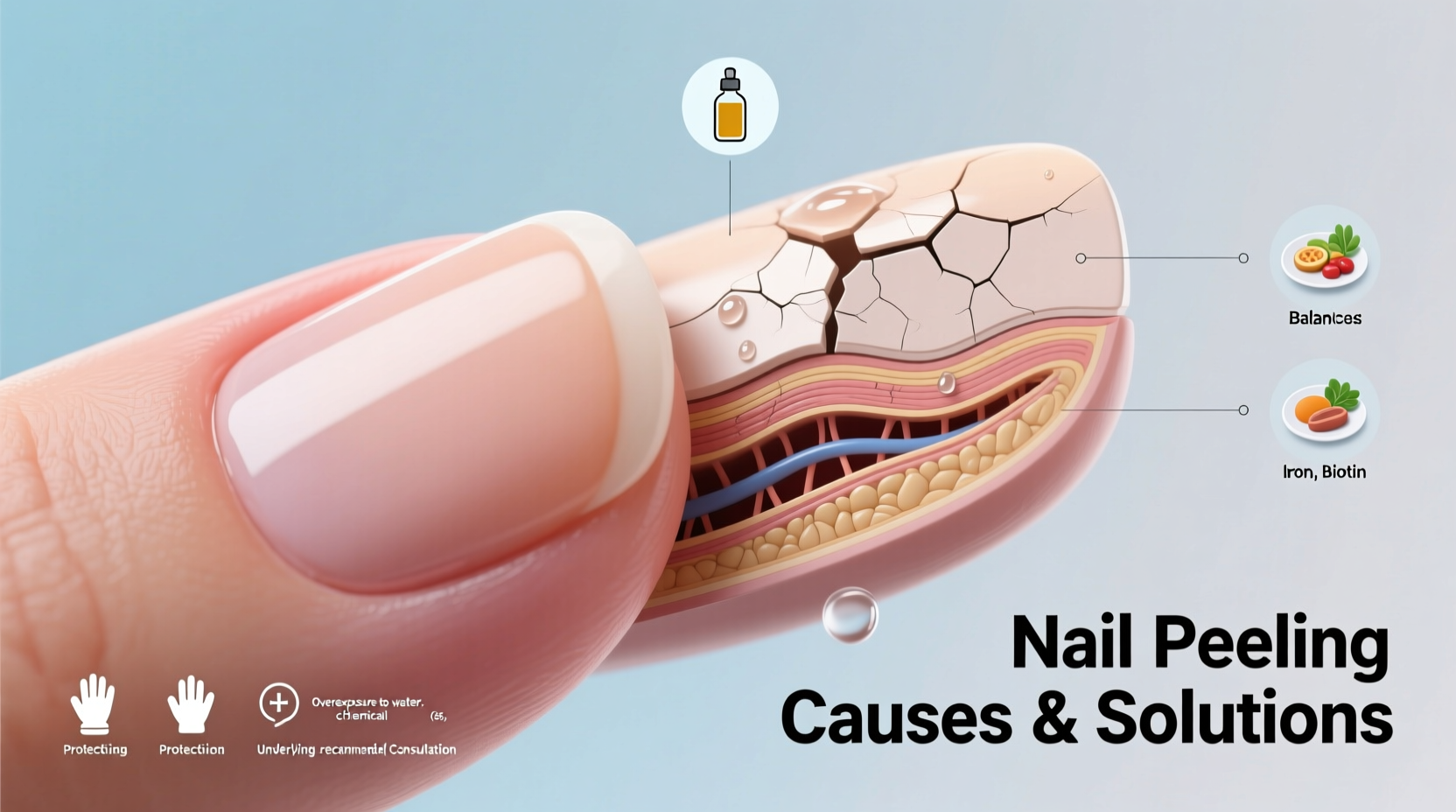
Peeling nails rarely stem from one single factor. Instead, they’re usually the result of cumulative stress—environmental, chemical, or biological. Understanding the primary triggers is the first step toward lasting improvement.
Dryness and Dehydration
The nail plate, like skin, contains keratin and moisture. When exposed repeatedly to water, harsh soaps, or dry air, the nail loses hydration and becomes brittle. Frequent handwashing, dishwashing without gloves, or living in low-humidity climates accelerates this process. As the nail dries out, layers begin to separate—a condition known as onychoschizia.
Chemical Exposure
Acetone-based nail polish removers strip natural oils from both the nail and surrounding cuticle. Daily use weakens the nail matrix over time. Similarly, gel manicures, while durable, involve UV curing and aggressive filing during removal, which thins the nail surface and increases vulnerability to peeling.
Nutritional Deficiencies
The body prioritizes vital organs over hair and nails when nutrients are scarce. Common deficiencies linked to peeling include:
- Biotin (B7): Supports keratin infrastructure; low levels correlate with brittle nails.
- Iron: Iron-deficiency anemia can cause koilonychia (spoon-shaped nails) and increased fragility.
- Zinc: Essential for cell growth and repair; deficiency slows nail regeneration.
- Protein: Nails are made of keratin, a structural protein. Insufficient intake leads to soft, peeling nails.
Mechanical Trauma
Using nails as tools—to open packages, scratch surfaces, or type aggressively—creates micro-tears. These small injuries compromise the nail’s integrity, making it prone to delamination. Even habitual nail-biting or picking at cuticles contributes to long-term damage.
Underlying Health Conditions
Chronic peeling may reflect systemic issues such as thyroid disorders (both hypo- and hyperthyroidism), psoriasis, or fungal infections. Psoriatic nails often show pitting, discoloration, and separation from the nail bed, while fungal infections lead to thickening and crumbling—but early stages can mimic simple peeling.
“Over 60% of clients who come in with peeling nails have been overusing gels or soaking too long in acetone. The nail needs downtime.” — Lila Torres, Master Nail Technician, Los Angeles
What Nail Technicians See Most Often
In salons across the country, technicians report a surge in nail damage linked to at-home manicure trends and misinformation about nail strengthening. Many clients believe that applying “hardening” polishes or wearing artificial nails continuously will improve strength. In reality, these practices often backfire.
The Myth of Nail Hardeners
Many nail hardeners contain formaldehyde or toluene, which temporarily stiffen the nail but make it more brittle over time. These chemicals create a rigid structure that lacks flexibility—like dried wood. When pressure is applied, instead of bending, the nail cracks and peels in layers.
Gel Manicure Overuse
While gel polish offers longevity, repeated applications without recovery periods degrade the nail plate. During removal, improper soaking or scraping damages the top layers. Technicians emphasize that the nail needs “breathing room”—at least a few days between services—to rehydrate and regenerate.
Cuticle Neglect
The cuticle acts as a protective seal, preventing pathogens and irritants from entering the nail matrix. Pushing or cutting it aggressively disrupts this barrier, leading to inflammation and impaired nail growth. Dry, damaged cuticles also pull moisture from the nail bed, contributing to peeling.
| Common Habit | Impact on Nails | Recommended Adjustment |
|---|---|---|
| Daily acetone use | Strips natural oils, causes brittleness | Limited to once weekly; use moisturizing remover |
| Gel manicures every 2 weeks | No recovery time; thinning nail plate | Allow 5–7 days bare-nail recovery between services |
| Using nails as tools | Mechanical trauma, layer separation | Use fingertips or tools instead |
| Skipping base coat | Polish pigments stain and dehydrate | Always apply a hydrating base coat |
Step-by-Step: Rebuilding Nail Strength
Recovery isn’t instant. Damaged nails grow slowly—about 3 mm per month—so patience and consistency are key. Follow this 8-week plan to promote healing from the matrix outward.
- Week 1–2: Stop Aggressive Treatments
Remove all gel polish properly (soaked, not scraped). Avoid acrylics and dip powders. Let nails breathe. - Week 3–4: Hydrate Daily
Apply a cuticle oil (jojoba or vitamin E-based) twice daily. Wear cotton-lined gloves when washing dishes or cleaning. - Week 5–6: Introduce Gentle Polish
Use a breathable, non-toxic nail polish with a nourishing base coat. Limit wear to 7–10 days before removing with acetone-free remover. - Week 7–8: Monitor Progress
Check for smoother texture, reduced peeling, and improved flexibility. If no improvement, consider medical evaluation.
Evidence-Based Solutions That Work
Not all remedies are equally effective. Below are strategies supported by clinical studies and technician experience.
Nutrition First
Biotin supplementation (2.5 mg/day) has been shown in multiple studies to improve nail thickness and reduce splitting in 6–8 weeks. Pair it with a balanced diet rich in eggs, nuts, leafy greens, and lean proteins. Omega-3 fatty acids (from fish or flaxseed) support cell membrane health, indirectly benefiting nail resilience.
Hydration and Barrier Protection
Wear gloves during wet work. Water immersion swells the nail, and repeated swelling-shrinking cycles weaken its structure. Use nitrile-lined gloves for household chores and avoid prolonged exposure to chlorine or detergents.
Proper Filing Technique
File in one direction only—back-and-forth sawing creates micro-fractures. Use a glass or fine-grit buffer (180/240 grit) to shape gently. Round the edges slightly to prevent snagging.
Medical Evaluation When Needed
If peeling persists despite lifestyle changes, consult a dermatologist. Blood tests can identify deficiencies or hormonal imbalances. Topical antifungals or prescription treatments may be necessary if infection is present.
“Healthy nails start from within. I always ask clients about their diet and health history before suggesting products.” — Dr. Naomi Reed, Board-Certified Dermatologist, New York
Mini Case Study: Recovering from Gel Burnout
Sarah, a 32-year-old graphic designer, had worn gel manicures continuously for three years. After switching jobs, she began typing extensively and noticed her nails peeling in layers—sometimes exposing raw nail beds. She visited a nail technician who advised immediate removal and a six-month break from enhancements.
Sarah followed a routine: nightly jojoba oil massages, biotin supplements, and strict glove use during dishwashing. By week 10, new growth appeared stronger and less prone to splitting. At six months, her nails were stable enough for occasional polish—but she now limits gels to special occasions.
Her takeaway: “I thought strong nails meant hard nails. Now I know flexibility and hydration matter more.”
Do’s and Don’ts Checklist
- DO moisturize cuticles daily with oil or cream.
- DO use acetone-free removers for regular polish.
- DO file nails in one direction with a fine buffer.
- DO wear gloves during wet or chemical tasks.
- DO take a multivitamin with biotin, zinc, and iron if deficient.
- DON’T pick or peel layers—trim instead.
- DON’T use nails as tools (e.g., opening bottles).
- DON’T leave gel polish on beyond 3 weeks.
- DON’T skip base coats or overuse nail hardeners.
- DON’T ignore signs of pain, discoloration, or thickening.
Frequently Asked Questions
Can drinking more water help peeling nails?
While systemic hydration supports overall health, drinking water alone won’t fix peeling nails. Topical moisturization and protecting the nail barrier are more impactful. However, chronic dehydration can impair cell function, including nail growth, so maintaining fluid intake is still important.
Are gel manicures permanently damaging?
No—not if used responsibly. Occasional gel manicures with proper application and gentle removal don’t cause permanent damage. Problems arise from frequent, back-to-back applications without recovery time or from improper removal techniques like scraping. Giving your nails 5–7 days of rest between services allows them to recover.
How long does it take for peeling nails to heal?
Visible improvement typically takes 4–8 weeks, depending on the severity and adherence to care routines. Since fingernails grow about 3 mm per month, full renewal from cuticle to tip takes 4–6 months. Consistency is critical—relapsing into old habits can undo progress.
Conclusion: Stronger Nails Start Today
Peeling nails are a common but correctable issue. Whether the cause is environmental, dietary, or habitual, the path to stronger nails lies in consistent, mindful care. Stop harmful practices, prioritize hydration and nutrition, and listen to what your nails are telling you. With time and attention, even severely damaged nails can regain their strength and appearance.
Your hands are one of your most visible features—investing in their health pays off in confidence and comfort. Start tonight: grab a bottle of cuticle oil, put on a pair of gloves, and give your nails the care they’ve been asking for.




 浙公网安备
33010002000092号
浙公网安备
33010002000092号 浙B2-20120091-4
Comments
No comments yet. Why don't you start the discussion?