
Nails are more than just a cosmetic concern—they’re a window into your overall health. When your nails begin peeling, splitting, or flaking without obvious trauma, it’s often a sign that something deeper is at play. While external factors like excessive water exposure or harsh nail products contribute, internal deficiencies frequently lie at the root of fragile nails. Understanding the connection between nutrition and nail integrity can help you address the issue from the inside out.
Understanding Nail Structure and Common Causes of Peeling
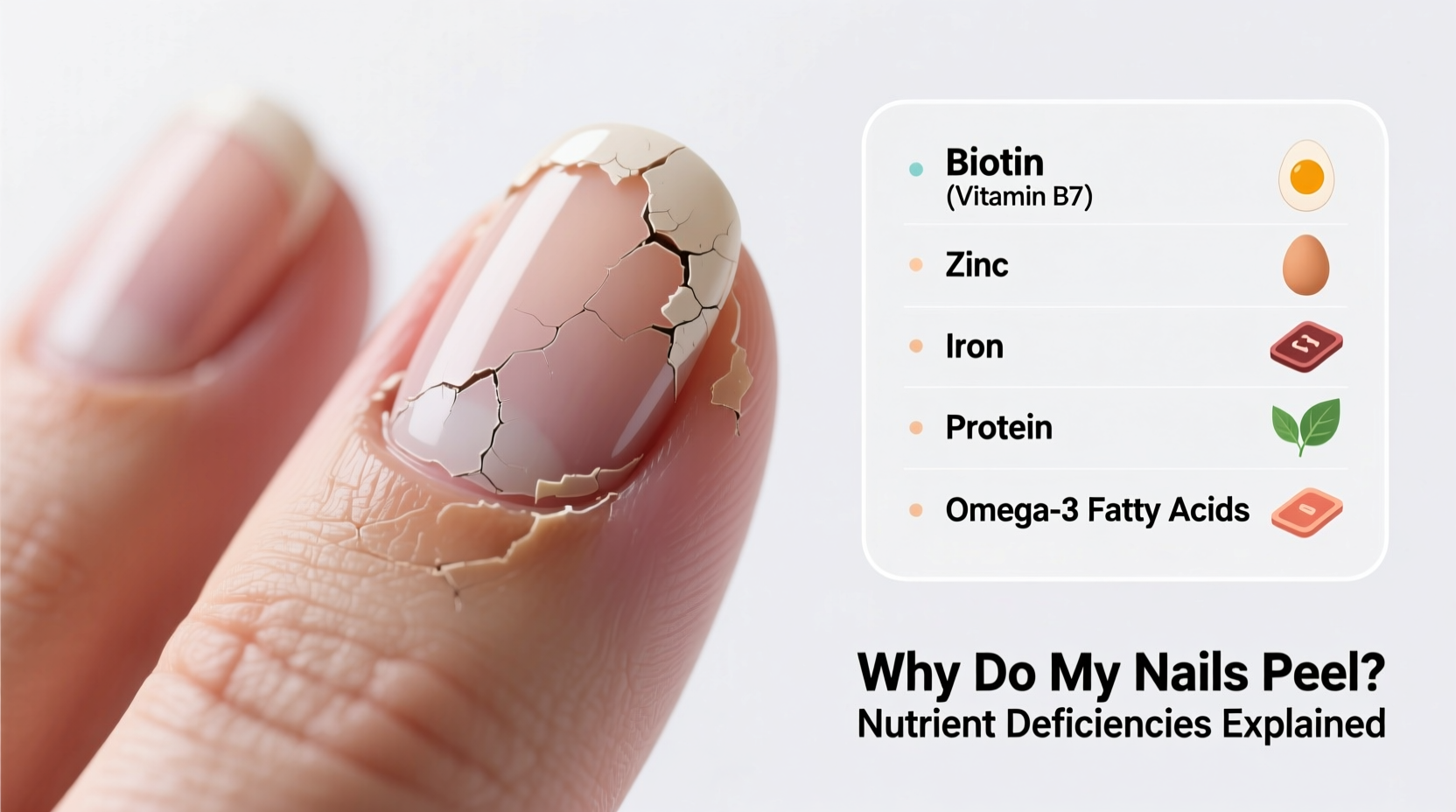
The human nail is made primarily of keratin, a tough structural protein also found in hair and skin. The nail plate grows from the matrix beneath the cuticle and hardens as it extends over the nail bed. Healthy nails are smooth, firm, and resilient. Peeling—where thin layers of the nail separate horizontally—suggests compromised strength and hydration.
Common external causes include:
- Frequent hand washing or prolonged water exposure
- Use of acetone-based nail polish removers
- Overuse of artificial nails or gels
- Exposure to cleaning chemicals without gloves
- Aggressive filing or cuticle trimming
However, even with careful nail care, persistent peeling often signals nutritional shortfalls. The body prioritizes vital organs over non-essential tissues like nails, so deficiencies may first become visible here before affecting other systems.
Key Nutrients Your Body Might Be Missing
Nail health depends on a steady supply of vitamins, minerals, and proteins. When one or more of these are lacking, the keratin matrix weakens, leading to brittleness and peeling. Below are the most critical nutrients linked to strong, resilient nails.
1. Biotin (Vitamin B7)
Biotin is perhaps the most well-known nutrient for nail strength. It plays a key role in keratin production and has been shown in clinical studies to improve nail thickness and reduce splitting. A 2017 review published in *Skin Appendage Disorders* found that biotin supplementation led to a 25% increase in nail thickness in individuals with brittle nails.
“Biotin deficiency, though rare, can manifest as thin, splitting nails. Supplementation can make a noticeable difference in as little as six weeks.” — Dr. Laura Chen, Dermatologist and Nutrition Specialist
2. Iron
Iron deficiency, especially when progressing to anemia, is strongly associated with brittle, spoon-shaped nails (a condition called koilonychia). Even subclinical iron deficiency—where blood counts are normal but stores are low—can impair oxygen delivery to the nail matrix, weakening growth.
Women, vegetarians, and those with heavy menstrual cycles are particularly at risk. Ferritin, the stored form of iron, should ideally be above 50 ng/mL for optimal nail health.
3. Zinc
Zinc supports cell proliferation and protein synthesis, both crucial for nail regeneration. Deficiency can lead to white spots, slow growth, and increased fragility. Vegetarians and people with digestive disorders may absorb less zinc due to phytates in plant foods inhibiting uptake.
4. Protein and Amino Acids
Since nails are made of keratin—a protein—insufficient dietary protein can directly affect their structure. Dieters, older adults, and those on restrictive eating patterns may not consume enough high-quality protein, leading to soft, peeling nails.
5. Omega-3 Fatty Acids
These fats support skin and nail hydration by reinforcing the lipid barrier. Dry, flaky cuticles and brittle nails often improve with increased omega-3 intake from fatty fish, flaxseeds, or supplements.
6. Vitamins A, C, and E
These antioxidants protect nail cells from oxidative stress and support collagen formation. Vitamin C, in particular, aids in iron absorption, creating a synergistic effect for nail health.
7. Magnesium and Calcium
Magnesium regulates calcium transport and enzyme activity involved in nail growth. While calcium is less directly linked than once thought, an imbalance between these two minerals can still impact tissue resilience.
| Nutrient | Role in Nail Health | Dietary Sources | Recommended Daily Intake |
|---|---|---|---|
| Biotin | Strengthens keratin structure | Eggs, nuts, sweet potatoes, salmon | 30 mcg |
| Iron | Supports oxygen delivery to nail bed | Red meat, lentils, spinach, fortified cereals | 18 mg (women), 8 mg (men) |
| Zinc | Promotes cell growth and repair | Oysters, beef, pumpkin seeds, chickpeas | 11 mg (men), 8 mg (women) |
| Omega-3s | Improves moisture retention | Sardines, walnuts, chia seeds, algae oil | 250–500 mg combined EPA/DHA |
| Vitamin C | Aids collagen and iron absorption | Oranges, bell peppers, broccoli, strawberries | 90 mg (men), 75 mg (women) |
Step-by-Step Guide to Strengthening Peeling Nails
If you're struggling with peeling nails, a structured approach combining nutrition, protection, and monitoring can yield results within weeks. Follow this timeline to rebuild nail strength:
- Week 1–2: Assess and Adjust Diet
Track your food intake for three days. Look for gaps in protein, iron-rich foods, and healthy fats. Add one serving of eggs, legumes, or fish daily. Include a handful of nuts or seeds for biotin and zinc. - Week 3–4: Begin Targeted Supplementation (if needed)
Consider a high-quality biotin supplement (2.5–5 mg/day) and a multivitamin with iron and zinc. If fatigue or pale skin accompany nail issues, request a ferritin test from your doctor. - Week 5–6: Protect Nails from External Stress
Limit use of nail polish remover to once a week. Switch to acetone-free formulas. Moisturize hands and cuticles twice daily with a cream containing shea butter or jojoba oil. - Week 7–8: Monitor Progress and Refine
Take photos of your nails weekly. Note changes in thickness, shine, and resistance to peeling. If no improvement, consult a healthcare provider to rule out thyroid issues or fungal infections.
Real-Life Example: Maria’s Journey to Stronger Nails
Maria, a 34-year-old graphic designer, noticed her nails had become increasingly thin and layered over six months. Despite using nail hardeners and avoiding gel manicures, the peeling worsened. She rarely ate meat, relied on salads for lunch, and drank multiple cups of coffee daily—habits that affected iron absorption.
After consulting a nutritionist, Maria discovered her ferritin level was 22 ng/mL (below optimal). She began taking a gentle iron bisglycinate supplement, added lentils and tofu to her meals, and paired vitamin C-rich foods with iron sources. Within ten weeks, her nails grew thicker, stopped peeling, and no longer broke when typing.
Her case highlights how subtle dietary imbalances, even in seemingly healthy individuals, can manifest in nail health.
Checklist: How to Support Nail Health Daily
Use this checklist to build sustainable habits that promote stronger nails:
- ✅ Eat a source of protein at every meal
- ✅ Consume leafy greens or legumes daily for iron
- ✅ Include a handful of nuts or seeds (almonds, sunflower seeds)
- ✅ Limit hand washing with hot water and harsh soaps
- ✅ Apply hand cream after every wash
- ✅ Wear gloves during household chores
- ✅ Avoid using nails as tools (e.g., opening cans)
- ✅ Stay hydrated—dry nails are more prone to peeling
- ✅ Consider a biotin or multivitamin if diet is inconsistent
- ✅ Schedule a blood test if symptoms persist beyond 3 months
Frequently Asked Questions
Can dehydration cause nails to peel?
Yes. Dehydration affects the moisture balance in the nail plate, making it more brittle and prone to layering. Drinking adequate water and using moisturizers help maintain flexibility.
Is it safe to take biotin every day?
For most people, biotin is safe at recommended doses (up to 10 mg/day). However, high levels can interfere with certain lab tests, including thyroid and cardiac markers. Always inform your doctor if you’re taking biotin supplements.
How long does it take for nails to grow out fully?
Fingernails grow about 3 mm per month. It typically takes 6 to 9 months for a fingernail to grow from base to tip. This means improvements from dietary changes may take several months to become visible.
When to See a Doctor
While nutritional deficiencies are common culprits, peeling nails can also signal underlying medical conditions such as:
- Thyroid disorders (both hypo- and hyperthyroidism)
- Fungal infections (often accompanied by discoloration and thickening)
- Psoriasis or lichen planus (skin conditions affecting nails)
- Raynaud’s phenomenon (reduced blood flow to extremities)
If peeling is accompanied by pain, discoloration, swelling, or changes in nail shape, seek evaluation from a dermatologist or primary care provider. Blood tests for iron, ferritin, TSH, zinc, and vitamin D can provide clarity.
“Nail changes are often dismissed, but they can be early indicators of systemic issues. Don’t ignore persistent brittleness—it’s worth investigating.” — Dr. Raj Mehta, Internal Medicine Physician
Conclusion: Take Charge of Your Nail Health
Peeling nails are not just a cosmetic nuisance—they’re a signal from your body that something needs attention. Whether it’s insufficient biotin, low iron stores, or inadequate protein intake, addressing the root cause leads to lasting improvement. Combine smart nutrition with protective habits, and give your body the time it needs to regenerate stronger nails.
Start today: assess your diet, add one nutrient-dense food, and commit to gentle nail care. Small, consistent changes compound into visible results. Share your journey or questions below—your experience could help someone else achieve healthier, more resilient nails.




 浙公网安备
33010002000092号
浙公网安备
33010002000092号 浙B2-20120091-4
Comments
No comments yet. Why don't you start the discussion?