
Nails that peel despite a fresh coat of polish can be frustrating—especially when you've taken care to apply it properly, use a base coat, and avoid chipping triggers. Peeling isn’t just a cosmetic issue; it often signals deeper problems related to hydration, environmental exposure, or internal imbalances like nutrient deficiencies. While external factors such as frequent handwashing, chemical exposure, or improper nail prep play a role, many people overlook the internal contributors. Understanding why your nails peel—even under polish—requires a closer look at both lifestyle habits and nutritional status.
The Science Behind Nail Structure and Peeling
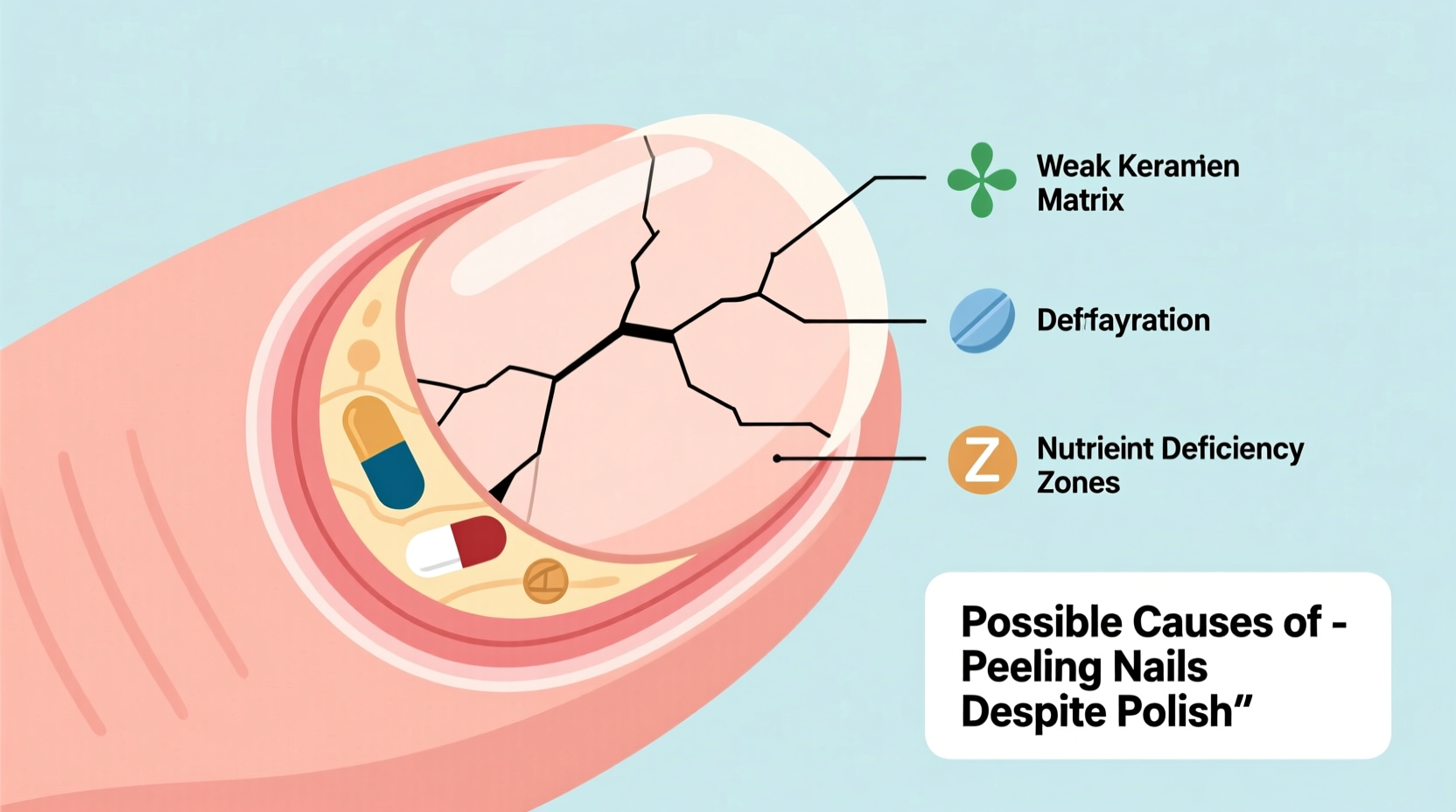
Nails are made primarily of keratin, a tough protein also found in hair and skin. The nail plate consists of multiple layers of dead, compacted cells that grow from the matrix beneath the cuticle. When these layers separate horizontally, the result is peeling or \"lamination.\" Unlike splitting (which occurs vertically), peeling happens between layers and is often worsened by moisture fluctuations.
Polish may temporarily mask peeling, but it doesn't fix the underlying weakness. In fact, the process of applying and removing polish—especially acetone-based removers—can dehydrate nails, making them more prone to layer separation. Even gel polish, while long-lasting, requires UV curing and aggressive buffing, which thins the nail surface and compromises structural integrity over time.
“Nail peeling is rarely just about polish. It’s often a sign of compromised nail matrix function or systemic imbalance.” — Dr. Lena Patel, Dermatologist & Nail Health Specialist
Common External Causes of Peeling Under Polish
Before jumping to conclusions about deficiencies, it's essential to rule out external triggers:
- Frequent water exposure: Hands in water cause nails to swell; drying causes shrinkage. This cycle weakens layer adhesion.
- Harsh nail products: Acetone, strong detergents, and alcohol-based sanitizers strip natural oils.
- Overuse of nail tools: Excessive filing, cuticle cutting, or using nails as tools damages the structure.
- Poor application technique: Skipping base coat, trapping moisture before polish, or applying too thickly can lead to lifting and peeling.
- Low-quality polish: Some polishes contain formaldehyde or toluene, which dry out nails.
Nutrient Deficiencies Linked to Weak, Peeling Nails
If external causes are minimized but peeling persists, it’s time to consider internal factors. Several nutrients are critical for maintaining strong, resilient nails. Deficiencies may not present obvious symptoms elsewhere but can manifest first in the nails due to their rapid growth and high protein turnover.
1. Biotin (Vitamin B7)
Biotin supports keratin production and has been clinically linked to improved nail thickness and reduced brittleness. A 2017 review published in *Skin Appendage Disorders* found that daily biotin supplementation increased nail thickness by up to 25% in individuals with brittle nails.
2. Iron
Iron deficiency, especially when progressing to anemia, often presents with koilonychia (spoon-shaped nails) and increased fragility. Even subclinical iron deficiency—without full-blown anemia—can impair oxygen delivery to nail beds, slowing repair and weakening structure.
3. Zinc
Zinc plays a vital role in cell proliferation and protein synthesis. Low levels are associated with white spots, slow growth, and soft, peeling nails. Vegetarians and those with digestive disorders are particularly at risk.
4. Vitamin A
While excess vitamin A can cause dryness, insufficient intake impairs epithelial tissue health, including nails. Balance is key—deficiency leads to dull, thinning nails prone to splitting.
5. Omega-3 Fatty Acids
These fats support skin and nail hydration. Low intake contributes to dry cuticles and brittle nails that flake and peel easily, especially in cold climates.
6. Protein Deficiency
Keratin is a protein—so without adequate dietary protein, nail growth slows and quality declines. This is common in restrictive diets, elderly populations, or those recovering from illness.
| Nutrient | Role in Nail Health | Signs of Deficiency | Dietary Sources |
|---|---|---|---|
| Biotin (B7) | Supports keratin infrastructure | Thin, splitting, peeling nails | Eggs, nuts, sweet potatoes, salmon |
| Iron | Oxygen transport to nail matrix | Spoon-shaped, pale, brittle nails | Red meat, spinach, lentils, fortified cereals |
| Zinc | Cell regeneration and repair | White spots, slow growth, softness | Oysters, pumpkin seeds, beef, chickpeas |
| Omega-3s | Moisture retention and flexibility | Dry, flaky cuticles, peeling | Fatty fish, flaxseeds, walnuts, chia seeds |
| Protein | Building block of keratin | Soft, thin, slow-growing nails | Chicken, tofu, Greek yogurt, beans, quinoa |
Mini Case Study: Sarah’s Persistent Peeling Problem
Sarah, a 32-year-old graphic designer, noticed her nails peeling within days of applying polish—despite using high-end brands and avoiding water-heavy tasks. She visited a dermatologist who ruled out fungal infection and contact dermatitis. Blood work revealed low ferritin (a marker of iron stores) and borderline zinc levels. Sarah followed a diet rich in lean meats, leafy greens, and pumpkin seeds, and began taking a gentle iron supplement under medical supervision. Within eight weeks, her nails grew stronger, with significantly less peeling—even after weekly polish changes. Her experience highlights how internal balance directly impacts external appearance.
Step-by-Step Guide to Diagnose and Address Peeling Nails
If your nails continue to peel despite polish, follow this practical timeline to identify and resolve the root cause:
- Week 1–2: Audit Your Nail Routine
- Eliminate acetone-based removers.
- Wear gloves during cleaning or dishwashing.
- Apply a hydrating cuticle oil twice daily.
- Avoid gel polish or extensions for 4 weeks.
- Week 3: Evaluate Diet and Lifestyle
- Track protein, iron-rich foods, and healthy fats in your meals.
- Assess stress levels and sleep quality—both affect nutrient absorption.
- Consider recent illnesses, surgeries, or heavy periods (linked to iron loss).
- Week 4: Consult a Healthcare Provider
- Request blood tests: CBC, ferritin, zinc, vitamin D, and B12.
- Discuss any medications that may affect nutrient levels (e.g., PPIs, birth control).
- Week 5+: Begin Targeted Support
- Start supplementation only if deficient and under guidance.
- Incorporate biotin-rich foods or supplements (2.5–5 mg/day if recommended).
- Reintroduce polish gradually, using breathable, toxin-free formulas.
Do’s and Don’ts for Healthy, Strong Nails
| Do | Don’t |
|---|---|
| Use a base coat with moisturizing ingredients like calcium or keratin | Apply polish to wet or damp nails |
| Hydrate cuticles daily with jojoba or almond oil | Peel off polish—always use a remover |
| Eat a balanced diet with adequate protein and healthy fats | Ignore signs of fatigue or paleness (possible iron deficiency) |
| Keep nails short and filed in one direction | Use nails to open packages or scrape surfaces |
| Take breaks from polish every few weeks | Over-buff nails to “shine” them—this thins the plate |
FAQ: Common Questions About Peeling Nails
Can multivitamins help stop nail peeling?
Yes, if the peeling is caused by a deficiency. However, not all multivitamins contain therapeutic doses of key nutrients like biotin or iron. Look for formulations specifically designed for hair, skin, and nails, and confirm with blood work before relying on supplements.
Is it normal for nails to peel after removing gel polish?
Some thinning and dehydration are common after gel removal, especially if excessive filing was used. But persistent peeling beyond a week suggests underlying weakness or damage. Allow nails to breathe for at least two weeks between gel applications.
How long does it take for nails to recover from nutrient deficiencies?
Nails grow slowly—about 3 mm per month. It typically takes 3 to 6 months to see noticeable improvement after correcting a deficiency. Patience and consistency are crucial.
Expert Insight: The Internal-Nail Connection
“The condition of your nails is a window into your overall health. Chronic peeling, even with protective polish, should prompt a conversation about nutrition, thyroid function, and gut health.” — Dr. Rebecca Torres, Integrative Dermatology Consultant
This perspective underscores that nail care extends beyond topicals. Functional medicine practitioners often find that patients with recurring nail issues also have digestive imbalances affecting nutrient absorption—such as low stomach acid or intestinal permeability.
Checklist: What to Do Next
- ✔️ Stop using acetone-based removers
- ✔️ Wear cotton-lined gloves when washing dishes
- ✔️ Apply cuticle oil morning and night
- ✔️ Eat at least 20g of protein per meal
- ✔️ Schedule a blood panel to check iron, zinc, and B vitamins
- ✔️ Eliminate gel polish for 4–6 weeks to allow recovery
- ✔️ Take photos of your nails monthly to monitor changes
Conclusion
Peeling nails—even under polish—are not something to ignore or simply cover up. They’re a signal. Whether due to harsh chemicals, repeated moisture exposure, or hidden nutrient gaps, the solution lies in a holistic approach that combines smart nail care with internal nourishment. You don’t need perfect nails overnight, but consistent attention to both external protection and internal health will yield stronger, more resilient results over time. Start with one change—swap your remover, add a serving of protein, or book that blood test. Small steps today build the foundation for healthier nails tomorrow.




 浙公网安备
33010002000092号
浙公网安备
33010002000092号 浙B2-20120091-4
Comments
No comments yet. Why don't you start the discussion?