
Nails are more than just a canvas for polish—they’re windows into your overall health. When they begin peeling vertically, splitting from the free edge upward in thin layers, it’s easy to jump to conclusions. Is it a lack of vitamins? Too much handwashing? Or something deeper at play? While vertical peeling is often dismissed as cosmetic, it can signal underlying imbalances or chronic exposure to damaging habits. Understanding the root cause—whether nutritional or environmental—is essential for long-term nail resilience.
This condition differs from horizontal splitting or crumbling, which may point to trauma or fungal infection. Vertical peeling, also known as onychoschizia, typically involves the separation of nail layers along the length of the nail plate. It's common among people who frequently expose their hands to water, chemicals, or mechanical stress. But when lifestyle factors are ruled out, internal deficiencies may be the culprit. Sorting fact from myth requires a closer look at both biology and behavior.
Understanding Vertical Nail Peeling: Anatomy and Causes
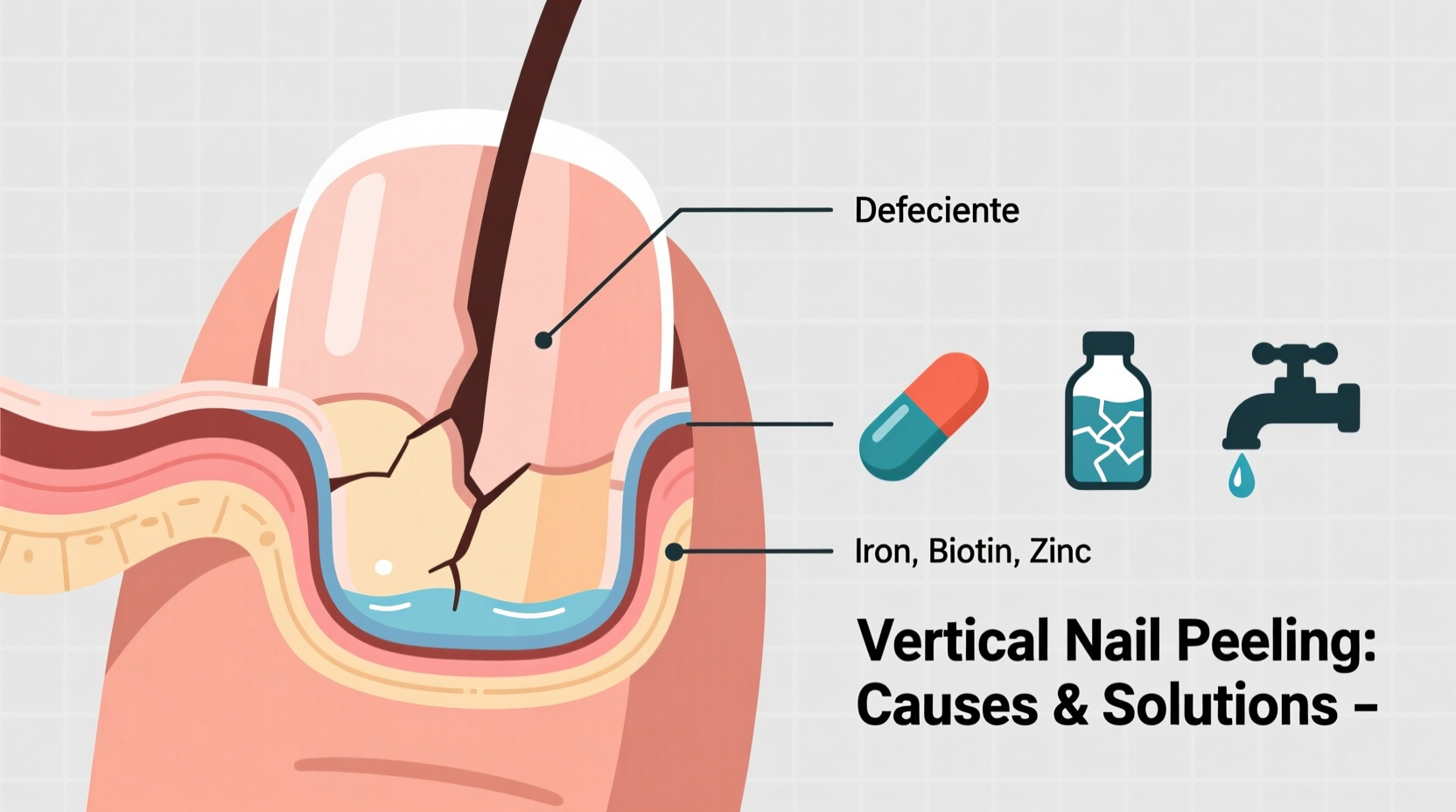
The human nail is composed of tightly packed keratinocytes—cells rich in the protein keratin. These cells form layers that grow forward from the nail matrix beneath the cuticle. A healthy nail remains intact because these layers adhere strongly to one another. When peeling occurs vertically, it means the intercellular bonds are weakening, allowing sheets of the nail to lift and separate.
There are two primary categories of causes: external (environmental) and internal (nutritional or systemic). External damage builds up over time through repeated exposure to irritants, while nutrient deficiencies impair the body’s ability to produce strong, cohesive nail tissue.
External triggers include:
- Frequent immersion in water (e.g., dishwashing, swimming)
- Use of harsh soaps, detergents, or cleaning agents
- Overuse of nail polish removers containing acetone
- Aggressive manicuring, cuticle trimming, or filing
- Wearing artificial nails or gel overlays too frequently
Internally, deficiencies in key nutrients compromise nail integrity at the cellular level. The body prioritizes vital organs over hair and nails during shortages, making them early indicators of suboptimal nutrition.
Nutrient Deficiencies Linked to Nail Peeling
While many blame \"weak nails\" on general poor health, specific micronutrient gaps have been clinically associated with brittle, peeling nails. Identifying these can guide targeted dietary or supplemental interventions.
Iron Deficiency
One of the most well-documented links is between iron deficiency and nail abnormalities. In severe cases, koilonychia (spoon-shaped nails) develops, but milder deficiency often presents as thinning, ridged, or vertically peeling nails. Iron is essential for oxygen transport and energy production in rapidly dividing cells like those in the nail matrix.
“Up to 50% of women with unexplained brittle nails show biochemical signs of iron deficiency, even without anemia.” — Dr. Laura Chen, Dermatologist & Nutritional Skin Specialist
Biotin (Vitamin B7)
Biotin plays a critical role in keratin infrastructure. Multiple studies have shown supplementation improves nail thickness and reduces splitting. A 2017 review published in *Skin Appendage Disorders* found that daily biotin intake increased nail plate thickness by 25% in participants with brittle nails after six months.
Protein and Amino Acids
Nails are primarily made of protein. Insufficient dietary protein—or incomplete amino acid profiles—can hinder nail growth and cohesion. L-cysteine, an amino acid abundant in keratin, supports disulfide bond formation, which strengthens the nail structure.
Zinc and Other Trace Minerals
Zinc aids cell proliferation and wound healing. Deficiency may manifest as white spots, slow growth, or fragile nails prone to peeling. Magnesium and selenium also contribute to antioxidant defense in nail tissues, protecting against oxidative stress.
Vitamin C and Collagen Support
Though not a direct component of nails, vitamin C supports connective tissue health and iron absorption. Low levels can indirectly weaken nail beds and delay repair.
| Nutrient | Role in Nail Health | Dietary Sources |
|---|---|---|
| Iron | Supports cell division in nail matrix | Red meat, lentils, spinach, fortified cereals |
| Biotin | Enhances keratin production | Eggs, almonds, sweet potatoes, salmon |
| Protein | Building block of nail structure | Chicken, fish, tofu, Greek yogurt, quinoa |
| Zinc | Promotes tissue regeneration | Oysters, pumpkin seeds, beef, chickpeas |
| Vitamin C | Boosts collagen and iron uptake | Oranges, bell peppers, broccoli, strawberries |
External Damage: The Silent Culprit Behind Peeling Nails
Even with perfect nutrition, nails can still peel if subjected to relentless environmental stress. Unlike skin, nails cannot regenerate moisture once damaged—they rely on continuous protection.
Common patterns of external damage include:
- Wet-dry cycles: Repeated soaking followed by drying causes nails to swell and contract, weakening layer adhesion.
- Chemical exposure: Acetone-based removers strip natural oils; household cleaners degrade keratin.
- Mechanical trauma: Typing, nail biting, or using nails as tools creates microfractures that propagate into splits.
- Low humidity: Dry air, especially in winter or air-conditioned environments, dehydrates nails.
A telling sign of external origin is asymmetry—peeling affects only certain fingers, usually the ones most used in daily chores. For example, the thumb and index finger of your dominant hand may show worse peeling due to frequent contact with water or keyboards.
Mini Case Study: Sarah, 34, Office Worker and Part-Time Barista
Sarah noticed her thumbnails and pointer fingers began peeling vertically after starting a weekend job at a local café. She washed espresso cups constantly and wore gloves inconsistently. Despite taking a multivitamin and eating a balanced diet, her nails worsened over three months. A dermatologist ruled out fungal infection and nutrient deficiency via blood tests. The diagnosis: chronic wet work without protection. After switching to non-acetone polish remover, wearing cotton-lined gloves during shifts, and applying almond oil nightly, her nails improved within eight weeks. This case illustrates how powerful external factors can override good internal health.
How to Determine the Real Cause: A Practical Checklist
Pinpointing whether your peeling nails stem from deficiency or damage requires observation and elimination. Use this checklist to assess your situation:
- Track your habits: Note frequency of handwashing, use of gloves, and exposure to chemicals.
- Examine symmetry: Are all nails affected equally, or just high-use fingers?
- Review diet: Do you consume adequate protein, iron-rich foods, and biotin sources?
- Check supplements: Are you deficient in vitamin D, B12, or iron based on recent bloodwork?
- Assess timeline: Did peeling start after a lifestyle change (new job, product use, diet)?
- Test intervention: Eliminate acetone and wear gloves for two weeks—did anything improve?
If symptoms persist despite protective measures, consult a healthcare provider for blood testing. Key labs include serum ferritin (iron stores), complete blood count (CBC), zinc, and vitamin D levels.
Step-by-Step Guide to Stronger Nails in 8 Weeks
Whether your issue is nutritional or environmental, combining internal support with external care yields the best results. Follow this timeline for visible improvement:
Week 1–2: Protect and Assess
- Stop using acetone-based nail polish removers.
- Wear waterproof gloves during cleaning, dishwashing, or swimming.
- Trim nails short and file edges gently with a fine-grit file (180+ grit).
- Begin journaling nail changes and daily exposures.
Week 3–4: Introduce Supportive Care
- Apply a nourishing oil (jojoba, almond, or argan) twice daily, massaging into cuticles and nail plates.
- Incorporate biotin-rich foods: two eggs daily, a handful of almonds, or grilled salmon three times a week.
- Use a moisturizing hand cream with ceramides or shea butter after washing hands.
Week 5–6: Optimize Nutrition
- Consider a biotin supplement (2.5–5 mg/day) after consulting your doctor.
- Add lean red meat or legumes to meals 3x/week for iron.
- Pair plant-based iron sources with citrus or bell peppers to boost absorption.
Week 7–8: Evaluate Progress
- Look for reduced peeling, smoother surface texture, and stronger tips.
- If no improvement, schedule a blood test to rule out deficiency.
- Refrain from gel manicures or acrylics until nails stabilize.
Consistency is key. Nail growth averages 3 mm per month, so full renewal takes 4–6 months. Patience ensures lasting recovery.
FAQ: Common Questions About Vertical Nail Peeling
Can thyroid problems cause nails to peel vertically?
Yes. Both hypothyroidism and hyperthyroidism can affect nail health. Hypothyroidism often leads to dry, brittle nails prone to splitting, while hyperthyroidism may accelerate growth, leading to weaker attachments. If you have other symptoms like fatigue, weight changes, or hair loss, ask your doctor to check TSH levels.
Is it safe to use nail hardeners regularly?
Not always. Many contain formaldehyde or resin-forming chemicals that can further dry and stiffen nails, increasing brittleness over time. Opt instead for hydrating treatments with hyaluronic acid, panthenol (pro-vitamin B5), or natural oils. Use hardeners sparingly and only for short-term correction.
Do gel manicures make vertical peeling worse?
They can. UV curing dehydrates nails, and removal with acetone-soaked wraps weakens the nail plate. Frequent applications prevent nails from recovering. Limit gel use to special occasions and allow at least two weeks of rest between sessions.
Conclusion: Take Action Before It Gets Worse
Vertical nail peeling isn’t just a cosmetic annoyance—it’s a signal. Ignoring it may lead to deeper splits, infections, or chronic fragility. Whether the cause lies in what you’re eating or what you’re doing, the solution starts with awareness and consistent action.
You don’t need perfect nails overnight. You need sustainable habits: wearing gloves, choosing gentle products, eating nutrient-dense meals, and giving your body time to heal. Small changes compound into real results.




 浙公网安备
33010002000092号
浙公网安备
33010002000092号 浙B2-20120091-4
Comments
No comments yet. Why don't you start the discussion?