
Nail health is often overlooked, yet it can reveal important clues about your overall well-being. Vertical splitting—also known as onychoschizia or longitudinal splitting—is one of the most common nail concerns people experience. While occasional splitting may seem harmless, persistent or worsening cracks running from the tip to the base of the nail can signal underlying issues ranging from nutritional deficiencies to chronic illness. Understanding the root causes and knowing when to seek professional help can prevent complications and improve both nail strength and quality of life.
Understanding Vertical Nail Splitting: What It Looks Like
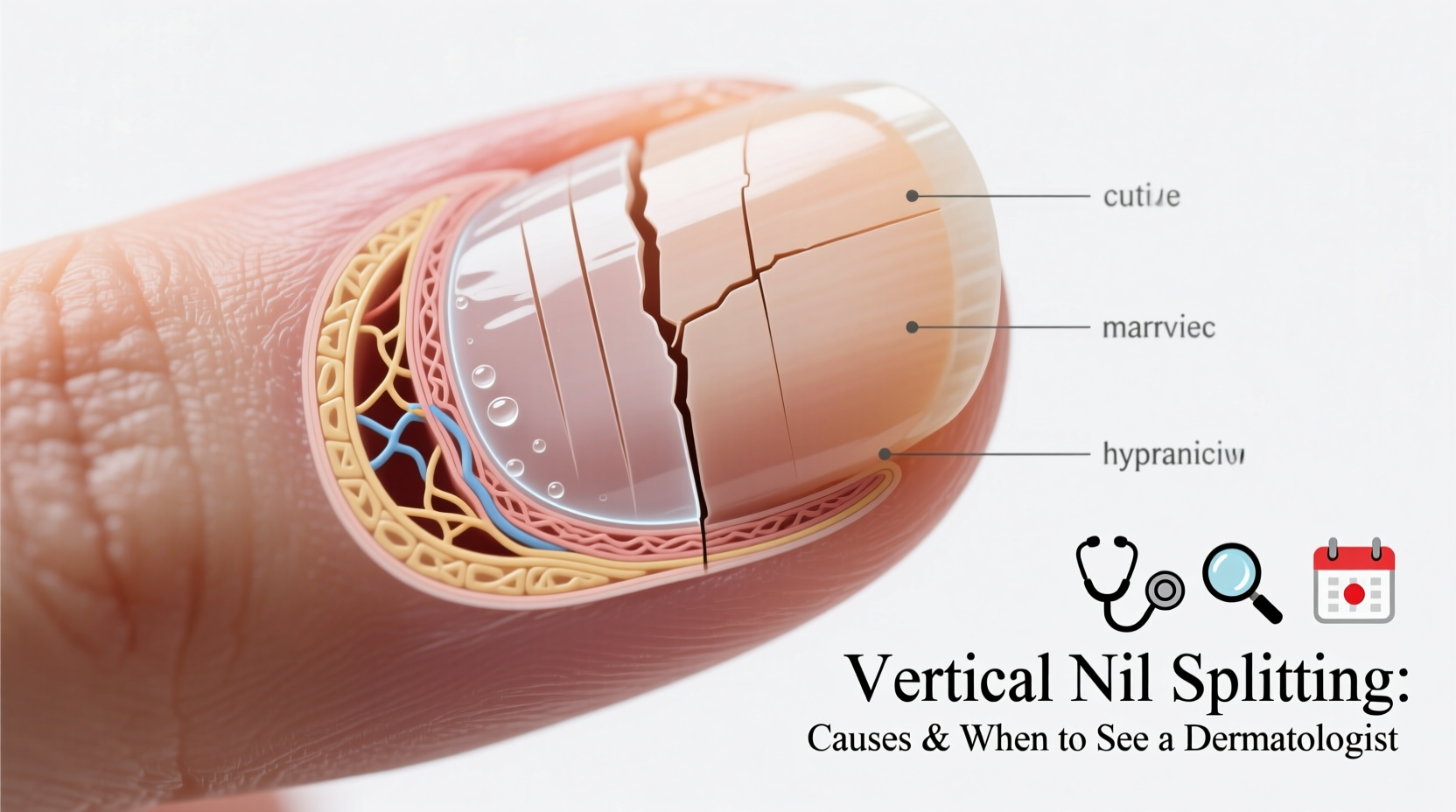
Vertical nail splitting refers to thin cracks that run along the length of the fingernail, starting at the free edge and potentially extending toward the cuticle. Unlike horizontal splits (which are often due to trauma or Beau’s lines), vertical splits typically develop gradually and worsen with time if not addressed. They may appear as fine ridges at first but can deepen into splits that peel or flake, especially after exposure to water or chemicals.
This condition commonly affects multiple nails, particularly the dominant hand, and is more prevalent in women over 40. However, younger individuals who frequently expose their hands to harsh environments or have certain medical conditions can also be affected.
Common Causes of Vertical Nail Splitting
Nails are made primarily of keratin, a tough protein that requires balanced nutrition, hydration, and protection to remain strong. When any part of this balance is disrupted, structural integrity weakens. Below are the most frequent contributors to vertical splitting:
1. Excessive Moisture and Dryness Cycles
Frequent wetting and drying of hands—common among healthcare workers, cleaners, or those who wash dishes without gloves—causes nails to swell and contract repeatedly. This cycle leads to microtrauma and eventual layer separation.
2. Nutritional Deficiencies
Lack of key nutrients directly impacts nail formation. Common deficiencies linked to brittle, splitting nails include:
- Biotin (vitamin B7)
- Iron (especially in cases of anemia)
- Zinc
- Vitamin C
- Protein
3. Aging
As we age, nail growth slows and natural oils decrease. The matrix—the tissue beneath the cuticle responsible for producing new nail cells—becomes less efficient, leading to thinner, drier, and more fragile nails prone to vertical ridging and splitting.
4. Underlying Medical Conditions
Certain systemic diseases manifest through nail changes. Conditions associated with vertical splitting include:
- Thyroid disorders (both hypo- and hyperthyroidism)
- Eczema or psoriasis affecting the nail bed
- Lichen planus
- Raynaud’s phenomenon
- Autoimmune connective tissue diseases
5. Harsh Nail Habits and Environmental Exposure
Regular use of acrylics, gel polish, or aggressive filing damages the nail plate. Similarly, prolonged contact with detergents, solvents, or nail polish removers containing acetone strips protective lipids, leaving nails vulnerable.
“Nail changes are often the first visible sign of internal imbalance. A patient presenting with chronic vertical splitting should be evaluated not just dermatologically, but systemically.” — Dr. Lena Torres, Board-Certified Dermatologist
When to See a Dermatologist: Red Flags You Shouldn’t Ignore
While mild nail splitting can often be managed with lifestyle adjustments, some signs warrant prompt evaluation by a dermatologist. Early intervention can rule out serious conditions and prevent irreversible nail damage.
Indicators That Demand Medical Attention
| Symptom | Possible Implication | Action Step |
|---|---|---|
| Splits accompanied by discoloration (yellow, brown, white streaks) | Fungal infection, melanonychia, or lichen planus | Schedule dermatology appointment within 2 weeks |
| Pain, swelling, or redness around the nail fold | Infection (paronychia) or inflammatory disease | Seek care immediately |
| Splitting only in one nail with rapid progression | Trauma, tumor (e.g., squamous cell carcinoma), or localized psoriasis | Urgent evaluation needed |
| Nails becoming increasingly thin, spoon-shaped, or lifting from the bed | Iron deficiency anemia or thyroid dysfunction | Request blood tests and specialist consult |
| History of autoimmune disease or recent medication changes | Drug-induced nail fragility or flare-up of skin condition | Review medications with physician |
What to Expect During a Dermatological Evaluation
A dermatologist will conduct a thorough assessment, which may include:
- Visual inspection using dermoscopy to examine nail architecture.
- Review of personal and family medical history.
- Lab tests such as complete blood count (CBC), ferritin, TSH, zinc, and vitamin levels.
- Nail clipping for fungal culture if infection is suspected.
- Potential biopsy if there’s concern for malignancy or inflammatory disease.
Based on findings, treatment may involve topical therapies (like urea-based creams), oral supplements, prescription medications, or referral to an endocrinologist or rheumatologist.
Practical Strategies to Prevent and Manage Splitting
Even if no underlying disease is found, proactive nail care can significantly reduce splitting and promote healthier growth.
Daily Protection Routine
- Wear gloves: Use cotton-lined rubber gloves when washing dishes, cleaning, or gardening.
- Moisturize regularly: Apply a nourishing hand cream and massage into cuticles and nails twice daily. Look for ingredients like shea butter, ceramides, or jojoba oil.
- Use a nail hardener sparingly: Opt for formaldehyde-free formulas to avoid over-drying.
- Keep nails short and rounded: Long nails are more likely to catch and split.
Nutrition for Stronger Nails
Support keratin production with a diet rich in:
- Lean proteins (eggs, fish, poultry)
- Leafy greens (for iron and folate)
- Nuts and seeds (zinc, biotin, omega-3s)
- Whole grains (biotin and B vitamins)
- Colorful vegetables (antioxidants and vitamin C)
Supplements like biotin (2.5–5 mg/day) have shown clinical benefit in improving nail thickness and reducing splitting, though results take 3–6 months to become noticeable.
Avoid These Common Mistakes
- Using nails as tools (opening cans, scratching surfaces)
- Peeling off gel polish or picking at enhancements
- Over-filing or using metal files aggressively
- Leaving nails soaking in water for long periods
“Patients often don’t realize how much their daily routines affect their nails. Simple habit changes can yield dramatic improvements in just a few weeks.” — Dr. Alan Meeks, Clinical Dermatologist
Mini Case Study: From Chronic Splitting to Healthy Nails
Sarah, a 48-year-old nurse, had struggled with vertical nail splitting for over two years. Despite trying various nail strengtheners and moisturizers, her nails continued to peel and break, especially during winter. She avoided social events where her hands would be visible and felt self-conscious during patient interactions.
After finally visiting a dermatologist, Sarah was diagnosed with subclinical hypothyroidism and low ferritin levels—despite having normal hemoglobin. Her TSH was elevated at 6.8 mIU/L, and her ferritin was only 18 ng/mL (below optimal for nail health). She began taking levothyroxine and an iron supplement, while also adopting strict glove use at work and applying a urea-based nail cream nightly.
Within four months, her nails showed visible improvement: ridges softened, splitting reduced, and new growth appeared smoother. By six months, she reported regaining confidence in her appearance and no longer feared handwashing compromising her nails.
Sarah’s case highlights how seemingly cosmetic concerns can stem from treatable medical conditions—and why professional evaluation matters.
Step-by-Step Guide to Improving Nail Health
Follow this timeline to support stronger, more resilient nails:
- Week 1–2: Assess and Protect
Identify sources of moisture exposure and begin wearing gloves. Stop using acetone-based removers. Trim nails short and file gently in one direction. - Week 3–4: Introduce Moisture and Nutrition
Start daily application of a thick nail and cuticle oil (containing biotin and vitamin E). Add biotin-rich foods to your diet or begin supplementation. - Month 2: Monitor Progress
Take photos of your nails weekly to track changes. Note any pain, color shifts, or worsening splits. - Month 3: Evaluate Need for Medical Help
If no improvement—or if symptoms worsen—schedule a dermatology consultation. Request blood work if not already done. - Months 4–6: Maintain and Refine
Continue protective habits and adjust treatments based on professional guidance. Be patient—nails grow slowly, about 3 mm per month.
FAQ: Common Questions About Vertical Nail Splitting
Can dehydration cause nails to split vertically?
Yes. Dehydration affects the body’s ability to maintain moisture in tissues, including nails. While systemic dehydration plays a role, external dehydration—such as frequent handwashing without moisturizing—is a more direct contributor. Always rehydrate nails after water exposure.
Is vertical splitting a sign of cancer?
Rarely, but it can be. A single nail that suddenly begins splitting, especially if accompanied by discoloration (like a dark streak), pain, or deformation, could indicate subungual melanoma or another tumor. This is uncommon but serious—any unexplained change in one nail warrants prompt dermatological assessment.
How long does it take for split nails to heal?
Nails grow slowly, so full recovery takes time. With consistent care, improvements may be seen in 6–8 weeks, but complete replacement of a damaged nail can take 6–9 months. Patience and consistency are essential.
Checklist: Nail Care Action Plan
Use this checklist to stay on track:
- ✅ Wear gloves during wet work
- ✅ Moisturize hands and nails twice daily
- ✅ Avoid acetone-based nail polish removers
- ✅ Keep nails trimmed and smoothly filed
- ✅ Eat a protein-rich, nutrient-dense diet
- ✅ Consider biotin or multivitamin if deficient
- ✅ Take monthly photos to monitor progress
- ✅ Schedule dermatologist visit if splits persist beyond 3 months or worsen
Conclusion: Take Charge of Your Nail Health
Vertical nail splitting is more than a cosmetic nuisance—it’s a potential signal from your body that something needs attention. Whether it’s a simple fix like better hydration or a deeper issue like a thyroid imbalance, addressing the root cause leads to lasting improvement. Don’t dismiss recurring nail problems as inevitable signs of aging or dryness. With informed care and timely medical input, most cases can be resolved effectively.
Your nails deserve the same level of care as your skin and hair. Start today by evaluating your habits, protecting your hands, and listening to what your body is telling you. If in doubt, see a dermatologist—you’ll gain clarity, peace of mind, and healthier nails in return.




 浙公网安备
33010002000092号
浙公网安备
33010002000092号 浙B2-20120091-4
Comments
No comments yet. Why don't you start the discussion?