
Bringing a new houseplant into your home can feel like an act of hope—fresh greenery, a touch of nature, the promise of cleaner air and calmer energy. But too often, that vibrant plant fades within weeks. Leaves yellow, stems droop, and despite good intentions, it’s gone. The truth? Most early plant deaths aren’t due to bad luck or a “black thumb.” They’re caused by predictable, avoidable mistakes made in the first few weeks after purchase.
Understanding these missteps is the fastest way to turn short-lived houseplants into thriving companions. From lighting errors to overwatering, from improper soil to skipping acclimation, new plant owners frequently fall into the same traps. The good news: once you know what they are, you can easily sidestep them.
1. Overwatering: The Number One Killer
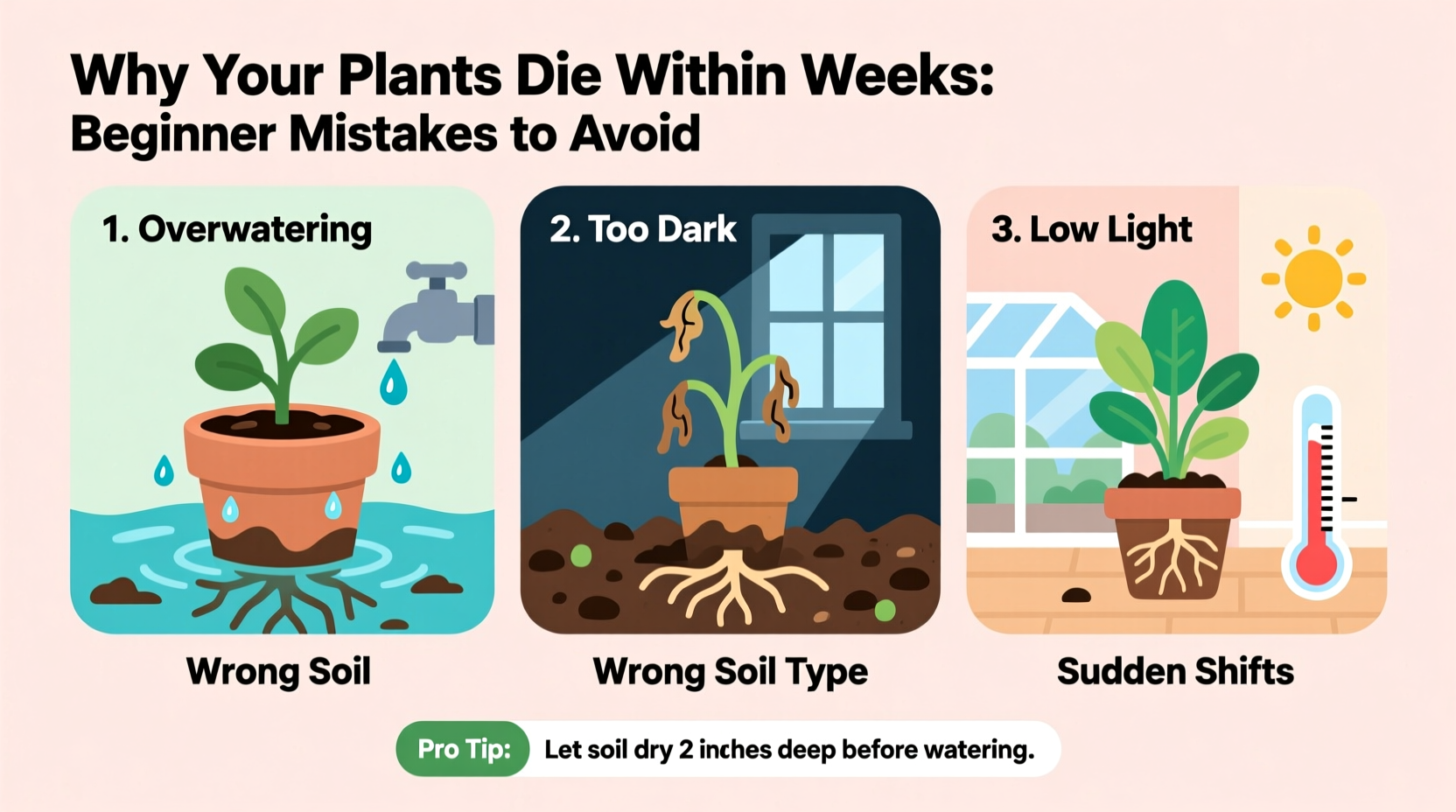
If there were a single cause behind most plant deaths, it would be overwatering. It's not that water is harmful—it's essential—but too much of it drowns roots, promotes rot, and creates conditions where fungi thrive. Many beginners assume that if a plant looks unhealthy, it needs more water. In reality, it's often the opposite.
Roots need oxygen as much as they need moisture. When soil stays constantly wet, air pockets disappear, and roots suffocate. This leads to root rot, which spreads quickly and is often fatal by the time symptoms appear above ground.
Certain plants like succulents, snake plants, and ZZ plants store water and require infrequent watering. Tropicals like pothos or philodendrons prefer slightly moist but never soggy soil. Learn your plant’s specific needs rather than following a fixed schedule.
2. Ignoring Light Requirements
Light is the engine of plant life. Without the right amount and quality, photosynthesis falters, growth stalls, and the plant weakens. Yet many new plant owners place their greenery wherever it “looks nice,” not where it will survive.
A common scenario: buying a sun-loving fiddle leaf fig and placing it in a dim corner. Within weeks, leaves drop, stems stretch thin toward any light source (a process called etiolation), and the plant declines. On the flip side, low-light plants like peace lilies or Chinese evergreens can scorch in direct southern exposure.
“Matching your plant to your home’s natural light is the foundation of success. No amount of care can compensate for chronic light deficiency.” — Dr. Lena Ruiz, Botanist and Urban Horticulture Consultant
To avoid this mistake, assess your space before buying. Note window direction:
- South-facing: Bright, direct light—ideal for succulents, cacti, citrus, and most flowering plants.
- East or West-facing: Moderate to bright indirect light—suitable for monstera, pothos, and spider plants.
- North-facing: Low light—best for snake plants, ZZ plants, and cast iron plants.
If your home lacks strong natural light, consider investing in a full-spectrum grow light. Even a simple clip-on LED can make a dramatic difference for light-hungry species.
3. Skipping Acclimation: The Shock Factor
Plants sold at nurseries, garden centers, or big-box stores are grown under controlled conditions—consistent temperatures, high humidity, filtered light, and regular feeding. Suddenly moving them to a dry, drafty, or dim home environment causes transplant shock.
This abrupt change stresses the plant, weakening its immune system and making it vulnerable to pests and disease. Symptoms include leaf drop, stunted growth, or sudden wilting—even if care seems correct.
How to Acclimate Your Plant Properly
- Isolate for a week: Keep the new plant away from other houseplants to monitor for pests.
- Gradual light adjustment: If it came from a greenhouse, don’t place it in direct sun immediately. Start in bright indirect light and slowly increase exposure over 7–10 days.
- Avoid immediate repotting: Resist the urge to repot right away. Let it adjust to your home’s conditions first.
- Maintain stable temperatures: Keep away from AC vents, heaters, and drafty windows.
4. Using the Wrong Soil and Pots
Not all soils are created equal. Garden soil, for example, compacts easily in containers and doesn’t drain well—making it a poor choice for potted plants. Yet some beginners use whatever soil they have on hand, leading to poor root development and water retention issues.
Similarly, pots without drainage holes are a silent killer. Even careful watering can result in pooled water at the bottom, creating a swamp-like environment ideal for root rot.
| Plant Type | Recommended Soil Mix | Pot Requirement |
|---|---|---|
| Succulents & Cacti | Fast-draining mix with perlite, sand, and gritty material | Drainage holes essential; terracotta preferred |
| Tropical Houseplants (Pothos, Monstera) | Peat-based mix with perlite and orchid bark | Drainage holes required; plastic or ceramic OK |
| Orchids | Bark, sphagnum moss, or specialized orchid mix | Slatted pots or baskets for airflow |
| Ferns & Calatheas | Moisture-retentive but well-aerated mix with coco coir | Drained pot; saucer to retain humidity |
Always choose a pot with at least one drainage hole. If you love a decorative pot without holes, use it as a cache—place a nursery pot inside and remove it when watering. Empty excess water from the outer pot after 15 minutes.
5. Misdiagnosing Problems and Reacting Too Late
When a plant starts to look unwell, panic sets in. Yellow leaves? Must need water. Brown tips? Add fertilizer. These knee-jerk reactions often worsen the problem.
For instance, yellowing lower leaves can be normal aging, not necessarily overwatering. Brown, crispy leaf edges may signal low humidity or salt buildup from tap water—not nutrient deficiency. And curling leaves might mean underwatering, but could also point to pests or heat stress.
Before changing your care routine, diagnose carefully:
- Check for pests (look under leaves and along stems).
- Test soil moisture.
- Assess recent changes in environment (light, temperature, drafts).
- Review fertilization history—over-fertilizing burns roots.
“Plants communicate through their appearance. Learn to read the signs before intervening.” — Marcus Bell, Indoor Plant Specialist
Mini Case Study: The Fiddle Leaf Fig That Didn’t Last
Sarah bought a beautiful fiddle leaf fig from a local nursery. Excited, she placed it in her living room near a north-facing window. She watered it every five days because “plants need consistency.” Within three weeks, leaves began dropping. She increased watering, thinking it was thirsty. By week six, half the leaves were gone.
What went wrong?
- The plant received insufficient light—north-facing windows rarely provide enough brightness for fiddle leaf figs.
- Watering on a rigid schedule led to overwatering in low-light conditions, where evaporation is slow.
- No acclimation period; it went from greenhouse to dim apartment overnight.
Had Sarah assessed light levels first, used a moisture meter, and waited to water, the outcome might have been different. A south-facing spot with sheer curtains and watering only when dry would have given it a fighting chance.
Beginner Plant Care Checklist
Use this checklist when bringing home a new plant to avoid common pitfalls:
- ✅ Identify the plant species and research its specific needs (light, water, humidity).
- ✅ Check light levels in your home and match them to the plant’s requirements.
- ✅ Inspect the plant for pests before bringing it inside.
- ✅ Use a pot with drainage holes and appropriate soil mix.
- ✅ Do not repot immediately—allow time for acclimation.
- ✅ Water only when soil is dry to the appropriate depth.
- ✅ Monitor for changes in leaves, stems, and growth patterns.
- ✅ Avoid fertilizing for at least 4–6 weeks after purchase.
Frequently Asked Questions
How soon should I repot a new plant?
Wait at least 4–6 weeks to allow the plant to adjust to its new environment. Immediate repotting adds stress. Only repot if the plant is root-bound or in poor soil.
Why are my plant’s leaves turning yellow?
Yellow leaves can indicate several issues: overwatering, underwatering, low light, nutrient deficiency, or natural aging. Check soil moisture and light first. If lower leaves are yellowing gradually, it may be normal shedding.
Can I save a plant with root rot?
Possibly. Remove the plant from the pot and inspect roots. Trim away any black, mushy roots with sterile scissors. Repot in fresh, well-draining soil. Reduce watering and improve airflow. Success depends on how much healthy root remains.
Conclusion: Build Confidence Through Knowledge
Most plants don’t die because they’re difficult—they die because we misunderstand their needs. The gap between intention and action is narrow, and closing it requires observation, patience, and a little homework. By avoiding the most common beginner mistakes—overwatering, ignoring light, skipping acclimation, using wrong soil, and misreading symptoms—you dramatically increase your chances of long-term success.
Every plant you lose teaches you something. But with the right approach, those lessons become fewer and farther between. Start small. Choose resilient species like snake plants, pothos, or ZZ plants to build confidence. Track your care routines. Take notes. Celebrate new growth as much as you learn from setbacks.




 浙公网安备
33010002000092号
浙公网安备
33010002000092号 浙B2-20120091-4
Comments
No comments yet. Why don't you start the discussion?