
Indoor gardening brings life, color, and calm to our homes. But if your houseplants are stretching tall, pale, and weak—reaching desperately toward a window—it’s likely they’re becoming leggy. This common issue isn’t just unsightly; it signals poor health and stunted development. The root cause? Inadequate light. When plants don’t receive enough light, they stretch their stems in search of brightness, sacrificing strength and foliage density. Fortunately, this problem is both preventable and reversible with a few smart lighting adjustments. Understanding the science behind legginess and applying practical lighting strategies can transform your indoor garden from scraggly to lush.
What Does “Leggy” Mean and Why It Matters
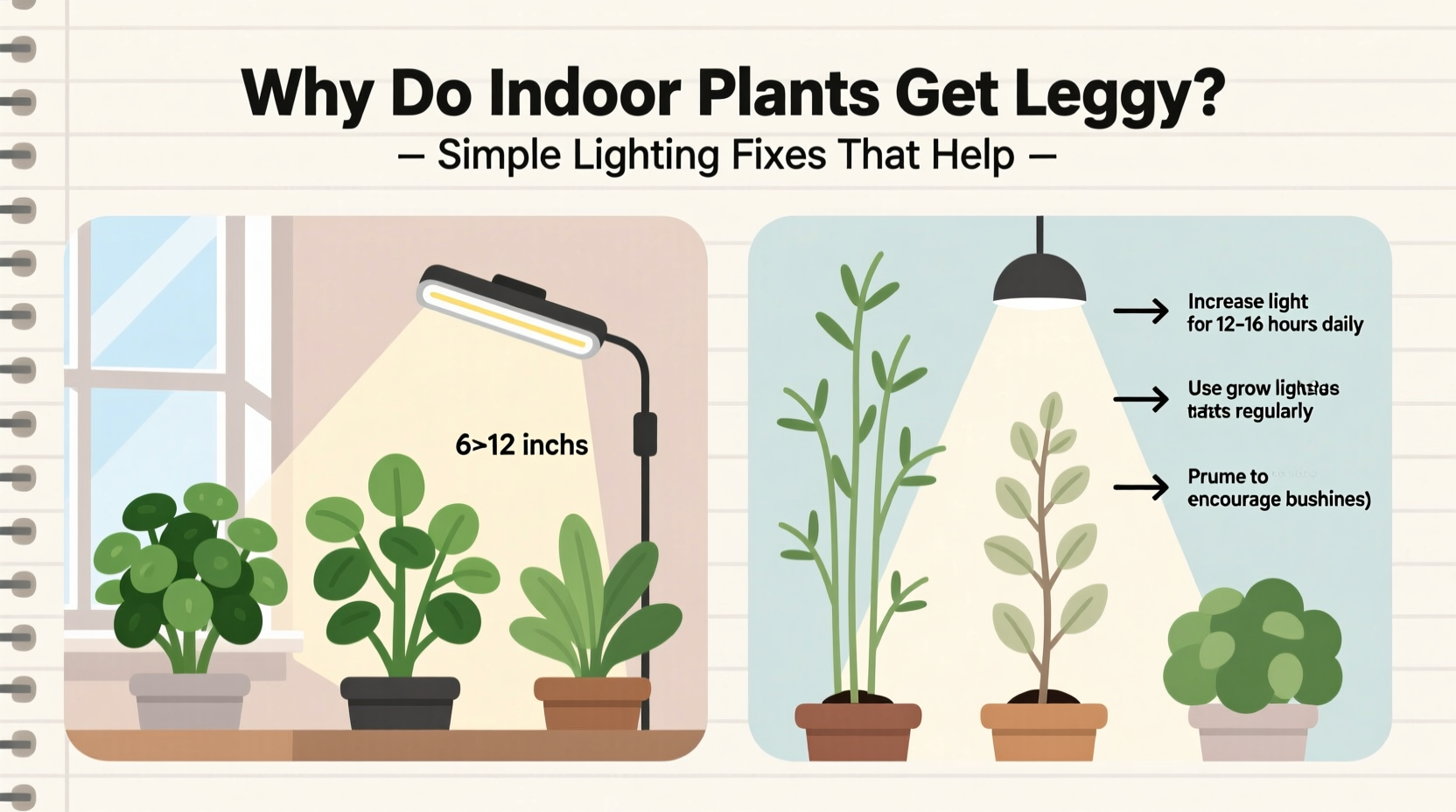
“Leggy” describes plants that grow long, spindly stems with wide gaps between leaves—technically known as elongated internodes. Instead of compact, bushy growth, leggy plants appear stretched, fragile, and unbalanced. This occurs because chlorophyll production slows under low light, prompting the plant to prioritize vertical growth over leaf development. While survival instinct drives this adaptation, it compromises structural integrity and photosynthetic efficiency.
Leggy growth reduces a plant’s ability to produce energy, making it more susceptible to pests, disease, and environmental stress. Over time, these plants may stop producing new leaves altogether or drop lower foliage, leaving bare stalks. For ornamental species like pothos, philodendrons, or spider plants, this undermines aesthetic appeal. For edible herbs grown indoors, such as basil or parsley, legginess means fewer usable leaves and diminished flavor.
“Plants don’t stretch because they want to—they stretch because they have to. Light deprivation forces them into survival mode.” — Dr. Lena Reyes, Botanist and Urban Horticulture Researcher
The Role of Light in Plant Structure and Health
Light is not merely fuel for photosynthesis—it shapes plant morphology. Plants use photoreceptors to detect light direction, intensity, and spectrum. When light is insufficient or comes from only one direction (like a single window), the plant activates hormonal responses that trigger stem elongation. Auxins, a class of plant hormones, accumulate on the shaded side of the stem, causing cells to expand unevenly and bend the plant toward the light source.
Natural sunlight provides a full spectrum of wavelengths, including blue and red light critical for vegetative growth and flowering. Indoors, especially during winter months or in rooms without south-facing windows, available light often lacks intensity and spectral balance. Artificial lighting can compensate—but only when chosen and placed correctly.
Common Lighting Mistakes That Cause Legginess
Even well-intentioned plant owners unknowingly create conditions that encourage leggy growth. Recognizing these pitfalls is the first step toward correction.
- Placing plants too far from windows: Light intensity drops exponentially with distance. A plant just three feet from a bright window may receive less than 25% of the available light.
- Using only overhead room lighting: Standard ceiling lights are designed for human visibility, not plant needs. They lack sufficient intensity and often miss key light spectra.
- Keeping curtains closed during daylight hours: Sheer or closed blinds block up to 70% of natural light, drastically reducing what reaches your plants.
- Not adjusting placement seasonally: Sun angles change throughout the year. A spot that’s bright in summer may be dim in winter.
- Relying solely on low-output grow lights: Some LED strips or decorative plant lamps emit minimal PAR (Photosynthetically Active Radiation), doing little to support real growth.
A Real Example: Reviving a Leggy Pothos
Sarah, an apartment dweller in Chicago, noticed her golden pothos had stopped producing vibrant leaves and was instead sending out long vines with sparse foliage. Initially, she assumed it needed more water. After increasing watering frequency, the soil stayed damp, and the plant began showing signs of root rot. Only after consulting a local nursery did she realize the true issue: her east-facing kitchen window provided only two to three hours of direct morning sun, followed by dim indirect light. The rest of the day, artificial lighting was turned off.
She moved the plant closer to the window, installed a timer-controlled LED grow light above it, and rotated the pot weekly. Within six weeks, new growth emerged—shorter internodes, deeper green leaves, and tighter node spacing. The existing leggy vines were pruned and propagated, turning a failing plant into a thriving display.
Simple Lighting Fixes That Actually Work
Correcting leggy growth doesn’t require expensive equipment or major renovations. Start with these proven, accessible solutions.
1. Maximize Natural Light Effectively
South-facing windows offer the most consistent daylight in the Northern Hemisphere, providing bright, indirect light for 6–8 hours daily. East- and west-facing windows are secondary options, offering strong morning or afternoon sun. North-facing windows typically provide too little light for most tropical houseplants.
To make the most of natural light:
- Clean windows regularly—dust and grime can reduce light transmission by up to 30%.
- Remove obstructions like furniture or blinds during peak daylight hours.
- Use reflective surfaces (white walls, mirrors, aluminum foil) opposite the window to bounce light back onto plants.
2. Choose the Right Artificial Light
When natural light falls short, supplemental lighting is essential. Not all bulbs are equal. Here’s how to pick one that works:
| Bulb Type | PAR Output | Lifespan | Best For |
|---|---|---|---|
| Incandescent | Low | 1,000 hrs | Not recommended—inefficient, emits heat |
| Fluorescent (T5/T8) | Moderate | 10,000 hrs | Seedlings, low-light plants |
| Full-Spectrum LED | High | 25,000+ hrs | All houseplants, especially those prone to legginess |
| Grow Light Strips | Variable | 15,000–20,000 hrs | Shelves, under-cabinet setups |
Look for LEDs labeled “full-spectrum” with a color temperature between 5000K and 6500K, which mimics midday sunlight. Check for lumens (brightness) and PAR values if available—aim for at least 200–400 µmol/m²/s for moderate-light plants.
3. Position Lights Correctly
Distance matters. Too close, and you risk burning leaves; too far, and light intensity becomes ineffective. As a general rule:
- LED grow lights: 6–12 inches above the canopy
- Fluorescent tubes: 4–6 inches above
- Bright incandescents: At least 18 inches away (due to heat)
Use adjustable fixtures like clip-on lamps, track lighting, or hanging systems to fine-tune height as plants grow.
4. Set a Consistent Light Schedule
Plants thrive on routine. Most houseplants need 12–14 hours of light per day. Use a simple plug-in timer to automate your grow lights, ensuring reliability even when you’re busy or traveling.
Step-by-Step Plan to Fix Leggy Plants
Follow this timeline to diagnose, correct, and prevent leggy growth in your indoor garden.
- Week 1: Assess Current Conditions
Evaluate each plant’s location, light exposure, and symptoms. Note which ones show elongated stems, yellowing, or leaf loss. - Week 2: Reorganize Plant Placement
Move high-light plants (e.g., fiddle leaf fig, citrus, rosemary) to southern exposures. Group low-light tolerant species (snake plant, ZZ plant) in shadier zones. - Week 3: Install Supplemental Lighting
Add full-spectrum LED grow lights where natural light is insufficient. Focus on areas with actively growing or recovering plants. - Week 4: Prune and Propagate
Trim leggy stems just above a leaf node to encourage branching. Use cuttings to propagate new, compact plants. - Ongoing: Monitor and Adjust
Check growth monthly. Rotate plants weekly. Clean light fixtures and update bulb life expectancy as needed.
Do’s and Don’ts of Indoor Plant Lighting
| Do | Don't |
|---|---|
| Use timers for consistent light cycles | Leave grow lights on overnight |
| Rotate plants weekly for even exposure | Place plants in dark corners or hallways |
| Clean grow light lenses monthly | Assume all white-looking LEDs are suitable for plants |
| Start with one quality grow light and expand gradually | Overcrowd shelves with too many plants under one fixture |
| Prune leggy growth to redirect energy | Expect immediate results—plant recovery takes weeks |
Frequently Asked Questions
Can I fix a leggy plant without pruning?
You can improve future growth by correcting lighting, but existing leggy stems won’t revert to compact form. Without pruning, the plant will continue to look sparse at the base. However, you can train vining plants like pothos or philodendron to climb a moss pole, which encourages bushier growth upward rather than trailing downward.
How do I know if my plant is getting enough light?
Signs of adequate light include consistent new growth with short internodes, deep green leaves, and no leaning. If your plant produces flowers or fruit indoors, that’s a strong indicator of sufficient light. Conversely, slow growth, pale leaves, and leaf drop suggest deficiency.
Are smart bulbs good for plants?
Most smart bulbs are designed for ambiance, not horticulture. While some allow color tuning, they rarely deliver the intensity or spectrum needed for healthy growth. Use dedicated grow lights instead, even if they’re less stylish. Function should trump form when plant health is at stake.
Conclusion: Take Control of Your Indoor Light Environment
Leggy plants are a clear message: they’re not thriving. But unlike pests or diseases, this issue is rooted in environment—not genetics or chance. By understanding how light shapes growth and taking deliberate steps to improve illumination, you can reverse damage and foster dense, vibrant foliage. Start small: reposition one plant, add a single grow light, or clean a dusty window. These actions compound over time, transforming your space into a true indoor garden.




 浙公网安备
33010002000092号
浙公网安备
33010002000092号 浙B2-20120091-4
Comments
No comments yet. Why don't you start the discussion?