
Spider mites are among the most persistent and destructive pests that plague indoor and outdoor plants. These tiny arachnids may be barely visible to the naked eye, but their damage is unmistakable: stippled leaves, fine webbing, and gradual plant decline. If you’ve ever wondered why your otherwise well-cared-for plants keep falling victim to spider mites, you're not alone. The good news is that effective, natural solutions exist—and they don’t require harsh chemicals or expensive treatments.
Understanding the root causes of spider mite infestations is the first step toward prevention. Once you know what attracts them and how they spread, you can implement a targeted, eco-friendly response that protects your plants without harming your home environment.
Why Spider Mites Target Your Plants
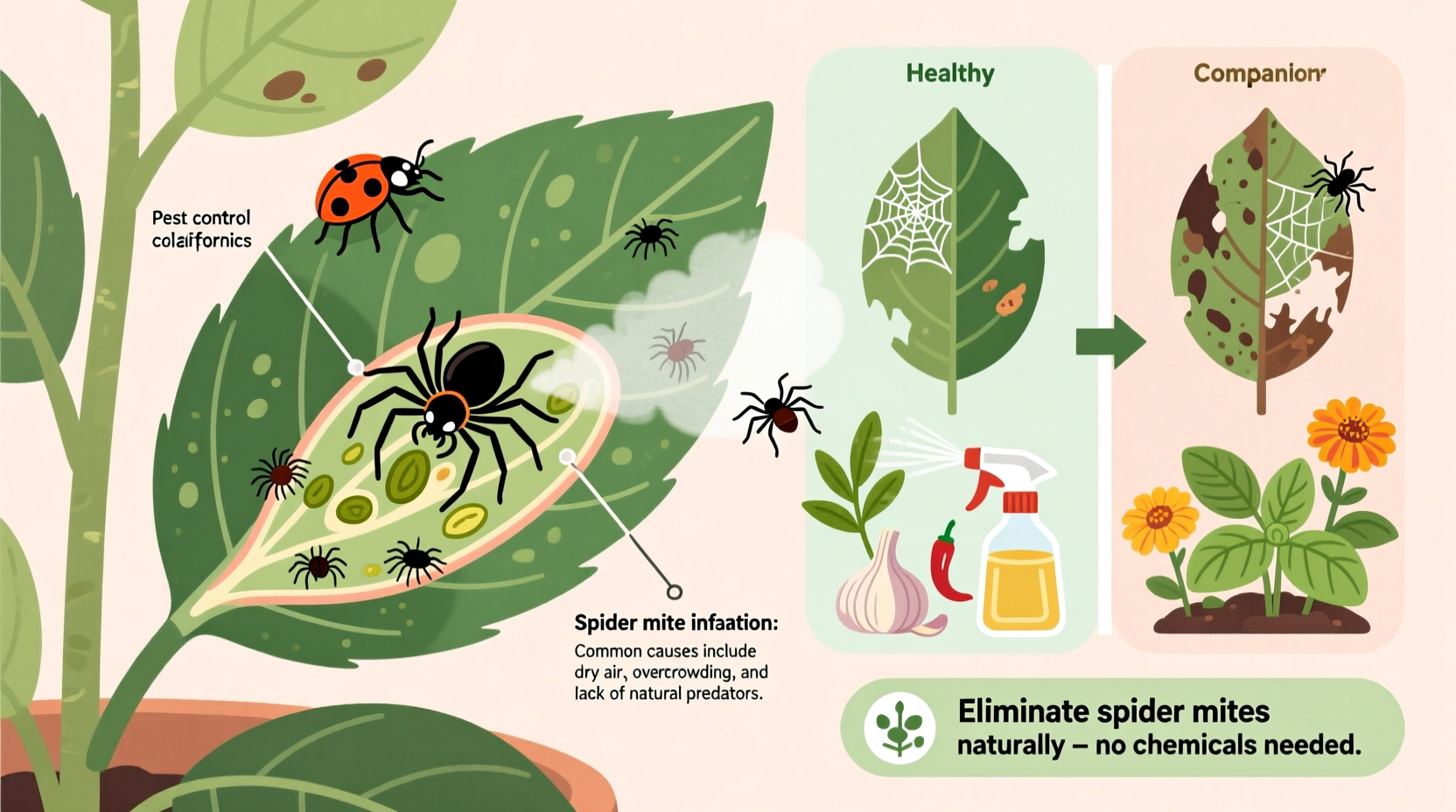
Spider mites thrive under specific environmental conditions, and their presence often signals an imbalance in plant care rather than poor hygiene alone. These pests prefer hot, dry environments—conditions commonly found indoors during winter when heating systems reduce humidity. They reproduce rapidly, with some species completing their life cycle from egg to adult in as little as three days under ideal conditions.
Plants under stress are especially vulnerable. Overwatering, underwatering, nutrient deficiencies, or insufficient light weaken a plant’s natural defenses, making it easier for spider mites to establish colonies. Additionally, introducing new plants without quarantining them can unknowingly bring mites into your space.
They typically begin feeding on the undersides of leaves, piercing plant cells to extract sap. This feeding causes visible damage—tiny yellow or white speckles—that can progress to leaf drop and, eventually, plant death if left unchecked.
Natural Methods to Eliminate Spider Mites
Chemical pesticides may offer quick results, but they often harm beneficial insects, disrupt ecosystems, and can lead to resistant mite populations. Natural remedies, on the other hand, are safer for humans, pets, and pollinators while still being highly effective when applied consistently.
The key to success lies in persistence. Because spider mites lay eggs that hatch days after treatment, a single application is rarely enough. A multi-week regimen is usually necessary to break their reproductive cycle.
Rinse and Wipe Leaves Regularly
One of the simplest and most effective actions is physically removing mites by rinsing plant foliage. Take affected plants to the sink or shower and gently spray both sides of the leaves with lukewarm water. Focus on the undersides where mites congregate. Follow up by wiping leaves with a soft, damp cloth to dislodge remaining pests and debris.
This method works best for mild infestations and should be repeated every few days for at least two weeks.
Use Neem Oil as a Preventative and Treatment
Neem oil, derived from the seeds of the neem tree, is a powerful botanical insecticide and miticide. It disrupts the hormonal systems of spider mites, preventing feeding and reproduction. When used as a foliar spray, it coats the leaves and creates a hostile environment for mites.
To prepare a neem oil solution:
- Mix 1 teaspoon of cold-pressed neem oil with 1 quart of warm water.
- Add a few drops of mild liquid soap (acts as an emulsifier).
- Shake well before spraying.
- Apply in the evening or out of direct sunlight to avoid leaf burn.
Reapply every 5–7 days for three to four weeks. Neem oil also helps prevent fungal diseases like powdery mildew, offering dual benefits.
Introduce Predatory Mites
In nature, spider mites have natural enemies. One of the most effective biological controls is Phytoseiulus persimilis, a predatory mite that feeds exclusively on spider mites. These beneficial insects are commercially available and work exceptionally well in greenhouses or enclosed growing spaces.
Predatory mites are most effective when introduced early in an infestation. They can consume up to five adult spider mites per day and will continue hunting until their food source is depleted.
“Biological control with predatory mites is one of the most sustainable ways to manage spider mite outbreaks, especially in edible gardens.” — Dr. Laura Bennett, Integrated Pest Management Specialist
Step-by-Step Guide to Eradicating Spider Mites Naturally
Eliminating spider mites requires a structured approach. Follow this timeline for best results:
- Day 1: Isolate and Inspect
Move infected plants away from others to prevent spread. Examine all nearby plants for signs of mites using a magnifying glass. - Day 2: Rinse Thoroughly
Spray the entire plant—especially leaf undersides—with water. Wipe leaves with a damp cloth. - Day 3: Apply Neem Oil Spray
Coat all surfaces evenly. Avoid over-saturating soil. - Day 7: Repeat Cleaning and Spray
Rinse again and reapply neem oil. Monitor for improvement. - Day 10: Introduce Predators (Optional)
If using Phytoseiulus persimilis, release them according to package instructions. - Days 14–21: Continue Monitoring
Repeat sprays every 5–7 days. Check for webbing, stippling, or moving specks. - Day 28: Evaluate and Maintain
If no signs remain, resume regular care. Continue preventive sprays monthly.
Prevention Checklist: Keep Spider Mites Away for Good
Once you've eliminated an infestation, maintaining a mite-resistant environment is crucial. Use this checklist to minimize future risks:
- ✅ Quarantine new plants for at least two weeks before placing them near others.
- ✅ Inspect all plants weekly, focusing on leaf undersides.
- ✅ Maintain humidity above 50%—use a humidifier or pebble trays.
- ✅ Avoid prolonged drought stress; water plants according to their needs.
- ✅ Clean pots, trays, and shelves regularly with soapy water.
- ✅ Rotate natural sprays like neem oil or insecticidal soap monthly as a preventative.
- ✅ Encourage air circulation with gentle fans to deter mite colonization.
Common Mistakes That Invite Spider Mites
Even attentive plant owners make errors that create favorable conditions for spider mites. Recognizing these pitfalls can help you avoid repeat infestations.
| Mistake | Why It’s a Problem | Better Alternative |
|---|---|---|
| Keeping plants in dry, hot rooms | Low humidity encourages mite reproduction | Use humidifiers or group plants to boost moisture |
| Infrequent inspection of leaves | Early signs go unnoticed until infestation spreads | Check plants weekly with a magnifier |
| Overusing nitrogen-rich fertilizers | Lush, soft growth is more attractive to mites | Balanced feeding with slow-release nutrients |
| Using chemical pesticides indiscriminately | Kills beneficial insects that prey on mites | Opt for targeted, natural treatments |
| Ignoring dust buildup on leaves | Dust provides hiding spots and reduces photosynthesis | Wipe leaves regularly with damp cloth |
Real Example: How a Houseplant Enthusiast Saved Her Fiddle Leaf Fig
Sarah, a plant collector in Phoenix, Arizona, noticed her prized fiddle leaf fig developing pale spots on its lower leaves. At first, she assumed it was sunburn. But within a week, fine webbing appeared between branches. She recognized the signs of spider mites—common in her arid climate.
Instead of reaching for a chemical spray, Sarah isolated the plant and began a natural treatment plan. She rinsed the foliage daily for three days, then started biweekly neem oil applications. She placed a small humidifier nearby and wiped leaves twice a week. After four weeks, the stippling stopped spreading, and new growth emerged healthy and unblemished.
Today, Sarah inspects all her plants every Sunday and keeps a journal tracking treatments and humidity levels. Her proactive habits have kept her collection mite-free for over a year.
Frequently Asked Questions
Can spider mites live in soil?
While spider mites primarily live on plant foliage, they can survive in topsoil or crevices in pots during dormant stages. However, they don’t burrow deep or feed on roots. To be safe, replace the top inch of soil after treatment and clean pot exteriors thoroughly.
Are spider mites harmful to humans or pets?
No, spider mites do not bite humans or animals. They feed exclusively on plant sap. However, their webbing and presence can trigger allergies in sensitive individuals due to airborne particles when disturbed.
How fast do spider mites spread?
Extremely fast. Under warm, dry conditions, a single female can lay hundreds of eggs in her lifetime, and populations can explode within a week. They spread via wind, clothing, tools, or proximity to infected plants.
Conclusion: Take Control of Your Plant Health Naturally
Spider mites don’t have to spell disaster for your indoor jungle. With the right knowledge and consistent care, you can eliminate them safely and prevent future outbreaks. The key is vigilance—regular inspection, prompt action, and creating an environment that favors plant health over pest proliferation.
Natural solutions like neem oil, predatory mites, and proper humidity management are not only effective but also align with a sustainable, eco-conscious lifestyle. By treating the underlying conditions that attract spider mites—not just the symptoms—you empower your plants to thrive.




 浙公网安备
33010002000092号
浙公网安备
33010002000092号 浙B2-20120091-4
Comments
No comments yet. Why don't you start the discussion?