
It’s a familiar story: you bring home a lush, vibrant plant full of promise. Within weeks—or sometimes days—it starts to droop, yellow, or simply give up. You’re not alone. Most indoor gardeners have faced this heartbreak. The truth is, plants don’t die because they’re “hard to keep alive.” They die because we misunderstand their basic needs. With a few adjustments, nearly any plant can thrive in your space. This guide breaks down the most frequent errors new and experienced plant owners make, explains why they happen, and gives you practical, science-backed solutions.
Overwatering: The #1 Killer of Houseplants
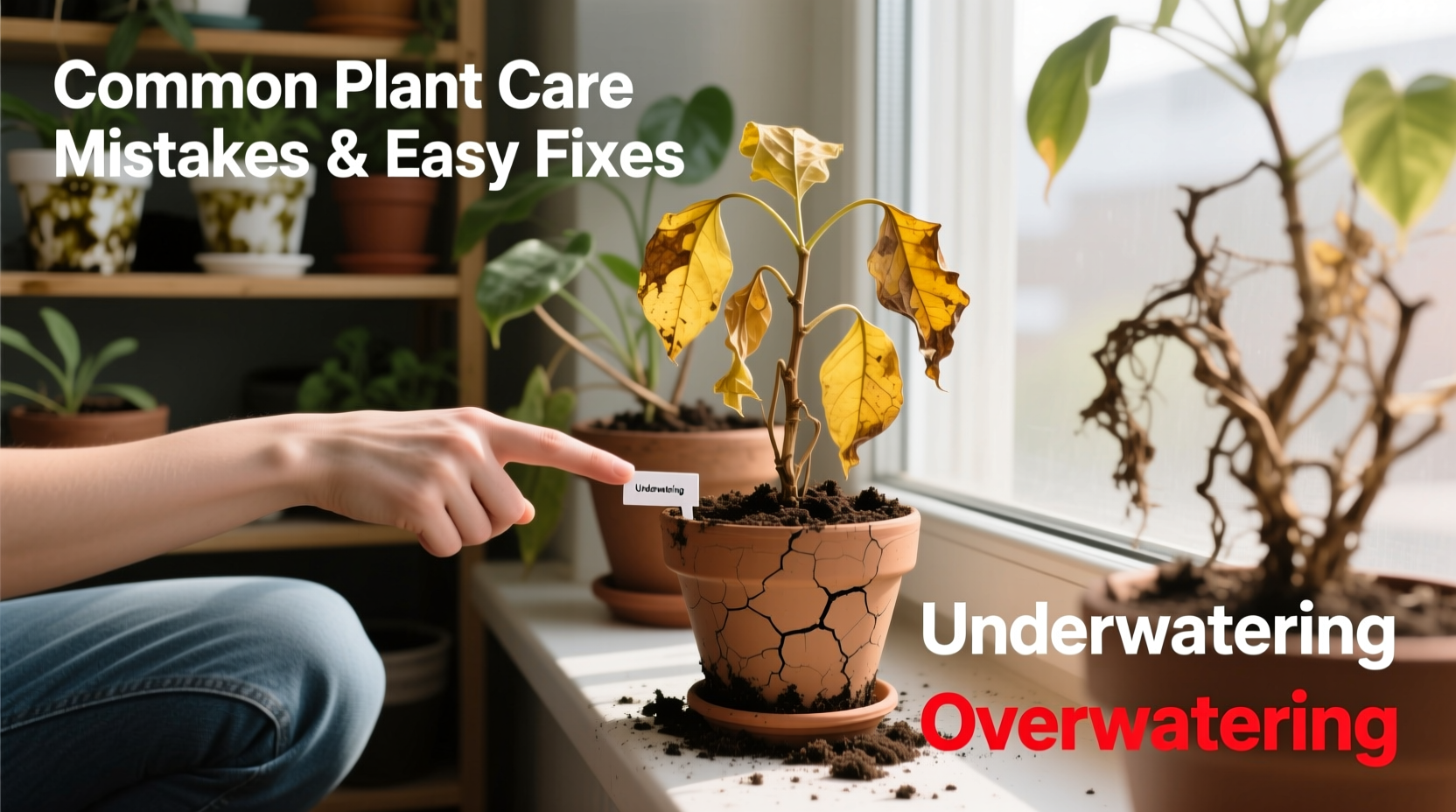
More plants are killed by kindness than neglect. Overwatering disrupts root function, suffocates oxygen exchange, and invites fungal infections like root rot. Many assume that if a plant looks sad, it needs more water. In reality, wilting leaves often signal waterlogged roots—not drought.
The confusion stems from how roots breathe. Healthy roots require both moisture and air pockets in the soil. When soil stays saturated, these air pockets collapse. Roots begin to decay, making it impossible for the plant to absorb water—even when the soil is wet. This creates a cruel paradox: the plant drowns while starving for hydration.
How to Fix Overwatering
- Stop watering immediately. Let the soil dry out completely.
- Check drainage. Ensure pots have holes at the bottom and aren’t sitting in saucers full of water.
- Repot if necessary. Gently remove the plant and inspect roots. Trim mushy, dark roots with sterilized scissors and repot in fresh, well-draining mix.
- Adjust your schedule. Water less frequently and always test soil moisture first.
“People treat plants like pets—they think love means constant attention. But plants thrive on consistency, not emotion.” — Dr. Linda Chen, Botanist and Urban Horticulture Consultant
Light Mismanagement: Too Much or Too Little
Light is the engine of photosynthesis, yet many plant owners place greenery based on décor rather than biological need. A fiddle-leaf fig in a dim corner or a succulent on a north-facing windowsill sets the stage for slow decline.
Plants fall into three main light categories: low, medium, and bright (direct or indirect). Matching your plant to its ideal light condition is non-negotiable for long-term health.
| Plant Type | Ideal Light | Symptoms of Wrong Light |
|---|---|---|
| Snake Plant, ZZ Plant | Low to medium indirect | Leggy growth, pale leaves |
| Pothos, Philodendron | Medium to bright indirect | Slow growth, small new leaves |
| Fiddle-Leaf Fig, Monstera | Bright indirect (near east/west window) | Brown spots, leaf drop |
| Succulents, Cacti | Direct sunlight (south window) | Stretching, shriveling, pale color |
Quick Light Assessment Tips
- North-facing windows = low light.
- East/west = medium to bright indirect.
- South = strongest light; best for sun-lovers.
- Observe shadows: sharp shadow = direct light; soft shadow = indirect; no shadow = too dim.
Poor Soil and Pot Selection
A pot without drainage is a death sentence for most plants. Even if you water responsibly, excess moisture has nowhere to escape. Combine that with dense, compacted soil, and you’ve created a swampy environment perfect for root rot.
Equally damaging is using garden soil indoors. It compacts quickly, lacks proper aeration, and may introduce pests or fungi.
What Great Potting Mix Includes
- Peat moss or coco coir: Retains moisture without staying soggy.
- Perlite or pumice: Adds air pockets for root respiration.
- Orchid bark: Improves structure and mimics natural growing conditions for tropicals.
For succulents and cacti, use a gritty mix with added sand or perlite. For tropicals like monsteras or peace lilies, opt for a standard aroid mix with extra bark.
Pot Guidelines
- Always choose containers with drainage holes.
- Clay pots allow soil to dry faster; plastic retains moisture longer.
- Avoid oversized pots—excess soil holds water too long.
- Repot only when roots fill the current container, typically every 1–2 years.
“The right pot is like the right shoe—too big and you’ll stumble, too small and you’ll be cramped.” — Marcus Reed, Master Gardener and Nursery Owner
Ignoring Humidity and Temperature Needs
Most houseplants originate from tropical regions where humidity levels hover between 60% and 80%. Average homes, especially in winter, sit at 30–40%, creating chronic stress for moisture-loving species.
Low humidity causes brown leaf tips, curling edges, and increased susceptibility to spider mites. Plants like calatheas, ferns, and orchids suffer most.
Easy Humidity Solutions
- Group plants together to create a microclimate.
- Use a pebble tray: fill a tray with stones and water, then place the pot on top (not submerged).
- Invest in a small humidifier—especially effective in bedrooms or offices.
- Mist sparingly (only in morning) but understand it offers temporary relief, not sustained moisture.
Temperature swings are equally harmful. Avoid placing plants near heating vents, radiators, drafty windows, or exterior doors. Sudden drops below 55°F (13°C) can shock tropical species.
Real Example: Reviving a Dying Pothos
Sarah bought a beautiful golden pothos and placed it in a sleek ceramic pot on her office desk—no drainage, far from the window. After two months, the leaves turned yellow and fell off. She watered it weekly “to be safe.”
Diagnosis: overwatering + low light + poor soil.
Her fix:
- Removed the plant and found mushy roots.
- Trimmed dead roots and rinsed healthy ones.
- Repotted into a plastic nursery pot with drainage using quality potting mix.
- Moved it to an east-facing window.
- Stopped watering on a schedule—now checks soil weekly.
Step-by-Step Guide to Keeping Your Next Plant Alive
- Research before buying. Know the plant’s light, water, and humidity needs.
- Choose the right pot. Must have drainage. Use a cache pot for aesthetics.
- Use proper soil. Never use garden dirt. Buy mixes tailored to your plant type.
- Find the ideal spot. Match light requirements to your home’s layout.
- Water mindfully. Check soil first. When in doubt, wait another day.
- Monitor regularly. Look for changes in leaf color, texture, or growth speed.
- Adjust seasonally. Plants need less water in winter and more in active growing seasons (spring/summer).
- Feed occasionally. Use diluted liquid fertilizer every 4–6 weeks during growing season. Skip in winter.
Common Mistakes Checklist
Your Quick Diagnosis Tool:
- ❌ Watering on a fixed schedule? → Switch to soil testing.
- ❌ Using pots without drainage? → Repot or add holes.
- ❌ Placing plants based on looks, not light? → Relocate to match needs.
- ❌ Ignoring humidity? → Add a pebble tray or humidifier.
- ❌ Over-fertilizing? → Less is more. Flush soil yearly if salts build up.
- ❌ Waiting until leaves wilt? → Prevent stress with consistent care.
FAQ
Why are my plant’s leaves turning yellow?
Yellow leaves usually indicate overwatering or poor drainage. However, a few yellow leaves on older growth are normal. If multiple leaves yellow rapidly, check soil moisture and root health.
Can I save a plant with root rot?
Yes, if caught early. Remove affected roots, repot in fresh soil, and reduce watering. Severely rotted plants may not survive, but you can propagate healthy cuttings.
How do I know if my plant needs repotting?
Look for roots circling the surface, growing out of drainage holes, or the plant tipping over easily. Also, if water runs straight through without soaking in, the roots may be bound.
Conclusion: Turn Failure Into Growth
Dying plants aren’t a reflection of your ability—they’re feedback. Each one teaches you something about your environment, habits, and the quiet needs of living things. The key isn’t perfection; it’s observation. Watch how your plant responds to light, touch the soil, notice new growth or warning signs. With the right knowledge, even the most delicate species can flourish in your care.




 浙公网安备
33010002000092号
浙公网安备
33010002000092号 浙B2-20120091-4
Comments
No comments yet. Why don't you start the discussion?