
If you’ve ever looked at a wilting houseplant, watering can in hand, and asked, “But I water it every week—why is it still dying?” you’re not alone. Many plant lovers fall into the trap of equating care with frequency of watering, only to watch their green companions decline. The truth is, overwatering is the leading cause of indoor plant death—yes, even more than neglect. Misunderstanding your plant’s actual needs, poor drainage, incorrect light levels, or unnoticed pests can all sabotage your efforts. This guide breaks down the real reasons behind recurring plant failure and offers actionable, expert-backed solutions to help you diagnose and correct the problem for good.
Common Reasons Plants Die Despite Regular Watering
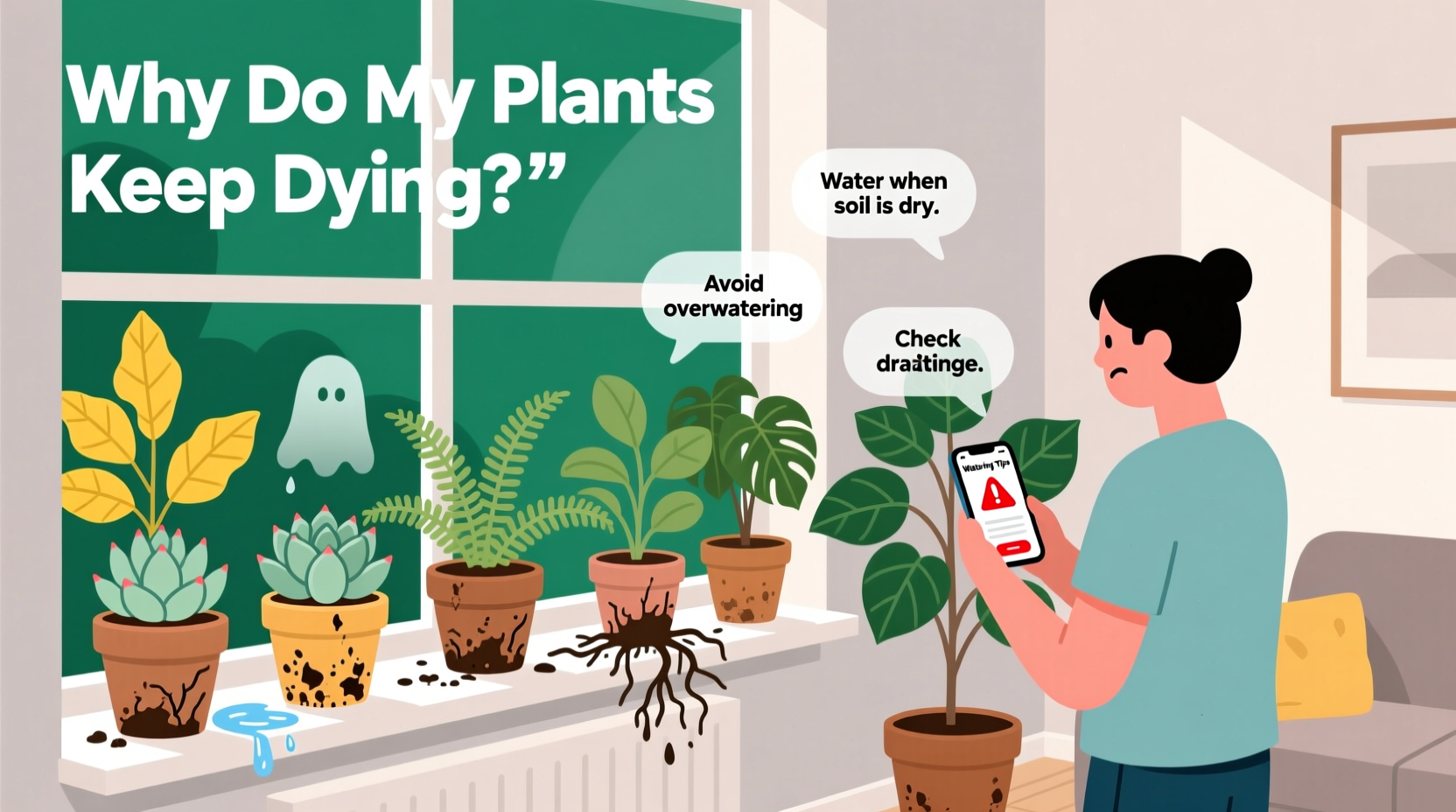
Watering is just one part of plant health. Focusing solely on hydration while ignoring environmental factors, soil quality, and species-specific needs often leads to disappointment. Here are the most frequent culprits behind persistent plant death:
- Overwatering: Soggy soil suffocates roots, promoting root rot and fungal growth.
- Poor Drainage: Pots without drainage holes trap excess water, even if you water moderately.
- Incorrect Light Levels: Too much direct sun burns leaves; too little light weakens photosynthesis.
- Pot Size Mismatch: A pot too large holds moisture too long; too small restricts root development.
- Wrong Soil Type: Garden soil compacts indoors; dense mixes don’t allow proper aeration.
- Pests and Diseases: Spider mites, fungus gnats, and scale insects go unnoticed until damage is severe.
- Low Humidity: Tropical plants suffer in dry indoor air, especially during winter.
Expert Diagnosis: Step-by-Step Plant Health Assessment
When a plant declines, treat it like a medical case. Systematically evaluate symptoms to identify the underlying issue. Follow this diagnostic timeline to pinpoint what’s going wrong:
- Observe the Leaves: Yellowing? Check for overwatering. Brown, crispy edges? Likely low humidity or underwatering. Spots or webbing? Inspect for pests.
- Check the Soil Moisture: Use a moisture meter or your finger. Consistently wet soil indicates poor drying between waterings.
- Inspect the Roots: Gently remove the plant from its pot. Healthy roots are firm and white or tan. Mushy, black, or foul-smelling roots signal root rot.
- Review Lighting Conditions: Track sunlight exposure. South-facing windows offer bright indirect light; north-facing ones provide low light.
- Assess the Pot and Soil: Confirm the container has drainage holes. Feel the soil—does it stay soggy for days?
- Look for Pests: Examine leaf undersides and stems with a magnifying glass. Tiny moving specks or sticky residue indicate infestation.
- Consider Environmental Shifts: Did you move the plant recently? Has heating or AC been running constantly?
“Most plant deaths aren’t due to lack of love—they’re due to misapplied love. People water out of habit, not observation.” — Dr. Linda Chen, Urban Horticulturist and Botanical Consultant
Do’s and Don’ts: Watering Practices That Make or Break Plants
Watering technique matters as much as frequency. The following table outlines best practices versus common mistakes across key categories:
| Category | Do’s | Don’ts |
|---|---|---|
| Frequency | Water only when top 1–2 inches of soil are dry | Stick to a rigid weekly schedule regardless of conditions |
| Method | Water slowly at the base until water exits drainage holes | Use misting as primary watering method for non-airplants |
| Pot Type | Use pots with drainage holes and saucers to catch runoff | Keep plants in decorative pots without removing inner plastic liner |
| Soil Mix | Choose well-draining mixes (e.g., perlite + peat + orchid bark) | Use garden soil or heavy compost that compacts easily |
| Seasonal Adjustments | Reduce watering in winter when growth slows | Water the same amount year-round |
Real Example: Reviving a Dying Pothos
Sarah, a teacher in Chicago, bought a lush pothos vine six months ago. Despite watering it every Sunday, the leaves turned yellow, then brown, and began dropping. She assumed she wasn’t giving it enough water, so she increased frequency. The plant worsened.
After consulting a local nursery, she conducted a root check. The roots were dark, mushy, and emitted a sour odor—clear signs of root rot. The pot had no drainage, and the soil stayed wet for over a week after each watering. Following expert advice, Sarah repotted the plant in a terracotta container with drainage, using a mix of potting soil, perlite, and orchid bark. She cut away dead roots and reduced watering to once every 10–14 days. Within three weeks, new growth emerged, and the plant stabilized.
This case illustrates how well-intentioned care can backfire without proper diagnostics. Sarah’s turning point was shifting from routine-based to condition-based watering.
Essential Checklist for Preventing Future Plant Loss
Use this checklist before buying or caring for any new plant. It helps align your habits with plant biology rather than assumptions:
- ✅ Identify the plant species and research its native habitat (tropical, desert, temperate).
- ✅ Choose a pot with drainage holes—or drill them yourself.
- ✅ Use a soil mix suited to the plant type (e.g., cactus mix for succulents, airy mix for orchids).
- ✅ Test soil moisture before every watering—don’t guess.
- ✅ Rotate plants occasionally for even light exposure.
- ✅ Clean leaves monthly with a damp cloth to support photosynthesis.
- ✅ Quarantine new plants for 2–3 weeks to prevent pest spread.
- ✅ Monitor humidity, especially in heated homes; group plants or use a humidifier if needed.
- ✅ Learn seasonal care: Most plants need less water and no fertilizer in fall and winter.
- ✅ Keep a simple plant journal noting watering dates, changes, and responses.
Frequently Asked Questions
Why are my plant’s leaves turning yellow?
Yellow leaves are most commonly caused by overwatering, which leads to oxygen deprivation in the roots. However, they can also signal nutrient deficiencies, insufficient light, or sudden environmental stress. First, check soil moisture and drainage. If the soil is wet and roots are rotting, reduce watering and improve aeration. If the soil is dry, consider underwatering or inadequate nutrients.
How do I know if my plant has root rot?
Signs include wilting despite wet soil, yellowing leaves, stunted growth, and a foul smell from the soil. To confirm, gently remove the plant from its pot. Healthy roots are firm and light-colored. Rotten roots are soft, dark, and may fall off when touched. If more than half the roots are affected, trim the damaged portions with sterilized scissors and repot in fresh, dry, well-draining soil.
Can a plant recover from being overwatered?
Yes, if caught early. Remove the plant from soggy soil, trim rotted roots, and repot in dry, aerated mix. Allow the soil to dry completely before watering again. Place the plant in bright, indirect light to encourage recovery. Avoid fertilizing until new growth appears. Recovery can take several weeks, but many resilient species—including pothos, snake plants, and philodendrons—can bounce back with proper care.
Proactive Care: Building a Sustainable Plant Routine
Long-term plant success comes from consistency and observation, not perfection. Instead of reacting to problems, build a proactive care system. Start by labeling each plant with its name and care requirements. Set calendar reminders for watering based on actual soil conditions, not fixed dates. Invest in basic tools: a moisture meter, a small trowel, and neem oil for pest prevention.
Understand that plants go through cycles. Dormancy in winter means slower growth and lower water needs. Pushing growth with excessive watering or fertilizer during this phase stresses the plant. Similarly, new leaves may emerge slowly after repotting—this is normal adjustment, not failure.
Finally, accept that some losses are part of the learning process. Even expert botanists lose plants. What matters is learning from each experience and refining your approach.
“The best plant parents aren’t those who never kill a plant. They’re the ones who learn why it died and adjust accordingly.” — Marcus Reed, Master Gardener and Founder of Urban Leaf Society
Conclusion: Turn Failure Into Flourishing Greenery
Your plants aren’t dying because you don’t care—they’re dying because plant care is more nuanced than popular culture suggests. Watering is just one variable in a complex ecosystem of light, air, soil, and timing. By shifting from autopilot routines to mindful observation, you can transform your space into a thriving indoor garden. Start today: pull one struggling plant from its pot, inspect the roots, assess the soil, and ask what it truly needs—not what you assume it needs. With these expert diagnosis tips, you’re no longer guessing. You’re growing with purpose.




 浙公网安备
33010002000092号
浙公网安备
33010002000092号 浙B2-20120091-4
Comments
No comments yet. Why don't you start the discussion?