
It’s one of the most frustrating experiences for indoor gardeners: you’ve placed your plant in what seems like the ideal spot—bright, indirect light, away from drafts, near a south-facing window—and yet, week after week, the leaves yellow, stems weaken, and despite your best efforts, the plant declines. You double-check care guides, adjust watering, and even talk to it (yes, some do), but still, nothing changes. The truth is, lighting is just one piece of a much larger puzzle. Even with optimal sunlight, several overlooked factors can silently sabotage your plant’s health. Understanding these hidden pitfalls is the key to turning around repeated failures and finally growing thriving greenery indoors.
The Myth of “Perfect Lighting”
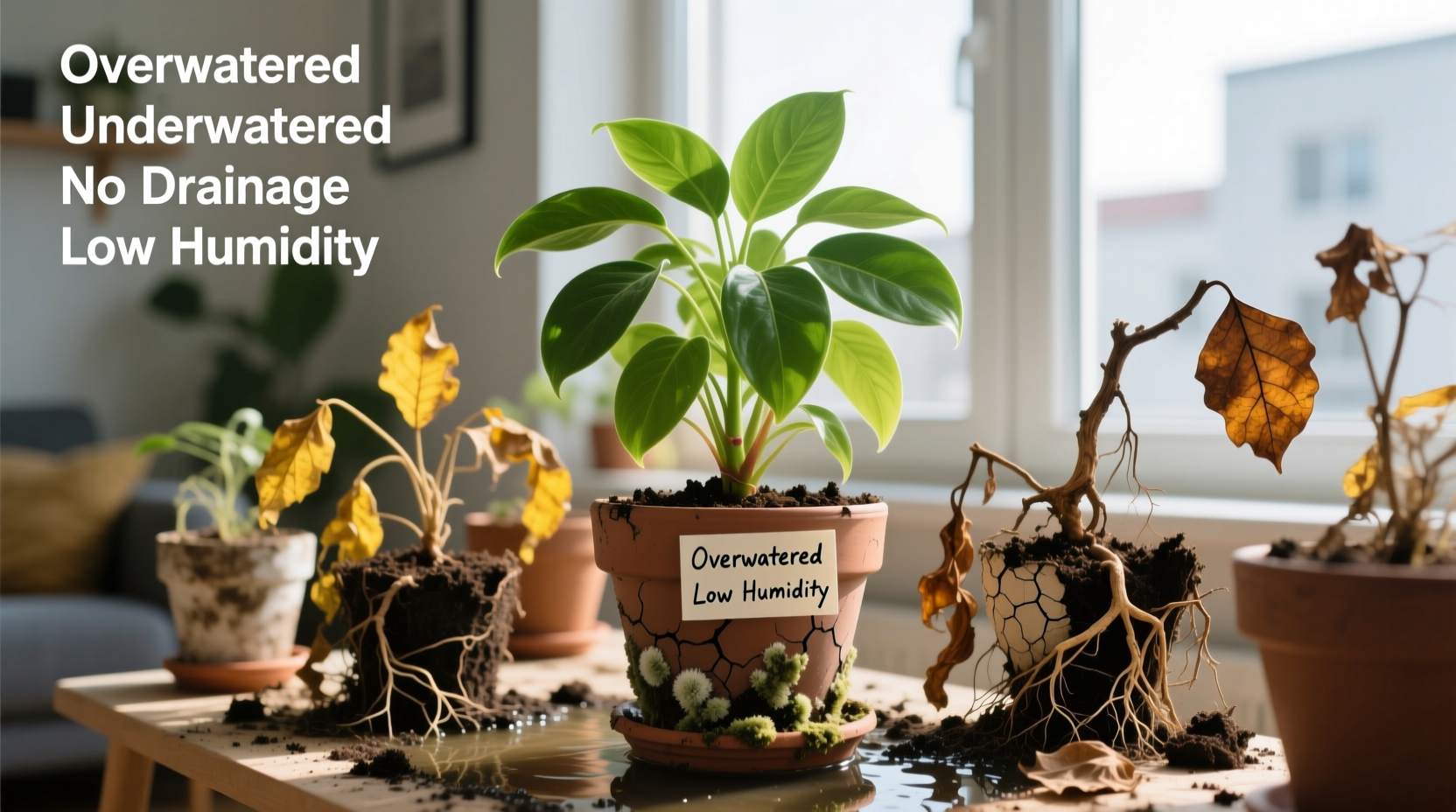
Many plant owners believe that placing a plant in a bright room equates to proper lighting. But brightness isn’t always quality. Natural light varies by season, time of day, and window orientation. A spot that feels bright in summer may become insufficient in winter due to shorter daylight hours and lower sun angles. Additionally, different plants have vastly different light requirements. What’s “perfect” for a fiddle-leaf fig might be too intense for a peace lily or too weak for a succulent.
Even more critical is understanding light intensity and duration. Plants rely on photosynthesis, which requires consistent exposure to the right spectrum and strength of light. A plant near a north-facing window may receive ambient light all day but never get enough intensity to thrive. Conversely, direct midday sun through a south-facing glass can scorch leaves, especially in summer.
“Light is foundational, but it’s not standalone. A plant in perfect light will still fail if other environmental needs aren’t met.” — Dr. Lila Chen, Botanist & Indoor Plant Specialist
Overwatering: The Silent Killer
No factor causes more plant deaths than improper watering—especially overwatering. It’s counterintuitive, but most houseplants die not from thirst, but from drowning. When soil stays wet for too long, roots suffocate, leading to root rot, fungal infections, and eventual collapse.
The misconception often starts with good intentions. Seeing a dry top layer of soil, many assume the plant needs water immediately. However, moisture levels deeper down can remain high even when the surface feels dry. Tropical plants like pothos or monstera prefer to dry out partially between waterings, while succulents and cacti require the soil to dry completely.
Signs of overwatering include yellowing leaves, mushy stems, blackened roots, and a musty odor from the soil. Once root rot sets in, recovery is difficult—even with perfect lighting.
Poor Drainage and Potting Issues
A pot without drainage holes is a death sentence for most plants. Even if you water carefully, excess moisture has nowhere to escape, pooling at the bottom and creating a soggy environment. Decorative outer pots without inner liners exacerbate this problem.
Equally important is the choice of soil. Many beginners use standard garden soil, which compacts easily indoors and doesn’t allow proper airflow to roots. Houseplants need well-aerated, fast-draining mixes tailored to their type. For example:
| Plant Type | Recommended Soil Mix | Avoid |
|---|---|---|
| Tropicals (Pothos, Philodendron) | Peat-based mix with perlite and orchid bark | Heavy garden soil |
| Succulents & Cacti | Cactus mix with added sand or pumice | Moisture-retentive soils |
| Orchids | Bark-based or sphagnum moss mix | Regular potting soil |
Repotting frequency also matters. Over time, soil breaks down and loses structure, reducing drainage and aeration. Most plants benefit from fresh soil every 1–2 years. Ignoring this leads to compacted, lifeless media that retains too much water and limits nutrient uptake.
Humidity and Airflow Neglect
Indoor environments, especially in heated or air-conditioned homes, are often far drier than the native habitats of most tropical houseplants. Low humidity causes leaf browning, curling, and increased susceptibility to pests like spider mites.
Plants such as calatheas, ferns, and monsteras thrive in 50–70% relative humidity. In contrast, average home humidity ranges from 30–50%, dropping even lower in winter. While misting offers temporary relief, it does little to sustainably raise ambient moisture.
Air circulation is another underappreciated factor. Stagnant air encourages mold, mildew, and pest infestations. Gentle airflow helps strengthen stems and discourages fungal growth. However, avoid placing plants directly in the path of heating vents or fans, which can cause rapid drying and temperature stress.
Nutrient Imbalance and Fertilizing Errors
Fertilizer is often misused either by over-application or complete neglect. During active growing seasons (spring and summer), most plants benefit from diluted liquid fertilizer every 4–6 weeks. However, feeding during dormancy (fall and winter) can burn roots and accumulate salts in the soil.
Yellowing leaves are frequently mistaken for nitrogen deficiency when they’re actually caused by overwatering or poor drainage. Before adding fertilizer, assess the full context: soil condition, watering habits, and root health.
Signs of over-fertilization include brown leaf tips, white crust on soil surface (salt buildup), and stunted growth. To remedy this, flush the soil with distilled or filtered water until it drains freely from the bottom, repeating 2–3 times.
Real Example: The Case of the Dying ZZ Plant
Maria, an office worker in Chicago, bought a ZZ plant because she was told it was “nearly indestructible.” She placed it on her desk near a large east-facing window, watering it once a week. After three months, the stems began to soften, and leaves turned yellow from the base upward.
She assumed it wasn’t getting enough light and moved it closer to the window. When that didn’t help, she started fertilizing monthly. The decline accelerated.
Upon inspection, a plant specialist discovered the issue: the pot had no drainage holes, and Maria was watering on a fixed schedule regardless of soil moisture. The roots were rotting. Despite excellent morning light, the plant was drowning.
After repotting into a container with drainage using a gritty succulent mix and adjusting her watering routine, the plant stabilized within weeks. New growth emerged, proving that even the toughest plants have limits.
Step-by-Step Guide to Reviving Struggling Plants
If your plants keep failing despite good lighting, follow this systematic approach to diagnose and correct underlying issues:
- Assess Root Health: Gently remove the plant from its pot. Look for firm, white or tan roots. Black, mushy, or foul-smelling roots indicate rot. Trim affected areas with sterile scissors.
- Check Soil Moisture Deeply: Use a moisture meter or your finger to test at least 2 inches below the surface. Adjust watering frequency accordingly.
- Evaluate Pot and Drainage: Ensure the container has drainage holes. If not, transfer to a suitable pot. Add a layer of gravel or broken pottery at the bottom to improve flow (optional).
- Refresh the Soil: Replace old, compacted soil with a fresh, appropriate mix. This restores aeration and nutrient balance.
- Adjust Environment: Monitor humidity with a hygrometer. Increase airflow with a small fan on low setting, and consider a humidifier for tropical species.
- Revise Fertilizing Routine: Suspend feeding if the plant is stressed. Resume only during active growth with half-strength balanced fertilizer.
- Observe and Adapt: Track changes weekly. Healthy new growth is the best sign of recovery.
Common Mistakes Checklist
To prevent future plant loss, use this checklist to audit your care routine:
- ✅ Am I checking soil moisture before watering?
- ✅ Does my pot have drainage holes?
- ✅ Am I using the right soil mix for my plant type?
- ✅ Is humidity adequate for tropical species?
- ✅ Do I provide gentle air circulation?
- ✅ Am I fertilizing only during growing season?
- ✅ Have I repotted recently if the plant is root-bound?
- ✅ Am I avoiding cold drafts and heating vents?
Frequently Asked Questions
Why are my plant’s leaves turning yellow even though I give it plenty of light?
Yellowing leaves are most commonly caused by overwatering or poor drainage, not lack of light. Check the soil moisture and root condition. Nutrient deficiencies or excessive fertilizer can also contribute.
Can a plant get too much light even if it’s not direct sun?
Yes. Some shade-loving plants, like snake plants or certain ferns, can suffer from too much ambient light. Symptoms include pale or bleached foliage and crispy edges. Move them slightly farther from the window or use sheer curtains to diffuse brightness.
How do I know if my plant needs to be repotted?
Signs include roots growing through drainage holes, water running straight through the pot, slow growth despite good conditions, or the plant tipping over easily. Most houseplants need repotting every 1–2 years.
Conclusion: Beyond the Window Light
Perfect lighting is essential—but it’s not enough. Healthy plants require a holistic approach that includes proper watering, well-draining soil, suitable containers, adequate humidity, and seasonal care adjustments. Recognizing that each plant has unique needs beyond light exposure transforms guesswork into informed stewardship. By addressing the hidden mistakes outlined here, you shift from repeatedly losing plants to nurturing resilient, vibrant green companions.




 浙公网安备
33010002000092号
浙公网安备
33010002000092号 浙B2-20120091-4
Comments
No comments yet. Why don't you start the discussion?