
Sleeping on soft, smooth sheets should be a nightly comfort, not an irritation. Yet many people find that within just a few wash cycles, their once-luxurious bedding develops small, fuzzy balls—known as pilling—on the surface. This common issue affects both high-end and budget-friendly linens, leaving sleepers frustrated and questioning whether they made a poor purchase. The truth is, pilling isn't always about quality alone; it's often the result of fiber type, weave structure, washing habits, and daily use. Understanding the science behind pilling and adopting smarter care practices can dramatically extend the life and comfort of your sheets.
What Causes Sheets to Pill?
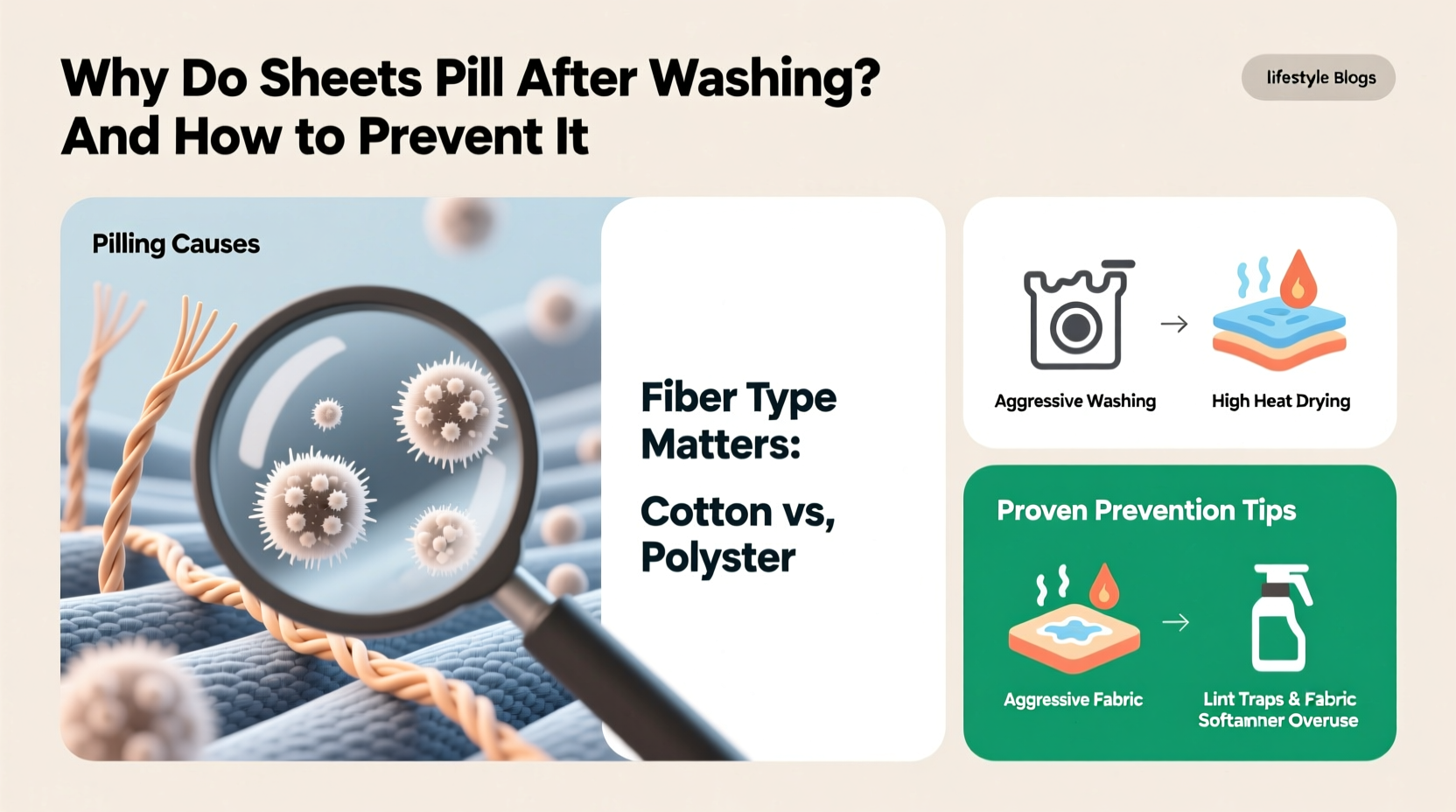
Pilling occurs when short or broken fibers on the fabric surface tangle together into tiny knots due to friction and abrasion. These knots form visible clusters that detract from the sheet’s appearance and feel. While it might seem like a flaw in manufacturing, pilling is a natural process influenced by multiple factors:
- Fiber composition: Synthetic fibers like polyester are more prone to pilling than natural ones such as cotton or linen. Even cotton varieties differ—short-staple cotton pills more easily than long-staple types like Egyptian or Pima.
- Weave tightness: Loosely woven fabrics allow fibers to shift and break more freely, increasing the likelihood of pilling. Percale weaves tend to resist pilling better than flannel or jersey knits.
- Mechanical stress: Regular movement during sleep, especially if you toss and turn, creates constant friction between layers. This wear accelerates fiber breakdown.
- Washing conditions: High heat, aggressive agitation, and harsh detergents weaken fibers over time, making them more susceptible to breaking and tangling.
“Pilling doesn’t mean your sheets are defective—it means they’re under mechanical stress. How you wash and dry them plays a bigger role than most realize.” — Dr. Lena Hartwell, Textile Scientist at the Institute for Fabric Durability
Fiber Types and Their Pilling Tendencies
Not all bed linens respond the same way to washing and use. The choice of material significantly impacts durability and resistance to pilling. Below is a comparison of common sheet fabrics based on their pilling risk:
| Fabric Type | Pilling Risk | Why It Pills (or Doesn’t) | Lifespan with Proper Care |
|---|---|---|---|
| Polyester Blends | High | Synthetic fibers are strong but don’t shed cleanly; broken ends tangle instead of falling off. | 1–3 years |
| Short-Staple Cotton | High | Short fibers break easily and migrate to the surface, forming pills. | 1–2 years |
| Long-Staple Cotton (e.g., Egyptian, Pima) | Low to Moderate | Longer fibers create stronger yarns that resist breakage and stay intact longer. | 3–5+ years |
| Linen | Very Low | Naturally durable fibers with minimal loose ends; becomes softer without degrading. | 5+ years |
| Bamboo (Rayon from Bamboo) | Moderate | Soft but delicate fibers degrade faster under heat and friction, leading to early pilling. | 2–3 years |
The takeaway? Investing in high-quality, tightly woven long-staple cotton or linen may cost more upfront but pays off in longevity and comfort. Avoid blends with polyester unless clearly labeled as anti-pill treated.
How Washing Habits Accelerate Pilling
Even the best sheets will deteriorate quickly if washed incorrectly. Many standard laundry practices unintentionally promote fiber damage. Common culprits include:
- Overloading the machine: Crowded drums increase friction between clothes and sheets, causing fibers to rub aggressively.
- Using hot water: High temperatures weaken cellulose-based fibers like cotton and cause synthetic blends to degrade faster.
- Harsh detergents: Bleach and enzyme-heavy formulas strip protective finishes and erode fiber integrity.
- Drying on high heat: Excessive heat makes fibers brittle and encourages shrinkage, which increases tension and breakage.
A real-world example illustrates this well: Sarah, a nurse working night shifts, noticed her new sateen sheets began pilling heavily after only five washes. She was using a heavy-duty detergent meant for workout gear and drying everything on high to sanitize after long shifts. After switching to cold water, a mild detergent, and air-drying, she stopped new pilling and preserved the remaining fabric for over a year.
Mini Case Study: From Fuzzy to Flawless
Jamal bought premium bamboo-blend sheets hoping for silky comfort. Within two months, they were covered in pills. He reviewed his routine: washing with towels (high friction), using fabric softener (coats fibers, trapping debris), and drying with tennis balls (meant to fluff but actually abrading). After adjusting to a gentler cycle, separating sheets from bulky items, and eliminating additives, the pilling stabilized and no new clusters formed. His sheets regained smoothness through careful hand-rolling and lint brushing.
Step-by-Step Guide to Prevent Sheet Pilling
Preventing pilling requires consistent, mindful care. Follow this timeline and routine to keep your sheets looking fresh wash after wash:
- Before First Use: Wash new sheets in cold water with a mild detergent. This removes excess dye and pre-shrinks fabric gently.
- Sorting: Always wash sheets separately from towels, jeans, or zippers. These items create excessive abrasion.
- Detergent Choice: Use a liquid detergent formulated for delicates. Avoid powders that don’t dissolve fully and grit can scratch fibers.
- Wash Cycle Settings:
- Temperature: Cold (below 30°C / 86°F)
- Cycle: Gentle or delicate mode
- Spin speed: Medium (to minimize twisting stress)
- Drying:
- Air-dry flat or hang when possible—this eliminates tumbling friction entirely.
- If using a dryer, select low heat and remove while slightly damp to reduce overheating.
- Add wool dryer balls instead of plastic or rubber ones—they soften fabric naturally without snagging.
- Storage: Fold neatly and store in a cool, dry place away from direct sunlight. Avoid vacuum-sealed bags, which compress fibers unnaturally.
- Maintenance: Every few months, inspect sheets for early signs of pilling. Gently remove pills with a fabric shaver or fine comb to prevent spread.
Checklist: Best Practices to Stop Sheet Pilling
Keep this checklist handy for every laundry day:
- ✅ Wash sheets separately from rough fabrics
- ✅ Use cold water and gentle cycle
- ✅ Choose mild, bleach-free detergent
- ✅ Turn sheets inside out before washing
- ✅ Air-dry when possible; use low heat if machine drying
- ✅ Never overload the washer or dryer
- ✅ Remove promptly after drying to prevent wrinkling and crease stress
- ✅ Store folded, not compressed or hung long-term
- ✅ De-pill gently with a fabric shaver every 2–3 months
- ✅ Invest in long-staple cotton, linen, or certified anti-pill synthetics
Do’s and Don’ts of Sheet Care
| Do’s | Don’ts |
|---|---|
| Use pH-neutral detergents | Use chlorine bleach or oxygen boosters frequently |
| Wash every 1–2 weeks | Let spills or sweat sit for weeks before washing |
| Rotate between 2–3 sets of sheets | Sleep in the same set for over two weeks straight |
| Repair small tears immediately | Ignore snags—they worsen with friction |
| Brush off lint or hair before washing | Wash dirty sheets with clean ones |
Consistency matters more than perfection. Small adjustments compound over time, preserving both texture and tensile strength.
FAQ: Common Questions About Sheet Pilling
Does thread count affect pilling?
Thread count alone doesn’t prevent pilling. A 1,000-thread-count sheet made from short-staple cotton may pill faster than a 300-thread-count long-staple percale. Focus on fiber quality and weave integrity rather than number chasing.
Can I reverse pilling once it starts?
You can’t restore broken fibers, but you can improve appearance. Use a battery-powered fabric shaver or a fine sweater stone to carefully remove pills. Do this sparingly and always on dry, flat fabric to avoid damaging the base material.
Are expensive sheets worth it if they still pill?
Higher-priced sheets often use superior raw materials and tighter weaves, which delay pilling and maintain comfort longer. However, even luxury linens require proper care. If maintained correctly, premium sheets typically last 2–3 times longer than budget options, making them cost-effective over time.
Conclusion: Protect Your Sleep Investment
Your sheets are one of the most-used textiles in your home, enduring nightly friction and frequent laundering. Pilling is not inevitable—it’s manageable. By choosing better fibers, refining your laundry approach, and treating your bedding with intention, you can enjoy smooth, pill-free sheets for years. Remember, great sleep starts with great care. Take a close look at how you wash, dry, and store your linens. A few simple changes today can transform the lifespan and comfort of your bed.




 浙公网安备
33010002000092号
浙公网安备
33010002000092号 浙B2-20120091-4
Comments
No comments yet. Why don't you start the discussion?