
Few things are as disappointing as buying a new set of soft, luxurious sheets only to see them develop unsightly little balls of fiber—pills—after just a few washes. Pilling not only makes your bedding look worn and aged, but it can also affect comfort and durability. The good news is that pilling isn’t inevitable. With the right care practices and an understanding of fabric behavior, you can significantly reduce or even prevent this common laundry issue. This guide dives into the science behind pilling, identifies the factors that accelerate fabric damage, and offers actionable strategies to keep your sheets smooth, soft, and long-lasting.
What Causes Sheets to Pill After Washing?
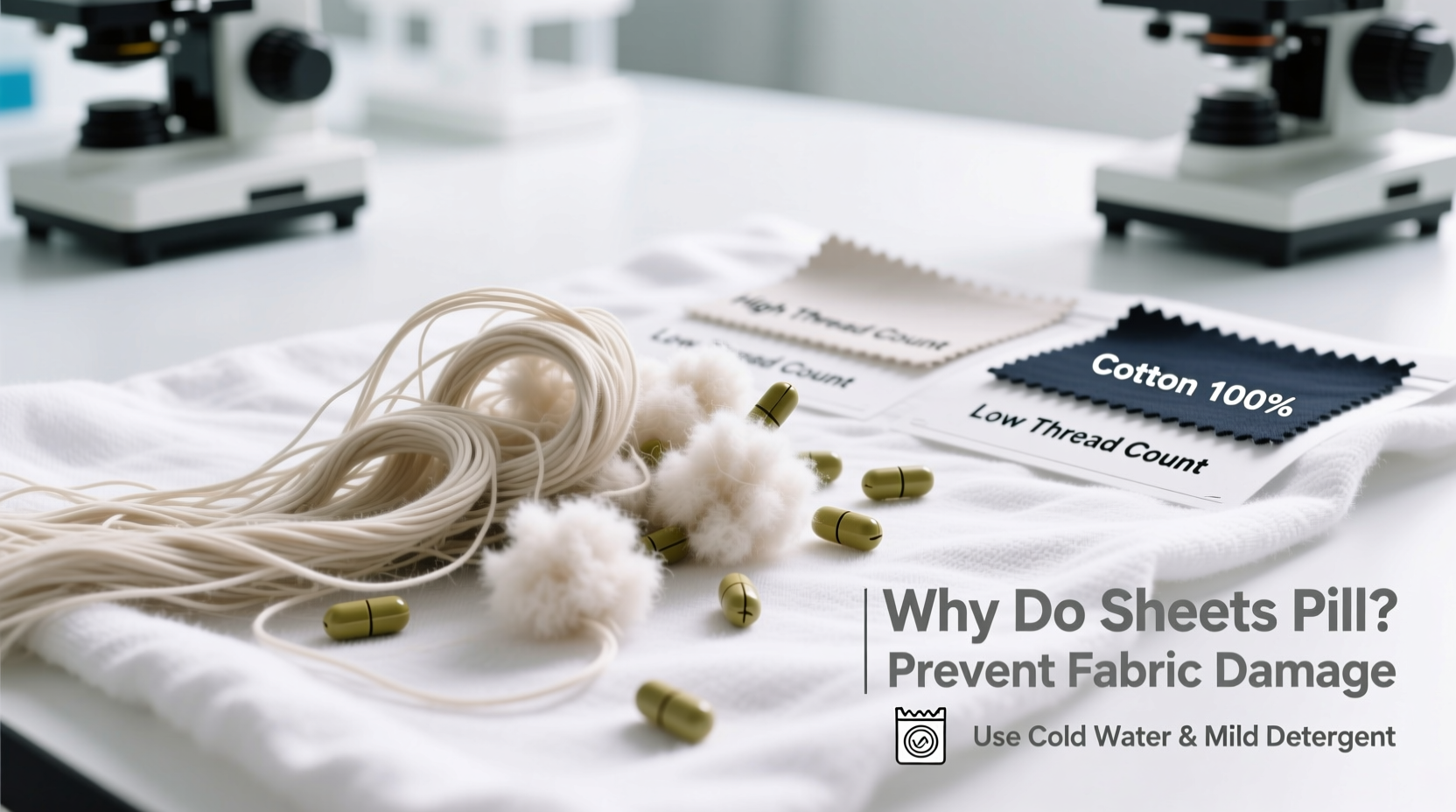
Pilling occurs when short or broken fibers on the surface of fabric tangle together and form small clusters. These pills are more than just cosmetic flaws—they’re signs of mechanical stress and fiber degradation. While some degree of pilling is normal over time, excessive pilling after only a few washes points to underlying issues in either the fabric quality or laundering process.
The primary causes include:
- Fiber type and weave: Synthetic blends like polyester-cotton are more prone to pilling than natural, long-staple fibers such as Egyptian cotton or linen.
- Fabric construction: Loosely woven or knitted fabrics have fibers that pull more easily, increasing friction and pilling risk.
- Mechanical agitation: High-speed washing and drying cycles create friction that breaks fibers and encourages pilling.
- Harsh detergents: Detergents with bleach or strong enzymes can weaken fibers over time.
- Overloading or underloading the washer: Too much load increases rubbing; too little causes excessive tumbling.
“Pilling is often mistaken for poor quality, but it’s usually a combination of fiber choice, weave tightness, and improper care.” — Dr. Lena Torres, Textile Scientist at the Institute for Fabric Durability
Choosing the Right Sheets to Minimize Pilling
Prevention starts before the first wash. The foundation of long-lasting, pill-resistant sheets lies in smart material selection and construction quality.
Natural vs. Synthetic Fibers: Natural fibers like cotton, especially long-staple varieties (e.g., Pima or Egyptian cotton), have longer, stronger fibers that resist breaking. In contrast, short-staple cotton or synthetic blends like polyester generate more lint and are highly susceptible to pilling due to their shorter fiber length and static-prone nature.
Weave Type Matters:
- Percale: A tight, plain weave that resists pilling well and feels crisp.
- Sateen: Has a smoother, silkier finish due to a four-over-one-under weave, but slightly more prone to pilling if made from lower-quality cotton.
- Jersey: Knit fabric, soft like a T-shirt, but highly prone to pilling due to its stretchy structure.
Fabric Quality Indicators to Check Before Buying
| Fabric Feature | Good Sign | Red Flag |
|---|---|---|
| Fiber Length | Long-staple (Egyptian, Pima) | Short-staple or unspecified cotton |
| Weave Type | Tight percale or sateen | Loose knit (jersey) or flannel |
| Thread Count | 300–500 (realistic range) | Over 800 (often misleading marketing) |
| Fabric Processing | Combed, ring-spun, mercerized | No mention of processing |
| Blends | 100% cotton or linen | Polyester-cotton blend (e.g., 50/50) |
How to Wash Sheets Without Causing Damage
Even high-quality sheets will deteriorate quickly without proper laundering techniques. The key is minimizing mechanical stress and chemical exposure while maintaining cleanliness.
Step-by-Step Guide to Gentle Sheet Washing
- Turn sheets inside out: This protects the outer surface from abrasion during the wash cycle.
- Use cold or warm water (max 40°C / 104°F): Hot water weakens fibers and promotes shrinkage and pilling.
- Select a gentle cycle: Use “Delicate” or “Hand Wash” mode to reduce agitation.
- Don’t overload the machine: Leave space equivalent to the size of a softball between the top of the load and the drum lid.
- Use mild, pH-neutral detergent: Avoid formulas with bleach, optical brighteners, or heavy enzymes.
- Add vinegar occasionally: ½ cup of white vinegar in the rinse cycle helps remove detergent residue and soften fibers naturally.
- Avoid fabric softeners: They coat fibers with chemicals that reduce absorbency and increase pilling over time.
Drying and Storing Sheets to Prevent Fabric Wear
Drying is where many people unknowingly compromise sheet longevity. High heat and prolonged tumbling degrade fibers faster than washing.
Air-dry when possible: Hang sheets on a clothesline or drying rack. This method eliminates heat damage and reduces wrinkles. If outdoor drying isn't feasible, use an indoor rack near a fan or open window.
If using a dryer:
- Use low or medium heat settings.
- Remove sheets while still slightly damp to minimize heat exposure.
- Add wool dryer balls instead of plastic ones—they reduce static and soften fabric without coating fibers.
- Avoid over-drying, which makes fibers brittle and prone to breakage.
Proper Storage Tips
- Store clean, completely dry sheets in a cool, dry place away from direct sunlight.
- Fold neatly and avoid cramming them into overcrowded linen closets.
- Keep them in breathable cotton bags or original packaging with ventilation—never in plastic, which traps moisture and promotes mildew.
“Air drying is the single most effective way to preserve both color and texture in bed linens.” — Maria Chen, Home Care Specialist and Sustainable Living Advocate
Real Example: How One Household Reduced Pilling by 80%
Jessica M., a mother of two in Portland, noticed her expensive sateen sheets began pilling within three weeks of purchase. Frustrated, she reached out to a local textile lab for advice. After reviewing her laundry habits, the technician discovered several issues: she used hot water, mixed sheets with towels, and relied heavily on liquid fabric softener.
She adjusted her routine by switching to cold water, washing sheets alone on a gentle cycle, replacing softener with vinegar, and air-drying. Within two months, new sheets showed no signs of pilling—even after eight washes. Her older sets stopped developing new pills, and overall softness improved.
This case highlights how small changes in daily habits can yield dramatic improvements in fabric longevity.
Checklist: Best Practices to Prevent Sheet Pilling
Follow this checklist every time you wash and store your sheets:
- ✅ Buy 100% long-staple cotton or linen sheets
- ✅ Avoid polyester blends and jersey knits
- ✅ Turn sheets inside out before washing
- ✅ Use cold or warm water, never hot
- ✅ Select gentle or delicate wash cycle
- ✅ Wash sheets separately—no towels or heavy items
- ✅ Use mild, eco-friendly detergent without bleach
- ✅ Skip fabric softener; use vinegar instead
- ✅ Air-dry when possible; use low heat if machine drying
- ✅ Remove from dryer while slightly damp
- ✅ Store folded in a dry, ventilated space
- ✅ Rotate between 2–3 sets to reduce wear frequency
Frequently Asked Questions
Can I remove existing pills from my sheets?
Yes. Use a fabric shaver or a fine-tooth sweater comb to gently remove pills. Do this sparingly, as aggressive removal can damage the base fabric. Always test on a small, inconspicuous area first.
Does thread count really affect pilling?
Not directly—but higher thread counts made with multi-ply yarns or inflated numbers (e.g., 1000-thread-count) often indicate lower-quality weaving. True durability comes from long-staple fibers and tight, balanced weaves, typically found in 300–500 thread count sheets.
How often should I wash my sheets?
Weekly washing is ideal for hygiene, but if you want to reduce wear, every 7–10 days is sufficient for most households. Using a mattress protector and pillow covers can extend time between washes without sacrificing cleanliness.
Conclusion: Protect Your Investment with Smarter Care
Your sheets are more than just bedroom decor—they’re a daily comfort essential and a worthwhile investment. Pilling doesn’t have to be an unavoidable consequence of regular use. By choosing high-quality materials, adjusting your laundry routine, and adopting mindful drying and storage habits, you can dramatically extend the life and appearance of your bedding.
Start today by auditing your current sheets and washing practices. Replace harsh detergents, ditch fabric softeners, and give air drying a try. Small shifts compound into lasting results. With consistent care, your sheets can stay smooth, soft, and pill-free for years—not weeks.




 浙公网安备
33010002000092号
浙公网安备
33010002000092号 浙B2-20120091-4
Comments
No comments yet. Why don't you start the discussion?