
There’s nothing quite as disappointing as unwrapping a fresh set of luxurious-looking sheets only to find them rough, fuzzy, and covered in little fabric balls after just a few weeks. Pilling—those tiny clusters of tangled fibers that form on the surface of fabric—is one of the most common laundry frustrations. It doesn’t mean you’ve bought low-quality bedding, nor does it always reflect poor care. However, understanding why pilling occurs and how to prevent it can dramatically extend the life and comfort of your sheets.
Pilling happens due to friction and abrasion during use and washing. Over time, individual fibers break and tangle into small knots. While some degree of pilling is inevitable with regular use, excessive or premature pilling points to specific issues in fiber choice, weave structure, laundering habits, or even environmental factors like humidity and body chemistry.
This guide dives deep into the science behind sheet pilling, explores which materials are most vulnerable, and delivers practical, tested strategies to minimize damage and maintain a smooth, inviting sleep surface for years.
What Causes Sheets to Pill?
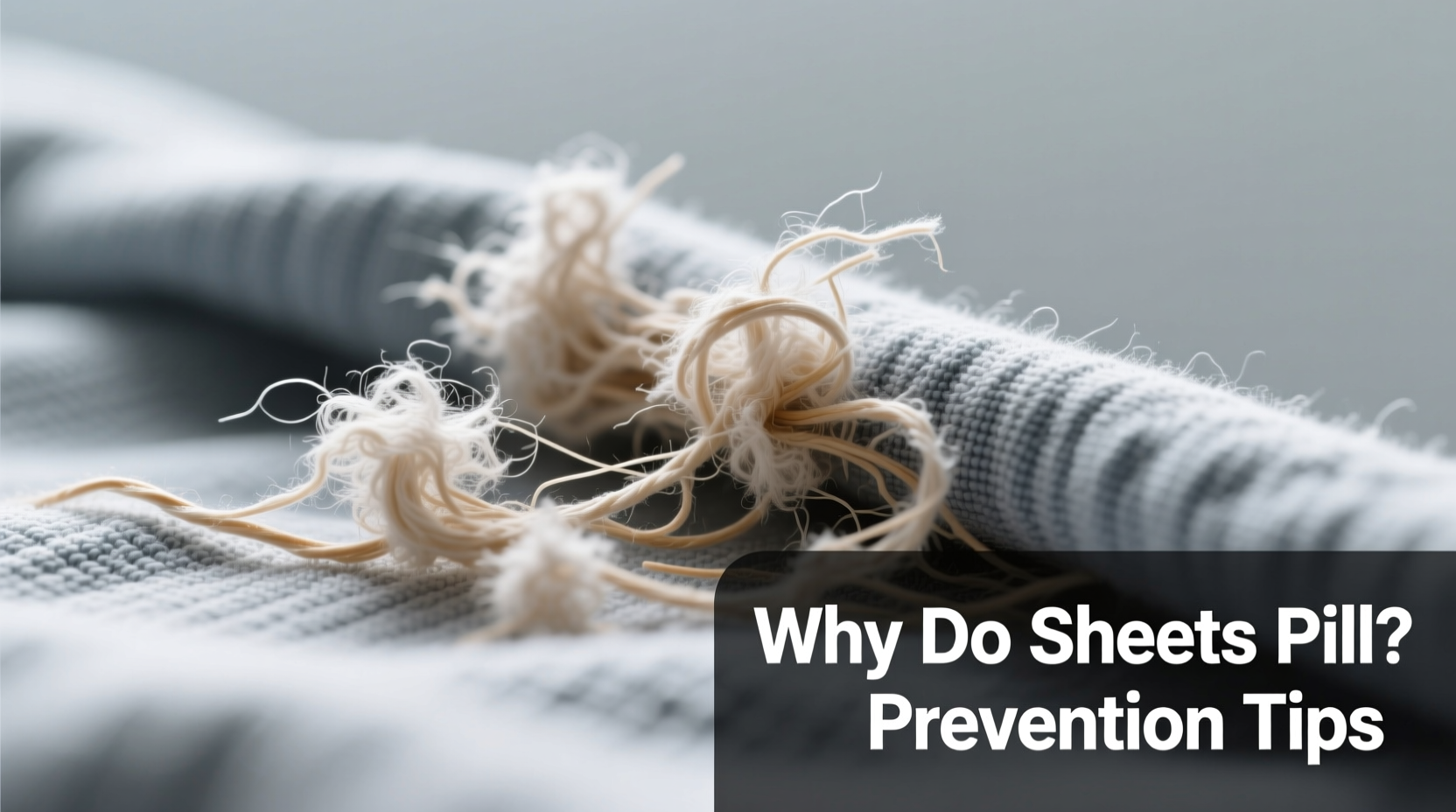
Pilling is not a manufacturing defect—it's a natural response of textile fibers under stress. When fibers rub against each other repeatedly, they weaken and break. The broken ends then twist together, forming pills. Several interrelated factors contribute to this process:
- Fabric Composition: Synthetic blends like polyester-cotton are more prone to pilling than pure natural fibers such as high-thread-count cotton sateen or linen. Polyester fibers are strong but less breathable and tend to trap broken ends rather than shedding them.
- Weave Type: Loosely woven fabrics (like percale) may pill less initially but lack durability. Tightly woven sateen weaves resist pilling better if made from long-staple cotton.
- Friction Sources: Body movement during sleep, contact with rough skin (especially dry elbows or heels), and zippers or buttons on pajamas all increase abrasion.
- Washing Habits: Overloading machines, using harsh detergents, high heat, and aggressive agitation accelerate fiber breakdown.
- Drying Methods: Tumble drying at high temperatures weakens fibers and promotes tangling, especially when combined with heavy items like towels.
“Pilling is often misunderstood. It doesn't indicate poor quality alone—it reflects usage patterns and care routines.” — Dr. Lena Hartman, Textile Scientist at the Global Fabric Institute
Choosing Sheets That Resist Pilling
The foundation of long-term performance starts with smart purchasing decisions. Not all sheets are created equal when it comes to durability and resistance to pilling.
Opt for Long-Staple Cotton Varieties: Egyptian, Pima, or Supima cotton feature longer fibers that are stronger and smoother. These fibers are less likely to break and tangle compared to short-staple cotton commonly used in budget linens.
Avoid Low-Quality Blends: Fabrics labeled “microfiber” or “polyester blend” may feel soft initially but degrade faster. Polyester traps moisture and generates static, increasing surface friction and trapping loose fibers into pills.
Check Weave Density: A higher thread count isn’t always better—but when paired with quality yarns, it indicates tighter construction. Look for thread counts between 300–600 made from combed or ring-spun cotton for optimal strength and softness retention.
Best Practices for Washing Sheets
How you wash your sheets plays a bigger role in their lifespan than many realize. Aggressive cycles and chemical overload do cumulative damage invisible until pilling appears.
Step-by-Step Guide to Gentle Sheet Laundering
- Separate Bedding: Wash sheets separately from towels, jeans, or clothing with zippers. Heavy fabrics create friction that damages delicate fibers.
- Use Cold Water: Hot water degrades cotton and synthetic fibers over time. Stick to cold or lukewarm settings (below 30°C / 86°F).
- Choose Mild Detergent: Avoid bleach, optical brighteners, and enzyme-heavy formulas. Use a gentle, liquid detergent designed for delicates or fine fabrics.
- Reduce Load Size: Overcrowding causes uneven cleaning; too little load increases tumbling intensity. Fill the drum halfway for balanced agitation.
- Select Delicate Cycle: Use low spin speeds and reduced agitation. Front-loading machines generally treat fabrics more gently than top-loaders with central agitators.
- Rinse Thoroughly: Residue from soap or minerals in hard water can stiffen fibers and promote breakage. Consider an extra rinse cycle.
Do’s and Don’ts of Sheet Care
| Do | Don't |
|---|---|
| Wash every 1–2 weeks to prevent oil buildup | Wait longer than 3 weeks between washes |
| Turn off dryer’s high-heat setting | Tumble dry on high heat regularly |
| Add wool dryer balls to reduce drying time | Use plastic or rubber dryer balls that generate static |
| Line dry when possible to preserve fibers | Hang synthetics in direct sunlight for hours (UV degrades fibers) |
| Store clean, dry sheets in breathable cotton bags | Keep folded sheets in plastic bins where moisture can accumulate |
Real-Life Example: How Sarah Reduced Pilling by 70%
Sarah, a nurse working night shifts, noticed her expensive cotton-blend sheets were developing visible pills within six weeks. Despite washing them weekly, she was loading them with workout clothes and towels, using a standard powder detergent with bleach boosters, and drying everything on high heat.
After consulting a textile care specialist, she adjusted her routine: she began washing sheets alone in cold water with a mild liquid detergent, switched to wool dryer balls, and hung them outdoors whenever weather permitted. Within three months, new pilling stopped forming, and existing pills gradually diminished with gentle brushing.
“I didn’t realize how much my laundry habits were harming my sheets,” Sarah said. “Now they feel soft again—even after eight months of nightly use.”
Prevention Checklist: Stop Pilling Before It Starts
To keep your sheets smooth and intact, follow this actionable checklist consistently:
- ✅ Buy sheets made from 100% long-staple cotton or linen
- ✅ Avoid fabric softeners—they coat fibers and reduce breathability
- ✅ Wash sheets separately from abrasive garments
- ✅ Use cold water and a gentle cycle
- ✅ Air-dry when possible; otherwise, tumble dry on low
- ✅ Fold neatly and store in a cool, dry place away from direct light
- ✅ Remove sheets promptly after drying to prevent creasing and fiber stress
- ✅ Gently brush sheets with a fabric shaver or sweater stone every few months to remove early-stage pills
FAQ: Common Questions About Sheet Pilling
Does a higher thread count prevent pilling?
Not necessarily. While higher thread counts often indicate tighter weaving, which helps resist pilling, the quality of the yarn matters more. A 400-thread-count sheet made from combed Supima cotton will outperform a 1000-thread-count sheet made from short-staple or blended fibers.
Can I reverse pilling once it starts?
You can’t restore broken fibers, but you can improve appearance. Use a fabric shaver, electric lint remover, or even a disposable razor (used carefully) to gently skim pills off the surface. Regular maintenance prevents large clusters from forming.
Are certain colors more prone to showing pills?
Yes. Light-colored and dark-colored sheets tend to show pilling more visibly than mid-tones. White sheets highlight grayish fuzz, while black sheets make white pills stand out. Patterned or textured weaves can help camouflage minor pilling.
Expert Insight: What Industry Professionals Recommend
According to fabric engineers at leading home textile labs, the key to longevity lies in minimizing mechanical stress throughout the product lifecycle.
“The biggest mistake people make is treating sheets like towels. They’re meant for comfort, not durability under extreme conditions. Treat them like fine garments—gentle wash, low heat, careful handling.” — Marcus Tran, Senior Product Developer at LinenCraft Labs
Tran also emphasizes the importance of pH-neutral detergents: “Alkaline-heavy detergents strip natural oils from cotton, making fibers brittle. Over time, this leads to micro-tears and accelerated pilling.”
Conclusion: Protect Your Sleep Investment
Your sheets are more than just bedroom decor—they’re a daily part of your wellness routine. Investing in quality bedding only pays off if you protect it with proper care. Pilling doesn’t have to be inevitable. By choosing better materials, adjusting your laundry habits, and staying proactive about maintenance, you can enjoy silky-smooth sheets for years instead of months.
Start today: review your current sheets’ fabric content, check your detergent ingredients, and commit to one change in your washing routine. Small adjustments compound into lasting results. Your bed—and your skin—will thank you.




 浙公网安备
33010002000092号
浙公网安备
33010002000092号 浙B2-20120091-4
Comments
No comments yet. Why don't you start the discussion?