
Waking up on soft, smooth sheets should be a nightly luxury, not a rare occurrence. Yet many people find themselves frustrated by the rapid appearance of tiny fabric balls—pills—that make even new bedding feel rough and worn. This common issue isn’t just cosmetic; it signals fabric degradation that shortens the life of your linens. The good news is that pilling isn’t inevitable. With the right knowledge and care practices, you can keep your sheets looking and feeling fresh for years. Understanding what causes pilling and how to prevent it transforms laundry from a chore into a form of long-term textile preservation.
What Causes Sheets to Pill After Washing?
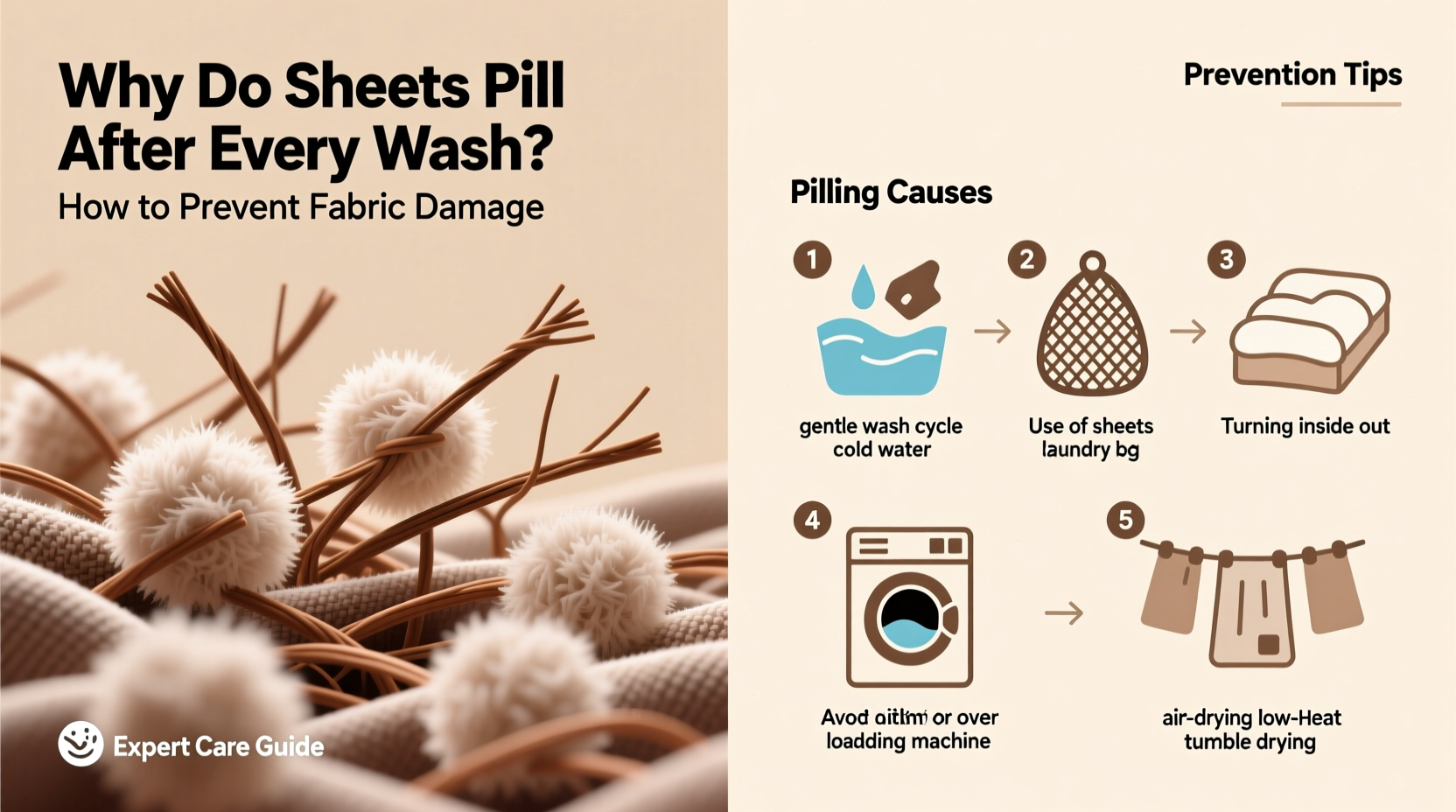
Pilling occurs when individual fibers break, tangle, and form small knots on the surface of fabric. It’s often mistaken for poor quality, but even high-thread-count sheets can pill if subjected to harsh conditions. The root cause lies in mechanical stress: friction during washing, drying, and use weakens fibers over time. Natural fabrics like cotton are especially prone because their fibers have a shorter staple length and are more susceptible to abrasion than synthetic alternatives.
Several factors accelerate this process:
- Aggressive washing cycles: High spin speeds and tumbling create friction between fabrics.
- Mixed loads: Washing sheets with towels, zippers, or buttons increases abrasion.
- Harsh detergents: Strong chemicals degrade fiber integrity, especially in repeated use.
- Overloading the machine: Crowded drums restrict movement, increasing rubbing between items.
- Drying at high heat: Heat weakens fibers and promotes shrinkage, making them brittle and prone to breaking.
While some pilling is normal with regular use, excessive pilling after every wash indicates a flaw in your laundering routine—not necessarily in the sheets themselves.
Fabric Type Matters: Which Sheets Are Most Prone to Pilling?
Not all sheets react the same way to washing. The material plays a crucial role in how quickly and severely pilling occurs. Here's a breakdown of common sheet fabrics and their resistance to pilling:
| Fabric Type | Pilling Tendency | Why It Happens |
|---|---|---|
| Cotton (especially short-staple) | High | Shorter fibers break easily and tangle into pills under friction. |
| Microfiber (polyester-based) | Medium to High | Synthetic fibers resist moisture but can melt slightly under heat, leading to clumping. |
| Linen | Low to Medium | Long, strong fibers resist breakage, though initial shedding is common. |
| TENCEL™ (Lyocell) | Low | Smooth, long fibers with high tensile strength resist abrasion well. |
| Silk | Low (but delicate) | Natural protein fibers are strong but damaged by alkaline detergents and heat. |
Higher-quality cotton sheets made from long-staple varieties like Egyptian or Pima cotton are significantly more resistant to pilling. These fibers are longer, smoother, and spun into stronger yarns that withstand repeated washing better than their short-staple counterparts.
“Pilling is less about the fabric itself and more about how it’s treated. A $300 Egyptian cotton sheet can pill as badly as a $20 blend if washed improperly.” — Dr. Lena Torres, Textile Scientist, University of Massachusetts Amherst
How to Prevent Fabric Damage and Reduce Pilling
Preventing pilling doesn’t require expensive products or complicated routines. Instead, it hinges on consistent, gentle handling throughout the entire laundry process. The key is minimizing friction and chemical exposure while preserving fiber strength.
Step-by-Step Guide to Gentle Sheet Care
- Turn sheets inside out before washing. This protects the outer surface from direct contact with other fabrics and drum walls.
- Use a mild, pH-balanced detergent. Avoid bleach and optical brighteners, which weaken fibers over time.
- Wash in cold water on a delicate cycle. Cold water reduces fiber stress and prevents shrinking.
- Never overload the washer. Leave enough space for sheets to move freely—about two-thirds full is ideal.
- Avoid fabric softeners. They coat fibers with waxy residues that trap dirt and reduce breathability.
- Remove promptly after washing. Damp fabrics left sitting encourage wrinkling and microbial growth.
- Tumble dry on low heat with wool dryer balls. They soften sheets naturally and reduce drying time.
- Store clean, dry sheets in a cool, ventilated area. Avoid plastic bins that trap moisture.
Real-Life Example: How One Household Reduced Pilling by 80%
Sarah M., a nurse and mother of two in Portland, Oregon, replaced her family’s sheets every six months due to severe pilling. “They looked old within weeks,” she said. “I thought I just couldn’t find good quality ones.” After consulting a linen specialist, she adjusted her routine: switching to cold washes, using half the detergent, removing sheets immediately after drying, and banning towels from sheet loads.
Within three months, pilling slowed dramatically. Her current set of 400-thread-count Egyptian cotton sheets has lasted 18 months with minimal wear. “I didn’t change the brand—just how I cared for them,” Sarah noted. “Now they feel luxurious again.”
This case illustrates that consumer habits often play a larger role than product quality in fabric longevity. Small changes compound into significant results over time.
Do’s and Don’ts of Sheet Maintenance
| Do’s | Don’ts |
|---|---|
| Wash sheets weekly in cold water | Use hot water regularly |
| Use gentle, fragrance-free detergent | Overuse detergent or fabric softener |
| Wash sheets separately or with similar items | Wash with towels, jeans, or zipped garments |
| Dry on low heat with wool dryer balls | Use high heat or dryer sheets |
| Rotate between two sets of sheets | Sleep on the same set continuously without washing |
Rotating between at least two sets allows each pair to rest and recover between uses, reducing fatigue on fibers. Continuous use without rest accelerates wear, especially in high-friction areas like foot zones.
Expert-Backed Checklist for Long-Lasting Sheets
To ensure you're doing everything possible to prevent pilling and fabric damage, follow this practical checklist:
- ☑ Buy long-staple cotton, TENCEL™, or linen for superior durability
- ☑ Use only mild, eco-friendly detergents without enzymes or bleach
- ☑ Wash in cold water on a gentle cycle with minimal load size
- ☑ Skip fabric softeners—opt for wool dryer balls instead
- ☑ Dry on low heat and remove immediately to prevent over-drying
- ☑ Store in breathable cotton bags or open shelves, not plastic
- ☑ Rotate sheets weekly to allow fibers to relax and recover
- ☑ Treat stains promptly with natural solutions like baking soda paste
Consistency is essential. Even one harsh wash can undo weeks of careful maintenance, so treat every laundry session as part of an ongoing preservation effort.
Frequently Asked Questions
Can pilling be reversed or removed?
Yes, minor pilling can be managed. Use a fabric shaver or a fine-tooth comb to gently lift pills from the surface. Avoid pulling by hand, which can damage surrounding fibers. However, removal doesn’t stop future pilling—it only restores appearance temporarily.
Are higher thread counts less likely to pill?
Not necessarily. Thread count alone is not a reliable indicator of quality or durability. A 1,000-thread-count sheet made with short-staple cotton and multi-ply yarns may pill faster than a 300-thread-count sheet made with long-staple, single-ply yarns. Focus on fiber origin and weave type instead.
Is it better to air dry sheets than machine dry?
Air drying is gentler and eliminates heat-related fiber stress, making it ideal for delicate fabrics like silk or linen. However, line drying can cause stiffness and take longer. If using a dryer, always select low heat and don’t over-dry. Hanging sheets to partially dry before finishing in the dryer reduces overall heat exposure.
Conclusion: Protect Your Investment with Smarter Habits
Your sheets are more than bedding—they’re a daily comfort investment. Frequent pilling doesn’t mean you bought poorly made products; it often reflects how they’ve been cleaned and used. By adjusting your laundry habits, choosing better materials, and treating fabric with respect, you can dramatically extend the life and luxury of your linens. The softness you loved on day one doesn’t have to fade after a few washes. With mindful care, it can last for years.




 浙公网安备
33010002000092号
浙公网安备
33010002000092号 浙B2-20120091-4
Comments
No comments yet. Why don't you start the discussion?