
There’s nothing more frustrating than pulling clean sheets from the laundry only to be greeted by a damp, earthy, or mildew-like odor. Musty-smelling linens defeat the purpose of washing—after all, bedtime should feel refreshing, not like sleeping in a basement corner. The truth is, this issue is surprisingly common and often stems from problems in your laundry routine, storage conditions, or washer hygiene. The good news? With targeted adjustments, you can permanently eliminate musty smells and restore freshness to your bed.
The Hidden Causes Behind Musty Sheets
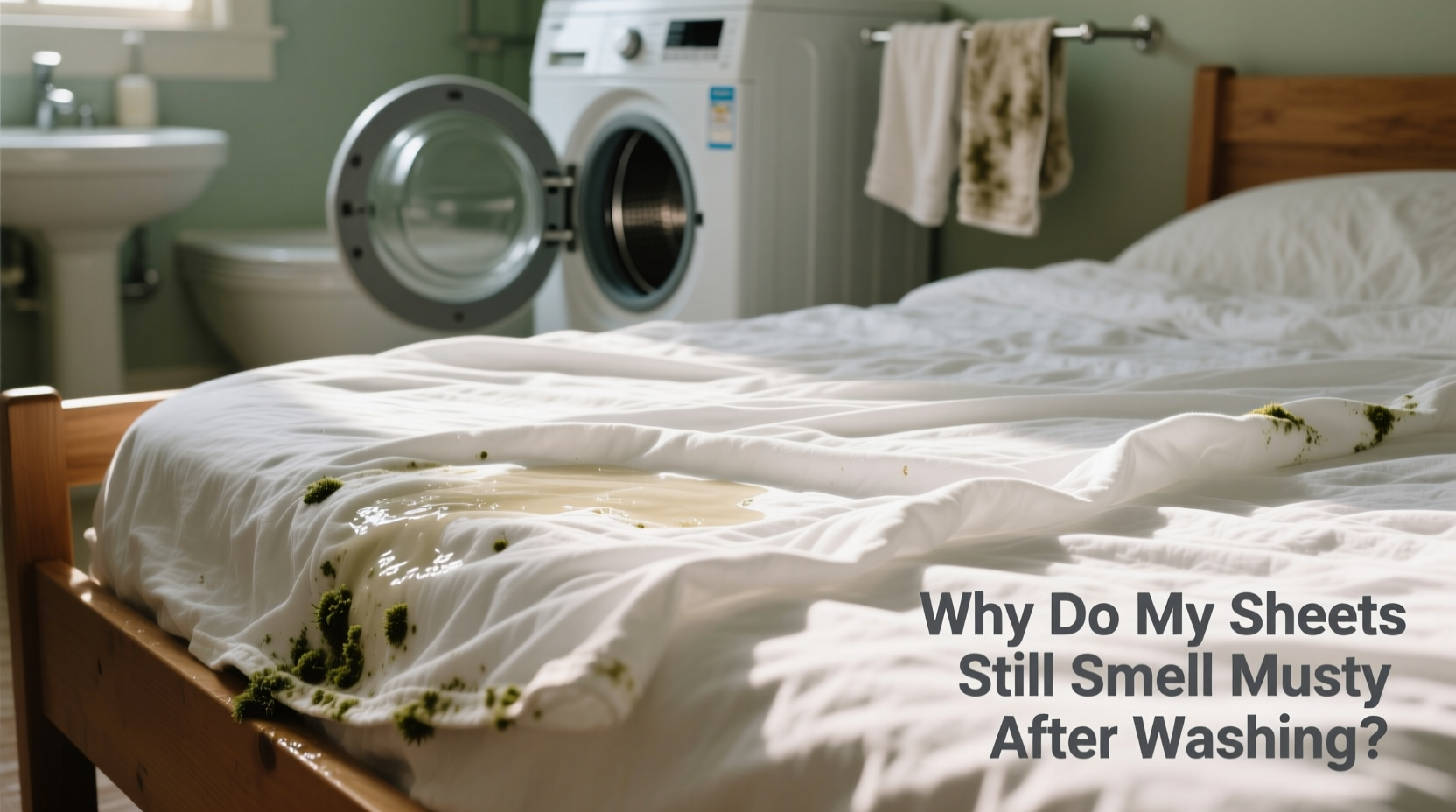
Musty odors on clean sheets are typically caused by microbial growth—mold, mildew, and bacteria—that thrive in moist, warm environments. These microorganisms feed on organic residues like sweat, body oils, dead skin cells, and leftover detergent. Even if your sheets look clean, they may still harbor invisible contaminants that produce unpleasant smells when exposed to humidity.
Common culprits include:
- Incomplete drying: Leaving damp sheets in the washer too long or air-drying them in humid areas encourages mold growth.
- Overloading the washer: Crowded loads prevent proper water circulation and soap distribution, leaving residue behind.
- Detergent buildup: Excess detergent or fabric softener coats fibers, trapping moisture and creating a breeding ground for microbes.
- Washer contamination: Front-loading machines, in particular, are prone to mold in rubber gaskets, dispensers, and drain pumps.
- Poor storage: Storing sheets while slightly damp or in airtight plastic containers traps moisture.
- Hard water: Minerals in hard water reduce detergent effectiveness and leave deposits that retain odors.
Step-by-Step Guide to Eliminate Musty Smell from Sheets
If your sheets already smell musty, don’t throw them out—revive them with this effective cleaning protocol:
- Inspect and rewash immediately: Do not store or use musty sheets. Rewash them using the steps below.
- Use hot water (if fabric allows): Cotton and linen can usually handle 60°C (140°F), which kills bacteria and removes oils. Check care labels first.
- Add white vinegar: Pour 1 cup of distilled white vinegar into the rinse cycle. Vinegar breaks down detergent residue, softens fabric, and neutralizes odors without damaging fibers.
- Include baking soda: Add ½ cup of baking soda during the wash cycle. It lifts away grime and balances pH levels, helping to deodorize deeply.
- Avoid fabric softener: Softeners coat fibers and trap moisture. Use wool dryer balls instead for softness and faster drying.
- Double rinse: Run an extra rinse cycle to ensure all residues are flushed out.
- Dry thoroughly: Tumble dry on medium-high heat until completely dry, or hang outdoors in direct sunlight. UV rays naturally kill mold and bacteria.
For persistent odors, consider a bleach soak (for whites only): mix ½ cup of chlorine bleach with 1 gallon of cool water. Soak for 15 minutes before washing normally. For colored sheets, use oxygen-based bleach (like OxiClean) instead.
Preventing Future Musty Odors: Best Practices
Once you’ve restored freshness, maintain it with consistent habits:
- Clean your washing machine monthly: Run an empty hot cycle with 2 cups of vinegar or a dedicated washer cleaner. Wipe the door seal and detergent drawer weekly.
- Measure detergent carefully: More isn’t better. Follow manufacturer guidelines and reduce usage if you have soft water.
- Don’t delay drying: Transfer sheets to the dryer immediately. If line-drying, choose a well-ventilated area with airflow.
- Rotate your sheet sets: Avoid storing multiple sets tightly packed. Allow space for air circulation.
- Store properly: Keep clean sheets in breathable cotton bags or open bins in a dry, cool closet. Avoid vacuum-sealed bags unless fully dry.
“Moisture is the enemy of fresh linens. Even slight dampness trapped in fibers can lead to microbial growth within hours.” — Dr. Lena Peterson, Textile Microbiologist, University of Vermont
Do’s and Don’ts: Quick Reference Table
| Do’s | Don’ts |
|---|---|
| Use vinegar in the rinse cycle to remove residue | Overuse fabric softener or dryer sheets |
| Wash sheets weekly in hot water (when safe) | Leave wet laundry in the washer overnight |
| Dry sheets completely before folding or storing | Store sheets in plastic bins or sealed containers |
| Clean your washing machine monthly | Ignore mold around the washer door seal |
| Use oxygen bleach for colored fabrics periodically | Use chlorine bleach on delicate or dark fabrics |
Real Example: How Sarah Fixed Her Persistent Sheet Smell
Sarah, a teacher from Portland, Oregon, struggled with musty sheets despite weekly washes. She used a front-loading washer, scented detergent, and dried her linens indoors during rainy months. After three weeks of waking up to stale-smelling bedding, she investigated further.
She noticed black specks near the rubber gasket of her washer and a faint sour smell inside the drum. Following online advice, she ran a hot maintenance cycle with vinegar and scrubbed the seal with a toothbrush and baking soda paste. She then rewashed her sheets with hot water, 1 cup vinegar, and ½ cup baking soda—no detergent.
The difference was immediate. Her sheets emerged smelling clean and neutral. She switched to measuring detergent precisely, stopped using liquid softener, and began hanging sheets near a fan when outdoor drying wasn’t possible. Six months later, she reports no recurrence.
Sarah’s experience highlights how washer hygiene and minor habit changes can resolve what seems like an unsolvable problem.
Frequently Asked Questions
Can I use essential oils to make my sheets smell fresh?
Yes, but with caution. A few drops of tea tree, lavender, or eucalyptus oil in the rinse cycle can add a pleasant scent and offer mild antimicrobial benefits. However, never apply undiluted oils directly to fabric—they can stain or irritate skin. Also, oils may build up over time, so use sparingly and alternate with deep-cleaning cycles.
Why do my sheets smell musty only in winter?
Winter brings higher indoor humidity, reduced ventilation, and longer drying times—especially when line-drying. Cold air holds less moisture, leading to condensation indoors. Combined with lower washing temperatures (to save energy), these conditions favor microbial growth. To counter this, increase ventilation, use a dehumidifier, and ensure complete drying before storage.
Are bamboo or microfiber sheets less prone to odors?
Bamboo is naturally antimicrobial and wicks moisture efficiently, making it more resistant to odors. However, improper care (like using high heat or softeners) can degrade its fibers and negate benefits. Microfiber is durable but can trap oils and odors if not washed correctly. All sheet types require proper laundering—material alone won’t prevent mustiness without good habits.
Checklist: Prevent Musty Sheets for Good
Follow this actionable checklist to keep your sheets consistently fresh:
- ☐ Wash sheets weekly in the hottest water safe for the fabric
- ☐ Add ½ cup baking soda during the wash cycle
- ☐ Add 1 cup white vinegar during the rinse cycle
- ☞ Skip fabric softener and dryer sheets
- ☐ Remove laundry immediately after the cycle ends
- ☐ Dry completely—tumble dry or sun-dry until zero dampness remains
- ☐ Store in a cool, dry place with airflow (not sealed plastic)
- ☐ Clean your washing machine monthly
- ☐ Inspect washer seals and dispensers for mold every two weeks
- ☐ Rotate between 2–3 sheet sets to allow full drying between uses
Final Thoughts: Fresh Sheets Start with Smart Habits
Musty sheets aren’t a reflection of poor hygiene—they’re often the result of overlooked details in your laundry ecosystem. From detergent choices to machine maintenance, each factor plays a role in whether your bed feels truly clean. The solution isn’t complicated, but it does require consistency and attention to moisture control.
By addressing the root causes—residue buildup, lingering dampness, and microbial contamination—you can enjoy crisp, fresh-smelling sheets every night. It’s not about doing more laundry; it’s about doing it smarter.




 浙公网安备
33010002000092号
浙公网安备
33010002000092号 浙B2-20120091-4
Comments
No comments yet. Why don't you start the discussion?