
There’s nothing quite as frustrating as walking into a quiet room only to announce your presence with a loud, high-pitched squeak from your shoes. Whether you're in an office, a hospital, or someone’s hardwood-finished home, the sound can be distracting, embarrassing, and sometimes impossible to ignore. The good news? Most shoe squeaks aren’t signs of permanent damage—they’re fixable, often with simple household items and a few minutes of effort.
This guide dives deep into the science behind why shoes squeak on smooth floors, identifies the most common causes, and delivers tested, practical solutions. From quick spot treatments to long-term prevention, you’ll learn exactly how to silence those soles for good.
What Causes Shoes to Squeak on Floors?
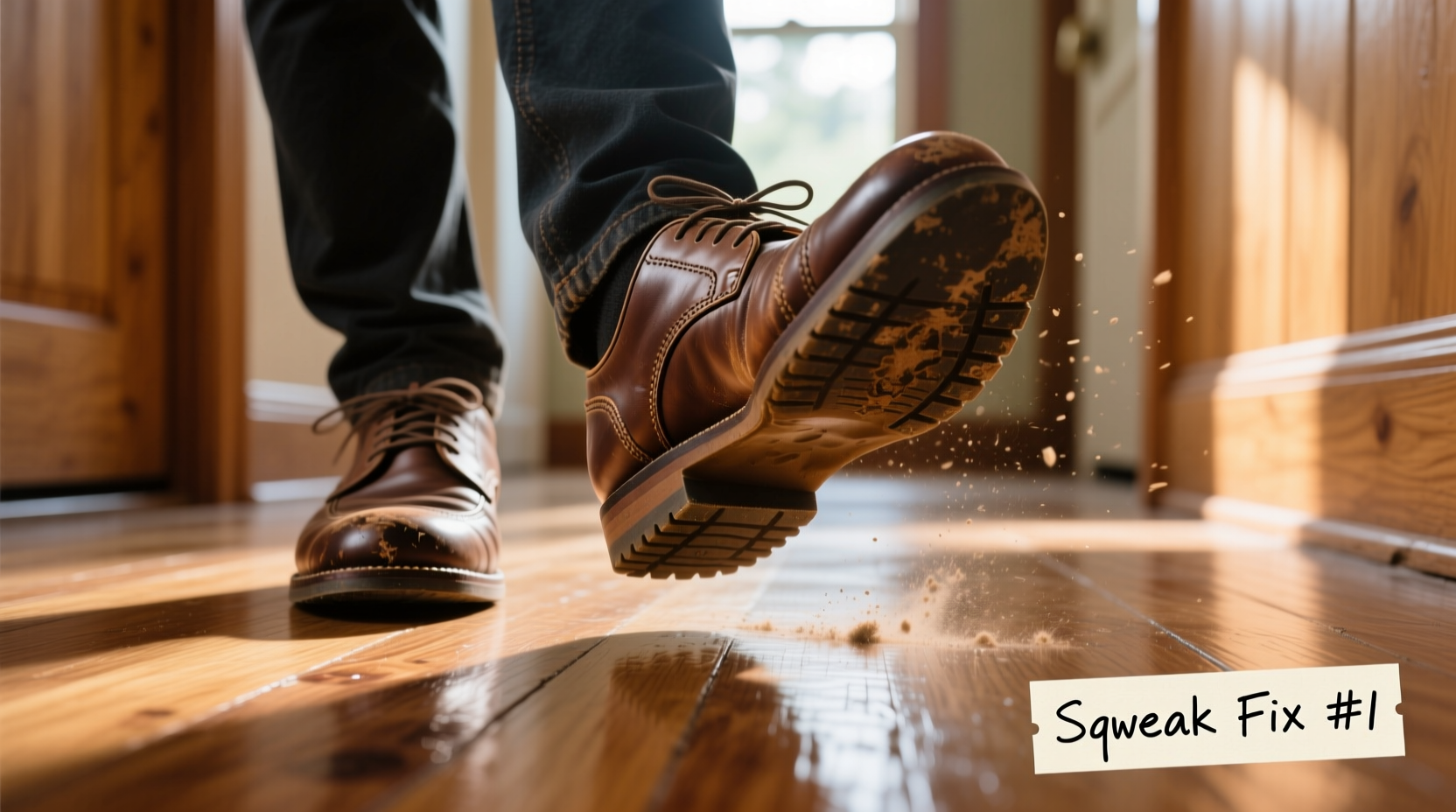
The root cause of a squeaking shoe isn't always obvious. Many people assume it's the floor—or even their walking style—but the truth lies primarily in the shoe itself. When pressure is applied during each step, friction between different layers of the sole or between the sole and insole creates vibrations. These vibrations resonate through the shoe structure, producing that familiar squeal.
Here are the most frequent culprits:
- Misaligned or loose insoles: If the insole shifts slightly with each step, it rubs against the midsole, generating noise.
- Trapped moisture: Dampness inside the shoe, especially after rain or sweat, can create suction or lubricate surfaces just enough to cause squeaking.
- Worn or separating soles: Over time, glue deteriorates, allowing layers of the outsole to move independently and vibrate.
- Rigid outsoles on smooth floors: Rubber or synthetic soles gripping polished tile, vinyl, or hardwood can stick and release rapidly—like a suction cup popping off glass.
- Manufacturing defects: Poorly bonded materials or air pockets trapped between layers may not show up immediately but develop into squeaks over time.
Quick Fixes That Actually Work (And How to Apply Them)
Before resorting to replacement or professional repair, try these proven methods. Most take under ten minutes and use items commonly found at home.
1. Talcum Powder or Baby Powder
If the squeak comes from inside the shoe—especially around the insole—powder can eliminate friction instantly. Remove the insole if possible, sprinkle a generous amount of talcum or cornstarch-based powder into the cavity, replace the insole, and walk around for a minute to distribute it evenly.
This method works best for leather or fabric-lined dress shoes and athletic footwear with removable footbeds.
2. Hairspray on the Outsole
A surprising but effective trick: lightly spray the bottom of the sole with hairspray. The polymers in hairspray add slight tackiness, reducing the \"stick-slip\" motion responsible for squeaks on slick floors. Use sparingly and only on rubber or synthetic soles—avoid suede or delicate materials.
“Hairspray contains resins that temporarily alter surface adhesion. It’s not a permanent fix, but it stops squeaks in their tracks.” — Dr. Lena Torres, Materials Scientist at Footwear Dynamics Lab
3. Sand the Sole Edges
Sometimes, new shoes squeak because factory finishes are too smooth. Lightly sanding the outer edge of the sole with medium-grit sandpaper (around 120 grit) breaks up uniform contact points and reduces suction. Focus on the heel and ball areas where initial contact occurs.
Caution: Do not sand aggressively—it can compromise tread integrity. A few swipes per side are usually enough.
4. Apply Dry Lubricant to Insoles
For persistent internal squeaks, use a silicone-based dry lubricant (like those used for zippers or hinges). Spray a small amount under the insole before reinserting it. Unlike oil-based lubes, dry sprays won’t stain or degrade foam padding.
5. Tape the Insole Down
If the insole moves freely, securing it eliminates the rubbing source. Use double-sided carpet tape or a small piece of duct tape at key pressure points (heel and arch). Ensure the tape doesn’t extend beyond the insole’s edge to avoid affecting fit.
Step-by-Step Guide: Diagnose and Silence Your Squeaky Shoes
Follow this logical sequence to identify and resolve the issue efficiently:
- Isolate the Source: Walk slowly on a hard surface and note when the squeak occurs—heel strike, midstep, or toe-off? Then, press manually on different zones of the shoe to replicate the sound.
- Remove the Insole: Check for moisture, warping, or debris. Wipe dry if damp. Inspect the cavity for rough spots or adhesive residue.
- Test the Powder Method: Sprinkle baby powder inside, reinsert the insole, and walk for 2–3 minutes. If the squeak stops, the problem was internal friction.
- Inspect the Sole: Look for separation, bubbles, or visible gaps. Gently twist the shoe—if the upper moves independently from the sole, structural failure may be occurring.
- Apply External Treatment: Try light sanding or a thin coat of hairspray on the outsole. Let dry completely before testing.
- Reassess After 24 Hours: Some fixes (like drying moisture) require time. Wait a day before concluding whether further action is needed.
Do’s and Don’ts: What to Avoid When Fixing Squeaky Shoes
| Do’s | Don’ts |
|---|---|
| Use baby powder for in-shoe friction | Overapply oils or lotions inside the shoe (can degrade foam) |
| Sand sole edges lightly with fine paper | Soak soles in water to “soften” them (promotes delamination) |
| Let wet shoes air-dry naturally away from heat | Use WD-40 on any part of the shoe (it attracts dirt and breaks down rubber) |
| Secure loose insoles with double-sided tape | Glue soles yourself without proper footwear adhesive |
| Store shoes in ventilated areas to prevent moisture buildup | Walk continuously on polished floors if squeaking persists (accelerates wear) |
Real Example: Office Worker Silences Embarrassing Dress Shoes
Mark, a financial analyst in Chicago, started noticing his new oxford shoes squeaked loudly on his office’s marble lobby floor. The sound echoed through the atrium every morning, drawing unwanted attention. He tried changing his stride, but the squeak remained.
After reading about insole friction, he removed the leather footbed and found no visible damage. He sprinkled talcum powder into the shoe, replaced the insole, and walked around his apartment. The squeak vanished. For ongoing prevention, he began storing the shoes with silica gel packets and now airs them out overnight once a week. Six months later, they remain silent—even after rainy commutes.
Mark’s experience highlights how a simple internal fix can solve what seems like a complex acoustic problem.
When Home Remedies Aren’t Enough: Knowing When to Repair or Replace
Some squeaks signal deeper structural issues. If none of the quick fixes work, consider the following:
- Visible sole separation: If the outsole is peeling away from the upper or midsole, glue failure has occurred. Shoe repair shops can reattach using industrial adhesives.
- Cracking or hardening rubber: Old soles lose elasticity, increasing vibration. Resoling may be necessary.
- Permanent deformation: Flattened cushioning or warped insoles won’t respond to powders or tapes. Replacement insoles (e.g., Superfeet or Dr. Scholl’s) often restore comfort and silence.
According to the National Shoe Retailers Association, nearly 60% of shoe returns due to “defects” are actually caused by temporary moisture or break-in squeaks that resolve within two weeks. Before discarding or returning footwear, give DIY fixes a fair trial.
Frequently Asked Questions
Can squeaky shoes damage hardwood floors?
No, the noise itself doesn’t harm flooring. However, some quick fixes—like aggressive sanding or using sticky substances—can leave marks. Always test treatments on a small, inconspicuous area first.
Why do my brand-new shoes squeak?
New shoes often have overly smooth soles or tightly compressed materials that create friction during initial wear. This usually resolves after a few days of normal use. If not, apply light sanding or a dry lubricant to the sole.
Is it safe to put baby powder in all types of shoes?
Yes, for most closed-toe footwear. However, avoid excessive use in shoes with ventilation systems (like running shoes), as powder can clog airflow channels. Also, never use scented powders in shoes worn barefoot—they may irritate sensitive skin.
Conclusion: Silence Starts Today
Squeaky shoes don’t have to be a lifelong annoyance. With a clear understanding of the causes and access to simple, effective remedies, you can eliminate the noise quickly and confidently. Whether it’s a sprinkle of powder, a swipe of sandpaper, or a well-placed piece of tape, the solution is often easier than expected.
Don’t let another squeak disrupt your stride. Try one of these fixes today, observe the results, and reclaim the quiet confidence that comes with every silent step.




 浙公网安备
33010002000092号
浙公网安备
33010002000092号 浙B2-20120091-4
Comments
No comments yet. Why don't you start the discussion?