
Squeaky shoes can be more than just an annoyance—they’re often a distraction in quiet offices, during presentations, or on polished floors at social events. That high-pitched “squeak-squeak” with every step might make you self-conscious, but it’s almost always fixable. The good news? Most causes are simple, and the solutions don’t require professional help or expensive tools. Understanding why shoes squeak is the first step toward silencing them for good.
The sound typically comes from friction between materials inside the shoe, moisture buildup, or structural issues like loose insoles or worn midsoles. Whether you're dealing with leather dress shoes, athletic sneakers, or rubber-soled boots, the root cause usually falls into one of several common categories. Addressing the issue promptly not only eliminates embarrassment but also helps preserve the integrity of your footwear.
What Causes Shoes to Squeak?
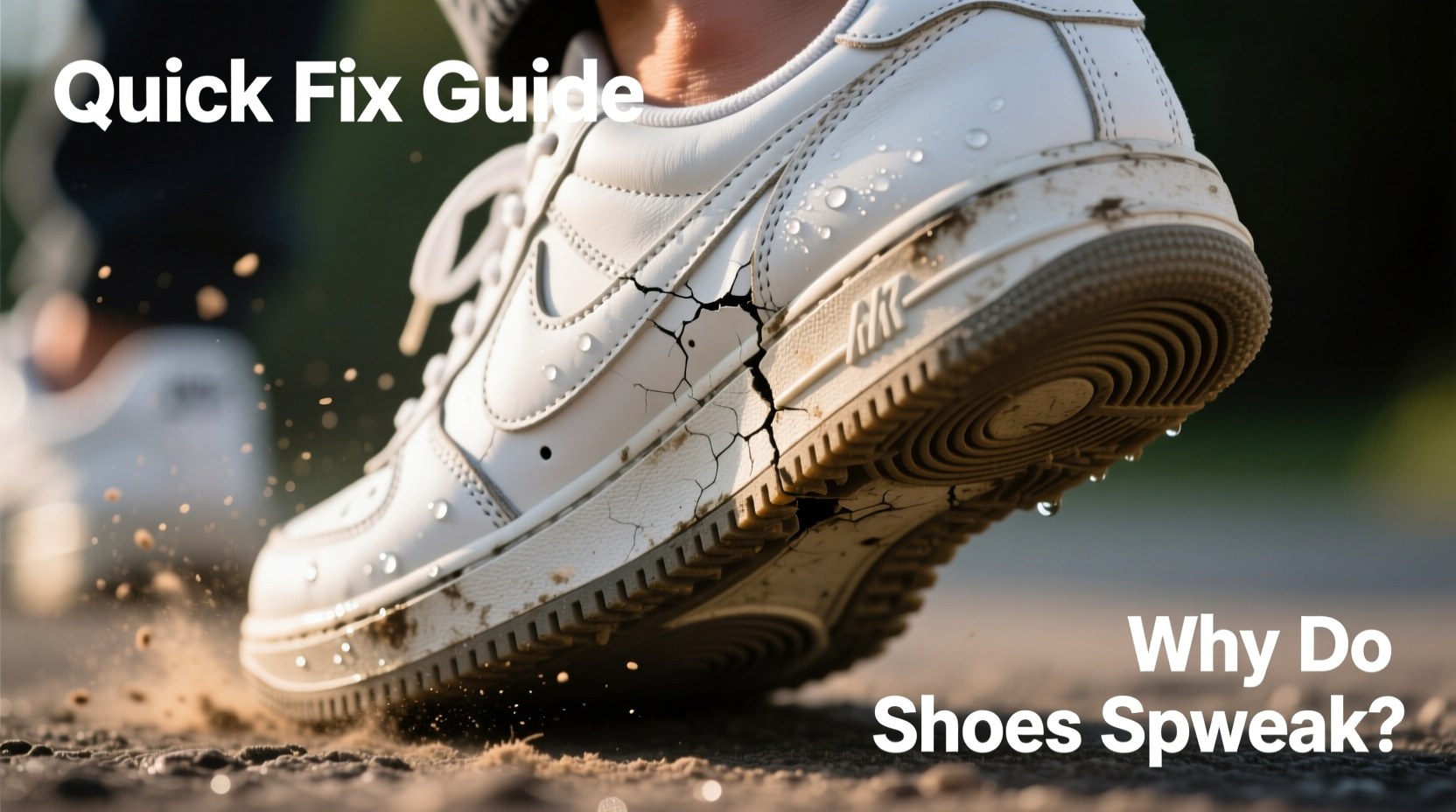
Shoe squeaking isn't random—it's a mechanical response to movement and pressure. When you walk, your foot applies force that shifts internal components, compresses materials, or creates micro-movements between layers. These movements generate sound through vibration, much like rubbing two pieces of plastic together. Here are the most frequent culprits:
- Insole friction: The insole (or footbed) may rub against the midsole or outsole due to looseness or lack of adhesion.
- Moisture buildup: Dampness from sweat or wet conditions can create suction or lubricate surfaces enough to produce noise.
- Loose heel counters: In dress shoes or boots, the heel cup can separate slightly from the sole, creating a flapping or creaking sound.
- Worn cushioning: Over time, foam padding in athletic shoes breaks down, leading to uneven compression and audible creaks.
- Floor interaction: Some soles squeak only on smooth surfaces like tile or gym floors due to rapid grip-release cycles.
Identifying the source requires observation. Try walking on different surfaces barefoot inside the shoe to isolate whether the noise comes from internal parts or sole-floor contact.
Quick Fixes to Stop Shoe Squeaking
Most squeaks can be resolved within minutes using household items. The key is matching the solution to the cause. Below are five proven methods to silence noisy footwear fast.
1. Apply Talcum Powder or Baby Powder
If moisture or friction between the insole and midsole is the issue, powder reduces both. It absorbs sweat and acts as a dry lubricant.
- Remove the insole if possible.
- Sprinkle a light layer of talcum or cornstarch-based baby powder into the shoe cavity.
- Replace the insole and walk around for a few minutes to distribute the powder.
This method works especially well for leather shoes and sneakers prone to sweat accumulation.
2. Use Silicone Spray or Hairspray
Silicone spray is ideal for sealing small gaps and reducing stick-slip motion between layers. Hairspray, which contains polymers, can temporarily stiffen loose fabric or foam.
For silicone spray: Insert the nozzle under the insole edge and apply lightly. Avoid oversaturating. Let dry completely before wearing.
3. Reattach Loose Insoles
A floating insole is a prime suspect. If you notice shifting or bubbling underfoot, re-adhering it may solve the problem.
Clean the shoe bed with a dry cloth, then apply double-sided tape or a thin line of shoe glue (like Barge Cement) along the edges. Press the insole firmly into place and let it cure overnight.
4. Address Moisture Trapped in Soles
Waterlogged midsoles, especially in running shoes, can create squishing or squeaking. Remove insoles and stuff shoes with crumpled newspaper. Replace every few hours until fully dry.
Alternatively, use silica gel packets or a dedicated shoe dryer. Never use direct heat (radiators, hairdryers), as this can warp adhesives and degrade materials.
5. Modify Sole-Floor Interaction
If shoes squeak only on smooth surfaces, the rubber compound may be too soft or sticky. Lightly scuff the sole with fine-grit sandpaper to reduce surface tension.
Focus on high-pressure zones like the ball and heel. Wipe away residue afterward. This trick is commonly used by basketball players to eliminate gym floor squeaks.
Step-by-Step Diagnostic & Repair Timeline
Follow this 30-minute process to identify and fix squeaks efficiently:
- Minute 0–5: Remove insoles and inspect for warping, separation, or dampness.
- Minute 5–10: Walk barefoot in the shoe. If no squeak, focus on insole-related fixes.
- Minute 10–15: Sprinkle powder into the shoe bed and replace insole. Test walk.
- Minute 15–20: If still squeaking, check for loose heel counters or midsole delamination.
- Minute 20–25: Apply silicone spray under insole edges or along suspected seams.
- Minute 25–30: Perform final test walk on both carpet and hard floor.
If the squeak persists after these steps, consider deeper structural wear or material fatigue.
Do’s and Don’ts of Squeaky Shoe Repair
| Do | Don’t |
|---|---|
| Use talcum powder to absorb moisture and reduce friction | Overapply liquids that can damage adhesives |
| Let adhesives or sprays dry completely before wearing | Use super glue—it becomes brittle and cracks |
| Test remedies on a small, inconspicuous area first | Expose shoes to excessive heat during drying |
| Store shoes in a dry, ventilated space to prevent mold and odor | Ignore persistent squeaks that may indicate sole separation |
| Rotate footwear to extend lifespan and reduce stress | Assume all squeaks come from the same source—diagnose first |
Real Example: Office Worker Solves Embarrassing Dress Shoe Squeak
Mark, a financial analyst in Chicago, noticed his new leather oxfords started squeaking during client meetings. The sound was subtle but distracting, especially in quiet boardrooms. He tried wiping the soles, thinking dirt was the cause, but the noise continued.
After reading about insole friction, he removed the footbed and found slight lifting at the heel. He cleaned the base, applied double-sided carpet tape, and reinserted the insole. The squeak vanished immediately. Mark now inspects new shoes for insole adhesion before wearing them to work.
“It took less than ten minutes,” he said. “I wish I hadn’t spent weeks feeling awkward because of something so fixable.”
Expert Insight on Footwear Maintenance
“Many people overlook the mechanics of their shoes until a problem arises. A squeak is often the first sign of internal wear. Addressing it early can prevent further damage and extend the life of the shoe by months—or even years.” — Dr. Lena Patel, Podiatric Biomechanics Specialist
Long-Term Prevention Strategies
While quick fixes solve immediate issues, preventing future squeaks involves proactive care:
- Rotate your shoes: Wearing the same pair daily increases stress and moisture retention.
- Use shoe trees: Cedar shoe trees absorb moisture and help maintain shape, reducing internal flexing.
- Condition leather regularly: Dry leather can crack and shift, contributing to noise.
- Inspect for wear: Check for loose soles, separating layers, or worn heels every few weeks.
- Store properly: Keep shoes in a cool, dry closet with airflow—avoid sealed plastic bins.
For athletes, replacing running shoes every 300–500 miles prevents breakdown-related noises. For formal footwear, resoling before complete midsole degradation avoids costly repairs later.
FAQ: Common Questions About Squeaky Shoes
Why do my shoes only squeak on tile or hardwood floors?
This is typically due to the interaction between rubber soles and smooth surfaces. As the sole grips and releases rapidly, it creates a stick-slip vibration that produces sound. Scuffing the sole lightly with sandpaper can reduce this effect.
Can I use WD-40 to stop shoe squeaks?
No. While WD-40 may temporarily silence a squeak, it degrades rubber and certain adhesives over time. It can also leave oily residues that attract dirt. Stick to silicone-based sprays designed for footwear.
Will a cobbler be able to fix a squeaky shoe permanently?
Yes. A skilled cobbler can reattach loose insoles, repair delaminated soles, or reinforce heel counters with proper materials. For high-end or frequently worn shoes, professional repair is a worthwhile investment.
Checklist: How to Silence Squeaky Shoes in Under 30 Minutes
- ☐ Remove insole and inspect for looseness or moisture
- ☐ Walk barefoot in shoe to isolate squeak location
- ☐ Apply talcum or baby powder inside shoe bed
- ☐ Use silicone spray along insole edges if powder doesn’t work
- ☐ Reattach insole with double-sided tape or shoe glue if loose
- ☐ Dry shoes thoroughly if damp (use newspaper or silica gel)
- ☐ Lightly sand sole if squeaking occurs only on smooth floors
- ☐ Test results on multiple surfaces
Conclusion: Silence Starts Today
A squeaky shoe doesn’t have to be a permanent nuisance. With basic diagnostic skills and everyday household items, you can eliminate the noise quickly and effectively. More importantly, understanding the causes empowers you to prevent future issues through better maintenance and storage habits. Don’t let an avoidable sound undermine your confidence—take action today, and step forward in silence.




 浙公网安备
33010002000092号
浙公网安备
33010002000092号 浙B2-20120091-4
Comments
No comments yet. Why don't you start the discussion?