
Sweaters are a wardrobe staple—cozy, stylish, and perfect for colder months. But nothing ruins the look of a favorite knit faster than unsightly pills forming after just one wash. If you’ve ever pulled a sweater from the laundry only to find it covered in tiny fabric balls, you’re not alone. Pilling is frustrating, but more importantly, it’s often preventable. The root cause usually lies not in the sweater itself, but in how it’s being washed. Understanding the science behind pilling and identifying common laundry missteps can dramatically extend the life and appearance of your wool, cashmere, cotton, and synthetic-blend sweaters.
The Science Behind Sweater Pilling
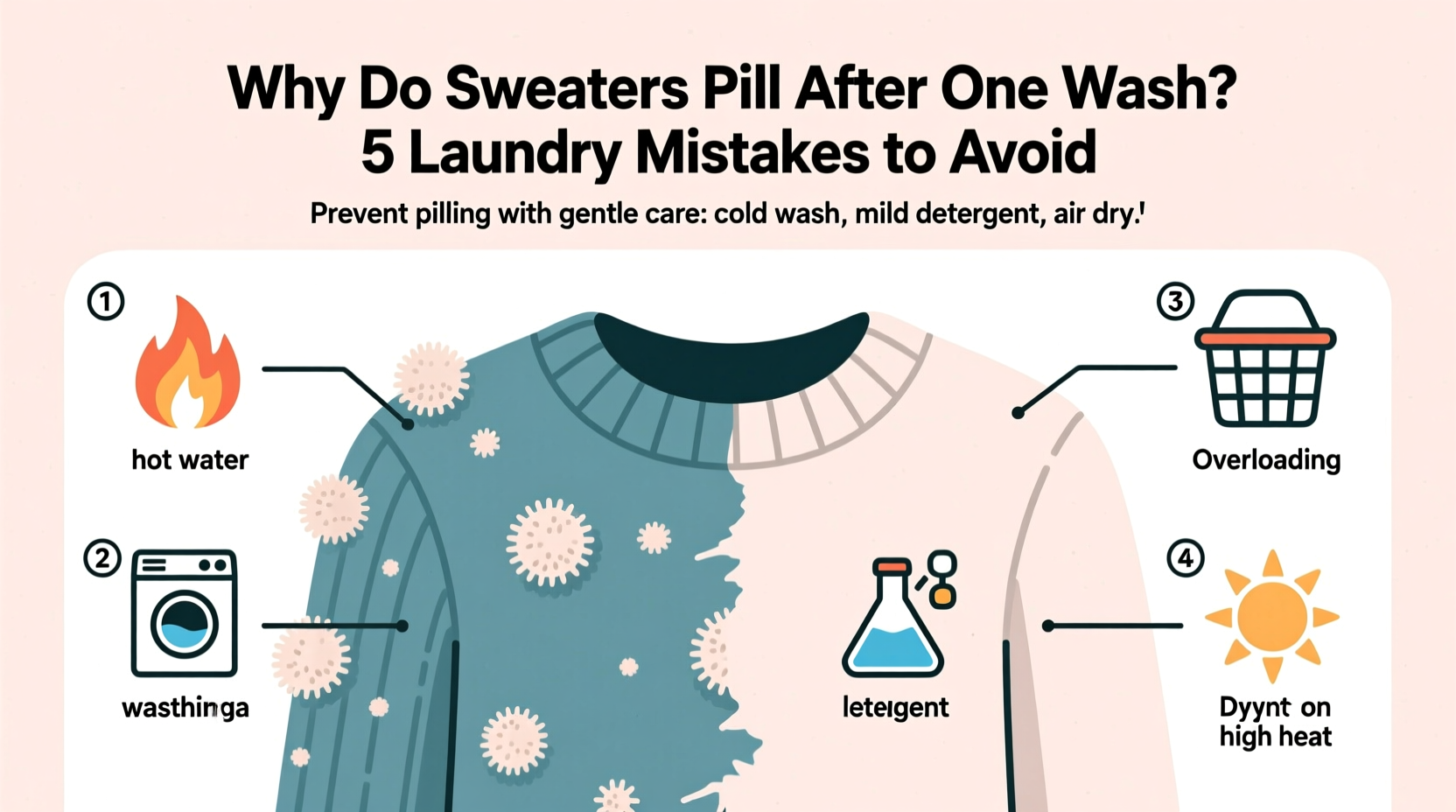
Pilling occurs when short or broken fibers on the surface of a fabric tangle together due to friction, forming small clusters known as pills. While some degree of pilling is natural over time, seeing it after a single wash indicates excessive mechanical stress during laundering. Fabrics like wool, cotton, and especially synthetic blends (such as polyester or acrylic) are particularly prone because their fibers are shorter and more likely to break and migrate to the surface.
Frequent agitation, high heat, and abrasive contact with other garments accelerate this process. Even high-quality sweaters can pill prematurely if subjected to harsh washing conditions. It’s not always about fabric quality—it’s about care.
“Pilling isn’t a defect; it’s a symptom of improper handling. Gentle care from the start preserves fiber integrity.” — Dr. Lena Torres, Textile Scientist at the Institute for Apparel Innovation
5 Common Laundry Mistakes That Cause Sweater Pilling
Avoiding pilling starts with recognizing the habits that contribute to it. Below are the most frequent errors people make when washing sweaters—each one capable of turning a pristine knit into a fuzzy mess.
1. Using the Wrong Wash Cycle
Most washing machines have settings like “normal,” “heavy-duty,” or “permanent press,” all of which involve significant agitation. These cycles are designed for durable fabrics like denim or towels, not delicate knits. The constant tumbling causes fibers to rub against each other and the drum, increasing friction and leading to pilling.
2. Washing Sweaters with Rough Fabrics
Tossing your sweater into a load with jeans, zippers, or towels is a recipe for disaster. These items create friction and abrasion during the wash, dragging across softer knits and pulling loose fibers. Over time—or even in one cycle—this leads directly to pilling.
3. Using Hot Water
Hot water may seem effective for cleaning, but it’s damaging to most sweater fibers. Heat causes fibers to expand, weaken, and become more prone to breaking. Wool and cashmere, in particular, can felt or shrink in hot water, while synthetics lose elasticity. Warm or cold water is always safer.
4. Skipping Proper Detergent Selection
Regular detergents often contain enzymes and bleaching agents designed to break down tough stains—but they also break down delicate fibers. Harsh chemicals degrade yarns over time, making them brittle and more likely to pill. Always use a mild, pH-balanced detergent formulated for delicates or wool.
5. Tumbling in the Dryer
Dryers are one of the biggest culprits behind sweater damage. The heat and tumbling action cause fibers to shrink, twist, and abrade. Even low-heat settings expose sweaters to unnecessary friction. Air-drying flat is the only safe method for preserving shape and minimizing pilling.
Do’s and Don’ts: Sweater Care at a Glance
| Do’s | Don’ts |
|---|---|
| Hand-wash in cold water with gentle detergent | Use regular detergent or bleach |
| Wash inside out to protect the outer surface | Wash with jeans, towels, or zipped items |
| Use mesh laundry bags for machine washing | Use hot water or aggressive wash cycles |
| Lay flat to dry on a clean towel, reshaping as needed | Tumble dry—even on low heat |
| Store folded, never hung, to prevent stretching | Hang sweaters, which distorts shoulder seams |
Step-by-Step Guide to Washing Sweaters Without Pilling
Follow this detailed process to safely clean your sweaters and minimize wear and tear.
- Check the Care Label: Always begin by reading the manufacturer’s instructions. Some sweaters require dry cleaning, while others are machine-safe under specific conditions.
- Turn Inside Out: This protects the outer surface from friction and helps preserve color and texture.
- Pre-Treat Stains Gently: Use a drop of mild detergent directly on soiled areas and dab—never scrub aggressively.
- Fill a Basin with Cold Water: Use a clean sink or tub. Add a small amount of wool-safe detergent and mix gently.
- Submerge and Soak: Place the sweater in the water and let it soak for 10–15 minutes. Do not wring, twist, or agitate.
- Rinse Thoroughly: Drain the soapy water and refill with clean, cold water. Repeat rinsing until the water runs clear.
- Remove Excess Water: Press the sweater gently against the side of the basin to release water. Never twist or wring. For extra water removal, lay the sweater on a dry towel, roll it up, and press to absorb moisture.
- Reshape and Lay Flat to Dry: Place the sweater on a fresh, dry towel or drying rack. Smooth it into its original shape, paying attention to sleeves and neckline. Avoid direct sunlight or heat sources.
- Store Properly After Drying: Once fully dry, fold neatly and store in a cool, dry place. Cedar blocks or lavender sachets can deter moths without damaging fibers.
Real Example: How One Woman Saved Her Cashmere Collection
Sophie, a teacher from Portland, Oregon, loved her collection of cashmere sweaters but noticed they began pilling within weeks of purchase. She assumed it was due to low quality—until she consulted a local tailor who specialized in garment repair. He reviewed her laundry routine and discovered she was using a regular detergent and tossing sweaters into mixed loads with heavy fabrics.
After switching to hand-washing with a wool-specific detergent, washing inside out, and air-drying flat, Sophie saw an immediate difference. Not only did new sweaters stay smooth longer, but older ones stopped developing new pills. Within six months, she extended the wearable life of her favorites by over a year. “I realized I wasn’t treating them like the delicate pieces they were,” she said. “Now I treat every wash like a ritual—and my sweaters look brand new.”
Expert Tips to Minimize Pilling Long-Term
Beyond washing, several proactive habits can reduce pilling and maintain sweater quality:
- Rotate Your Sweaters: Wearing the same sweater multiple days in a row increases friction and stress on fibers. Allow at least 24–48 hours between wears for fibers to recover.
- Avoid Backpacks and Seatbelts: Constant rubbing from straps causes localized pilling, especially on shoulders and backs. Consider wearing a light jacket underneath if carrying a bag daily.
- Use a Fabric Shaver Sparingly: While fabric shavers remove pills effectively, overuse can thin the fabric. Use only when necessary and follow the grain of the knit.
- Invest in Higher Twist Yarns: When shopping, look for sweaters made with tightly twisted yarns. These hold fibers together better and resist pilling longer than loosely spun alternatives.
- Store Folded in Drawers or Boxes: Folding prevents stretching and reduces exposure to dust and light. Avoid hanging, which stretches shoulders and alters shape.
“Garment longevity starts the moment you take it home. How you handle it in those first few washes sets the tone for its entire life.” — Miriam Chen, Sustainable Fashion Consultant
Frequently Asked Questions
Can I ever machine-wash a sweater safely?
Yes, but only under strict conditions. Use a mesh laundry bag, select the delicate or hand-wash cycle, cold water, and a wool-safe detergent. Never wash with rough fabrics. However, hand-washing remains the safest option for most knits.
Does fabric type affect how much a sweater pills?
Absolutely. Natural fibers like merino wool tend to pill less than lower-grade wool or synthetic blends. Acrylic, in particular, is notorious for pilling due to its short, slippery fibers. High-cotton knits can also pill, especially if loosely woven. Blends with nylon or polyester increase durability but may still pill under friction.
Is pilling a sign of poor quality?
Not necessarily. Even high-end sweaters can pill due to wear and washing methods. However, well-constructed garments with tighter knits and higher twist yarns will pill less and for longer. Pilling alone shouldn’t be the sole judge of quality—consider construction, fiber source, and care history.
Final Checklist: Prevent Sweater Pilling in 7 Steps
- ✔️ Read and follow care labels
- ✔️ Turn sweaters inside out before washing
- ✔️ Use cold water and wool-safe detergent
- ✔️ Hand-wash or use delicate cycle with a mesh bag
- ✔️ Never wash with jeans, towels, or zippers
- ✔️ Lay flat to dry—never hang or tumble dry
- ✔️ Store folded in a cool, dry place
Conclusion: Treat Your Sweaters with Care, and They’ll Last Years
Pilling doesn’t have to be inevitable. With the right knowledge and a few simple changes to your laundry routine, you can keep your sweaters looking smooth, soft, and new for seasons to come. The key is understanding that sweaters aren’t like t-shirts—they demand thoughtful handling. From choosing the right detergent to avoiding the dryer, every step matters. By respecting the delicate nature of knit fabrics, you protect your investment and reduce waste in the long run.




 浙公网安备
33010002000092号
浙公网安备
33010002000092号 浙B2-20120091-4
Comments
No comments yet. Why don't you start the discussion?