
Sweaters are wardrobe staples—cozy, stylish, and perfect for layering—but few things ruin the look of a favorite knit faster than unsightly pills. Those small, fuzzy balls that form on the surface aren’t just unattractive; they can signal wear and tear that shortens your garment’s lifespan. Understanding why pilling happens is the first step toward preventing it. More importantly, knowing how to care for your knits properly can preserve their softness, shape, and appearance for years. This guide breaks down the science behind pilling, identifies high-risk fabrics, and delivers actionable strategies to protect your investment in quality knitwear.
What Causes Sweater Pilling?
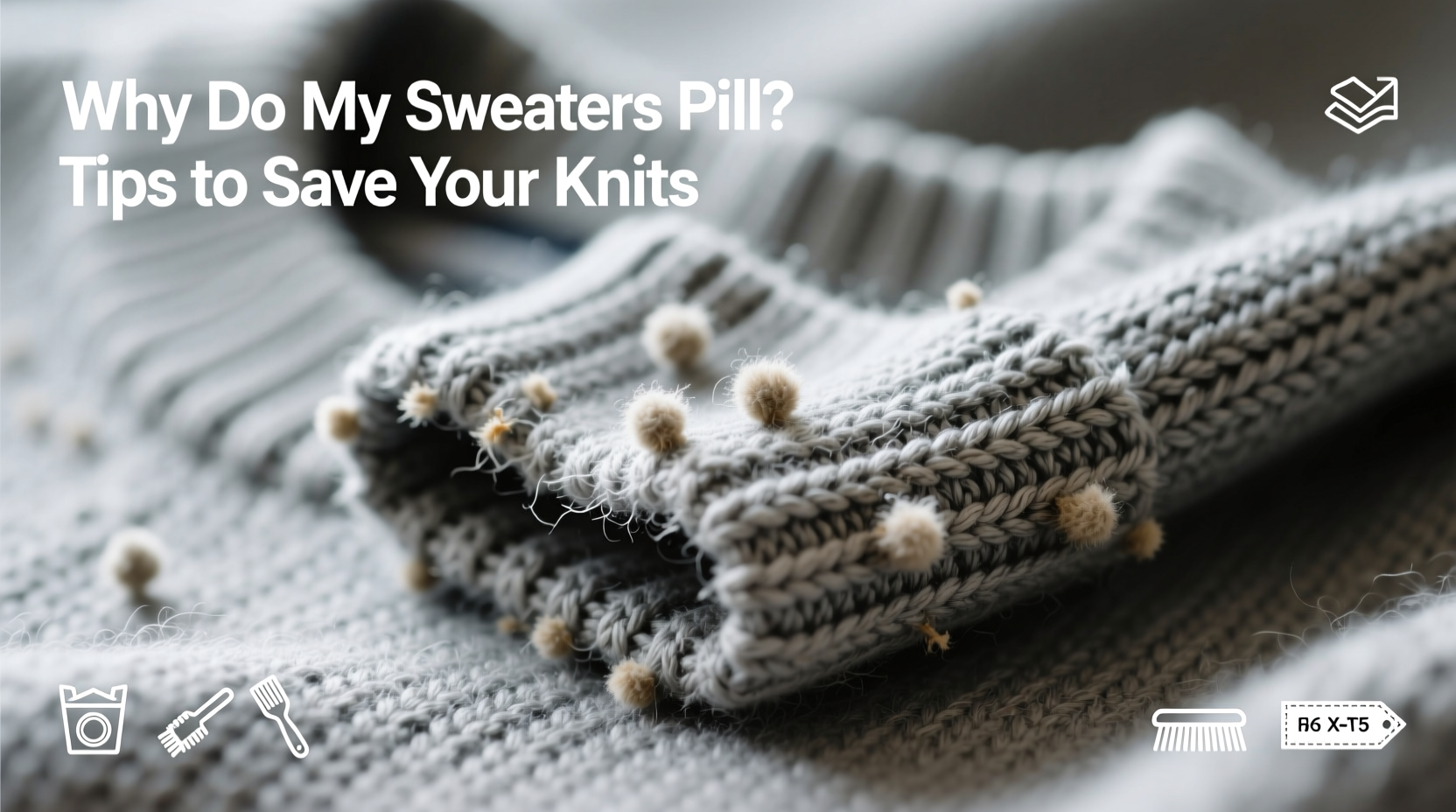
Pilling occurs when short or broken fibers on the surface of a fabric tangle together due to friction. This friction comes from everyday activities: rubbing against bags, seat belts, outer layers, or even your own skin. Over time, these loose fibers cluster into tiny knots—what we commonly call \"pills.\" While pilling doesn't mean the sweater is low quality, certain factors make it more likely.
Fibers under stress begin to migrate to the surface during washing, wearing, or drying. Once exposed, they’re vulnerable to abrasion. The structure of the yarn plays a critical role: loosely twisted yarns have more free ends, making them prone to pilling. Similarly, shorter staple fibers (like cotton or wool) are more likely to break and ball up than long, continuous filaments such as silk or high-grade merino.
“Pilling is not a defect—it’s a natural consequence of fiber movement under friction. How you manage that friction determines whether your knits last one season or a decade.” — Lena Patel, Textile Conservation Specialist, Royal School of Needlework
Which Fabrics Are Most Prone to Pilling?
Not all sweaters pill equally. Some materials resist pilling better due to fiber length, twist tightness, and construction. Below is a comparison of common sweater fabrics and their pilling tendencies:
| Fabric Type | Pilling Risk | Why It Pills | Durability Notes |
|---|---|---|---|
| Cotton (especially blended) | High | Short fibers break easily; blends with synthetic fibers worsen pilling | Absorbent but weakens when wet; frequent washing accelerates wear |
| Acrylic | Very High | Synthetic fibers resist breaking but cling together aggressively when abraded | Inexpensive but degrades faster with heat and friction |
| Wool (standard) | Moderate | Natural crimp helps fibers interlock, but friction still causes surface fuzz | Elastic and resilient; higher micron count = more prone to pilling |
| Merino Wool | Low | Longer, finer fibers with tighter twist reduce fiber migration | Soft, breathable, and naturally resistant to pilling with proper care |
| Alpaca | Moderate to Low | Smooth fiber surface resists tangling, though looser knits may pill | Luxurious and warm; less elastic than wool, so avoid stretching |
| Blends (e.g., wool-polyester) | High | Dissimilar fiber behaviors create uneven wear and increased friction | Polyester adds strength but traps moisture and increases static |
The takeaway? Natural, fine-gauge wools like merino tend to perform best over time. But even premium knits will pill if subjected to rough handling or improper laundering.
How to Prevent Sweater Pilling: A Step-by-Step Guide
Prevention is far more effective—and less tedious—than removing pills after they form. Follow this routine to significantly reduce pilling and extend the life of your knits.
- Turn sweaters inside out before washing. This shields the outer surface from agitation and friction in the machine. It also protects delicate patterns and dyes.
- Use a mesh laundry bag. Place each sweater in a zippered mesh bag to minimize contact with other clothes and the drum walls.
- Wash only when necessary. Over-washing wears down fibers. Spot clean minor stains and air out sweaters between wears instead.
- Select cold water and a gentle cycle. Hot water relaxes fibers and encourages shrinking and pilling. Use a mild detergent formulated for delicates.
- Avoid wringing or twisting. After washing, gently press out excess water. Never wring, as this damages the knit structure and stresses fibers.
- Reshape and dry flat. Lay the sweater on a clean towel, reshape to original dimensions, and allow it to air dry away from direct heat or sunlight.
- Store folded, never hung. Hanging stretches shoulders and distorts the shape. Fold neatly and store in a drawer or on a shelf.
- Rotate wear days. Allow at least 24–48 hours between wears so fibers can recover from daily stress.
This routine may seem meticulous, but it takes minimal extra effort and pays off in longevity. A well-cared-for merino sweater can last five years or more without significant pilling.
Real Example: How Sarah Saved Her Favorite Cashmere Crewneck
Sarah, a teacher from Portland, bought a high-end cashmere sweater two winters ago. Within months, it developed heavy pilling on the sleeves and underarms—areas constantly rubbing against her desk and coat. Frustrated, she nearly donated it until she learned about proper knit care.
She began turning the sweater inside out before hand-washing it every four to six wears using a wool-safe detergent. She stopped using a dryer entirely and started laying it flat on a drying rack. She also invested in a fabric shaver to gently remove existing pills.
After three months of consistent care, the sweater looked dramatically better. New pills formed much more slowly, and the texture remained soft. “I thought I’d ruined it,” she said. “But now I realize I was just washing it wrong. It’s still my go-to winter piece.”
Do’s and Don’ts of Sweater Care
Avoid common mistakes that accelerate pilling and damage. This table outlines key behaviors to adopt—or eliminate.
| Action | Do | Don’t |
|---|---|---|
| Washing Frequency | Every 3–5 wears or when visibly soiled | After every single wear |
| Detergent Choice | Use pH-neutral, wool-safe formulas (e.g., Eucalan, Woolite) | Use regular detergents with enzymes or bleach |
| Drying Method | Air dry flat on a clean towel | Tumble dry or hang to dry |
| Storage | Fold neatly in a drawer with cedar blocks | Hang on thin hangers or stuff in crowded closets |
| Pilling Removal | Use a fabric shaver or sweater stone gently | Rip pills off with fingers or use scissors |
| Layering | Wear smooth-lined jackets or coats over sweaters | Wear rough denim or textured outerwear directly against knit |
Removing Pills Without Damaging Your Sweater
If your sweater already has pills, don’t panic. You can restore its appearance with careful treatment. However, aggressive methods like pulling pills by hand or using sharp razors can snag threads and create holes.
Instead, opt for one of these safe removal tools:
- Fabric shaver (electric lint remover): Glides over the surface, cutting pills cleanly. Ideal for large areas. Choose a model with adjustable settings to avoid pressure damage.
- Sweater stone or pumice: Made from volcanic rock, it gently lifts and breaks pills. Best for delicate knits like cashmere.
- Disposable razor (manual method): Use lightly and in one direction only. Works in a pinch but requires caution.
- Velcro roller: Roll the sticky side over the fabric to pull off pills. Less precise but safe for fragile materials.
Always work on a flat, well-lit surface. Stretch the fabric slightly over your knee or a curved object to stabilize it. Move slowly and stop once the surface looks clean—overuse can thin the fabric.
Essential Sweater Care Checklist
Keep this checklist handy for seasonal maintenance or when adding a new knit to your wardrobe:
- ✅ Turn sweater inside out before washing
- ✅ Wash in cold water using gentle cycle or hand-wash
- ✅ Use a mesh laundry bag for machine washing
- ✅ Use wool-safe, non-enzymatic detergent
- ✅ Never wring or twist wet knits
- ✅ Dry flat on a clean towel, reshaping to original size
- ✅ Store folded in a cool, dry place
- ✅ Use cedar blocks or lavender sachets to deter moths
- ✅ Remove pills promptly with appropriate tools
- ✅ Rotate sweaters to reduce repetitive friction
Frequently Asked Questions
Does pilling mean my sweater is low quality?
No. Even high-end sweaters made from cashmere or merino wool can pill, especially in high-friction zones like underarms or cuffs. Pilling is primarily caused by wear and care habits, not inherent defects. Quality garments often pill less due to better fiber selection and tighter construction, but no knit is immune.
Can I completely stop pilling?
You can’t eliminate pilling entirely, but you can drastically reduce it. Focus on minimizing friction during wear and washing, choosing well-constructed knits, and maintaining a consistent care routine. With diligence, most sweaters will develop only minor, manageable pilling over several seasons.
Is it bad to remove pills from my sweater?
No—as long as you do it correctly. Regular, gentle de-pilling actually prolongs a sweater’s life by preventing larger fiber clusters from forming and weakening the fabric. Avoid pulling pills off with your fingers, as this can stretch or break yarns. Use a proper tool and handle the garment carefully.
Conclusion: Treat Your Knits Like Heirlooms
Your sweaters deserve more than seasonal rotation. With mindful handling and informed care, they can remain soft, pill-free, and stylish for many winters to come. Remember: pilling isn’t inevitable destruction—it’s a warning sign of friction and neglect. By adjusting how you wash, dry, store, and wear your knits, you take control of their longevity.
Start today. Pull out your favorite pilled sweater, assess its condition, and give it the care it needs. Whether it’s a $30 acrylic blend or a $300 merino investment piece, every knit benefits from attention. Small habits compound into big results. Protect your wardrobe, reduce waste, and enjoy the comfort of well-kept clothing for years.




 浙公网安备
33010002000092号
浙公网安备
33010002000092号 浙B2-20120091-4
Comments
No comments yet. Why don't you start the discussion?