
Many people reach for pain relievers first thing in the morning, unaware that their discomfort stems from a silent nighttime habit: teeth grinding. Known clinically as bruxism, this condition affects millions and often goes undiagnosed until significant damage occurs. Waking up with sore jaws, headaches, or sensitive teeth isn’t normal—it’s a signal from your body that something is off. Understanding the causes, recognizing early signs, and taking proactive steps can prevent long-term dental issues and improve overall well-being.
What Is Teeth Grinding (Bruxism)?
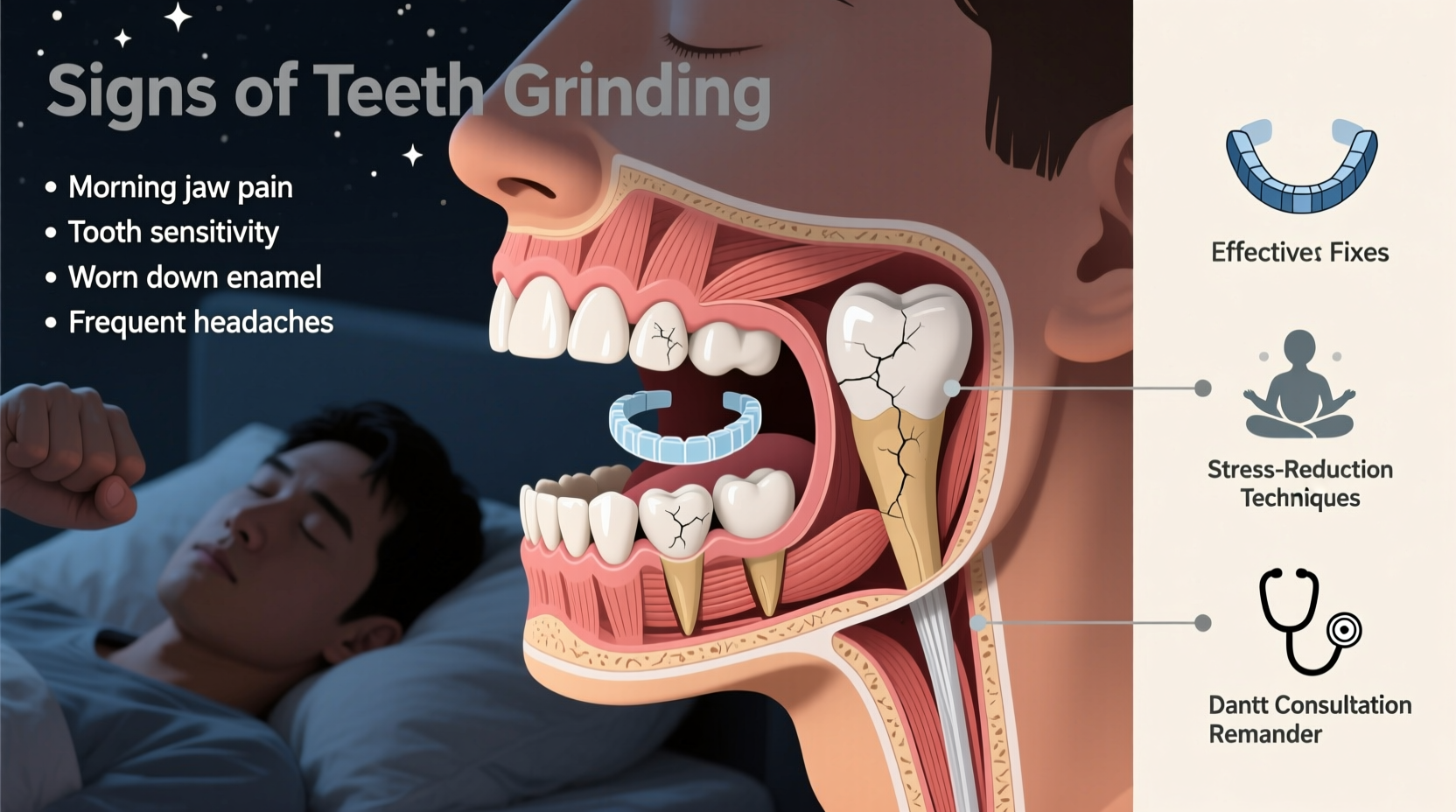
Bruxism refers to the involuntary clenching, gnashing, or grinding of teeth, most commonly during sleep. While occasional grinding may not cause harm, chronic bruxism leads to enamel wear, jaw disorders, and persistent pain. It can occur due to stress, misaligned bites, sleep apnea, or certain medications. The force exerted during grinding can exceed 200 pounds per square inch—far more than what’s used during chewing—making it a serious threat to dental health.
Sleep bruxism is classified as a sleep-related movement disorder. It often coexists with other conditions like snoring or obstructive sleep apnea. Unlike daytime clenching—which you might catch yourself doing under stress—nocturnal grinding happens unconsciously, making awareness and diagnosis more difficult without external observation or professional evaluation.
Common Signs Your Teeth Are Grinding at Night
Because bruxism occurs during sleep, many people remain unaware until symptoms become severe. Recognizing these warning signs early can prevent irreversible damage:
- Morning jaw pain or stiffness: A tight, tired feeling in the jaw upon waking is one of the most telling indicators.
- Headaches starting at the temples: These are caused by overworked jaw muscles and often mistaken for tension headaches.
- Flattened, fractured, or chipped teeth: Enamel erosion reveals flat tips on once-pointed molars.
- Tooth sensitivity: As enamel wears down, dentin becomes exposed, increasing sensitivity to hot, cold, or sweet foods.
- Noise during sleep: Bed partners may report audible grinding or clicking sounds.
- Sore facial muscles: Pain radiating into the cheeks or around the ears suggests muscle strain.
- Indentations on the tongue: Pressure from clenching can leave scalloped edges along the sides of the tongue.
“Patients often come in complaining of migraines or neck pain, only to discover their real issue is nocturnal bruxism.” — Dr. Lena Patel, Board-Certified Sleep Dentist
Why Does Teeth Grinding Happen at Night?
The exact cause of sleep bruxism remains complex, but research points to several contributing factors:
Stress and Anxiety
Emotional stress is the most frequently cited trigger. Work pressure, relationship conflicts, or financial worries manifest physically during sleep. Cortisol levels and heightened nervous system activity correlate strongly with increased grinding episodes.
Sleep Disorders
Obstructive sleep apnea (OSA) disrupts breathing patterns, causing micro-arousals that may trigger grinding reflexes. Studies show a strong link between OSA and bruxism, with up to 25% of sleep apnea patients also experiencing nightly grinding.
Dental Misalignment
An improper bite or crooked teeth can create imbalances in jaw pressure, prompting the body to grind in an attempt to find a comfortable position.
Lifestyle Factors
Caffeine, alcohol, smoking, and recreational drug use increase the likelihood of bruxism. Stimulants like nicotine and amphetamines elevate arousal states during light sleep stages, encouraging muscle activity—including jaw contractions.
Medications and Neurological Conditions
Some antidepressants, particularly SSRIs, list bruxism as a side effect. Parkinson’s disease, Huntington’s, and GERD have also been associated with increased grinding frequency.
Effective Fixes and Treatments
Treating bruxism requires a multi-pronged approach depending on severity and underlying causes. Here are proven strategies backed by dental and sleep medicine professionals.
1. Wear a Custom Night Guard
The gold standard for protection is a dentist-fitted occlusal guard. Unlike over-the-counter boil-and-bite models, custom guards are molded precisely to your teeth, offering superior comfort and durability.
| Type | Pros | Cons |
|---|---|---|
| Custom-Fit Hard Guard | Durable, precise fit, long-lasting | Higher cost (~$300–$600) |
| Soft Over-the-Counter Guard | Affordable, widely available | Poor fit, may worsen clenching |
| Hawley Retainer-Style Guard | Adjustable, good for TMJ patients | Bulkier, takes getting used to |
2. Address Stress and Mental Health
If anxiety fuels your grinding, behavioral interventions can yield lasting results. Cognitive Behavioral Therapy (CBT), mindfulness meditation, and regular exercise help regulate the nervous system and reduce hyperarousal during sleep.
Even simple habits like journaling before bed or practicing diaphragmatic breathing for 10 minutes nightly can lower cortisol and decrease bruxism events.
3. Optimize Sleep Hygiene
Poor sleep quality increases vulnerability to bruxism. Follow these practices:
- Maintain a consistent bedtime and wake time
- Limit screen exposure 1 hour before bed
- Avoid caffeine after noon
- Create a cool, dark, quiet sleeping environment
4. Correct Dental Issues
If malocclusion (misaligned bite) contributes to grinding, orthodontic treatment or restorative dentistry may be recommended. In some cases, reshaping minor high spots on fillings or crowns can eliminate triggering contact points.
5. Consider Botox Therapy
For severe cases, injections of botulinum toxin (Botox) into the masseter muscles can reduce muscle strength and grinding intensity. Effects last 3–6 months and require repeat sessions. This option is typically reserved for patients who haven’t responded to traditional treatments.
6. Treat Underlying Sleep Apnea
If a sleep study confirms OSA, using a CPAP machine often reduces or eliminates bruxism. The stabilized airflow prevents the arousals that trigger grinding episodes.
Step-by-Step Plan to Stop Teeth Grinding
Follow this timeline to identify, manage, and resolve bruxism effectively:
- Week 1–2: Monitor Symptoms
Keep a symptom diary noting jaw pain, headaches, fatigue, and any observations from a bed partner. - Week 3: Visit Your Dentist
Schedule an exam to assess tooth wear, jaw function, and discuss a custom night guard. - Week 4: Evaluate Sleep Habits
Track bedtime routines, caffeine intake, and stress levels. Begin improving sleep hygiene. - Month 2: Explore Stress Management
Start therapy, meditation, or yoga. Consider talking to a mental health professional if anxiety persists. - Month 3: Rule Out Sleep Apnea
If snoring, gasping, or daytime fatigue exist, consult a sleep specialist for a home or lab-based sleep study. - Ongoing: Maintain Protection and Prevention
Wear your night guard consistently, attend follow-up dental visits, and adjust lifestyle factors as needed.
Mini Case Study: Recovering from Chronic Bruxism
Sarah, a 38-year-old project manager, began waking up with intense temple headaches and jaw pain. Initially attributing it to work stress, she ignored the issue for months. After her dentist noticed significant enamel wear and flattened molars, she was referred for a sleep study. Results showed moderate sleep apnea and frequent grinding episodes.
She started CPAP therapy and received a custom hard night guard. Within six weeks, her morning headaches disappeared. She also enrolled in CBT for anxiety management and reduced coffee intake. After three months, her jaw pain had resolved, and follow-up imaging showed no further tooth damage. Sarah now prioritizes sleep and stress control as part of her preventive health routine.
Frequently Asked Questions
Can teeth grinding cause permanent damage?
Yes. Chronic bruxism can lead to cracked teeth, gum recession, tooth loss, and temporomandibular joint (TMJ) disorders. Early intervention prevents irreversible structural damage.
Is it safe to use an over-the-counter mouthguard?
While better than nothing, store-bought guards often provide inadequate protection. Poor fit can shift the jaw unnaturally, potentially worsening pain or triggering TMJ issues. Dentists recommend custom options for long-term use.
Will I need to wear a night guard forever?
Not necessarily. Some people outgrow bruxism, especially when stress or sleep issues are resolved. However, others require lifelong protection, particularly those with high-risk factors. Regular dental checkups determine ongoing needs.
Prevention Checklist
Use this checklist to minimize risk and protect your teeth:
- ☑ Schedule a dental checkup to evaluate tooth wear
- ☑ Ask about a custom-fitted night guard
- ☑ Reduce caffeine and alcohol consumption, especially in the evening
- ☑ Practice relaxation techniques before bed (e.g., deep breathing, progressive muscle relaxation)
- ☑ Keep a sleep and symptom journal for two weeks
- ☑ Get evaluated for sleep apnea if you snore or feel tired despite full sleep
- ☑ Replace worn-out night guards every 1–2 years
“The key to managing bruxism isn’t just protection—it’s identifying why it’s happening. A night guard saves your teeth, but solving the root cause saves your long-term health.” — Dr. Marcus Tran, Orofacial Pain Specialist
Take Action Before Damage Progresses
Waking up with tooth pain shouldn’t be accepted as normal. It’s a clear message that your body is under strain—often silently, night after night. Whether driven by stress, poor sleep, or physical misalignment, bruxism is treatable when addressed early. From wearing a properly fitted night guard to improving sleep quality and managing anxiety, each step you take builds stronger defenses against dental damage and chronic discomfort.
Your smile is meant to last a lifetime. Don’t wait until a tooth cracks or your jaw locks up. Take action today: talk to your dentist, listen to your body, and make sleep health a priority. Small changes now can prevent major problems down the road.




 浙公网安备
33010002000092号
浙公网安备
33010002000092号 浙B2-20120091-4
Comments
No comments yet. Why don't you start the discussion?