
There’s nothing worse than pulling a towel from the laundry only to be greeted by a musty, sour odor—especially when you just washed it. You followed the steps: detergent, cycle, dryer. Yet, the stench remains. This frustrating issue is more common than you think, and it doesn’t mean your towels are beyond saving. In fact, the root cause often lies in how you wash, dry, or store them. Understanding the science behind sour-smelling towels and adopting a few strategic habits can restore freshness and extend the life of your linens.
Towels are designed to absorb moisture, which makes them ideal breeding grounds for bacteria and mildew when not properly cared for. Over time, detergent buildup, damp storage, and poor drying practices create the perfect storm for persistent odors. The good news? With targeted cleaning techniques and consistent maintenance, you can banish sour smells for good—without replacing your entire towel collection.
The Science Behind Sour-Smelling Towels
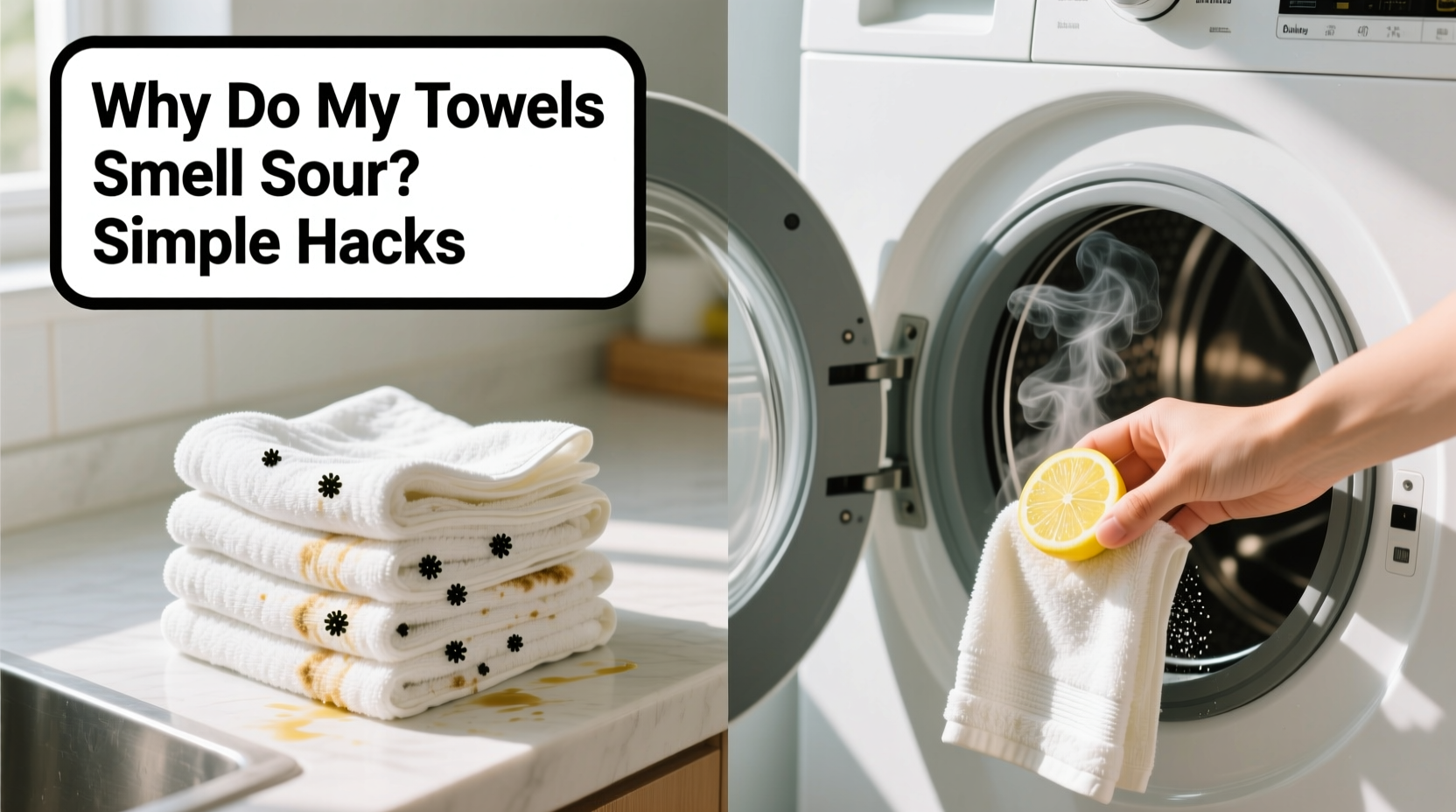
Towels start to smell sour due to microbial growth. When towels remain damp for too long—whether left bunched up in the hamper, stored in a humid bathroom, or inadequately dried in the washer—they become a haven for bacteria and mold. These microorganisms feed on organic residues like sweat, body oils, and dead skin cells trapped in the fabric. As they multiply, they emit volatile organic compounds (VOCs) that produce unpleasant, sour, or musty odors.
Another culprit is detergent residue. Using too much detergent—or the wrong kind—can leave behind a soapy film that traps moisture and grime. High-efficiency (HE) machines require low-sudsing detergents; using regular detergent in these models leads to incomplete rinsing, creating a sticky layer where microbes thrive. Fabric softeners and dryer sheets compound the problem by coating fibers with waxy chemicals that reduce absorbency and trap odors.
“Microbial growth in textiles isn’t just about smell—it compromises hygiene. Towels should be fully dried within 24 hours to prevent bacterial colonization.” — Dr. Lena Peterson, Microbiologist & Textile Hygiene Researcher
5 Simple Hacks to Eliminate and Prevent Sour Smells
Reviving your towels doesn’t require expensive products or drastic measures. These practical, science-backed methods target the root causes of odor and restore freshness using household staples.
1. Wash with White Vinegar
Vinegar acts as a natural deodorizer and detergent cleaner. Add one cup of distilled white vinegar to the rinse cycle to break down soap scum, dissolve mineral deposits, and neutralize odors. Unlike commercial fabric softeners, vinegar removes buildup without coating fibers.
2. Use Baking Soda for Deep Deodorizing
Baking soda lifts acidic odors and softens water, improving detergent efficiency. Add half a cup directly to the drum before loading towels. It also helps maintain pH balance in the wash, reducing bacterial survival rates.
3. Skip Fabric Softener Completely
Fabric softeners coat cotton fibers with a thin layer of silicone or paraffin, reducing absorbency and trapping moisture and bacteria. Instead, use wool dryer balls to soften towels naturally and reduce drying time.
4. Wash in Hot Water (When Possible)
Hot water (at least 60°C / 140°F) kills bacteria and dissolves oils more effectively than cold or warm cycles. Check care labels, but most cotton towels tolerate high heat. If colors are a concern, use color-safe bleach alternatives like oxygen bleach.
5. Dry Thoroughly—No Exceptions
Never let towels sit damp. Remove them from the washer promptly and dry completely on high heat. If air-drying, hang them in a well-ventilated area with space between each towel for airflow. Damp towels folded or piled up encourage mildew.
Step-by-Step Guide: Revive Smelly Towels in 3 Washes
If your towel collection has already turned sour, follow this three-cycle reset plan to restore freshness.
- First Wash – Strip Buildup: Run a hot cycle with one cup of white vinegar. No detergent. This removes detergent residue and loosens trapped grime.
- Second Wash – Deep Clean: Wash again in hot water with half a cup of baking soda and your regular detergent. This eliminates bacteria and neutralizes odors.
- Third Wash – Final Refresh: Do a normal hot wash with detergent only. This ensures all additives are rinsed out and leaves towels clean and ready for use.
After the third cycle, dry immediately on high heat. Inspect for any lingering odor. If smell persists, repeat the vinegar wash and consider switching to a high-performance detergent formulated for athletic wear or deep cleaning.
Do’s and Don’ts: Towel Care Best Practices
| Do’s | Don’ts |
|---|---|
| Wash towels separately from clothes to avoid lint transfer and improve cleaning efficiency. | Don’t wash towels with items containing fabric softener residue (like shirts). |
| Use measured amounts of HE-compatible detergent—usually 1–2 tablespoons. | Don’t overload the washing machine; towels need room to agitate. |
| Dry towels completely before folding or storing. | Don’t leave wet towels crumpled in the bathroom or laundry basket. |
| Replace towels every 1–2 years or when they feel stiff and stop absorbing well. | Don’t ignore persistent odors—treat them immediately before bacteria set deeper. |
| Store clean, dry towels in a cool, ventilated linen closet. | Don’t keep towels in plastic bins or sealed containers where moisture gets trapped. |
Real Example: How Sarah Fixed Her Family’s Smelly Towel Problem
Sarah, a mother of three in Portland, Oregon, struggled with sour-smelling towels despite weekly washes. Her family used towels daily, and they were often left in a damp pile on the bathroom floor before making it to the laundry. She noticed the odor worsened during winter when indoor humidity rose and drying took longer.
After researching, she implemented a new routine: towels went straight into a mesh laundry bag after use, she switched to vinegar-only washes monthly, and she started using wool dryer balls. Within two weeks, the sour smell disappeared. “I didn’t realize how much detergent I was using,” she said. “Cutting back and adding vinegar made a huge difference. Now my towels actually smell like clean cotton, not chemicals.”
Checklist: Keep Your Towels Fresh Long-Term
- ✅ Shake out and hang towels to dry after each use
- ✅ Wash towels every 3–4 uses or when visibly soiled
- ✅ Use hot water for whites, warm for colors (when safe)
- ✅ Measure detergent carefully—less is more
- ✅ Replace fabric softener with wool dryer balls
- ✅ Add vinegar or baking soda monthly for deep cleaning
- ✅ Dry completely before folding or storing
- ✅ Store in a dry, ventilated space away from humidity
- ✅ Replace old, stiff, or non-absorbent towels
- ✅ Perform a full vinegar-baking soda refresh every 2–3 months
FAQ: Common Questions About Smelly Towels
Can I use essential oils to make towels smell better?
You can add a few drops of essential oil (like tea tree, lavender, or eucalyptus) to wool dryer balls for a light scent. However, avoid adding oils directly to the wash—they can leave oily residues that trap odors. Tea tree oil has natural antimicrobial properties, which may help suppress bacteria.
Why do my towels still smell after using bleach?
Bleach kills germs but doesn’t remove detergent buildup or trapped oils. If towels still smell sour after bleaching, the issue is likely residue or incomplete drying. Try a vinegar wash first to strip buildup, then bleach if needed. Also ensure towels are dried thoroughly—bleach won’t prevent regrowth in damp conditions.
How often should I wash my towels?
For optimal hygiene, wash bath towels after every 3–4 uses. Gym towels or those used after sweating should be washed after each use. Regular washing prevents the accumulation of bacteria, oils, and dead skin that lead to odors.
Conclusion: Fresh Towels Start with Smart Habits
Sour-smelling towels aren’t inevitable—they’re a sign of preventable care mistakes. By understanding how moisture, residue, and bacteria interact, you can take control of your laundry routine and enjoy consistently fresh, soft, and absorbent towels. The solutions don’t require special products or extra time; they rely on consistency, proper technique, and a few smart substitutions like vinegar and baking soda.
Start today: pull out a smelly towel, run it through a vinegar wash, and commit to better drying and storage. Small changes compound into lasting results. Not only will your towels last longer, but your entire bathroom will feel cleaner and more inviting.




 浙公网安备
33010002000092号
浙公网安备
33010002000092号 浙B2-20120091-4
Comments
No comments yet. Why don't you start the discussion?