
New towels are often soft, absorbent, and luxurious—yet they come with a frustrating downside: excessive lint shedding. Whether it's clinging to your skin after a shower or turning your dark clothes into a fuzzy mess in the laundry, lint from new towels is a common household annoyance. The good news? This issue is both normal and fixable. Understanding why it happens and applying targeted solutions can eliminate fluff almost instantly and preserve your towels’ quality over time.
The Science Behind Towel Lint Shedding
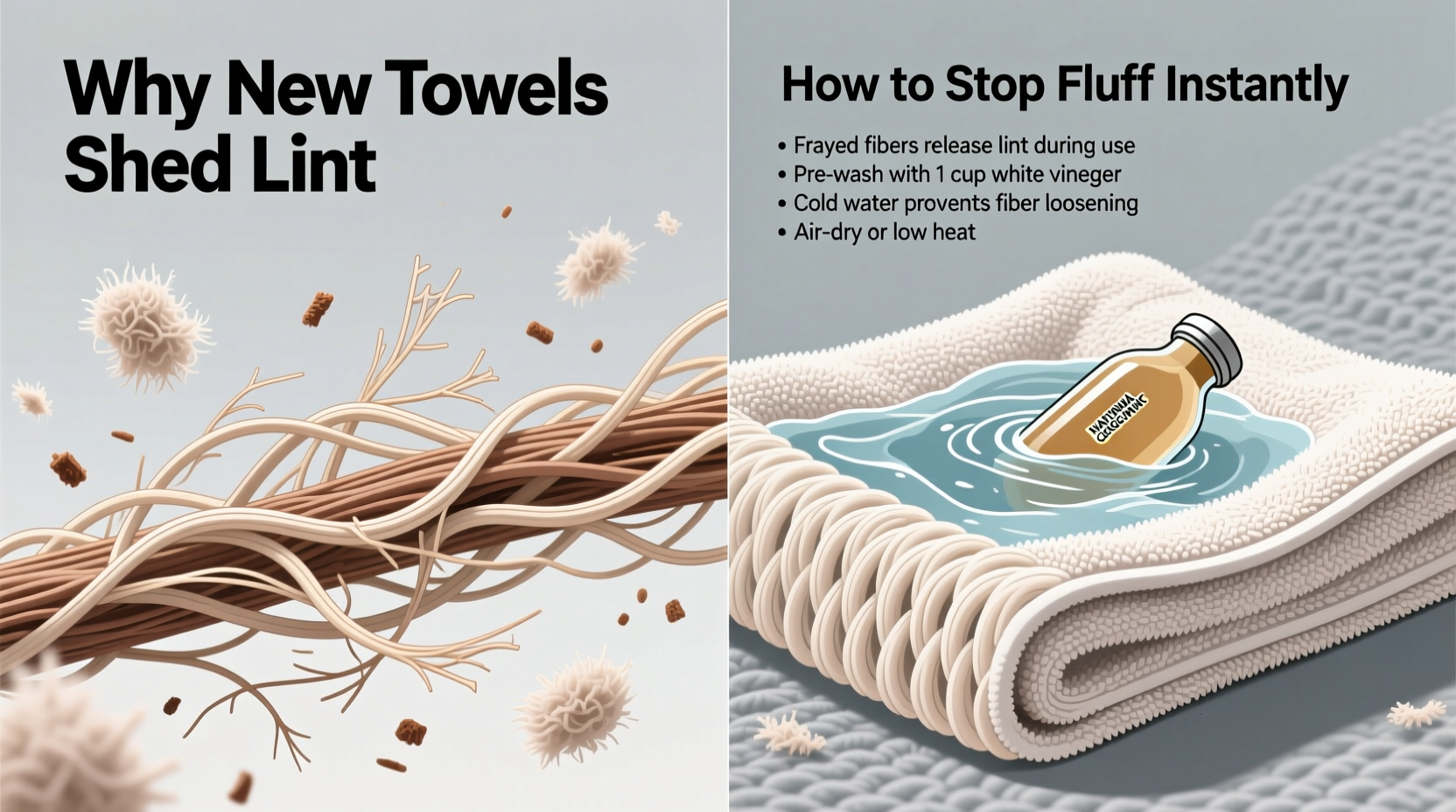
Lint is made up of tiny loose fibers that break free from fabric during use and washing. With new towels, this shedding is especially pronounced due to manufacturing processes. During production, cotton fibers are spun into yarn and woven into terry cloth. Not all fibers get fully secured in the weave, leaving loose ends that detach easily when agitated.
Cotton, particularly long-staple varieties like Egyptian or Pima, tends to produce less lint because the fibers are longer and more tightly bound. However, many mass-market towels use shorter-staple cotton or blends that shed more aggressively at first. Additionally, chemical residues from sizing agents—used to strengthen yarn during weaving—can prevent full fiber bonding until washed out.
“New towels shed because manufacturers prioritize softness and bulk over initial durability. The first few washes act as a ‘break-in’ period.” — Dr. Lena Pruitt, Textile Scientist, Georgia Tech School of Materials
This explains why lint typically decreases after multiple wash cycles. But waiting weeks to enjoy a lint-free towel isn’t practical. The goal is to accelerate this stabilization process.
Immediate Steps to Stop Lint on New Towels
You don’t have to endure weeks of fluff transfer. Several fast-acting techniques can reduce or eliminate lint shedding within one or two washes. These methods work by removing loose fibers, setting the weave, and enhancing absorbency—all while preserving softness.
1. Wash Before First Use (The Critical Step)
Never skip the pre-wash. Washing a new towel before use removes processing chemicals and flushes out loose fibers. Skip this, and you’ll transfer lint directly onto your skin and other laundry.
2. Use White Vinegar Instead of Detergent (First Wash Only)
For the first wash, skip detergent entirely. Add one cup of distilled white vinegar to the rinse cycle. Vinegar dissolves residual sizing, softens fibers naturally, and helps bind loose threads without coating them like detergents can.
Vinegar also balances pH, which improves water absorption—a bonus since stiff, chemically coated towels repel water initially.
3. Dry with Dryer Balls or Clean Tennis Balls
Tumble drying with wool dryer balls or clean tennis balls boosts airflow and physically breaks apart lint clusters. The agitation helps dislodge weak fibers so they don’t cling later. Avoid dryer sheets—they leave a waxy coating that reduces absorbency and traps lint.
4. Repeat the Vinegar Wash Once More
After the first vinegar wash, repeat it once more. Two cycles ensure maximum removal of loose fibers and chemical residue. By the third wash, switch to a mild, fragrance-free detergent.
Do’s and Don’ts When Treating New Towels
| Do’s | Don’ts |
|---|---|
| Wash new towels before using | Use fabric softener or dryer sheets |
| Wash in warm water (not hot) | Wash with clothes that attract lint (e.g., black pants) |
| Add vinegar to the first two washes | Overload the washing machine |
| Dry completely but avoid overheating | Use bleach regularly—it weakens fibers |
| Separate colors and textures | Iron terry towels—they’ll lose their pile |
Step-by-Step Guide: Eliminate Lint in 72 Hours
If you need lint-free towels fast—for guests, photography, or personal comfort—follow this accelerated three-day plan:
- Day 1 – Vinegar Wash: Place towels alone in the washer. Use warm water and add 1 cup of white vinegar to the dispenser. Run a full cycle without detergent or bleach.
- Day 1 – High-Heat Dry: Transfer to the dryer immediately. Add two wool dryer balls and dry on medium-high heat until fully dry. Remove promptly to prevent wrinkling.
- Day 2 – Second Vinegar Wash: Repeat the vinegar wash. This second cycle captures fibers loosened by the first.
- Day 2 – Dry Again with Balls: Dry thoroughly with dryer balls. You should notice significantly less lint buildup in the filter.
- Day 3 – Normal Wash with Mild Detergent: Wash once more using a small amount of gentle, sulfate-free detergent. Avoid overuse—excess soap leaves residue.
- Day 3 – Final Dry: Dry normally. After this cycle, your towels should be soft, absorbent, and nearly lint-free.
This method mimics six to eight regular washes in just three days, drastically shortening the shedding phase.
Long-Term Care Tips to Prevent Future Lint Buildup
Even after the initial shedding phase, poor laundry habits can cause towels to start linting again. Maintaining their integrity requires consistent care.
- Wash in Cold to Warm Water: Hot water degrades cotton fibers over time. Stick to warm (not exceeding 40°C/104°F) for cleaning and cold for routine refreshes.
- Avoid Overloading the Machine: Crowded loads reduce friction needed to release dirt—but too much crowding traps moisture and increases fiber stress.
- Use Half the Detergent You Think You Need: Excess detergent builds up, making towels stiff and prone to flaking. Measure carefully.
- Don’t Mix Towels with Other Fabrics: Especially avoid washing with synthetic materials like polyester. Their stronger fibers abrade cotton, increasing shedding.
- Rotate Your Towels: Using the same towel daily prevents it from fully drying between uses, weakening fibers. Rotate among 3–4 towels to extend lifespan.
Mini Case Study: A Hotel Housekeeping Manager’s Method
Sarah Kim has managed housekeeping at a luxury boutique hotel in Portland for seven years. Her team handles over 500 towels weekly, and guest complaints about lint were once common. “We used to replace towels every four months because they looked worn and left fuzz everywhere,” she says.
After consulting a textile supplier, Sarah implemented a new protocol: all new towels undergo two vinegar washes before entering rotation. They’re dried with industrial-grade wool balls and never washed with any other linens.
“Within three weeks, lint complaints dropped to zero. Our towels now last nearly twice as long and feel better than ever,” Sarah reports. “It takes an extra hour upfront, but saves us hours in re-washing and replacements.”
This real-world example proves that proper initial treatment pays off in both performance and cost-efficiency.
Frequently Asked Questions
Why do some towels never stop shedding?
Persistent linting usually indicates low-quality cotton or a weak weave. Towels made from recycled fibers or blended with synthetics tend to degrade faster. Invest in 100% cotton, preferably ring-spun or combed cotton, for lasting results.
Can I fix old, linty towels?
Yes. Treat aging towels with the same vinegar-and-dryer-ball method. While they won’t regain factory-new condition, this can revive softness and reduce shedding temporarily. However, if fibers are frayed or thin, replacement is the better option.
Does fabric softener help with lint?
No—fabric softener harms towels. It coats fibers with silicone or paraffin, reducing absorbency and trapping lint. Over time, this buildup causes towels to smell musty and perform poorly. Use vinegar instead for natural softening.
Expert Insight: Choosing Towels That Shed Less From the Start
Prevention begins at purchase. Not all towels are created equal, and understanding labels can save you time and frustration.
“Look for ‘ring-spun’ or ‘combed cotton’ on the label. These processes remove short fibers and create stronger, smoother yarns that resist pilling and linting.” — Marcus Tran, Product Developer at LinenCraft Co.
Avoid towels labeled “microfiber” unless intended for gym or travel use—these are synthetic and prone to static cling, which attracts lint rather than preventing it. Also, heavier towels (measured in GSM—grams per square meter) generally shed less. Aim for 400–600 GSM for a balance of plushness and durability.
Final Checklist: Stop Towel Lint Instantly
Use this checklist the next time you buy new towels:
- ✅ Wash before first use
- ✅ Use only white vinegar in the first two washes
- ✅ Dry with wool dryer balls (no dryer sheets!)
- ✅ Wash separately for the first three cycles
- ✅ Use mild detergent afterward
- ✅ Avoid bleach and fabric softener permanently
- ✅ Store in a dry, ventilated space to prevent mildew
Conclusion: Take Control of Towel Quality Today
Lint-shedding towels don’t have to be a fact of life. What seems like a flaw is actually a solvable phase in a towel’s lifecycle. With a strategic pre-treatment routine and mindful laundering habits, you can enjoy soft, fluffy, and lint-free towels from day one. The process takes minimal effort but delivers lasting benefits: cleaner laundry, better skin contact, and extended towel longevity.




 浙公网安备
33010002000092号
浙公网安备
33010002000092号 浙B2-20120091-4
Comments
No comments yet. Why don't you start the discussion?