
Gaming has evolved from a solitary pastime into a deeply social experience. Online multiplayer games connect millions of players across the globe, offering teamwork, competition, and community. Yet, for many, these digital spaces often devolve into environments filled with hostility, insults, and frustration. It's not uncommon to hear phrases like “git gud,” “reporting to HR,” or worse—personal attacks—within minutes of joining a match. Why do online multiplayer lobbies so frequently feel toxic? And more importantly, what can players do to protect their mental well-being while still enjoying competitive play?
The answer lies in a combination of psychological dynamics, anonymity, design flaws in game systems, and cultural norms within certain gaming communities. Understanding these factors is the first step toward developing healthier habits and reclaiming the joy of playing.
The Psychology Behind Online Toxicity
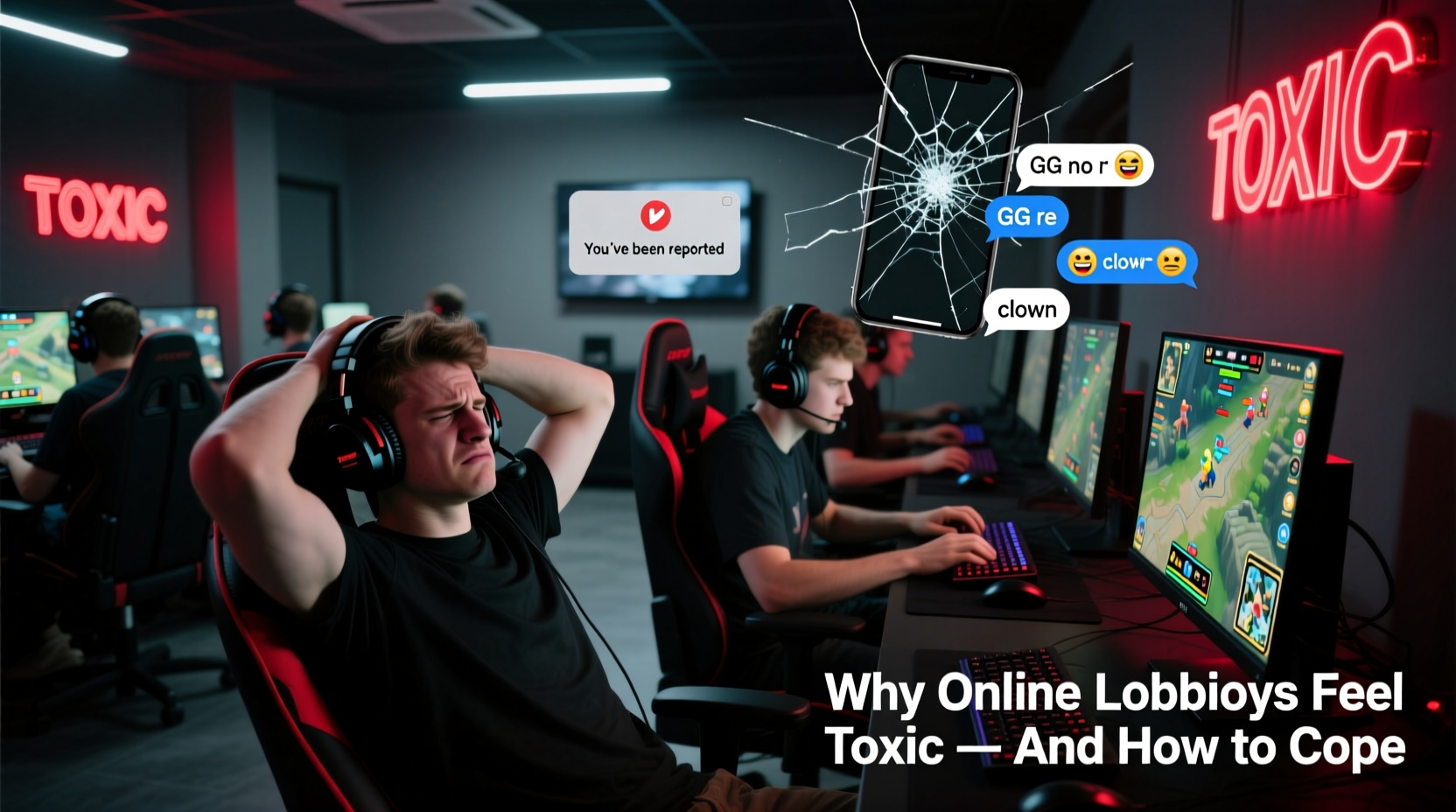
Toxic behavior in multiplayer lobbies isn’t random—it’s rooted in predictable human behaviors amplified by digital environments. One major factor is the **online disinhibition effect**, a term coined by psychologist John Suler. This phenomenon describes how people behave more aggressively or impulsively online than they would in person, due to reduced accountability, invisibility, and perceived distance from consequences.
In high-pressure matches where victory is narrowly determined, even minor setbacks—a missed shot, a lost objective, or a teammate’s mistake—can trigger disproportionate reactions. Players often externalize blame rather than reflect on their own performance. When combined with voice chat or text messaging, this creates a feedback loop of negativity that spreads rapidly through the lobby.
Another contributing factor is the **skill gap**. Many competitive games use matchmaking systems, but they can't perfectly align player skill, emotional maturity, or communication styles. A new player jumping into a ranked match might face veterans who have little patience for learning curves. The resulting imbalance fuels frustration on both sides: the newcomer feels attacked, while the experienced player feels held back.
Game Design and Incentive Structures
Ironically, some of the very mechanics designed to make games exciting also encourage toxic behavior. For example:
- Rank-based progression: Games that tie self-worth to visible ranks (e.g., Bronze to Radiant) create high-stakes environments where losses feel catastrophic. This pressure increases defensiveness and blame-shifting.
- Limited communication tools: Quick pings or emotes may help coordination, but they’re insufficient for resolving conflict or expressing nuance, leading to misinterpretation.
- Weak moderation: Reporting systems are often slow, ineffective, or result in minimal consequences. Players know that abusive behavior rarely leads to real penalties.
- No positive reinforcement: While many games penalize negative actions, few reward good sportsmanship, encouragement, or helpfulness—leaving kindness invisible and unrewarded.
A 2021 study by the Anti-Defamation League found that nearly two-thirds of online gamers experienced severe harassment, including physical threats, stalking, or hate speech. Despite this, only 38% of reports led to any action from platform moderators. This lack of enforcement signals tolerance for toxicity, normalizing it as \"just part of the culture.\"
“Design shapes behavior. When games reward aggression and ignore empathy, we shouldn’t be surprised when players act accordingly.” — Dr. Sarah Hays, Behavioral Researcher at the Institute for Digital Wellbeing
Coping Strategies for Players
You can't control other players—but you *can* control your response. Building resilience against toxicity starts with intentional habits and mindset shifts. Here are actionable steps to reduce its impact:
1. Set Communication Boundaries
Decide in advance whether you’ll use voice chat. If you do, limit it to trusted friends. Consider muting all voice channels entirely during ranked matches. Use in-game mute functions liberally. Most platforms allow you to block voice and text with a single click—use it without guilt.
2. Reframe Your Goals
If every match must end in victory, you're setting yourself up for stress. Instead, focus on process-oriented goals: improving positioning, mastering a new ability, or maintaining composure under pressure. Winning becomes a bonus, not a requirement for satisfaction.
3. Practice Emotional Detachment
Remind yourself: harsh words from strangers carry no lasting weight. They don’t know you, and their opinions don’t define your skill or worth. Treat offensive messages like background noise—acknowledge it exists, then shift attention back to gameplay.
4. Create a Pre-Match Routine
Just as athletes warm up physically, prepare mentally. Spend two minutes breathing deeply, stretching, or listening to calming music before queuing. This reduces reactivity and helps you enter matches with greater emotional balance.
5. Schedule Breaks Proactively
Don’t wait until you’re tilted. Set time limits—e.g., three matches, then a 15-minute break. Step away if your heart rate rises or you catch yourself yelling at the screen. Use breaks to hydrate, move around, or engage in non-digital activities.
Checklist: Building a Healthier Gaming Experience
- Mute or block players who use personal attacks or slurs
- Disable voice chat in public lobbies unless playing with friends
- Set a timer for gaming sessions (e.g., 90 minutes max)
- Use reporting tools consistently—even if action seems unlikely
- Join or form a small group of respectful players to queue with regularly
- Reflect post-match: “Did I stay calm? Did I help someone?”
- Take deep breaths before responding to frustrating situations
- Uninstall games that consistently damage your mood
Real Example: From Burnout to Balanced Play
James, a 27-year-old software developer, loved playing tactical shooters but found himself increasingly angry after each session. He’d spend hours grinding ranked matches, only to leave feeling insulted, demotivated, and anxious. His sleep suffered, and he started dreading logging in—even though he missed the thrill of competition.
After reading about digital well-being, James decided to experiment. He turned off voice chat, limited himself to four matches per day, and began tracking how he felt afterward. He also joined a small Discord group of like-minded players focused on improvement without toxicity.
Within three weeks, his experience transformed. Without constant verbal abuse, he could focus on strategy. Shorter sessions kept him engaged without fatigue. Most importantly, playing with supportive teammates reminded him why he loved the game in the first place. He still competes, but now on his terms—with boundaries that protect his peace.
Do’s and Don’ts in Toxic Lobbies
| Do | Don’t |
|---|---|
| Mute hostile players immediately | Engage in arguments or retaliate |
| Focus on your own performance | Blame teammates for losses |
| Use pings or emotes for coordination | Send sarcastic or shaming messages |
| Take breaks after intense matches | Play “one more game” when tilted |
| Report clear violations (threats, hate speech) | Ignore harmful behavior hoping it stops |
| Play with friends or join positive communities | Stay in lobbies that consistently upset you |
What Game Developers Can Do
While individual coping strategies are essential, long-term change requires systemic improvements. Some studios are beginning to lead the way. For instance, Overwatch introduced a commendation system that lets players praise teammates for sportsmanship. Valorant uses AI-powered voice monitoring (in beta) to detect hate speech in real time. These efforts show promise, but widespread adoption remains slow.
Ideally, developers should:
- Implement faster, more transparent reporting outcomes
- Reward positive behavior with cosmetic or social incentives
- Design tutorials that teach conflict resolution and team dynamics
- Offer opt-in “low-pressure” queues without rankings or voice chat
- Provide in-game resources for players struggling with stress or addiction
Until such changes become standard, players must advocate for better standards—by supporting studios that prioritize well-being and avoiding those that tolerate abuse.
FAQ
Is it okay to quit a game because of toxicity?
Absolutely. If a game consistently harms your mood or self-esteem, stepping away is an act of self-care, not weakness. There’s no obligation to endure abuse for entertainment.
Can being exposed to toxicity affect my real-life behavior?
Prolonged exposure to hostile environments can desensitize you to aggression and increase irritability over time. It may also influence how you communicate under stress. Being mindful of this helps prevent spillover into personal relationships.
How do I find friendly communities to play with?
Look for Discord servers focused on “positive play,” “learning,” or “casual comp.” Avoid large, anonymous forums known for edgy humor. Read server rules—if they explicitly ban harassment and enforce them, it’s a good sign.
Conclusion: Reclaiming Joy in Multiplayer Gaming
Online multiplayer lobbies don’t have to be war zones. While toxicity is widespread, it’s neither inevitable nor unchangeable. By understanding its roots—psychological, social, and technical—you gain power over how it affects you. Setting boundaries, adjusting your mindset, and choosing supportive environments can transform your experience from draining to rewarding.
Remember: gaming should enhance your life, not detract from it. You’re allowed to demand respect, protect your energy, and walk away from spaces that fail you. Every time you mute a troll, report abuse, or choose kindness over retaliation, you contribute to a quieter revolution—one match at a time.




 浙公网安备
33010002000092号
浙公网安备
33010002000092号 浙B2-20120091-4
Comments
No comments yet. Why don't you start the discussion?