
Chewing ice may seem like a harmless habit—something to do when you're bored, stressed, or just trying to cool down on a hot day. But for some individuals, the urge to crunch on ice is persistent, even compulsive. This behavior, known medically as pagophagia, goes beyond casual snacking. When someone chews ice constantly, it can be more than just a quirky preference—it might point to a deeper physiological issue, particularly iron deficiency anemia.
While occasional ice chewing is common and generally benign, habitual consumption raises questions among healthcare professionals. Research has increasingly linked chronic ice cravings with nutritional imbalances, especially low iron levels. Understanding why people chew ice so frequently—and what it might mean for their health—can lead to early diagnosis and effective treatment of underlying conditions.
The Science Behind Ice Cravings: What Is Pagophagia?
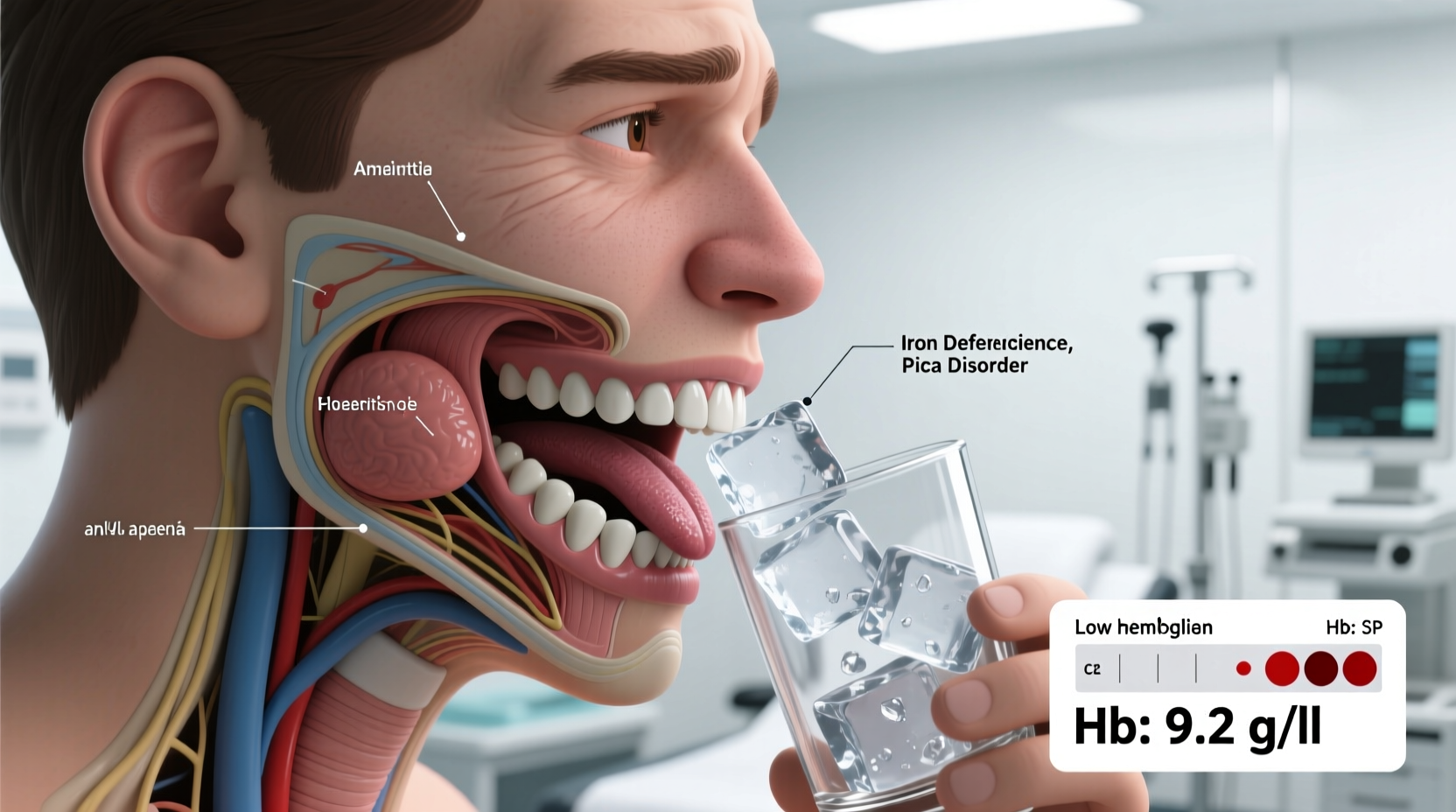
Pagophagia is a subtype of pica, an eating disorder characterized by the persistent consumption of non-nutritive substances such as dirt, chalk, or paper. In the case of pagophagia, the substance is specifically ice—whether in cubes, crushed form, or even freezer frost. Unlike other forms of pica, which can pose serious health risks due to toxicity or intestinal blockage, ice is physically safe to ingest. However, its compulsive consumption still warrants medical attention.
Studies suggest that individuals with iron deficiency anemia are significantly more likely to experience intense cravings for ice. One theory explaining this phenomenon involves oral inflammation. Iron-deficient individuals often develop glossitis (inflammation of the tongue) and atrophic changes in the oral mucosa, leading to discomfort. Chewing ice may provide temporary relief by numbing irritated tissues and increasing blood flow to the area.
A 2014 study published in the journal *Pediatrics* found that adolescents with iron deficiency were nearly three times more likely to report regular ice-chewing behavior compared to those with normal iron levels. Moreover, after receiving iron supplementation, many participants reported a marked decrease—or complete cessation—of their ice cravings within weeks.
“Pagophagia is one of the most specific yet underrecognized signs of iron deficiency. When a patient presents with chronic ice chewing, we should consider checking ferritin levels before dismissing it as a habit.” — Dr. Laura Chen, Hematologist and Internal Medicine Specialist
Iron Deficiency and Its Connection to Ice Consumption
Iron plays a crucial role in the production of hemoglobin, the protein in red blood cells responsible for carrying oxygen throughout the body. When iron stores run low, the body struggles to produce enough healthy red blood cells, resulting in iron deficiency anemia. Symptoms include fatigue, weakness, pale skin, shortness of breath, dizziness, and cold extremities.
But why does this condition trigger a craving for ice?
One compelling hypothesis centers around brain function. Low iron levels reduce oxygen delivery to the brain, potentially impairing cognitive performance and alertness. Researchers believe that the act of chewing ice may increase cerebral blood flow, creating a mild stimulant effect that temporarily improves mental clarity in iron-deficient individuals. This could explain why many people report feeling more focused or awake while chewing ice.
A small but notable 2011 study conducted at Penn State University used transcranial Doppler ultrasound to measure brain activity in anemic patients who chewed ice. The results showed a significant increase in blood flow velocity to the brain during ice consumption—more so than when drinking cold water. This neurovascular response was absent in non-anemic controls, suggesting a direct physiological benefit tied to the deficiency itself.
Other Possible Causes and Contributing Factors
While iron deficiency remains the most well-documented cause of chronic ice chewing, it’s not the only factor. Several other physiological and psychological elements may contribute to the behavior:
- Stress and Anxiety: For some, chewing ice serves as a coping mechanism, similar to nail-biting or gum-chewing. The repetitive motion can have a calming, grounding effect during periods of emotional distress.
- Dental Habits: Bruxism (teeth grinding) or jaw tension may lead individuals to seek out hard textures to gnaw on, with ice being a convenient and accessible option.
- Dehydration: Though counterintuitive, constant ice chewing can sometimes reflect inadequate hydration. People may prefer ice over liquid water due to taste, texture, or gastrointestinal sensitivity.
- Pregnancy: Hormonal fluctuations and increased iron demands during pregnancy can trigger unusual food cravings, including ice. Pregnant women are also at higher risk for developing anemia.
- Gastrointestinal Disorders: Conditions like celiac disease, inflammatory bowel disease (IBD), or gastric bypass surgery can impair iron absorption, indirectly contributing to both deficiency and subsequent pagophagia.
It's important to note that not everyone who chews ice has an underlying deficiency. Some individuals simply enjoy the sensation—the cold temperature, the crunch, the ritual of sipping a drink until only ice remains. However, when the behavior becomes compulsive, interferes with daily life, or is accompanied by other symptoms like fatigue or pallor, it deserves closer evaluation.
When to Seek Medical Advice: Recognizing Warning Signs
Occasional ice chewing isn’t harmful. However, frequent or obsessive consumption—especially when paired with other symptoms—should prompt a visit to a healthcare provider. Here are key warning signs that may indicate an underlying issue:
| Symptom | Possible Implication |
|---|---|
| Craving ice daily, multiple times per day | May indicate iron deficiency or pica |
| Feeling unusually tired or weak | Common sign of anemia |
| Pale skin or brittle nails | Associated with low iron levels |
| Shortness of breath during light activity | Suggests reduced oxygen-carrying capacity |
| Cold hands and feet despite warm environment | Linked to poor circulation from anemia |
| Dizziness or difficulty concentrating | Potential neurological impact of iron deficiency |
If several of these signs apply, a complete blood count (CBC) and serum ferritin test can help determine whether iron deficiency is present. Ferritin, a protein that stores iron, provides insight into the body’s iron reserves. Even if hemoglobin levels appear normal, low ferritin may still justify iron supplementation and further investigation.
Case Example: Sarah’s Unexplained Fatigue
Sarah, a 32-year-old teacher, had been chewing ice almost constantly for over a year. She went through multiple trays a day, often finishing large cups of ice before her coworkers even started theirs. Initially, she dismissed it as a quirk—until she began experiencing extreme fatigue, headaches, and difficulty concentrating during lessons.
After visiting her primary care physician, a blood test revealed she had iron deficiency anemia with a ferritin level of just 8 ng/mL (normal range: 15–150 ng/mL). Her doctor connected her ice cravings directly to the deficiency and prescribed oral iron supplements along with dietary changes. Within six weeks, Sarah noticed her energy returning—and her desire to chew ice vanished completely.
This real-world example underscores how seemingly minor habits can serve as early indicators of systemic health problems.
Diagnosis and Treatment Options
Treating chronic ice chewing starts with identifying the root cause. If iron deficiency is confirmed, treatment typically follows a multi-pronged approach:
- Iron Supplementation: Oral ferrous sulfate, ferrous gluconate, or ferrous fumarate are commonly prescribed. These should be taken on an empty stomach with vitamin C (e.g., orange juice) to enhance absorption, unless gastrointestinal side effects require food co-administration.
- Dietary Adjustments: Incorporating iron-rich foods such as red meat, poultry, lentils, spinach, tofu, and fortified cereals can support long-term recovery. Pairing plant-based iron sources with vitamin C-rich foods boosts absorption.
- Addressing Underlying Causes: If malabsorption, heavy menstrual bleeding, or gastrointestinal bleeding is suspected, additional testing (e.g., endoscopy, colonoscopy, gynecological evaluation) may be necessary.
- Monitoring Progress: Follow-up blood tests after 4–6 weeks assess improvement in hemoglobin and ferritin levels.
- Alternative Therapies: In cases where oral iron causes intolerable side effects (constipation, nausea), intravenous iron therapy may be considered.
For individuals whose ice chewing is driven by anxiety or stress rather than deficiency, behavioral strategies such as mindfulness, cognitive-behavioral therapy (CBT), or habit-reversal training may be beneficial.
Prevention and Healthy Alternatives
Preventing relapse into chronic ice chewing involves maintaining optimal iron levels and addressing triggers. Consider the following checklist to support long-term wellness:
Iron Health Checklist
- ✅ Get regular blood work if you’re at risk (women of childbearing age, vegetarians, those with GI disorders)
- ✅ Eat a balanced diet rich in heme iron (from animal sources) and non-heme iron (from plants)
- ✅ Combine iron-rich meals with vitamin C sources (bell peppers, citrus, strawberries)
- ✅ Limit intake of inhibitors like tannins (tea, wine) and phytates (whole grains, legumes) around iron-rich meals
- ✅ Stay hydrated with water or herbal infusions instead of relying solely on ice
- ✅ Use a straw when drinking acidic beverages to protect tooth enamel if you still chew ice occasionally
For those looking to break the physical habit, alternatives like sugar-free gum, crunchy vegetables (carrots, celery), or chilled fruit can satisfy the need for oral stimulation without damaging teeth or signaling deficiency.
Frequently Asked Questions
Can chewing ice damage your teeth?
Yes. Despite being \"just water,\" ice is extremely hard and can lead to cracked enamel, chipped teeth, or damaged dental fillings over time. Dentists often advise against habitual ice chewing to prevent costly restorative procedures.
Is ice chewing during pregnancy normal?
While common, it shouldn't be ignored. Increased iron needs during pregnancy make anemia more likely. If you develop new cravings for ice while pregnant, discuss them with your OB-GYN. It could be a sign you need supplemental iron.
How long does it take for ice cravings to stop after starting iron treatment?
Many people notice a reduction in cravings within 1–2 weeks of beginning effective iron therapy, though full resolution may take several weeks as iron stores gradually replenish.
Conclusion: Listen to Your Body’s Signals
Chewing ice may start as a simple preference, but when it becomes constant, it can be your body’s way of sending a message. Far from being trivial, this behavior—especially when paired with fatigue or other subtle symptoms—may reveal an underlying iron deficiency or another health concern. Ignoring it could delay diagnosis and allow complications to develop.
By paying attention to patterns in your habits and advocating for appropriate testing, you empower yourself to address root causes rather than mask symptoms. Whether through dietary improvements, medical treatment, or behavioral change, resolving chronic ice chewing is often achievable with the right support.




 浙公网安备
33010002000092号
浙公网安备
33010002000092号 浙B2-20120091-4
Comments
No comments yet. Why don't you start the discussion?