
In a world increasingly defined by digital interaction and fast-paced living, many adults are turning to an unexpected source of solace: plush toys. Once considered childhood relics, stuffed animals are now proudly displayed on shelves, tucked into workspaces, or held during moments of stress. Far from being frivolous, this growing trend reflects deep psychological needs for comfort, emotional regulation, and identity expression. The adult plushie phenomenon is not about regression—it’s about resilience.
Psychologists have long recognized the value of transitional objects—items that provide emotional stability during times of change or distress. For adults, plushies often serve this role, offering tactile reassurance and symbolic continuity with safer, simpler times. As mental health awareness grows, so does the acceptance of non-traditional coping mechanisms. Collecting plushies has emerged as one such mechanism, quietly reshaping how we understand self-care in adulthood.
The Emotional Role of Comfort Objects
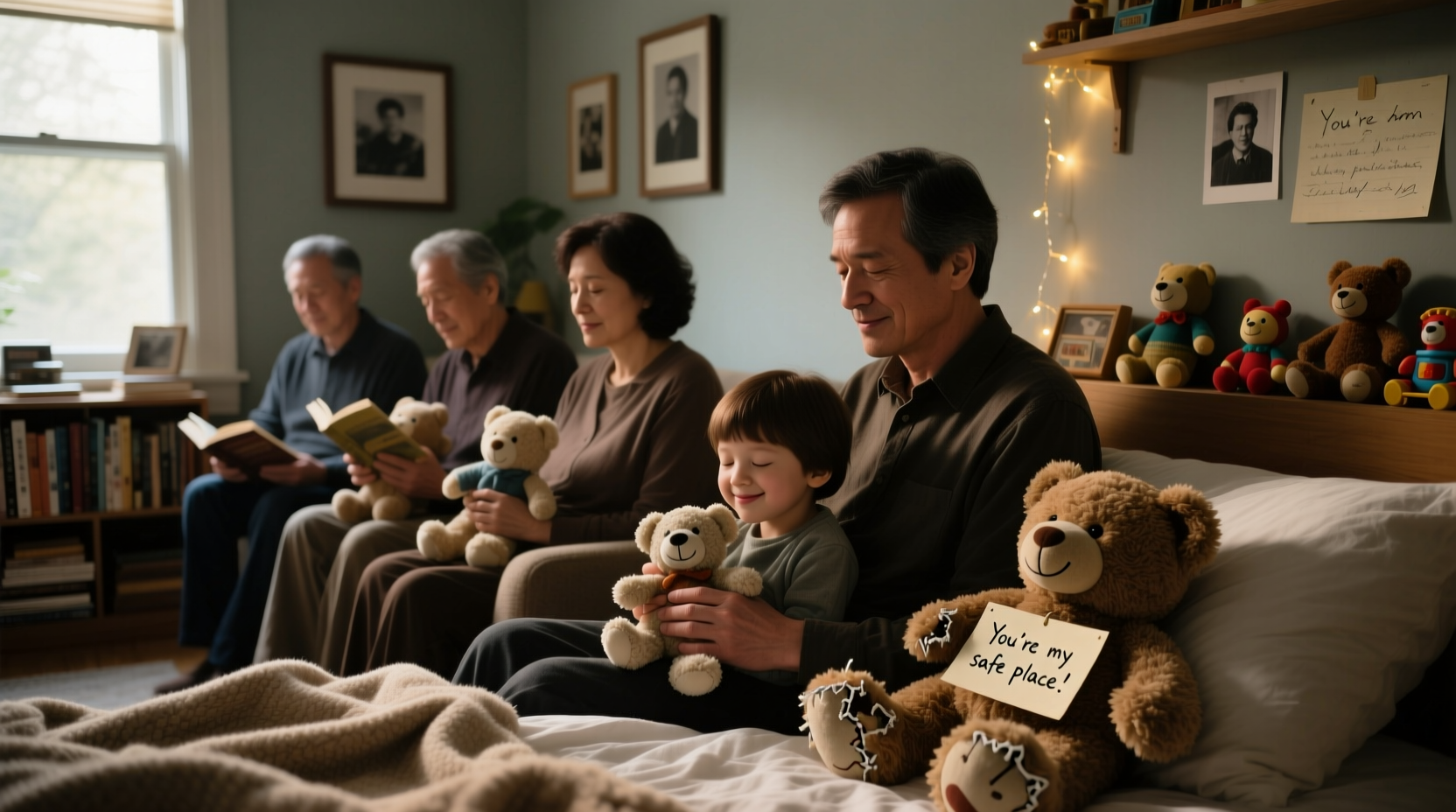
Comfort objects are more than sentimental keepsakes—they function as anchors in emotionally turbulent environments. From infancy, humans form attachments to soft items like blankets or stuffed animals. These objects become associated with safety, care, and predictability. While most children outgrow their need for such items, the underlying psychological function remains relevant throughout life.
For adults, plushies can fulfill several emotional roles:
- Anxiety reduction: Holding a soft object can activate the parasympathetic nervous system, lowering heart rate and cortisol levels.
- Emotional regulation: Plushies offer a non-judgmental presence during overwhelming emotions, serving as silent companions.
- Memory preservation: Certain plushies evoke specific memories—gifts from loved ones, milestones, or periods of personal growth.
- Sensory grounding: The texture and weight of a plush toy can help individuals stay present during dissociative episodes or panic attacks.
Dr. Laura Kesterson, a clinical psychologist specializing in attachment theory, explains:
“Transitional objects don’t lose their significance because we age. They evolve. An adult may not sleep with a teddy bear every night, but keeping one nearby can symbolize permission to feel safe—to be vulnerable without fear of judgment.”
This shift from necessity to intentional choice underscores a key distinction: adult plushie collecting is often a conscious act of self-soothing rather than dependency.
Why Adults Are Embracing Plushie Collections
The resurgence of plushie culture among adults is driven by multiple social and psychological factors. Unlike previous generations, today’s adults face unique stressors—economic instability, digital overload, and heightened societal expectations. In response, many seek tangible ways to reclaim control over their emotional environments.
One major driver is the normalization of mental health discussions. As therapy becomes more accessible and stigma declines, people feel freer to adopt personalized wellness strategies. Plushies fit seamlessly into this landscape—not as substitutes for professional help, but as complementary tools.
Additionally, internet communities have played a transformative role. Platforms like Reddit, Instagram, and TikTok host thriving subcultures where collectors share photos, stories, and custom creations. These spaces validate the practice and foster belonging. Being part of a niche community allows individuals to express themselves authentically, especially when mainstream society misunderstands their choices.
Psychological Theories Behind Attachment to Inanimate Objects
Several psychological frameworks help explain why adults form strong bonds with plush toys.
Attachment Theory
Originally developed by John Bowlby, attachment theory posits that early relationships with caregivers shape our ability to form secure emotional bonds. When those early experiences are inconsistent or traumatic, individuals may seek alternative sources of security. A plushie can represent a consistent, controllable relationship—one that doesn’t abandon or criticize.
Transitional Object Theory (Winnicott)
British pediatrician Donald Winnicott introduced the concept of the “transitional object”—an item that helps a child move from complete dependence on the caregiver to a sense of individuality. He argued these objects occupy a space between subjective reality and shared reality. For adults, revisiting this concept can mean reclaiming a sense of autonomy through comforting rituals.
Sensory Processing and Neurodivergence
Many neurodivergent individuals—particularly those with autism, ADHD, or anxiety disorders—report using plushies for sensory regulation. The soft texture provides calming tactile input, while the predictable nature of the object offers cognitive relief in unpredictable environments.
Symbolic Identity Expression
Plushies also serve as extensions of identity. Choosing a particular character or animal often reflects inner traits—an owl for wisdom, a bear for strength, a mythical creature for imagination. In this way, collections become visual diaries of personal values and emotional journeys.
Benefits and Misconceptions of Adult Plushie Collecting
Despite growing acceptance, misconceptions persist. Critics often label plushie collectors as immature or emotionally stunted. However, research suggests the opposite: engaging in comforting behaviors correlates with higher emotional intelligence and self-awareness.
Consider the following benefits supported by psychological studies:
| Benefit | Description | Supporting Evidence |
|---|---|---|
| Stress Reduction | Physical contact with soft objects lowers physiological markers of stress. | A 2018 study in Human-Animal Interaction Bulletin found hugging plush toys reduced cortisol levels comparably to pet interaction. |
| Improved Sleep Quality | Familiar textures and scents promote relaxation before bedtime. | Survey data from the National Sleep Foundation indicates tactile comfort aids sleep onset in 67% of respondents. |
| Enhanced Focus | Fidgeting with small plush items improves concentration in high-distraction settings. | ADHD coaches frequently recommend “comfort fidgets,” including mini plushies, for focus support. |
| Emotional Resilience | Having a reliable comfort object increases perceived coping capacity. | Cognitive-behavioral therapy models incorporate object-based anchoring techniques for trauma recovery. |
Conversely, common myths lack empirical support:
- Myth: Only people with unresolved trauma collect plushies.
Reality: Many collectors have no history of trauma; they simply appreciate the emotional benefits. - Myth: It's a sign of arrested development.
Reality: Emotional maturity includes knowing what supports your well-being—and acting on it. - Myth: Plushies replace human relationships.
Reality: Most collectors maintain healthy social lives; plushies complement, not substitute, connections.
Mini Case Study: Maya’s Journey with Plushie Therapy
Maya, a 34-year-old software engineer from Portland, began collecting plushies after a period of burnout and depression. Working remotely during the pandemic, she felt isolated and emotionally drained. One day, she purchased a small fox plush online—a whimsical decision meant to brighten her workspace.
Over time, Maya noticed something unexpected: holding the fox during video calls helped her feel calmer. She started adding more pieces—a rabbit for bedtime, a dinosaur for travel. Eventually, she joined an online plushie group where members shared care tips and emotional reflections.
“It sounds silly, but naming them and giving them little personalities made me feel less alone,” Maya said. “They’re not replacements for people. But they remind me to be gentle with myself.”
Today, Maya credits her plushies with helping her rebuild emotional resilience. She uses them as part of a broader self-care routine that includes therapy and journaling. Her story illustrates how seemingly simple objects can play complex roles in mental health recovery.
How to Build a Meaningful Plushie Collection (Step-by-Step Guide)
Starting or expanding a plushie collection doesn’t require expertise—just intention. Follow these steps to create a collection that supports your emotional well-being:
- Identify Your Purpose: Ask yourself why you want plushies. Is it for stress relief? Nostalgia? Aesthetic joy? Clarifying intent helps guide your choices.
- Start Small: Choose one or two plushies that resonate with you emotionally or visually. Avoid pressure to build quickly.
- Curate Thoughtfully: Select plushies based on meaning, not just availability. Limited editions or handmade items may carry deeper significance.
- Create Display Spaces: Designate areas where your plushies feel welcome—bedside, office shelf, reading nook. Visibility reinforces their role in your life.
- Engage Sensory Rituals: Develop routines like hugging a plush before sleep or carrying a pocket-sized one during stressful outings.
- Join a Community: Connect with others online or locally. Sharing your experience reduces shame and fosters inspiration.
- Maintain Them: Regularly dust, spot-clean, and air out your plushies. Caring for them strengthens the bond.
Checklist: Building a Healthy Relationship with Your Plushies
Use this checklist to ensure your collection enhances, rather than complicates, your life:
- ☑ I choose plushies that bring me genuine comfort or joy.
- ☑ My collection doesn’t interfere with daily responsibilities.
- ☑ I’m not hiding my plushies out of shame or fear of judgment.
- ☑ I use them as part of a broader emotional wellness strategy.
- ☑ I maintain them regularly to preserve their condition and meaning.
- ☑ I allow my collection to evolve as my emotional needs change.
Frequently Asked Questions
Is it normal for adults to sleep with plushies?
Yes, it’s entirely normal. Many adults find that having a soft companion at night improves sleep quality and reduces nighttime anxiety. As long as it doesn’t disrupt sleep hygiene (e.g., causing allergies or overheating), there’s no harm—and potential benefit—in the practice.
Can plushies help with anxiety or PTSD?
While plushies are not a treatment for clinical conditions, they can serve as supportive tools. Their tactile presence can ground someone during flashbacks or panic attacks. Therapists sometimes recommend comfort objects as part of sensory modulation plans, particularly for trauma survivors.
How do I respond to people who judge my collection?
You’re under no obligation to justify your emotional needs. If comfortable, you might say, “This helps me feel calm—it’s part of my self-care.” Alternatively, humor can deflect criticism: “Everyone has their thing. Mine happens to be fuzzy.” Remember, judgment often says more about the observer than the collector.
Conclusion: Reclaiming Comfort Without Apology
The psychology of comfort objects reveals a fundamental truth: emotional well-being isn’t achieved through stoicism, but through attunement. Adults who collect plushies aren’t clinging to childhood—they’re honoring their need for safety, softness, and continuity in a demanding world. These plush companions are not escapes from reality, but bridges to a more compassionate relationship with oneself.
As society continues to redefine what self-care looks like, let us expand our understanding of healing. Sometimes, resilience wears a smiling face and a stitched nose. Sometimes, strength is holding something soft and whispering, “I’m okay.”




 浙公网安备
33010002000092号
浙公网安备
33010002000092号 浙B2-20120091-4
Comments
No comments yet. Why don't you start the discussion?