
Death is an inevitable part of life, yet the reasons behind it remain complex and deeply significant. Understanding the causes of death is not merely a scientific exercise—it shapes healthcare systems, influences policy decisions, guides personal lifestyle choices, and drives innovation in medicine. From infectious diseases to chronic conditions, environmental factors to genetic predispositions, each cause tells a story about how societies live, what risks they face, and where interventions can save lives.
Accurate knowledge of mortality patterns allows researchers, governments, and individuals to respond effectively. It informs vaccination campaigns, workplace safety regulations, mental health initiatives, and preventive care strategies. Without this understanding, public health efforts would be reactive rather than proactive, often arriving too late to prevent avoidable loss.
The Role of Medical Science in Identifying Causes of Death
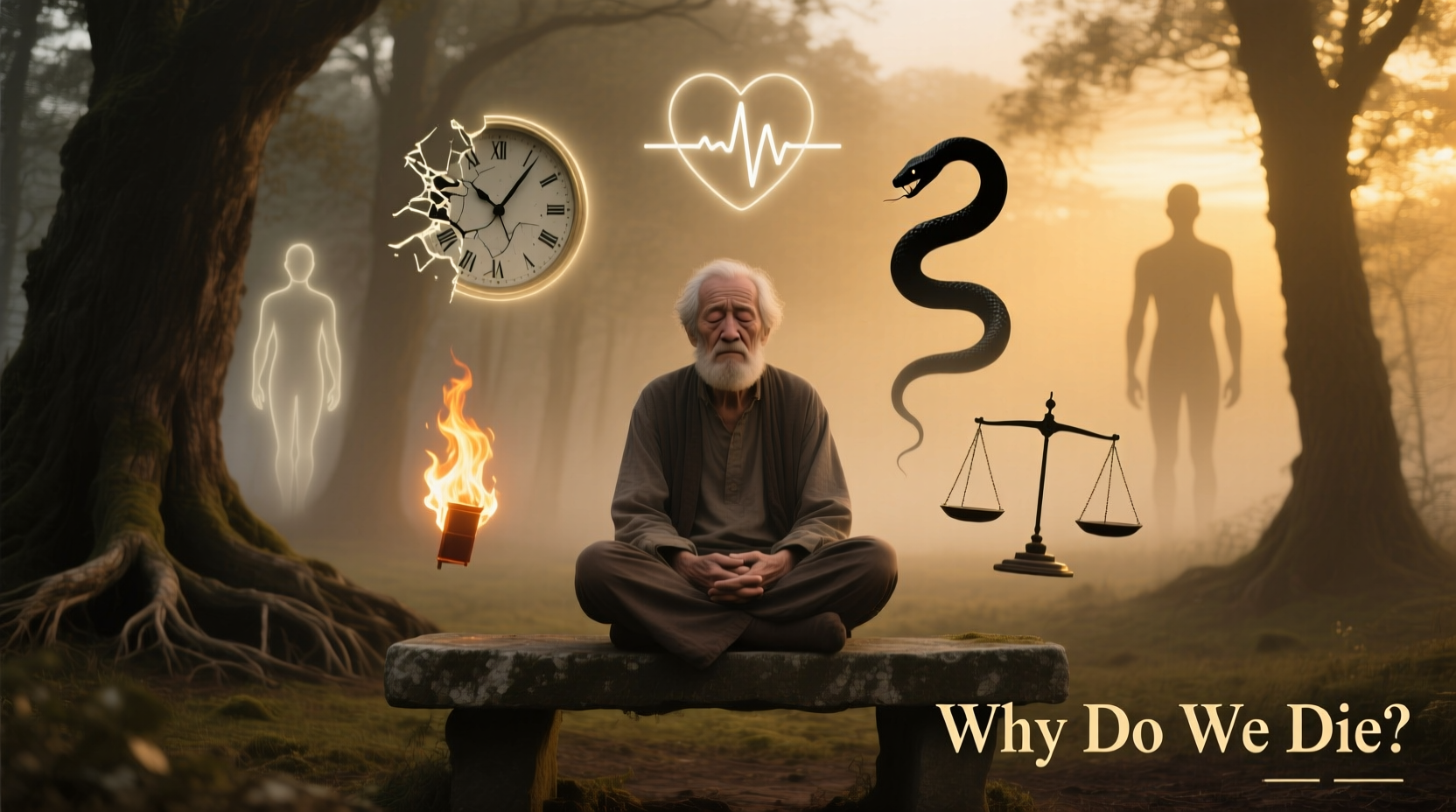
Modern medicine relies heavily on precise cause-of-death data to track disease trends and allocate resources efficiently. When a person dies, a death certificate typically lists the immediate cause (e.g., heart failure), underlying conditions (e.g., coronary artery disease), and contributing factors (e.g., diabetes or smoking). This layered documentation enables epidemiologists to analyze patterns across populations.
Autopsies, though less common today than in previous decades, still play a crucial role in confirming suspected diagnoses and uncovering unexpected conditions. In some cases, autopsies have revealed misdiagnoses in up to 25% of hospital deaths, according to studies published in the *New England Journal of Medicine*. These findings underscore the importance of postmortem analysis in refining clinical practices and improving diagnostic accuracy.
“Understanding why someone died isn’t just about closure—it’s about preventing the next death.” — Dr. Lena Patel, Epidemiologist at Johns Hopkins Bloomberg School of Public Health
Public Health Impact of Cause-of-Death Data
National and global health organizations like the World Health Organization (WHO) and the Centers for Disease Control and Prevention (CDC) use mortality statistics to prioritize funding and shape policy. For example, when data showed a sharp rise in opioid-related deaths in the U.S. during the 2010s, governments launched targeted harm-reduction programs, expanded access to naloxone, and increased addiction treatment funding.
Similarly, tracking maternal mortality rates has led to improved prenatal care standards in developing countries. In regions where hemorrhage or infection were leading causes of death during childbirth, simple interventions—such as training midwives in emergency response or ensuring sterile delivery kits—have significantly reduced fatalities.
Leading Global Causes of Death and Their Implications
The WHO regularly publishes global burden of disease reports that categorize mortality by cause. As of recent data, the top causes of death worldwide include:
| Cause of Death | Estimated Annual Deaths (Global) | Primary Risk Factors |
|---|---|---|
| Ischemic Heart Disease | ~9 million | High blood pressure, smoking, poor diet, physical inactivity |
| Stroke | ~6.6 million | Hypertension, obesity, atrial fibrillation |
| Chronic Obstructive Pulmonary Disease (COPD) | ~3.2 million | Tobacco smoke, air pollution, occupational dusts |
| Lower Respiratory Infections | ~2.6 million | Pneumonia, influenza, lack of vaccines |
| Neonatal Conditions | ~2 million | Preterm birth complications, birth asphyxia, infections |
| Trachea, Bronchus, Lung Cancers | ~1.8 million | Smoking, radon exposure, asbestos |
This data reveals a dual challenge: while non-communicable diseases dominate in high-income nations, infectious diseases and perinatal conditions remain major killers in low-resource settings. Bridging this gap requires tailored solutions—from tobacco control policies to strengthening primary care infrastructure.
Personal and Ethical Dimensions of Understanding Mortality
Beyond population-level impacts, knowing the causes of death affects individual decision-making. A diagnosis of hereditary cancer risk, for instance, may prompt preventive surgeries or earlier screenings. Awareness of cardiovascular risks might lead someone to adopt a plant-based diet or begin regular exercise.
However, this knowledge also raises ethical questions. Should genetic testing for fatal conditions be routine? How much information should families receive after an autopsy? And how do we balance transparency with privacy?
In one documented case, a 54-year-old man died suddenly at home. His family assumed it was a heart attack, but the autopsy revealed undiagnosed hypertrophic cardiomyopathy—a condition that could affect his children. Genetic testing subsequently identified the mutation in two of his offspring, enabling early monitoring and lifestyle adjustments to reduce their risk.
Mini Case Study: The Ripple Effect of One Diagnosis
A woman in rural Kenya lost her brother to tuberculosis. After his death, health workers traced contacts and tested the family. She tested positive for latent TB and began preventive therapy. Years later, she credited this intervention with saving her life. “I didn’t feel sick,” she said, “but the test showed I carried the bacteria. Because we knew how he died, I got help before I became ill.”
How to Contribute to Better Understanding of Causes of Death
Improving cause-of-death data starts with systemic changes, but individuals can also play a role. Whether through advocacy, participation in research, or open conversations about end-of-life care, every action adds to collective awareness.
📋 **Checklist: Actions You Can Take**- Support legislation that funds vital statistics systems and forensic pathology services.
- Encourage accurate death reporting in your community, especially in underserved areas.
- Participate in health surveys or biobanks that study long-term disease outcomes.
- Discuss advance directives and autopsy consent with family members.
- Advocate for equitable access to diagnostics and treatments globally.
Frequently Asked Questions
Why is it important to distinguish between immediate and underlying causes of death?
The immediate cause (like respiratory failure) describes the final event, but the underlying cause (such as lung cancer) identifies the root illness. This distinction helps target prevention strategies—treating symptoms alone won’t stop recurring patterns.
Can misreported causes of death affect public health policies?
Yes. If deaths from diabetes are underreported due to incomplete records, funding for diabetes education and insulin access may be insufficient. Accurate data ensures resources match real needs.
Are autopsies still relevant in the age of advanced imaging?
While MRI and CT scans provide detailed views, only autopsies can confirm certain diagnoses at the tissue level. They remain essential for validating clinical assumptions and advancing medical knowledge.
Conclusion: Turning Knowledge Into Action
Understanding why people die is not morbid—it’s necessary. It empowers scientists to develop cures, doctors to refine treatments, and individuals to make informed choices. Every recorded cause of death holds potential: to warn, to educate, to inspire change. From global pandemics to personal genetic risks, this knowledge forms the backbone of healthier societies.
We must continue investing in robust health surveillance, supporting medical research, and fostering open dialogue around mortality. Only then can we transform data into dignity, and loss into lasting prevention.




 浙公网安备
33010002000092号
浙公网安备
33010002000092号 浙B2-20120091-4
Comments
No comments yet. Why don't you start the discussion?