
There’s a quiet power in scent—one that doesn’t announce itself with fanfare but can stop you mid-step on a city sidewalk or pull you into a daydream while walking through a grocery store. A whiff of baking cinnamon rolls, the sharp tang of crayons, or the damp earthiness after summer rain—these aren’t just sensory inputs. For many, they are time machines. They transport us instantly to forgotten rooms, lost voices, and moments we thought were buried under years. Why do these olfactory fragments evoke such intense nostalgia, especially when linked to childhood? The answer lies at the intersection of biology, psychology, and personal history.
The Science Behind Smell and Memory
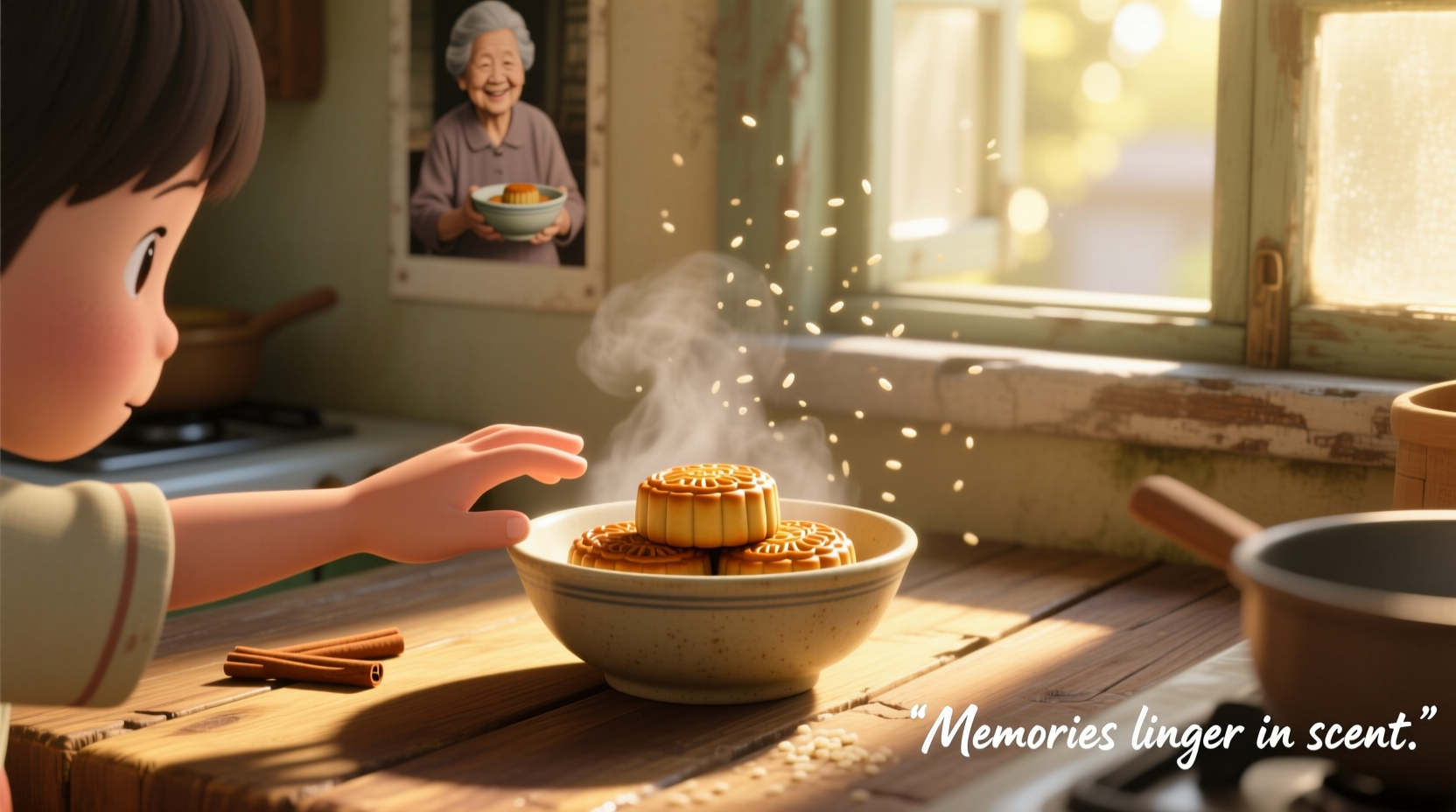
The human sense of smell is wired differently than any other sense. While sight, sound, and touch travel through the thalamus—the brain’s relay station—before reaching their processing centers, olfactory signals take a direct route to the limbic system. This ancient part of the brain governs emotion, motivation, and long-term memory. Specifically, smells activate the amygdala (involved in emotional processing) and the hippocampus (central to memory formation).
This neural shortcut explains why scent-triggered memories often feel more vivid and emotionally charged than those recalled by sight or sound. Unlike a photograph that reminds you of an event, a smell can make you *relive* it—the warmth of a grandmother’s kitchen, the nervous excitement of your first school day, the comfort of a bedtime ritual. These recollections emerge unbidden, rich with sensory detail and emotional texture.
“Olfaction is the only sense with immediate access to the emotional core of the brain. That’s why a single scent can unlock a decade-old memory with startling clarity.” — Dr. Rachel Herz, Cognitive Neuroscientist and Author of *The Scent of Desire*
Childhood: The Foundation of Scent Identity
Early life is saturated with novel sensory experiences. Because children are constantly encountering new environments—from classrooms to relatives’ homes—they form strong associations between smells and emotional contexts. A developing brain encodes these connections deeply, often without conscious awareness.
Moreover, childhood is typically marked by stability and repetition. The same soap, food, fabric softener, or outdoor environment may surround a child for years. These consistent olfactory cues become embedded in the subconscious as markers of safety, love, and routine. As adults, when we encounter similar scents, our brains don’t just recognize them—they respond with the emotional residue of that earlier time.
For example, the smell of chlorine might remind one person of joyful summer days at the local pool, while for another, it could evoke anxiety from swim lessons. The emotional valence depends on individual experience, but the mechanism remains the same: early exposure + emotional context = lasting olfactory imprint.
How Nostalgia Shapes Emotional Well-Being
Nostalgia is not mere sentimentality. Modern psychology recognizes it as a psychological resource—a mental tool that helps maintain continuity of self, reinforce social bonds, and buffer against stress. When we revisit comforting memories through scent, we’re not escaping reality; we’re re-establishing a connection to our personal narrative.
Studies have shown that nostalgic reflection increases feelings of social connectedness, boosts mood, and enhances meaning in life. Smell-induced nostalgia, due to its visceral quality, may be particularly effective. It bypasses cognitive filters and delivers emotional nourishment directly.
In times of loneliness or transition—moving to a new city, losing a loved one, facing uncertainty—familiar scents can act as anchors. Lighting a candle that smells like pine needles might not bring back childhood Christmases literally, but it can restore a sense of belonging, even momentarily.
The Role of Cultural and Familial Scents
Smells are also cultural artifacts. The aroma of cumin and turmeric may signal home for someone raised in an Indian household; freshly baked challah might evoke Friday nights for others. These shared olfactory traditions transmit identity across generations. They carry not just flavor, but values, rituals, and belonging.
When immigrants or displaced individuals encounter familiar food scents in a foreign land, the emotional impact can be profound. A 2020 study published in *Appetite* found that diaspora communities often use cooking traditional dishes not just for taste, but as a way to preserve emotional continuity and cope with acculturation stress.
| Scent | Common Association | Emotional Effect |
|---|---|---|
| Freshly cut grass | Summer play, backyard games | Joy, freedom |
| Baby powder | Infancy, care routines | Comfort, tenderness |
| Old books | School libraries, reading nooks | Safety, curiosity |
| Rain on pavement (petrichor) | Stormy afternoons, staying indoors | Calm, introspection |
| Vanilla extract | Baking with family | Warmth, togetherness |
A Mini Case Study: Maria’s Kitchen Memories
Maria, a 42-year-old graphic designer living in Chicago, hadn’t thought much about her Puerto Rican upbringing until she walked past a small bodega that was frying plantains. The golden-brown slices sizzling in oil released a sweet, caramelized aroma that stopped her in her tracks. Suddenly, she was eight years old, sitting at her abuela’s Formica table, watching her roll mofongo with practiced hands.
She didn’t just remember the scene—she felt the humidity of the kitchen, heard the radio playing salsa, and tasted the garlicky mash before she’d even eaten anything. That evening, she called her mother for the first time in weeks. “I don’t know why I never realized how much that smell meant,” she said. “But it’s like a piece of her—and my childhood—is still alive in my nose.”
Maria began experimenting with cooking her grandmother’s recipes. Each time she heated lard in a skillet or crushed culantro, she experienced a wave of calm and connection. What started as a fleeting moment of nostalgia evolved into a practice of emotional grounding.
Practical Ways to Harness Scent-Based Nostalgia
While we can’t control when a scent will trigger a memory, we can intentionally use smell to cultivate well-being. Here are actionable steps to make scent work for you:
- Create a personal scent journal. Note down which smells evoke strong memories and what those memories are. Over time, patterns will emerge.
- Recreate meaningful scents. Use candles, essential oils, or cooking to bring comforting aromas into your current environment.
- Preserve olfactory heirlooms. Save items like a parent’s scarf, an old book, or a box of holiday spices—not just for sight, but for their lingering scent.
- Use scent to mark new positive experiences. Introduce a specific fragrance during joyful events (a vacation, a celebration) to create future nostalgic anchors.
- Share scent memories with others. Ask family members about smells they associate with childhood. It can deepen conversations and reveal shared emotional histories.
Checklist: Building a Nostalgia-Enhancing Scent Routine
- ☐ Identify 3–5 scents strongly tied to positive childhood memories
- ☐ Source safe, high-quality versions (essential oils, candles, spices)
- ☐ Schedule weekly moments to engage with these scents mindfully
- ☐ Pair a chosen scent with a calming activity (reading, journaling, tea)
- ☐ Share one scent memory with a friend or family member this month
When Nostalgia Becomes Overwhelming
Not all scent-triggered memories are comforting. Some may stir grief, loss, or trauma. The smell of antiseptic might recall a hospital stay; smoke could trigger fear from a past fire. In these cases, the automatic nature of olfactory memory can feel intrusive.
If certain smells consistently cause distress, consider consulting a therapist trained in somatic or trauma-informed approaches. Techniques like grounding exercises or controlled exposure can help reintegrate these memories without being overwhelmed by them.
It’s also important to recognize that nostalgia isn’t about returning to the past—it’s about integrating it into the present. The goal isn’t to live in childhood, but to draw strength from its enduring emotional imprints.
FAQ: Common Questions About Smell and Nostalgia
Why do some people remember smells better than others?
Olfactory memory varies based on genetics, early environmental exposure, and emotional sensitivity. People who grew up in odor-rich households (e.g., homes where cooking, gardening, or crafting were common) often have stronger scent associations. Additionally, women, on average, tend to outperform men in odor identification and memory tasks, possibly due to hormonal and neurological factors.
Can you improve your ability to recall scents?
Yes. Olfactory training—regularly smelling and identifying a set of distinct scents (like rose, lemon, clove, eucalyptus)—has been shown to enhance both smell sensitivity and memory. Just five minutes a day can lead to measurable improvements within weeks.
Do artificial fragrances trigger nostalgia as effectively as natural ones?
Sometimes. While natural scents (like real vanilla or pine) often have more complex chemical profiles, artificial fragrances can still evoke powerful memories if they were present during formative experiences. For instance, a synthetic air freshener used in a childhood home may be just as potent a trigger as the smell of actual rain.
Conclusion: Embrace the Invisible Thread of Scent
The smells of childhood are invisible threads weaving through our lives, connecting who we were to who we’ve become. They require no effort to recall, yet deliver emotional depth unmatched by other senses. Understanding why these scents move us is not just a scientific curiosity—it’s a pathway to greater self-awareness and emotional resilience.
Take a moment today to breathe intentionally. Notice the air around you. Is there a hint of something familiar? Something old? Let it guide you, not to dwell in the past, but to appreciate how far you’ve come—and how much of your story still lives in the simplest inhalation.




 浙公网安备
33010002000092号
浙公网安备
33010002000092号 浙B2-20120091-4
Comments
No comments yet. Why don't you start the discussion?