
In the digital age of streaming, esports, and viral content, recording oneself while gaming has evolved from a niche hobby into a widespread practice. What once began as a way for developers to test gameplay or for players to share rare moments has now become an essential part of online culture. Whether it’s a solo speedrun, a multiplayer victory dance, or a reaction to an unexpected in-game twist, gamers are increasingly capturing their faces, voices, and emotions alongside their gameplay. But what drives this behavior? The reasons span personal development, social connection, creative expression, and even career advancement.
The Rise of Game Recording Culture
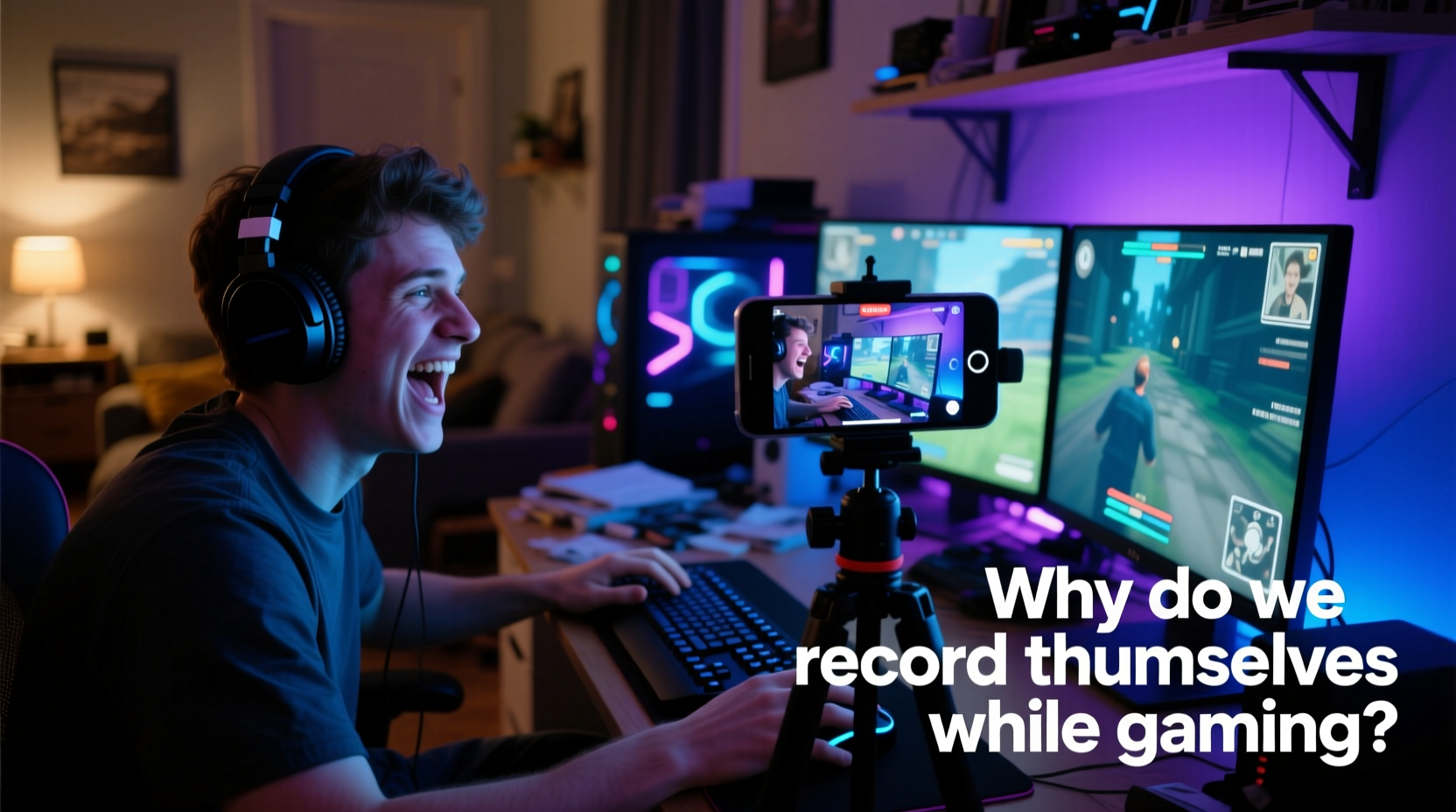
Gaming has transformed from a solitary pastime into a shared experience. With platforms like Twitch, YouTube, TikTok, and Facebook Gaming, millions of viewers tune in daily to watch others play. This shift didn’t happen overnight. The ability to easily capture high-quality video and audio from both gameplay and webcam feeds has made self-recording accessible to nearly anyone with a modern PC or console.
Early adopters were often tech-savvy enthusiasts using third-party software to overlay their reactions on gameplay footage. Today, built-in tools like NVIDIA ShadowPlay, Xbox Game Bar, and PlayStation’s Create button make recording seamless. As barriers to entry have dropped, more players—casual and competitive alike—have embraced the habit of recording themselves.
This cultural evolution reflects broader trends in digital identity. People no longer just consume media—they create it. In gaming, that means turning personal experiences into public narratives. Recording oneself is not merely about preserving a moment; it’s about storytelling, branding, and participation in a global conversation around games.
Content Creation and Monetization
One of the most prominent reasons people record themselves while gaming is to build an audience. Platforms like YouTube and Twitch reward consistent, engaging content, and personality-driven videos perform exceptionally well. A silent gameplay walkthrough rarely captures attention the way a passionate commentary or genuine emotional reaction does.
Successful streamers and YouTubers understand that their face and voice are integral to their brand. Viewers don’t just come for the game—they come for the person playing it. Authentic reactions, humor, insight, and relatability turn gameplay into entertainment. For many, this isn’t just a hobby—it’s a full-time career.
Monetization models support this trend. Ad revenue, sponsorships, fan donations, and merchandise sales allow skilled creators to earn a living. According to a 2023 report by StreamElements, over 7 million unique streamers broadcasted on major platforms that year, with top earners making millions annually. While only a fraction reach that level, the potential incentivizes countless others to start recording.
Building a Personal Brand Through Gameplay
Personal branding in gaming goes beyond flashy intros and logos. It’s about consistency, authenticity, and niche focus. Some creators specialize in horror game reactions, others in educational breakdowns of strategy titles, and some in comedic skits based on in-game glitches. By recording themselves, they differentiate their content in a crowded market.
Consider the case of Ludwig Ahgren, who gained fame through high-energy streams and interactive events like his “Subathon.” His facial expressions, voice tone, and real-time decision-making became central to his appeal. Similarly, Jacksepticeye built a massive following by pairing fast-paced gameplay with exaggerated reactions and catchphrases. Their success wasn’t just about skill—it was about being seen and heard.
“Your personality is your biggest asset in gaming content. The game is the stage, but you’re the star.” — Maya Chen, Digital Media Strategist and Former Twitch Partner
Self-Improvement and Performance Analysis
Beyond entertainment, many competitive gamers record themselves to improve. Esports athletes, speedrunners, and high-rank players use recordings to analyze not just their in-game decisions, but also their mental state, communication, and physical habits.
Watching a replay with one’s own voice and facial cues adds a layer of context that raw gameplay footage lacks. Did frustration lead to a critical mistake? Was there hesitation before executing a key move? These insights are crucial for growth.
Professional teams in games like League of Legends, Counter-Strike, and Valorant routinely review recorded sessions—both gameplay and player reactions—to refine strategies and teamwork. Coaches use these recordings to provide feedback on composure under pressure, decision timing, and verbal coordination.
Step-by-Step Guide to Using Self-Recordings for Improvement
- Capture the session: Use reliable software (e.g., OBS Studio) to record both screen and webcam.
- Label and organize files: Name recordings by date, game, and purpose (e.g., “CS2_Dust2_Practice_2024-05-10”)
- Watch without judgment first: Observe overall flow, emotional patterns, and communication style.
- Analyze specific moments: Pause at key junctures—deaths, wins, team calls—and assess what could be improved.
- Create an action plan: Note 1–3 takeaways per session (e.g., “Call enemy positions earlier,” “Stay calm after deaths”).
- Review progress monthly: Compare old and new recordings to track improvement.
Social Connection and Community Building
Gaming is inherently social, and recording oneself enhances that dimension. When players share their reactions, they invite others into their experience. Laughter after a lucky headshot, groans at a missed jump, or excited shouting during a boss fight—all of these humanize the player and foster connection.
Communities form around shared emotional responses. Viewers comment, react, and sometimes even participate in live streams, creating a feedback loop that strengthens engagement. For many, especially those who feel isolated offline, these interactions provide meaningful social bonds.
Moreover, recording allows players to preserve memories with friends. Multiplayer sessions filled with inside jokes, coordinated strategies, or chaotic failures become digital keepsakes. These recordings aren’t meant for public consumption—they’re personal archives of friendship and fun.
Preservation and Legacy
Games change. Servers shut down. Updates alter mechanics. Patches remove beloved features. For many players, recording themselves is a way to preserve a moment in time—a snapshot of how a game felt at its peak.
Speedrun communities, for example, rely heavily on verified recordings to document world records. These videos serve as proof, reference, and inspiration. Similarly, fans of discontinued MMOs or delisted titles often cherish recordings as the only remaining trace of their favorite virtual worlds.
On a personal level, these videos become digital diaries. A teenager recording their first win in Overwatch may look back years later and remember not just the game, but how they felt—the excitement, the friendships, the late-night grind. In this sense, self-recording becomes a form of autobiographical storytelling.
Comparison: Reasons for Recording vs. Benefits Gained
| Reason for Recording | Primary Benefit | Long-Term Impact |
|---|---|---|
| Content creation | Building an audience, earning income | Potential career in digital media |
| Performance analysis | Improved gameplay, better decision-making | Higher rank, competitive success |
| Social sharing | Stronger community ties, increased engagement | Lasting friendships, loyal viewer base |
| Emotional expression | Authenticity, viewer relatability | Brand loyalty, deeper connections |
| Memory preservation | Personal nostalgia, historical documentation | Legacy content, archival value |
Mini Case Study: From Bedroom Streams to National Recognition
Take the story of Alex Rivera, a college student who started recording himself playing indie puzzle games in 2020. Initially, he uploaded videos purely for fun, sharing them with a small Discord group. Over time, he refined his setup—adding better lighting, editing software, and structured commentary.
One video, where he emotionally reacted to the ending of a narrative-driven game, went viral on Reddit and YouTube. Within weeks, his subscriber count grew from a few hundred to over 50,000. Brands reached out for sponsorships. He was invited to speak at a gaming convention.
What set Alex apart wasn’t technical perfection—it was his authenticity. Viewers connected with his genuine reactions, thoughtful analysis, and visible passion. Today, he runs a successful Patreon and collaborates with indie developers. His journey illustrates how personal recording can open doors far beyond the screen.
Common Challenges and How to Overcome Them
Despite the benefits, self-recording comes with hurdles. Privacy concerns, technical issues, and performance anxiety are common. Some worry about being judged for their appearance or voice. Others struggle with audio sync or storage management.
To address these, many creators start small—recording privately before going public. Using noise suppression tools, practicing delivery, and investing in basic equipment can significantly improve quality without breaking the bank.
- Use a pop filter to reduce plosive sounds in voice recordings.
- Position your webcam at eye level to create a natural viewing angle.
- Enable “lossless audio capture” in OBS for cleaner sound.
- Back up recordings regularly to avoid data loss.
Frequently Asked Questions
Do I need expensive equipment to start recording myself while gaming?
No. Most modern laptops and desktops come with built-in webcams and microphones sufficient for starting out. Free software like OBS Studio allows high-quality recording and streaming. As your needs grow, you can gradually upgrade to better gear.
Is it safe to show my face while gaming online?
It depends on your comfort level and privacy settings. If concerned, consider using a pseudonym, avoiding real-time location mentions, and enabling two-factor authentication on all accounts. Some creators use avatars or animated overlays instead of live video.
How long should my gaming recordings be?
There’s no fixed rule. On YouTube, 8–15 minutes often works well for focused content, while live streams can last hours. Prioritize value over length—keep viewers engaged with pacing, editing, and clear structure.
Actionable Checklist: Getting Started with Self-Recording
- Choose recording software (e.g., OBS, Xbox Game Bar, Elgato HD60).
- Test your microphone and webcam setup.
- Decide whether to record facecam, voice-only, or both.
- Set up proper lighting to avoid shadows.
- Plan your content—will it be educational, entertaining, or analytical?
- Record a short test clip and review playback quality.
- Edit the video (trim, add music, captions if needed).
- Upload to your preferred platform with a compelling title and description.
- Engage with comments to build community.
- Review analytics to understand what resonates with viewers.
Conclusion: Your Camera Is More Than a Lens—It’s a Voice
Recording oneself while gaming is no longer just about showing off a win or sharing a funny glitch. It’s a multifaceted practice rooted in creativity, growth, connection, and legacy. Whether you’re aiming to entertain millions or simply reflect on your own progress, the act of pressing “record” transforms passive play into active expression.
The barrier to entry has never been lower, and the potential rewards—personal and professional—have never been higher. You don’t need a studio, a script, or a massive audience to begin. All you need is a game, a microphone, and the willingness to share your perspective.




 浙公网安备
33010002000092号
浙公网安备
33010002000092号 浙B2-20120091-4
Comments
No comments yet. Why don't you start the discussion?