
Sleep talking, or somniloquy, is one of the most common yet misunderstood sleep behaviors. It affects people of all ages and can range from faint murmurs to full conversations that seem startlingly coherent. While occasional sleep talking is typically harmless, frequent episodes may point to underlying sleep disruptions or even medical conditions. Understanding the causes, triggers, and potential risks helps individuals assess whether their nighttime utterances are just quirks—or signs of something more serious.
What Is Sleep Talking and How Common Is It?
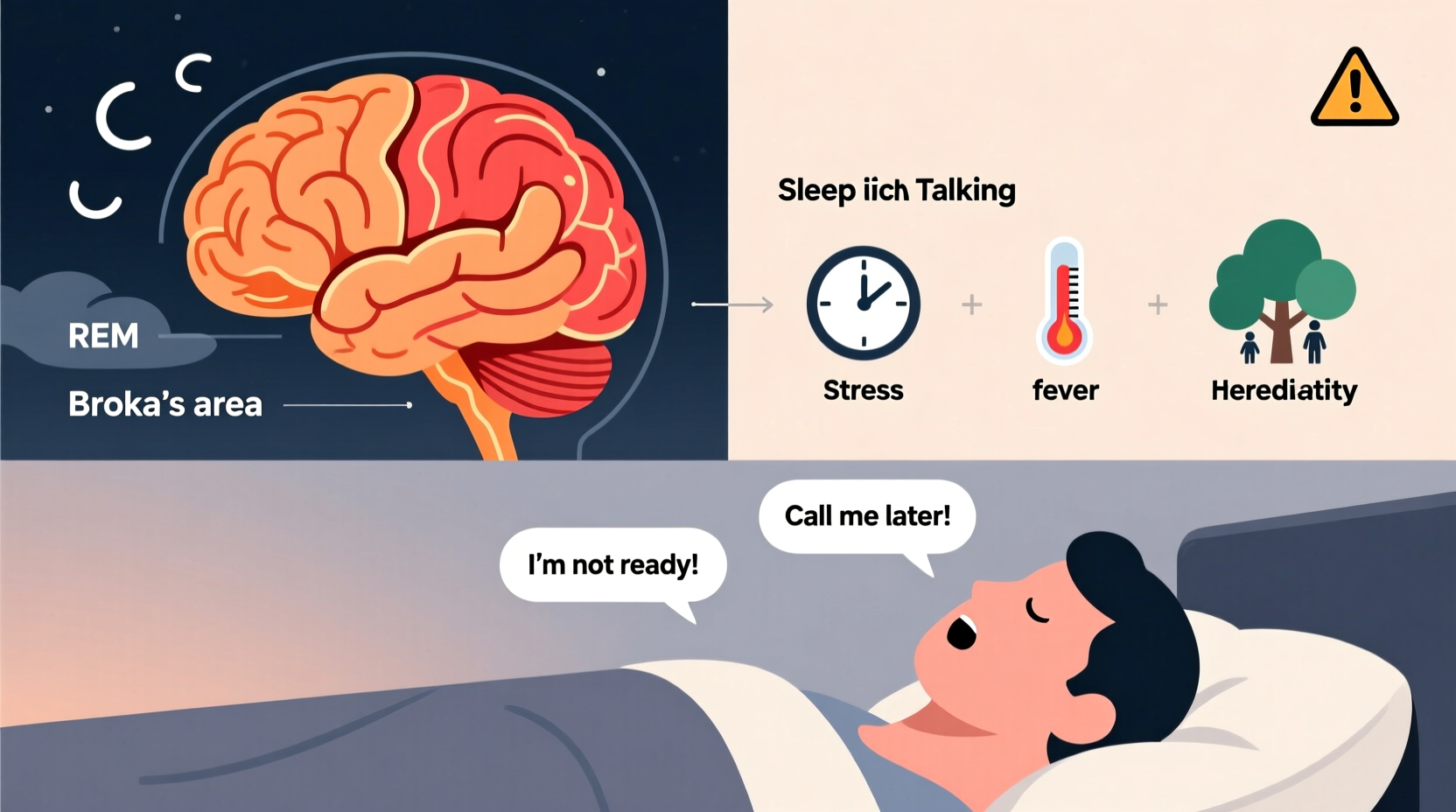
Somniloquy occurs during sleep when a person speaks without being aware of it. The speech can happen at any stage of the sleep cycle but is most common during lighter stages of non-REM (NREM) sleep and REM sleep, where dreaming is most vivid. Episodes vary in length and complexity: some involve single words or sounds, while others include full sentences or emotional outbursts.
According to the American Academy of Sleep Medicine, up to two-thirds of people will experience sleep talking at least once in their lives. It’s especially prevalent in children—nearly half of kids between the ages of 3 and 10 talk in their sleep occasionally. In adults, prevalence drops to about 5%, though many may not realize they do it unless a bed partner reports it.
Sleep talking is classified as a parasomnia—a category of sleep disorders involving abnormal movements, emotions, or behaviors during sleep. Unlike sleepwalking or night terrors, however, it rarely disrupts the speaker’s rest. But for those sharing a room, it can be unsettling or disruptive.
Common Triggers of Sleep Talking
Somniloquy doesn’t stem from a single cause. Instead, it’s often triggered by a combination of physiological, psychological, and environmental factors. Below are the most frequently observed contributors:
- Stress and anxiety: High emotional strain increases brain activity during sleep, making fragmented speech more likely.
- Sleep deprivation: Lack of adequate rest destabilizes normal sleep architecture, increasing parasomnia occurrences.
- Fever or illness: Especially in children, elevated body temperature can lead to temporary sleep talking.
- Genetics: A family history of parasomnias increases the likelihood of sleep talking.
- Alcohol and substance use: These alter neurotransmitter balance and suppress deep sleep, promoting disordered behaviors.
- Certain medications: Some antidepressants, sedatives, and stimulants affect sleep cycles and may induce vocalizations.
- Sleep disorders: Conditions like sleep apnea, REM sleep behavior disorder, and narcolepsy are linked to increased sleep talking.
How Sleep Stages Influence Speech
The nature of sleep talking often depends on which stage of sleep a person is in:
| Sleep Stage | Type of Speech | Typical Characteristics |
|---|---|---|
| NREM (Stages 1–3) | Mumbled words, short phrases | Less coherent; often emotionally neutral |
| REM Sleep | Full sentences, animated tone | Often tied to dreams; may sound logical but contextually odd |
Because REM sleep is associated with vivid dreaming, speech during this phase tends to reflect dream content—sometimes dramatic or aggressive—even if the speaker has no memory of it upon waking.
When Sleep Talking Might Be a Concern
For most people, sleep talking is an isolated, infrequent event with no long-term implications. However, there are situations where it could indicate a deeper issue—especially if it’s persistent, disruptive, or accompanied by other symptoms.
Red flags include:
- Talking every night or multiple times per week
- Episodes that disturb your own or a partner’s sleep regularly
- Vocalizing during intense physical movements (e.g., kicking, punching)
- Experiencing daytime fatigue, despite adequate sleep duration
- Snoring loudly or gasping for air during sleep
“Frequent sleep talking, especially when paired with movement or breathing issues, should prompt a sleep evaluation. It could be a sign of disrupted sleep architecture or an underlying disorder like sleep apnea.” — Dr. Lena Patel, Board-Certified Sleep Specialist
Associated Sleep Disorders
Sleep talking doesn’t usually occur in isolation. It may coexist with other parasomnias or sleep disturbances:
- Sleepwalking (somnambulism): Both are NREM-related parasomnias and often run in families.
- REM Sleep Behavior Disorder (RBD): Individuals act out dreams physically and vocally, sometimes aggressively.
- Obstructive Sleep Apnea (OSA): Breathing interruptions can trigger arousal-related vocalizations.
- Night terrors: Sudden episodes of screaming or panic, often with sleep talking before or after.
If sleep talking is frequent and disturbing, a sleep study (polysomnography) may be recommended to rule out these conditions.
Real-Life Example: When Sleep Talking Revealed a Hidden Condition
Mark, a 42-year-old software engineer, had been talking in his sleep for years. His wife dismissed it as a quirky habit until she began noticing he also snored heavily and occasionally stopped breathing mid-sleep. Over time, Mark felt increasingly fatigued during the day, struggled with concentration, and developed high blood pressure.
After a sleep clinic evaluation, he was diagnosed with moderate obstructive sleep apnea. His sleep talking was actually a secondary symptom caused by repeated micro-arousals—brief awakenings the brain uses to restart breathing. Once treated with a CPAP machine, both his snoring and sleep talking decreased significantly, and his energy levels improved within weeks.
This case illustrates how seemingly benign behaviors like sleep talking can mask serious health concerns when part of a broader pattern.
Practical Steps to Reduce Sleep Talking
While you can’t completely eliminate sleep talking—especially if it’s genetically influenced—you can reduce its frequency by improving overall sleep hygiene and addressing contributing factors.
Step-by-Step Guide to Minimizing Episodes
- Establish a consistent sleep schedule: Go to bed and wake up at the same time every day, including weekends, to regulate your circadian rhythm.
- Limit alcohol and caffeine: Avoid both at least 4–6 hours before bedtime, as they interfere with deep sleep stages.
- Create a calming pre-sleep routine: Engage in relaxing activities like reading, light stretching, or meditation to lower mental arousal.
- Reduce stress through cognitive techniques: Practice journaling, deep breathing, or progressive muscle relaxation to ease anxiety.
- Optimize your sleep environment: Keep the bedroom cool, dark, and quiet. Use white noise if external sounds are disruptive.
- Avoid heavy meals before bed: Digestion can increase bodily arousal and contribute to fragmented sleep.
- Monitor medication side effects: Consult your doctor if you suspect a prescription drug is affecting your sleep.
Do’s and Don’ts of Managing Sleep Talking
| Do | Don't |
|---|---|
| Keep a regular sleep schedule | Stay up late irregularly |
| Practice relaxation techniques | Engage in stressful discussions before bed |
| Seek medical advice if symptoms persist | Ignore loud snoring or breathing pauses |
| Use earplugs or white noise for partners | Wake the sleep talker abruptly—they may be disoriented |
Frequently Asked Questions
Can sleep talking reveal secrets or hidden thoughts?
No scientific evidence supports the idea that sleep talking reveals subconscious truths. Most utterances are fragmented, nonsensical, or drawn from recent memories or dreams. They lack the coherence required to convey meaningful personal information.
Is it dangerous to wake someone who’s sleep talking?
It’s generally safe, but not necessary. Waking someone may cause confusion or disorientation, especially if they’re in a deep sleep stage. Unless they’re in danger (e.g., sleepwalking near stairs), it’s better to let the episode pass naturally.
Can children outgrow sleep talking?
Yes, most children stop sleep talking by adolescence. As the brain matures and sleep patterns stabilize, parasomnias tend to diminish. Persistent cases beyond age 12 may warrant evaluation, especially if linked to daytime fatigue or behavioral issues.
Conclusion: Listen to Your Sleep Patterns
Sleep talking is more than just a curious nighttime habit—it’s a window into the complexity of your sleep health. While most cases are harmless and require no intervention, recurring or disruptive episodes deserve attention. By understanding the triggers and recognizing warning signs, you can take proactive steps to improve sleep quality and overall well-being.
If you or a loved one experiences frequent sleep talking alongside fatigue, snoring, or unusual movements, don’t dismiss it. A consultation with a sleep specialist could uncover treatable conditions that impact long-term health. Prioritizing rest isn’t just about quantity—it’s about ensuring your sleep is peaceful, uninterrupted, and truly restorative.




 浙公网安备
33010002000092号
浙公网安备
33010002000092号 浙B2-20120091-4
Comments
No comments yet. Why don't you start the discussion?