
Bringing a pet home after surgery can be both a relief and a challenge. While the procedure may have addressed a health concern, many pet owners notice sudden shifts in their animal’s demeanor—lethargy, aggression, clinginess, or withdrawal. These changes often prompt worry: Is this normal? Will it last? Understanding the physiological and psychological factors behind post-surgical behavior is essential for providing appropriate care and setting realistic expectations during recovery.
Surgery, even when routine, places significant stress on an animal’s body and mind. The combination of anesthesia, pain, confinement, and altered routines disrupts their sense of safety and stability. Most behavioral shifts are temporary and part of the healing process. However, in some cases, long-term or permanent changes may occur—especially if complications arise or underlying conditions were not fully resolved. This article explores the science behind post-surgical behavior in pets, identifies key influencing factors, and provides practical guidance for supporting your companion through recovery.
Physiological Causes of Post-Surgical Behavior Changes
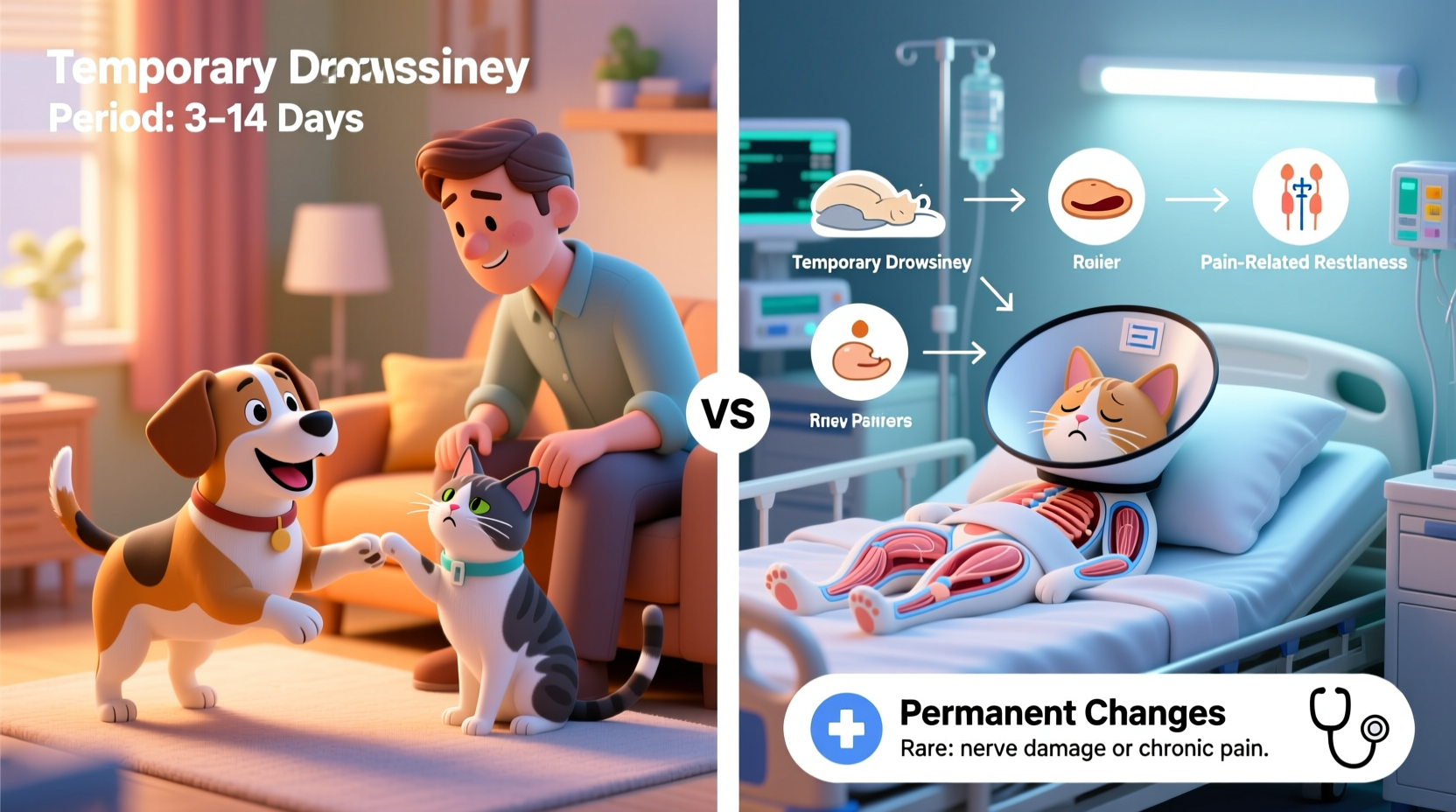
The immediate aftermath of surgery triggers a cascade of physical responses that directly impact mood and behavior. Anesthesia, while necessary, affects brain chemistry and can linger in the system for hours or even days. Pets may appear disoriented, uncoordinated, or unusually quiet as their bodies metabolize the drugs. This grogginess is typically short-lived but can contribute to anxiety or confusion, especially in older animals or those with pre-existing neurological conditions.
Pain is another major driver of behavioral change. Unlike humans, pets rarely vocalize discomfort openly. Instead, they may withdraw, avoid movement, growl when touched, or lose interest in food and play. Chronic or poorly managed pain can lead to lasting associations—such as fear of being handled or reluctance to jump—even after the wound has healed.
Inflammation and hormonal fluctuations also play a role. Procedures like spaying or neutering alter hormone levels, which can affect energy, mood, and social behaviors. For example, a once hyperactive dog may become calmer after neutering, while a cat might temporarily over-groom due to hormonal imbalance. These shifts are usually adaptive and beneficial in the long run, but they require time for the body to adjust.
Psychological and Environmental Influences
Beyond biology, a pet’s environment and emotional state significantly influence post-operative behavior. Hospitalization itself can be traumatic. The unfamiliar sights, sounds, and smells of a veterinary clinic trigger stress responses, elevating cortisol levels. When returned home, pets may exhibit hypervigilance, hiding, or clinginess as they reorient themselves.
Confinement during recovery—such as crate rest or restricted activity—can lead to frustration, boredom, or depression, particularly in active breeds. Dogs accustomed to daily walks may become restless or destructive. Cats may stop using the litter box if access is limited or if the box is too far from their resting area. These behaviors are not defiance but expressions of distress.
Changes in routine compound the issue. If family members take turns monitoring the pet, or if feeding schedules shift, the animal may feel insecure. Social isolation—keeping other pets or children away “for their safety”—can backfire by increasing loneliness and anxiety.
“Animals rely heavily on routine and predictability. Any deviation, especially after a physically disruptive event like surgery, can manifest as behavioral change.” — Dr. Lena Torres, Veterinary Behavioral Specialist
Temporary vs. Permanent Behavioral Shifts: What to Expect
Most post-surgical behavior changes are temporary and resolve within days to weeks. However, distinguishing between transient reactions and lasting alterations requires careful observation. The table below outlines common behaviors, their likely duration, and contributing factors.
| Behavior | Typical Duration | Likely Cause | Resolution Outlook |
|---|---|---|---|
| Lethargy | 1–5 days | Anesthesia, pain, medication side effects | Temporary |
| Loss of appetite | 24–72 hours | Nausea, discomfort, stress | Temporary |
| Increased clinginess | 3–10 days | Need for reassurance, disorientation | Temporary |
| Aggression when touched | Until wound heals (7–14 days) | Pain sensitivity, fear | Temporary (if pain managed) |
| Reduced activity level | Varies by surgery type | Recovery needs, age, joint issues | Sometimes permanent (e.g., post-amputation) |
| Elimination accidents | During confinement period | Restricted mobility, stress | Temporary |
| Personality softening (e.g., after spay/neuter) | Ongoing | Hormonal changes | Permanent but generally positive |
Permanent changes are rare but possible. For instance, a dog that undergoes limb amputation may permanently adapt its gait and activity preferences. A cat with chronic pain from unresolved dental disease might remain irritable even after surgery if nerve damage persists. In neurologic cases—such as spinal surgery—behavioral deficits like incontinence or anxiety may endure.
Supporting Your Pet’s Recovery: A Step-by-Step Guide
Proactive care minimizes negative behavioral outcomes and accelerates healing. Follow this timeline to ensure a smooth transition from surgery to full recovery.
- Immediately After Surgery (First 24 Hours): Keep your pet in a quiet, warm, and draft-free space. Limit interaction to essential monitoring. Offer small sips of water and withhold food until nausea passes (usually 6–12 hours post-op).
- Days 2–3: Begin gentle encouragement of movement if approved by your vet. Introduce bland food (e.g., boiled chicken and rice) if appetite is low. Check incision site twice daily for redness, swelling, or discharge.
- Days 4–7: Resume light interaction. Use puzzle feeders or stuffed Kongs to stimulate mental engagement without physical strain. Continue pain medication as prescribed—do not stop early, even if your pet seems better.
- Week 2: Gradually increase activity based on vet guidance. Begin short, leashed bathroom breaks for dogs. For cats, ensure litter boxes are easily accessible and low-sided.
- Week 3 and Beyond: Reintroduce normal routines slowly. Consider a follow-up behavioral check-in if lingering anxiety or avoidance behaviors persist.
When to Seek Professional Help
While most behavior changes resolve naturally, certain red flags warrant veterinary or behavioral intervention:
- Persistent refusal to eat beyond 48 hours
- Signs of severe pain (whining, inability to rest, guarding the surgical site)
- Aggression that escalates or occurs without provocation
- Extreme lethargy lasting more than five days
- New fears or phobias that persist after full physical recovery
A case in point: Bella, a 4-year-old Border Collie, became unusually aggressive after TPLO surgery for a torn ACL. Initially dismissed as pain-related, her snapping at family members continued three weeks post-op despite healed incisions. A veterinary behaviorist diagnosed post-traumatic stress from the hospitalization experience. With a tailored plan involving desensitization exercises and environmental enrichment, Bella gradually regained confidence over two months.
This illustrates that while pain is a primary factor, psychological trauma can leave lasting imprints. Early recognition allows for timely support.
Checklist: Post-Surgical Care for Behavioral Stability
Use this checklist to ensure your pet receives comprehensive support during recovery:
- ✅ Administer all medications as directed, including pain relievers and antibiotics
- ✅ Use an Elizabethan collar or recovery suit to prevent licking or chewing
- ✅ Provide a comfortable, confined recovery zone away from noise and foot traffic
- ✅ Monitor appetite, hydration, and elimination patterns daily
- ✅ Maintain gentle verbal contact to reassure your pet without overstimulating
- ✅ Schedule follow-up appointments and suture removal as advised
- ✅ Document behavior changes in a journal to share with your vet
- ✅ Avoid bathing or swimming until cleared by your veterinarian
Frequently Asked Questions
Why is my cat hiding after surgery?
Cats are instinctively inclined to hide when vulnerable. Surgery makes them feel exposed and weak. Provide a secluded, cozy space with easy access to food, water, and litter. Most cats re-emerge within 24–48 hours as they regain strength and comfort.
Can anesthesia cause long-term personality changes?
In healthy animals, anesthesia does not cause permanent personality shifts. However, older pets or those with cognitive dysfunction (similar to dementia) may take longer to return to baseline—sometimes appearing more confused or anxious for several days. This is usually temporary.
My dog used to sleep through the night but now paces and whines. Is this normal?
Disrupted sleep patterns are common post-surgery due to discomfort, medication side effects, or anxiety. Ensure pain management is adequate and maintain a consistent bedtime routine. If pacing continues beyond the healing period, consult your vet to rule out pain or urinary issues.
Conclusion: Patience, Observation, and Proactive Care
Behavioral changes after surgery are a normal part of the healing journey for most pets. Whether temporary or permanent, these shifts reflect the complex interplay between physical recovery and emotional well-being. By understanding the root causes—ranging from anesthesia aftereffects to environmental stress—you can respond with empathy and precision rather than alarm.
The key lies in vigilant observation, adherence to medical protocols, and creating a stable, comforting environment. Most pets return to their usual selves within a few weeks, often emerging healthier and more balanced—especially after procedures like spaying or orthopedic repair. But when challenges persist, don’t hesitate to seek expert help. Veterinary behaviorists and rehabilitation specialists offer valuable tools to support both physical and psychological recovery.




 浙公网安备
33010002000092号
浙公网安备
33010002000092号 浙B2-20120091-4
Comments
No comments yet. Why don't you start the discussion?