
Pets often curl into tight balls, sprawl across the floor like starfish, or tuck their heads under their paws—all while looking completely at peace. These seemingly odd sleeping positions aren’t random quirks; they’re deeply rooted in instinct, physiology, and emotional well-being. Understanding why your dog sleeps on its back with all four legs in the air or why your cat folds itself into a tiny loaf can provide valuable insight into its comfort levels, health, and sense of security. This article explores the science and behavior behind pet sleep postures, helping owners interpret what their animals are communicating through rest.
The Evolutionary Roots of Pet Sleep Positions
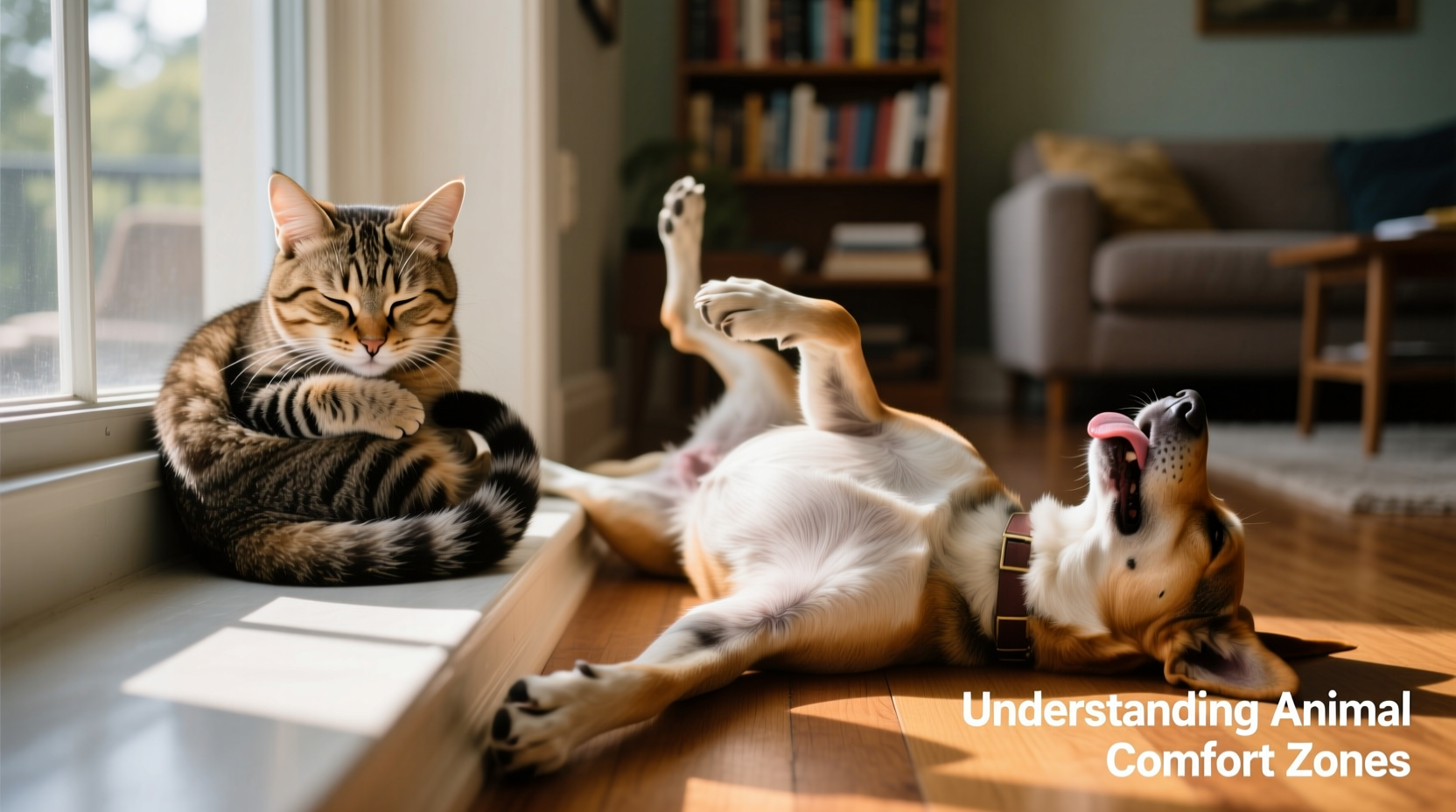
Domesticated dogs and cats may live in climate-controlled homes with plush beds, but their ancestors roamed environments where survival depended on vigilance and adaptability. Many sleeping positions seen today have roots in wild behaviors designed for thermoregulation, protection, and readiness to flee or fight.
Dogs, descended from wolves, often curl into tight balls when sleeping—especially outdoors or in cooler settings. This posture minimizes surface area exposed to cold air, conserving body heat. It also protects vital organs by tucking the nose near the belly and wrapping the tail around the face, a behavior still common in many breeds despite modern comforts.
Cats, as both predators and prey in the wild, developed sleep habits that balance relaxation with rapid response. The classic “cat loaf”—sitting upright with paws tucked beneath—allows them to spring into action within seconds. Even in safe homes, this instinct remains hardwired.
“Sleep posture is one of the most honest reflections of an animal’s internal state. It reveals trust, temperature needs, and even pain.” — Dr. Lena Patel, Veterinary Ethologist
Common Pet Sleep Positions and What They Mean
While individual preferences vary, certain postures recur across species and breeds. Each has functional and emotional significance.
Dog Sleep Postures
- The Curl-Up: A tight fetal-like position indicating warmth conservation and mild alertness. Common in puppies and older dogs.
- The Superdog (Starfish): Legs splayed outward, belly exposed. Signals deep relaxation and trust in the environment.
- The Lion Pose: Head up, front legs extended, rear tucked. Allows quick起身; typical in vigilant or anxious dogs.
- Belly Down with Chin Up: Often mistaken for sleep, this may be light dozing rather than deep rest.
Cat Sleep Postures
- The Loaf: Paws hidden, body compact. Maintains warmth and readiness. A sign of moderate relaxation.
- The Pancake: Fully stretched, belly down. Seen in warm environments or highly secure cats.
- The Donut: Circular shape with tail over nose. Maximizes heat retention and comfort.
- On the Back, Legs in Air: Exposes vulnerable abdomen—only done when the cat feels completely safe.
Environmental Influences on Sleep Behavior
A pet’s surroundings significantly affect how and where it chooses to sleep. Temperature, noise, lighting, and perceived safety all play roles in shaping sleep posture.
In colder climates, pets are more likely to curl tightly or seek enclosed spaces like crates or cardboard boxes. Cats, in particular, favor small, confined areas that mimic den-like conditions. Conversely, in warmer weather, you’ll see more sprawled-out positions that expose thin-furred areas (like bellies and inner legs) to cool surfaces.
Household dynamics matter too. A dog sleeping with its back to a wall may be subconsciously protecting its blind spot. Cats often choose high vantage points—tops of bookshelves or cabinets—where they can observe without being approached unexpectedly.
| Position | Species | Indicates | Environmental Trigger |
|---|---|---|---|
| Curled Tight | Dog, Cat | Need for warmth, mild anxiety | Cool room, unfamiliar setting |
| Back Sleeping (limbs out) | Dog, Cat | High trust, overheating | Warm home, safe space |
| Loaf Position | Cat | Alert relaxation | Neutral temperature, semi-exposed area |
| Pressed Against Owner | Dog, Cat | Emotional bonding, warmth-seeking | Cold floor, attachment figure nearby |
Health and Age-Related Changes in Sleep Habits
As pets age, their sleep patterns and physical abilities shift. Arthritis, joint pain, or muscle stiffness can make certain positions uncomfortable or inaccessible. An older dog that once slept curled up may now stretch out flat due to hip or spine discomfort. Similarly, senior cats may abandon high perches in favor of ground-level soft beds.
Monitor for signs of pain-related adaptations:
- Reluctance to lie on a previously favored side
- Stiff movements when rising from sleep
- Excessive panting or vocalizing during rest
- Sleeping in unusual spots (e.g., near heaters or bathrooms)
Younger pets, especially kittens and puppies, often sleep in exaggerated, gravity-defying poses because their bodies are more flexible and their nervous systems still developing. These positions are usually harmless unless accompanied by tremors, difficulty waking, or disorientation.
“Young animals test their physical limits even in sleep. Their floppiness isn’t just cute—it’s part of neuromuscular development.” — Dr. Aaron Kim, Small Animal Neurologist
How to Support Healthy, Comfortable Sleep
Providing an optimal sleep environment enhances your pet’s physical recovery, mental well-being, and overall quality of life. Consider these steps to support natural, restful sleep.
Step-by-Step Guide: Creating a Pet-Friendly Sleep Zone
- Assess Your Pet’s Natural Tendencies: Does your cat prefer elevated, hidden spots? Does your dog like being near family activity? Match the bed location to instinct.
- Choose the Right Bed Type: Orthopedic foam for seniors, enclosed nests for anxious pets, cooling mats for thick-coated breeds.
- Maintain Consistent Temperatures: Keep sleeping areas between 68°F and 75°F (20–24°C). Use heated pads in winter, fans in summer.
- Minimize Disruptions: Reduce nighttime noises and bright lights. Avoid disturbing deep sleep cycles unless necessary.
- Rotate Bedding Materials: Wash covers weekly to prevent allergens. Offer multiple textures (fleece, cotton, memory foam) to see what your pet prefers.
When Weird Sleep Poses Signal a Problem
Most unusual sleep positions are normal, but some warrant attention. Sudden shifts in posture, especially when combined with behavioral changes, can be early warning signs.
For example, a dog that starts sleeping sitting upright may be avoiding pressure on a painful abdomen or chest. A cat that suddenly avoids jumping onto beds might have undiagnosed joint issues. Labored breathing, twitching, or inability to find a comfortable position should prompt a veterinary consultation.
Neurological conditions such as seizures or vestibular disease can also alter sleep behavior. If your pet appears “stuck” in a position, struggles to lie down, or seems unaware of its limbs during rest, seek professional evaluation.
📋 **Checklist: Signs That Warrant a Vet Visit**- Refusal to lie down after prolonged standing
- New limping or favoring one side during sleep
- Sudden preference for hard floors (can indicate fever or abdominal pain)
- Restlessness, frequent position changes, or whining while resting
- Loss of coordination when transitioning to or from sleep
Mini Case Study: Max the Rescue Dog
Max, a three-year-old mixed breed, was adopted from a rural shelter. Initially, he slept standing up or in short bursts leaning against walls. His new owner, concerned about his lack of deep rest, consulted a veterinary behaviorist.
After assessment, it was determined that Max had never experienced a safe, quiet indoor environment. His posture reflected hypervigilance—a survival mechanism from living outdoors. Over six weeks, his owner introduced a covered crate with soft bedding, played calming music at night, and gradually increased positive reinforcement near bedtime.
Within two months, Max began sleeping on his side, then eventually on his back—positions he’d avoided before. His transformation highlighted how environment and emotional safety directly influence sleep posture. Today, Max is a “superdog” sleeper, limbs flung in every direction, fully at ease.
Frequently Asked Questions
Why does my cat sleep with its head tilted back or upside down?
This position, sometimes called the “cat sploot” or “upside-down loaf,” allows maximum muscle relaxation. It’s common in trusting, confident cats. As long as the neck doesn’t appear strained, it’s perfectly normal.
Is it bad if my dog sleeps on its back with legs in the air?
No—this is actually a sign of deep comfort. Dogs only expose their vulnerable underbelly when they feel completely safe. However, if this is a sudden change in an older dog, consider checking for joint pain or overheating.
Should I wake my pet if it’s sleeping in an awkward position?
No. Pets instinctively adjust when uncomfortable. Interrupting sleep can cause stress or disorientation. Only intervene if the pet appears trapped, injured, or in distress.
Conclusion: Listening to Your Pet Through Rest
Sleep is more than downtime—it’s a window into your pet’s physical health, emotional state, and evolutionary history. Those twisted limbs, upside-down naps, and gravity-defying curls are not just amusing quirks; they’re meaningful expressions of comfort, instinct, and trust. By learning to read these signals, you deepen your bond and become a more attentive caregiver.
Take time to observe your pet’s rest patterns without interference. Create a sleep environment tailored to its breed, age, and personality. And if something feels off, don’t hesitate to consult a veterinarian. Small changes in posture can speak volumes.




 浙公网安备
33010002000092号
浙公网安备
33010002000092号 浙B2-20120091-4
Comments
No comments yet. Why don't you start the discussion?