
Rabbits are curious, intelligent animals with an innate need to chew. If you’ve ever returned from the kitchen only to find your baseboard nibbled or your favorite shoe mysteriously frayed at the heel, you’re not alone. This behavior isn’t mischief—it’s biology. Understanding the root causes behind a rabbit’s chewing habits is the first step in managing them effectively. More importantly, learning how to redirect this instinct ensures your pet remains mentally stimulated and physically healthy while protecting your home.
Chewing is as essential to rabbits as breathing. Unlike humans, whose teeth stop growing after adolescence, rabbits have open-rooted teeth that grow continuously throughout their lives—about 2–3 inches per year. Without constant wear, their teeth can overgrow, leading to painful malocclusions, abscesses, and even starvation. Chewing hard materials like hay and wood naturally grinds down their teeth, maintaining proper dental health. But beyond dental necessity, gnawing fulfills psychological needs: exploration, stress relief, and environmental enrichment.
The Biological Drive Behind Rabbit Chewing
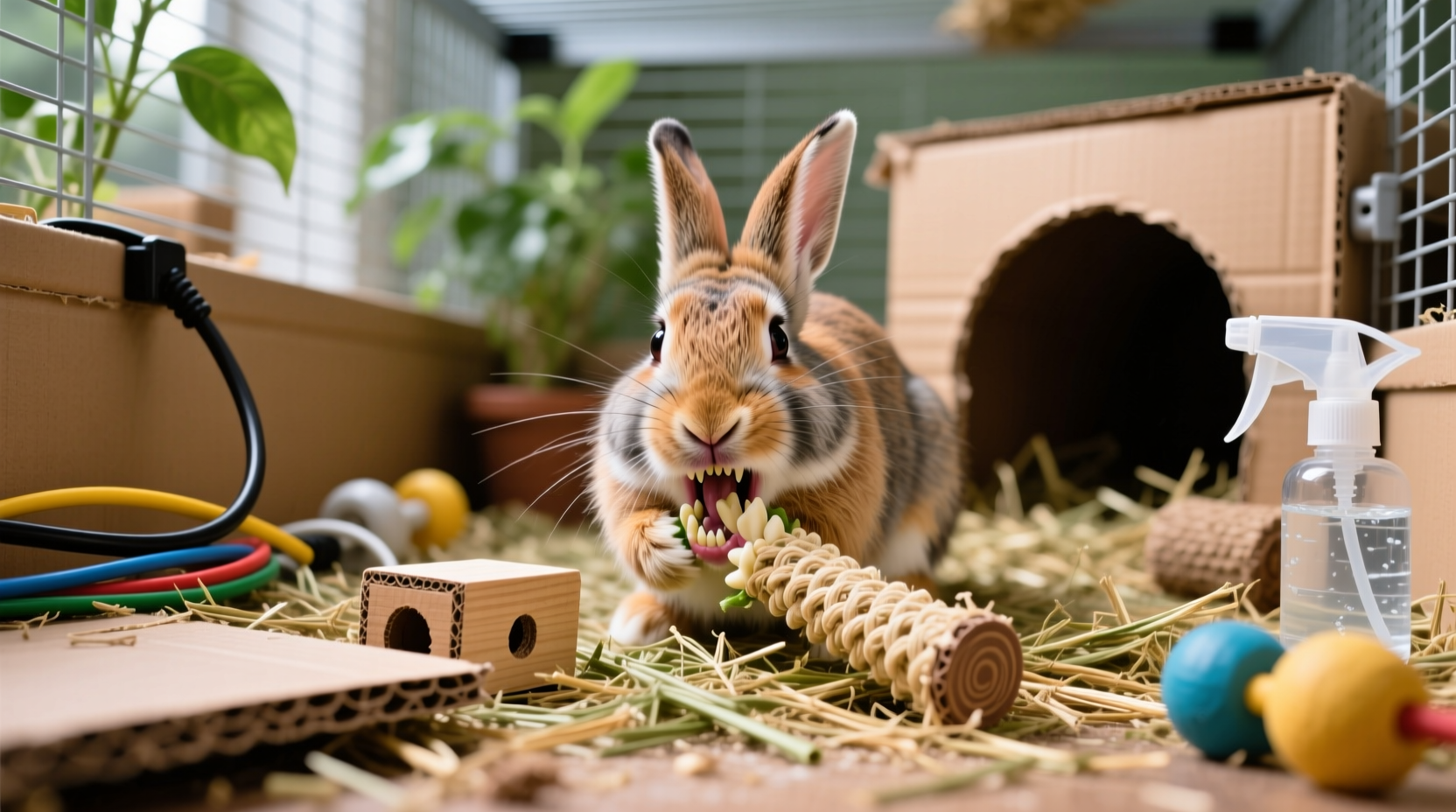
In the wild, rabbits spend much of their time foraging and gnawing on fibrous plant material. Their digestive systems require high-fiber diets to function properly, and chewing tough vegetation keeps their gastrointestinal tract moving. In domestic settings, this same drive persists—even when food is readily available.
Dental anatomy plays a critical role. A rabbit’s incisors (front teeth) grow at a rapid rate, and without sufficient abrasive material to wear them down, they can curve inward or outward, piercing the gums or palate. Molars, too, can develop sharp spurs that cut into the tongue or cheeks. These conditions cause severe pain and often require veterinary intervention, including tooth trimming or extraction.
“Dental disease is one of the most common—and preventable—health issues in pet rabbits. Continuous chewing on appropriate materials is non-negotiable for long-term wellness.” — Dr. Laura Hemming, Exotic Veterinarian & Author of *Rabbit Medicine Essentials*
Beyond physical health, chewing supports mental well-being. Rabbits are prey animals, meaning they’re naturally vigilant and easily stressed. Gnawing provides a calming, repetitive activity that reduces anxiety. When denied outlets for this instinct, rabbits may become destructive, aggressive, or withdrawn.
Common Targets and Why They Appeal to Rabbits
Not all chewed objects are equally appealing. Certain materials and locations attract rabbits more than others due to texture, scent, or accessibility.
- Wooden furniture and baseboards: The rough texture mimics natural bark, and the slight give satisfies the jaw motion required for grinding teeth.
- Electrical cords: Often coated in plastic that feels similar to plant stems; unfortunately, chewing these poses serious electrocution risks.
- Fabric and upholstery: Soft materials resemble nesting components. Socks, towels, and carpet edges are frequent victims.
- Cardboard boxes: Highly attractive because they combine chewability with hiding potential—a dual enrichment benefit.
- Houseplants: Some plants smell or taste like edible greens, tempting rabbits despite potential toxicity.
How to Redirect Chewing Behavior Humanely
Preventing destructive chewing isn’t about stopping the behavior altogether—it’s about guiding it toward safe, appropriate outlets. The goal is to create an environment where the rabbit chooses approved items over household objects.
Step-by-Step Guide to Redirecting Chewing
- Assess the environment: Identify what your rabbit is chewing and why. Is it boredom? Teething? Lack of hay?
- Remove or protect hazardous items: Use cord protectors, furniture guards, or baby gates to block access to off-limits zones.
- Provide abundant hay: Timothy, orchard grass, or oat hay should be available 24/7. It’s the cornerstone of both diet and dental care.
- Introduce chew toys: Rotate sturdy options like untreated pine blocks, seagrass mats, or cardboard tubes daily to maintain interest.
- Enrich the space: Add tunnels, dig boxes filled with shredded paper, and platforms to encourage exploration without chewing inappropriate items.
- Supervise free-roam time: Gradually increase access to new areas only after ensuring they’re fully bunny-proofed.
- Reinforce positive choices: Reward your rabbit with praise or a small treat when it chews an approved toy.
Consistency is key. Rabbits learn through repetition. If a wooden leg gets chewed once and isn’t blocked, they’ll return expecting the same result. Immediate redirection helps them associate acceptable items with positive outcomes.
Best Chew Toys and Alternatives: A Comparison
| Material | Benefits | Risks / Limitations | Recommended Frequency |
|---|---|---|---|
| Timothy Hay | Essential for digestion and teeth wear; always available | Can create mess; may mold if damp | Constant access |
| Untreated Pine or Applewood | Natural texture; safe if pesticide-free | Avoid cedar or treated wood—can be toxic | Daily rotation |
| Seagrass Mats or Baskets | Durable, fiber-rich, stimulating texture | May unravel over time; replace when frayed | Weekly check-ins |
| Cardboard (toilet paper rolls, boxes) | Free, accessible, highly engaging | Not long-lasting; remove ink-coated pieces | Daily replacement |
| Paper-based Toys (shredded paper logs) | Safe, digestible if ingested in small amounts | Less durable than wood | Rotate every few days |
Rotating toys weekly prevents habituation. A rabbit that loses interest in a cardboard tube may rediscover it after a week away, making rotation a cost-effective enrichment strategy.
Real-Life Example: Managing Chewing in a Multi-Room Home
Sarah adopted a young Rex rabbit named Thistle who immediately began chewing the corners of her living room rug and the legs of her coffee table. Despite using sprays and yelling “no,” the behavior continued. Concerned about safety and damage, she consulted a rabbit-savvy vet.
The vet advised her to stop punishment-based methods and instead focus on enrichment. Sarah implemented several changes:
- She placed a large cardboard box filled with hay and crumpled paper in the center of the room.
- She wrapped the table legs in soft silicone covers (originally designed for baby-proofing).
- She introduced a willow ball toy and rotated it with a seagrass mat every three days.
- She increased Timothy hay availability and added a second litter box with hay to encourage grazing.
Within two weeks, Thistle’s chewing shifted almost entirely to the provided items. The rug remained intact, and the furniture stayed protected. Sarah realized that her rabbit wasn’t being defiant—she simply needed better options.
Checklist: Bunny-Proofing Your Home
Use this checklist to ensure your rabbit has a safe, enriched environment that minimizes unwanted chewing:
- ✅ Cover electrical cords with spiral wrap or rigid tubing
- ✅ Install corner guards on wooden furniture and baseboards
- ✅ Store shoes, books, and fabrics out of reach or behind closed doors
- ✅ Provide unlimited access to fresh hay
- ✅ Offer at least three different chew toys at all times
- ✅ Rotate toys weekly to maintain novelty
- ✅ Remove toxic houseplants (e.g., philodendron, pothos, lilies)
- ✅ Supervise all unsupervised roaming time until behavior is consistent
- ✅ Use baby gates to restrict access to vulnerable rooms
- ✅ Check for signs of dental distress: drooling, weight loss, reduced appetite
Frequently Asked Questions
Why does my rabbit chew even when it has plenty of hay?
Hay addresses dietary and dental needs but doesn’t fulfill all behavioral drives. Just as humans might fidget or tap a pen, rabbits chew for mental stimulation. Providing varied textures—wood, cardboard, woven grass—meets exploratory instincts that hay alone can’t satisfy.
Is it okay if my rabbit chews on my furniture if I cover it?
If covered with safe, chewable material like a removable wooden panel or sisal wrap, it can be acceptable. However, never allow chewing on painted, varnished, or chemically treated wood. These coatings can be toxic if ingested.
My rabbit only chews at night—is this normal?
Yes. Rabbits are crepuscular, meaning they’re most active during dawn and dusk. Increased chewing at night aligns with their natural rhythm. Ensure nighttime chew options are available, especially if your rabbit roams freely after bedtime.
Final Thoughts: Coexisting with a Natural Instinct
Chewing isn’t a flaw in your rabbit’s personality—it’s a fundamental part of who they are. Attempting to eliminate the behavior leads to frustration for both pet and owner. Instead, embrace it as an opportunity to deepen your understanding of rabbit needs and improve their quality of life.
By providing the right tools, environment, and supervision, you transform what could be a destructive habit into a healthy, enriching routine. Every chewed cardboard tube, every worn-down applewood stick, is a sign your rabbit is thriving—physically and mentally.




 浙公网安备
33010002000092号
浙公网安备
33010002000092号 浙B2-20120091-4
Comments
No comments yet. Why don't you start the discussion?