
Rabbits are naturally curious, intelligent animals with a powerful instinct to chew. If you’ve ever owned a rabbit, you’re likely familiar with the sound of tiny teeth gnawing on baseboards, electrical cords, or even furniture legs. While this behavior can be frustrating—and potentially dangerous—it’s rarely malicious. Understanding the root causes behind excessive chewing is essential for any responsible rabbit owner. The two primary drivers are biological: continuous tooth growth requiring constant wear, and psychological: the need for mental stimulation and environmental enrichment. Addressing both aspects ensures your rabbit remains healthy, safe, and content.
The Biology Behind Rabbit Chewing: It’s All About the Teeth
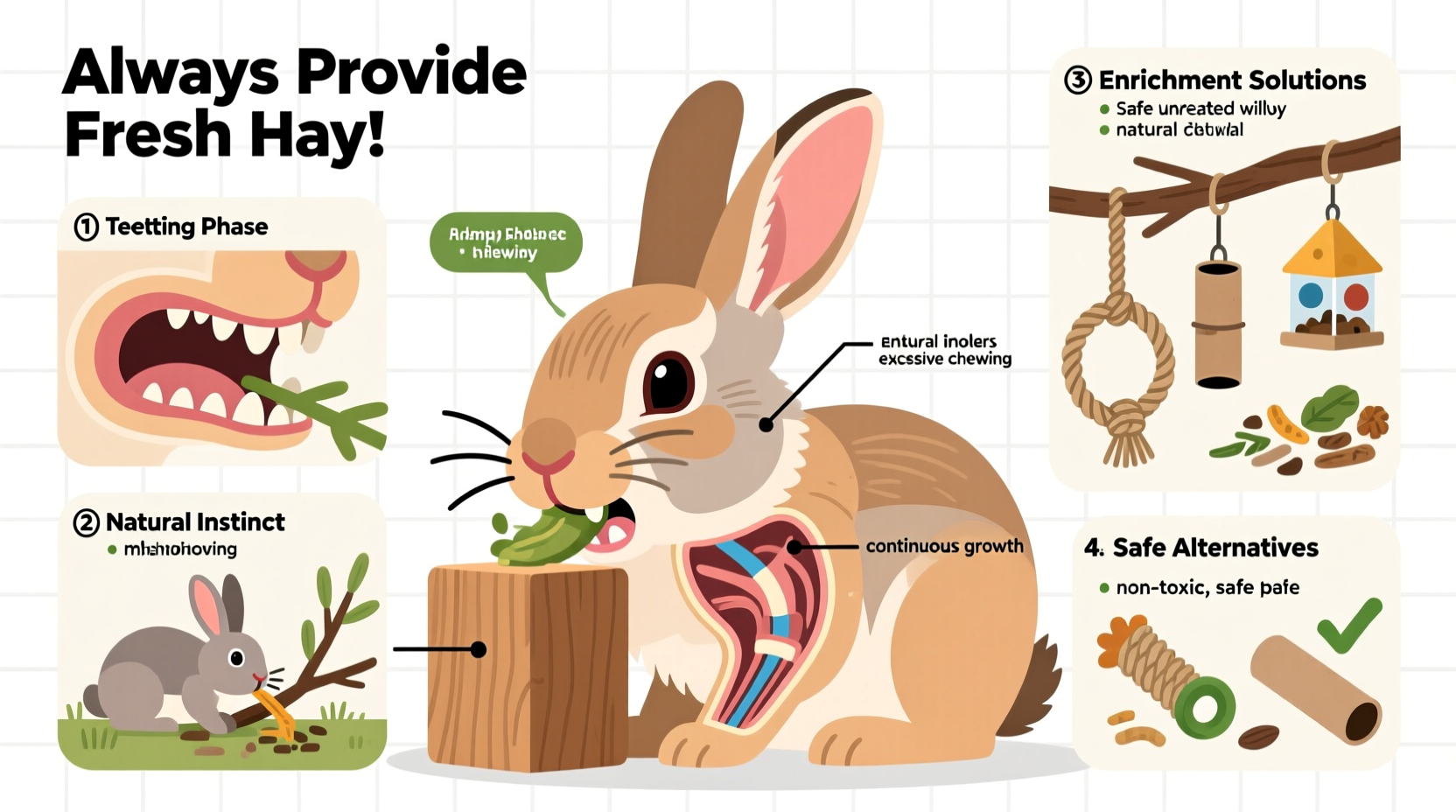
Rabbits are lagomorphs, a group distinct from rodents, but they share one critical trait: their teeth never stop growing. A rabbit’s incisors grow continuously at a rate of about 2–3 mm per week. Without proper wear, overgrown teeth can lead to painful malocclusions, difficulty eating, drooling, weight loss, and even life-threatening infections.
Chewing fibrous materials like hay is the most effective way for rabbits to wear down their teeth naturally. In the wild, rabbits spend up to 8 hours a day foraging and chewing on tough grasses and plants. Domestic rabbits, however, often lack sufficient access to high-fiber diets and appropriate chewables, which forces them to seek out alternatives—often your household items.
“Dental disease is one of the most common health issues in pet rabbits. Preventative care starts with diet and appropriate chewing opportunities.” — Dr. Rebecca Sanderson, Exotic Veterinarian, DVM
When a rabbit doesn’t have enough hay or safe chew toys, it will instinctively turn to wood, plastic, cardboard, or fabric to grind its teeth. This isn’t misbehavior; it’s survival. Ignoring this need leads not only to property damage but also serious medical conditions.
Enrichment Needs: Why Boredom Leads to Destruction
Beyond dental health, chewing is a key component of mental enrichment. Rabbits are highly intelligent and social creatures that require stimulation to prevent boredom and stress. A rabbit left alone in a small cage with nothing to do will quickly develop destructive habits—not out of spite, but because chewing provides sensory feedback, physical activity, and cognitive engagement.
Enrichment isn’t optional; it’s a welfare necessity. The Association of Exotic Mammal Veterinarians (AEMV) emphasizes that behavioral problems in rabbits are often rooted in inadequate environmental complexity. Without tunnels, hiding spots, puzzle feeders, and chewable objects, rabbits resort to inappropriate chewing as a coping mechanism.
Common Triggers for Destructive Chewing
- Limited access to hay or low-quality fiber sources
- Small enclosures without exploration opportunities
- Lack of daily supervised free-roam time
- No designated chew zones or acceptable alternatives
- Social isolation or lack of interaction
Safe and Effective Chewing Solutions
Managing your rabbit’s chewing behavior requires a dual approach: providing biologically appropriate outlets for tooth wear and creating an enriching environment that satisfies natural instincts. Below are proven strategies supported by veterinary experts and animal behaviorists.
1. Maximize Hay Access
Timothy hay should make up 80–90% of an adult rabbit’s diet. Not only does it support digestion, but the coarse texture naturally files down teeth. Offer hay in multiple locations throughout the day using hay racks, stuffed toys, or scattered piles to encourage movement and prolonged chewing.
2. Introduce Safe Chew Toys
Not all chew toys are created equal. Avoid anything treated with chemicals, painted, or made from unsafe woods like cherry or cedar. Instead, opt for natural, untreated options:
| Safe Materials | Unsafe Materials |
|---|---|
| Untreated pine, willow, or apple wood | Painted or varnished wood |
| Paperboard tubes (toilet paper rolls) | Plastic toys (unless specifically designed for rabbits) |
| Seagrass mats and baskets | Foam or Styrofoam |
| Cardboard (non-glossy, ink-free) | Materials with metal staples or glue |
| Compressed hay blocks | Scented bedding or treated lumber |
3. Create a Rabbit-Proofed Space
If your rabbit has free roam of part of your home, take proactive steps to protect both your belongings and your pet:
- Use cord protectors on electrical wires—chewed cords pose electrocution risks.
- Install barriers around baseboards or use bitter-tasting sprays (pet-safe, rabbit-specific).
- Block access to furniture legs with cardboard guards or PVC pipe covers.
- Designate a “chew zone” with multiple safe options to redirect behavior.
4. Provide Cognitive Challenges
Mental stimulation reduces compulsive chewing. Try these enrichment ideas:
- Hide treats in shredded paper or under upside-down boxes.
- Build tunnels from cardboard boxes or PVC pipes.
- Offer foraging mats where food must be nudged out.
- Introduce new scents (e.g., dried herbs) weekly to spark curiosity.
Mini Case Study: From Destructive Habits to Enriched Living
Sophie, a 1-year-old dwarf rabbit, was adopted from a shelter after her previous owner complained she “destroyed everything.” She chewed through a power cord, ruined a sofa leg, and constantly gnawed on her cage bars. A veterinary exam revealed mild incisor overgrowth but no severe malocclusion. Her new owner, working with a rabbit-savvy vet and behavior consultant, implemented a structured enrichment plan:
- Switched to unlimited timothy hay and removed pellet-only feeding.
- Provided three new chew toys weekly, rotating them every few days.
- Created a dedicated play area with cardboard castles, seagrass mats, and tunnels.
- Introduced daily 4-hour free-roam sessions with interactive games.
- Used bitter apple spray on off-limits areas while redirecting to acceptable chewables.
Within six weeks, Sophie’s chewing shifted almost entirely to approved items. Her incisor length normalized at her next checkup, and her confidence improved. The key wasn’t punishment—it was redirection and meeting unmet needs.
Step-by-Step Guide to Managing Rabbit Chewing
Follow this timeline to create a sustainable, healthy environment for your rabbit:
- Week 1: Assess & Remove Hazards
Inspect your rabbit’s space for dangerous items. Cover cords, block access to toxic materials, and remove unsafe chew targets. - Week 2: Optimize Diet
Ensure unlimited access to fresh hay. Reduce pellets if overweight. Add leafy greens gradually. - Week 3: Introduce Enrichment
Add 2–3 safe chew toys and one foraging activity. Observe preferences (wood vs. cardboard). - Week 4: Expand Exploration
Begin supervised free-roam time in a rabbit-proofed room. Use positive reinforcement when chewing appropriate items. - Ongoing: Monitor & Rotate
Check teeth monthly for symmetry and overgrowth. Replace worn toys. Introduce new challenges weekly.
Checklist: Rabbit Chewing Management Plan
Use this checklist to ensure you're covering all bases:
- ✅ Unlimited access to fresh, high-quality hay (timothy, orchard, oat)
- ✅ At least 3 safe, rotating chew toys made from natural materials
- ✅ Daily supervised free-roam time (minimum 3–4 hours)
- ✅ Electrical cords covered with protective tubing
- ✅ No access to toxic woods, plastics, or chemically treated surfaces
- ✅ Weekly introduction of new enrichment (tunnels, puzzles, scents)
- ✅ Biannual veterinary checkups including dental exam
- ✅ Designated chew zone with multiple acceptable options
Frequently Asked Questions
Is my rabbit teething?
Rabbits don’t “teethe” like human babies. Instead, their teeth grow continuously throughout life. Young rabbits (under 1 year) may chew more aggressively as their adult teeth settle, but chewing remains a lifelong necessity for dental health.
Can I stop my rabbit from chewing altogether?
No—and you shouldn’t. Chewing is essential for dental and psychological well-being. The goal is not elimination, but redirection toward safe and appropriate items.
Are wooden chew sticks really necessary?
Yes. While hay helps wear molars, incisors benefit most from harder, fibrous materials like untreated wood. These provide the resistance needed for proper tooth alignment and grinding.
Conclusion: Turning Chewing into a Positive Habit
Rabbit chewing isn’t a flaw to correct—it’s a natural behavior to understand and support. When we address the underlying causes—continuous tooth growth and the need for mental engagement—we transform what seems like destruction into an opportunity for connection and care. By offering the right diet, environment, and enrichment, you give your rabbit the tools to thrive physically and emotionally.
Every piece of hay nibbled, every cardboard tunnel explored, is a sign of a healthy, stimulated rabbit. Instead of asking how to stop the chewing, ask how you can guide it wisely. That shift in perspective doesn’t just protect your home—it deepens your bond with one of nature’s most fascinating companions.




 浙公网安备
33010002000092号
浙公网安备
33010002000092号 浙B2-20120091-4
Comments
No comments yet. Why don't you start the discussion?