
Opening a restaurant is a dream for many passionate chefs and entrepreneurs. Yet, despite the excitement and dedication, nearly 60% of new restaurants close within their first three years. Behind every shuttered dining room are common patterns—poor planning, financial missteps, operational inefficiencies—that can be avoided with foresight and strategy. Understanding why restaurants fail isn’t just about identifying pitfalls; it’s about building a sustainable business from day one.
Lack of Proper Planning and Market Research
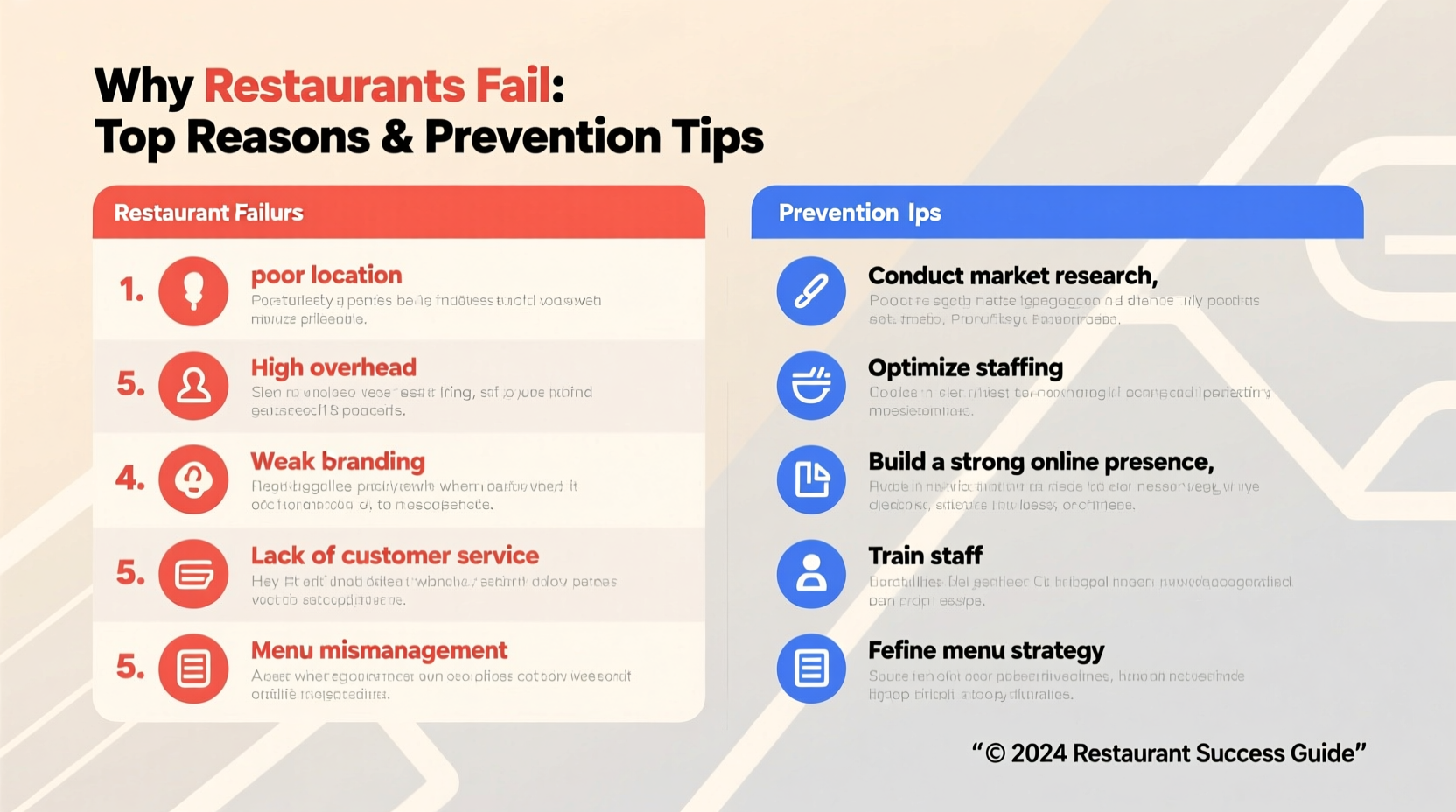
One of the most frequent causes of restaurant failure is launching without thorough market research or a solid business plan. Many owners operate on passion alone, assuming that great food will naturally attract customers. However, even the finest cuisine won’t survive in an oversaturated market or a location where demand doesn’t align with the concept.
Before opening, operators must analyze local demographics, competition, foot traffic, and neighborhood trends. A restaurant serving upscale fusion dishes may thrive in a metropolitan downtown but struggle in a suburban area dominated by family diners.
Poor Financial Management
Running out of cash is the second leading cause of restaurant closures—right after poor concept-market fit. Even profitable-looking restaurants can collapse due to inadequate cash flow management, unchecked overhead, or underestimating startup costs.
Many restaurateurs underestimate initial expenses such as equipment leasing, permits, marketing, and staffing. They also overlook ongoing costs like maintenance, inventory shrinkage, and credit card processing fees. Without a detailed budget and emergency fund, small setbacks become fatal.
| Expense Category | Common Oversight | Prevention Strategy |
|---|---|---|
| Startup Costs | Forgetting soft costs (legal, branding) | Create a 30% buffer above estimated costs |
| Operating Costs | Underestimating labor and utilities | Use industry benchmarks (e.g., labor = 30–35% of sales) |
| Cash Flow | No reserve for slow seasons | Maintain 3–6 months of operating expenses in reserve |
“Most restaurant owners don’t fail because they run out of ideas—they fail because they run out of money.” — James Chen, Restaurant Finance Consultant
Ineffective Location and Foot Traffic Mismatch
A beautiful interior and excellent menu mean little if customers can’t find you—or have no reason to stop by. Location impacts visibility, accessibility, parking, and target audience alignment. A trendy brunch spot near office buildings may thrive on weekdays but die on weekends if nearby residents don’t visit.
Lease terms also play a critical role. Long-term leases with high base rents lock owners into unsustainable obligations, especially during low-revenue periods. Always negotiate flexible terms and ensure the space matches projected volume.
Key Location Evaluation Checklist
- Is the area aligned with your target demographic?
- What is the daily foot or vehicle traffic count?
- Are there complementary businesses nearby (e.g., theaters, gyms)?
- Is parking convenient and sufficient?
- What are the lease terms and renewal options?
Weak Operations and Staffing Issues
Even with strong finances and a great location, poor operations can sink a restaurant. Inconsistent service, high staff turnover, inefficient kitchen workflows, and lack of standard operating procedures erode customer experience and profitability.
Front-of-house teams need proper training in hospitality and conflict resolution. Back-of-house requires clear ticket management, portion control, and safety protocols. Without systems in place, chaos spreads quickly during peak hours.
High turnover is another silent killer. Constant hiring and training drain time and resources. Competitive wages, clear career paths, and positive culture reduce churn and improve consistency.
Overexpansion and Lack of Focus
Some restaurants start strong but fail when owners rush into expansion. Opening a second location before stabilizing the first often strains capital, dilutes brand quality, and overwhelms management capacity.
Others fall into the trap of menu bloat—offering too many items, which increases inventory complexity, training burden, and food waste. A focused menu allows for better ingredient sourcing, faster service, and consistent execution.
Growth should be strategic, not emotional. Scale only when systems are documented, profits are stable, and leadership is ready to delegate.
Step-by-Step Guide to Sustainable Growth
- Stabilize operations at the original location for at least 12 months.
- Document all processes—from ordering to plating—in a staff manual.
- Hire and train a reliable manager capable of running independently.
- Analyze financials: Ensure consistent profit margins and healthy cash flow.
- Test expansion via pop-ups or catering to validate demand in new areas.
- Secure funding specifically for expansion, not drawn from operating capital.
Mini Case Study: The Rise and Fall of “Saffron Bistro”
Saffron Bistro opened in a gentrifying neighborhood with a modern Indian concept, rave reviews from food bloggers, and packed houses during its first six months. The owner, Priya, reinvested early profits into expanding the dining room and launching a weekend brunch service.
But within a year, sales declined. The expanded space increased rent and utility costs, while brunch required additional staff and perishable inventory. Food waste rose by 40%. Customer complaints about inconsistent service grew. By month 18, Priya could no longer cover payroll.
The root issues? No cash reserve, overextension without testing demand, and no systemized training. With better pacing and tighter controls, Saffron Bistro could have sustained growth. Instead, it became another statistic.
FAQ
How soon do most restaurants fail?
About 17% close within the first year, and up to 60% fail within three years. The highest risk period is months 7–18, when initial hype fades and operational flaws surface.
Can a restaurant survive with low foot traffic?
Yes, but only with a strong off-premise strategy—such as takeout, delivery, or meal kits—and exceptional marketing to drive intentional visits. Niche concepts with loyal followings can succeed in low-traffic areas if they build community engagement.
Is it possible to open a restaurant with little experience?
It’s possible, but highly risky. Success typically requires either deep industry knowledge or experienced partners in operations, finance, and culinary leadership. First-time owners should consider working in similar establishments or hiring consultants before launching.
Prevention Tips Summary
Avoiding failure isn’t about luck—it’s about preparation. Here’s a concise checklist to protect your investment:
- ✅ Write a comprehensive business plan with realistic financial projections.
- ✅ Secure enough capital to cover 6–12 months of operating expenses.
- ✅ Choose a location based on data, not intuition.
- ✅ Build a scalable menu with controlled costs and minimal waste.
- ✅ Train staff thoroughly and foster a respectful workplace culture.
- ✅ Monitor key metrics weekly: food cost, labor cost, customer retention.
- ✅ Avoid rapid expansion until systems and profits are stable.
Conclusion
Restaurants fail for predictable reasons—most of which are preventable. Passion fuels the vision, but discipline, planning, and adaptability determine survival. By addressing financial health, operational efficiency, market fit, and growth timing, aspiring owners can shift the odds in their favor.




 浙公网安备
33010002000092号
浙公网安备
33010002000092号 浙B2-20120091-4
Comments
No comments yet. Why don't you start the discussion?