
Sleep is one of life’s essential rituals, and the quality of your bedding plays a quiet but powerful role in how restful that sleep truly is. Over time, even high-quality sheets can develop unsightly fuzz balls—tiny clusters of broken fibers known as \"pills.\" While pilling doesn’t mean your sheets are ruined, it signals wear and can make fabric feel rough and look worn. The good news? You don’t need synthetic detergents or costly replacements to fight back. Understanding the root causes of pilling and adopting natural prevention methods can extend the life and comfort of your linens for years.
What Causes Sheets to Pill?
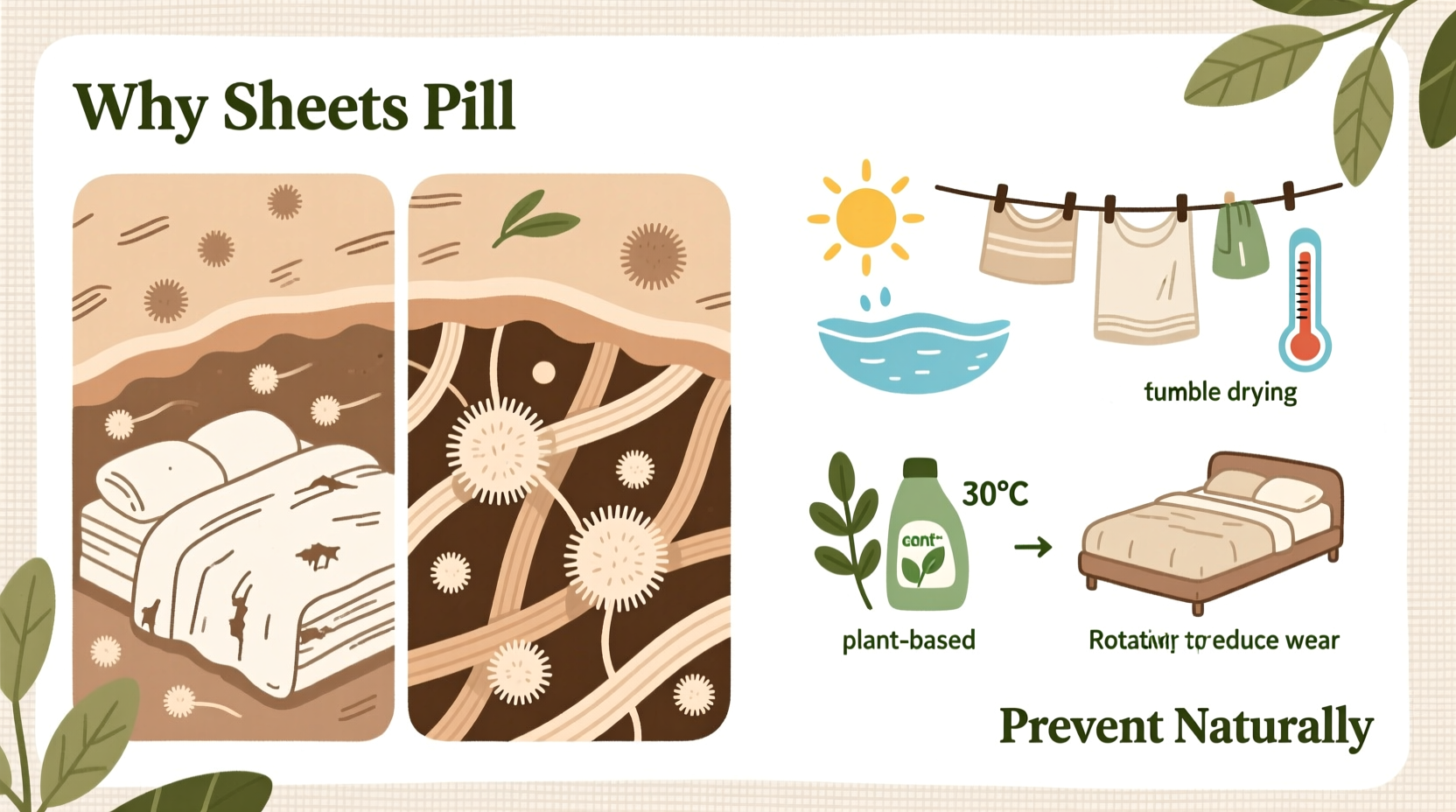
Pilling occurs when short or weak fibers on the surface of fabric break and tangle together into small knots. This process is accelerated by friction, abrasion, and improper care. While it might seem like a flaw in manufacturing, pilling is actually a common result of everyday use and laundering practices.
The main contributors include:
- Fiber type: Short-staple cotton (like standard varieties) has shorter fibers that are more prone to breaking and tangling. Long-staple cottons such as Egyptian or Pima resist pilling due to their stronger, smoother threads.
- Weave density: Loosely woven fabrics allow more fiber movement, increasing the chance of pilling. Tightly woven percale or sateen weaves tend to be more durable.
- Frequent friction: Movement during sleep, especially with rough skin or pet claws, creates constant rubbing that breaks down surface fibers.
- Washing habits: Overloading machines, using hot water, aggressive cycles, and harsh detergents all contribute to fiber degradation.
- Drying methods: High heat and tumbling action in dryers weaken fibers and encourage pilling over time.
“Pilling is not always a sign of poor quality—it's often a symptom of how the fabric is used and cared for.” — Dr. Lena Torres, Textile Scientist at the Sustainable Fabric Institute
Natural Ways to Prevent Sheet Pilling
You don’t need chemical-laden fabric treatments to keep your sheets smooth and soft. Natural prevention focuses on gentle handling, eco-friendly products, and smart routines that preserve fiber integrity.
Choose Naturally Resilient Fabrics
Start with the right foundation. Opt for sheets made from long-staple organic cotton, linen, or TENCEL™—all of which have strong, smooth fibers less likely to pill.
| Fabric Type | Pilling Resistance | Natural Benefits |
|---|---|---|
| Long-Staple Cotton (Egyptian, Pima) | High | Breathable, soft, durable |
| Linen | Very High | Gains strength with washes, moisture-wicking |
| TENCEL™ (Lyocell) | High | Made from sustainably sourced wood pulp, silky texture |
| Standard Polyester Blend | Low-Moderate | Prone to static and microfiber shedding |
Avoid blends with synthetic fibers like polyester unless they’re minimal (<10%). These materials trap heat and degrade faster under friction, often worsening pilling.
Wash with Care Using Natural Detergents
Conventional laundry detergents often contain enzymes, bleaches, and surfactants designed to aggressively break down stains—but they also weaken natural fibers over time. Instead, use plant-based, fragrance-free detergents made from biodegradable ingredients like soap nuts (also known as *reetha*), liquid castile soap, or certified eco-formulas.
Follow these washing guidelines:
- Use cold or lukewarm water (below 30°C / 86°F).
- Wash on a gentle cycle with reduced spin speed.
- Avoid overloading the machine—sheets should move freely.
- Turn sheets inside out before washing to protect the outer surface.
Step-by-Step Guide to a Natural Linen Care Routine
Adopting a consistent, gentle care system is key to preventing pilling. Follow this weekly routine to maintain your sheets’ softness and longevity.
- Remove sheets every 7–10 days. Even if they appear clean, body oils, sweat, and dead skin accumulate and attract friction damage.
- Inspect for snags or loose threads. Trim any small pills gently with fabric scissors—don’t pull, as this can unravel stitching.
- Pre-soak stained areas (if needed). Use a paste of baking soda and water or diluted lemon juice. Avoid chlorine bleach.
- Wash in cold water with natural detergent. Add ¼ cup of baking soda to boost cleaning power and neutralize odors.
- Rinse with vinegar solution. Pour ½ cup of apple cider or distilled white vinegar into the fabric softener dispenser to condition fibers.
- Air-dry whenever possible. Lay flat or hang on a retractable line away from direct sunlight to prevent UV weakening.
- If using a dryer, choose low heat and remove promptly. Over-drying leads to brittleness and increased pilling.
- Store in a breathable cotton bag or drawer. Cedar blocks can deter moths without synthetic mothballs.
Common Mistakes That Accelerate Pilling
Even well-intentioned habits can harm your sheets. Avoid these frequent errors:
- Using fabric softeners: Most commercial softeners coat fibers with waxy residues that clog pores and increase friction. They also degrade elastic components in blended fabrics.
- Washing with towels or jeans: Mixing sheet loads with heavy or abrasive items increases mechanical stress. Always wash bedding separately.
- Drying on high heat: Excessive heat breaks down cellulose in cotton and weakens thread bonds. It also shrinks fabric unevenly, creating tension points where pilling begins.
- Ignoring pH balance: Alkaline-heavy detergents strip natural oils from fibers. Choose pH-neutral cleaners to maintain fiber health.
- Leaving sheets bunched in the hamper: Wrinkles and folds create pressure points that lead to early fiber breakdown during washing.
“Switching to air-drying and plant-based detergents cut my sheet replacement costs in half.” — Maria Chen, sustainable homemaker and zero-waste advocate
Real Example: How One Household Reduced Pilling Naturally
The Rivera family in Portland, Oregon, noticed their once-luxurious cotton sheets were turning rough within six months. Despite buying “premium” labeled bedding, pilling was rampant—especially around the foot area, where friction was highest.
After researching textile care, they implemented a few changes:
- Switched to a cold-water wash with a castile soap-based detergent.
- Began line-drying sheets on a backyard rack.
- Stopped using dryer sheets and instead added vinegar to rinses.
- Bought a second set of sheets to rotate weekly.
Within three months, new pilling slowed dramatically. After a year, their original set still looked and felt fresh—proving that small, consistent adjustments yield long-term results.
Checklist: Natural Pilling Prevention Plan
Keep this checklist handy for maintaining pristine sheets the natural way:
- ✅ Use only cold or lukewarm water for washing
- ✅ Wash sheets separately from rough fabrics
- ✅ Choose long-staple cotton, linen, or TENCEL™
- ✅ Use plant-based, fragrance-free detergent
- ✅ Add vinegar to the rinse cycle monthly
- ✅ Air-dry when possible; use low heat if machine drying
- ✅ Rotate between two sets of sheets weekly
- ✅ Store in a cool, dry place with airflow
- ✅ Gently trim existing pills with scissors (never pull)
- ✅ Avoid fabric softeners and bleach
Frequently Asked Questions
Can I reverse pilling once it starts?
While you can’t reattach broken fibers, you can improve appearance and comfort. Use a fabric shaver or fine razor to gently remove pills. Follow up with an air-dry cycle to relax the weave. Prevent recurrence by adjusting your care routine.
Are organic sheets less likely to pill?
Not necessarily because they’re organic, but because many organic brands prioritize higher-quality, long-staple cotton and tighter weaves. Look for certifications like GOTS (Global Organic Textile Standard), which often indicate better craftsmanship and fiber selection.
Does sleeping naked reduce pilling?
It can help. Skin-to-fabric contact is smoother than clothing (especially synthetic pajamas), reducing friction. However, body oils may require more frequent washing. Balance this by using gentle cleansers and rotating your linens.
Conclusion: Protect Your Sleep Sanctuary Naturally
Your bed should be a haven of comfort, not a battleground against frayed fabric. Pilling isn’t inevitable—it’s manageable with mindful choices in fabric selection, laundering, and daily habits. By ditching harsh chemicals, embracing natural fibers, and treating your sheets with the care they deserve, you preserve both their lifespan and their softness.
Every small change adds up: switching to vinegar rinses, choosing air-drying, rotating sets, and avoiding abrasive wash loads. These steps not only reduce pilling but align with a healthier, more sustainable lifestyle. Your sheets work hard for you night after night. Return the favor by giving them the gentle, natural care they need to stay smooth, strong, and inviting.




 浙公网安备
33010002000092号
浙公网安备
33010002000092号 浙B2-20120091-4
Comments
No comments yet. Why don't you start the discussion?