
It’s not uncommon to pull a $10 bill from your wallet and notice it has taken on a yellowish tint. At first glance, you might question its authenticity or wonder if it’s been exposed to something harmful. The truth is, many U.S. currency notes—especially older ones—naturally develop a yellow hue over time. This phenomenon isn’t always a sign of damage or counterfeiting. Instead, it stems from a combination of chemical, environmental, and physical factors that affect paper and ink. Understanding why this happens can help consumers, collectors, and businesses handle currency more confidently and identify genuine changes from suspicious alterations.
The Science Behind Paper Currency Aging
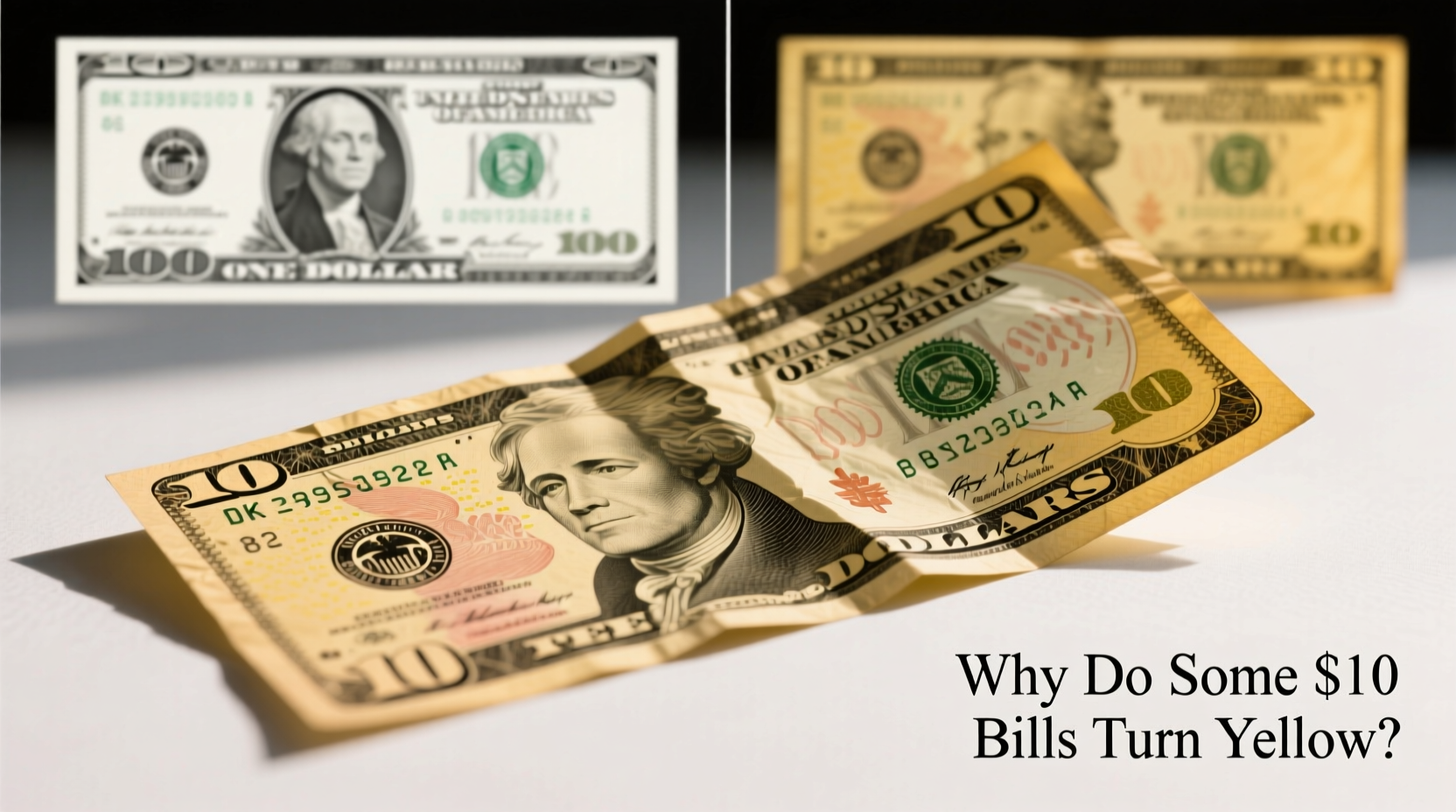
U.S. banknotes are not printed on ordinary paper. They’re made from a blend of 75% cotton and 25% linen, giving them durability and a distinct feel. However, even this robust material is susceptible to environmental degradation. Over time, exposure to light, heat, humidity, and airborne pollutants accelerates chemical reactions in the fibers and inks used in printing.
One primary reason for yellowing is oxidation—a natural process where oxygen interacts with organic materials. In currency, the cellulose in cotton fibers slowly oxidizes when exposed to air and UV light, leading to discoloration similar to how old newspapers turn yellow. Additionally, sweat, oils from human skin, and residues from food or cleaning products can transfer onto bills during daily handling, further contributing to staining and yellow tones.
Ink Composition and Color Stability
The inks used in U.S. currency are specially formulated for security and longevity, but they aren’t immune to change. The Treasury uses intaglio printing, where ink is pressed into the paper under high pressure, creating raised textures. While the green ink on the back of most bills (including the $10) is relatively stable, other elements—such as the black ink on portraits and serial numbers—can interact differently with contaminants.
More importantly, certain chemical exposures can cause visible shifts. For example, prolonged contact with sulfur-containing compounds—found in some rubbers, adhesives, or polluted air—can lead to yellowing or browning. These compounds react with metal-based pigments in the ink, forming new chemical structures that alter appearance.
A study by the National Institute of Standards and Technology (NIST) found that currency stored in wallets made with recycled rubber or vinyl showed accelerated discoloration due to off-gassing of volatile organic compounds (VOCs). This means the container matters just as much as the environment.
“Currency isn’t inert—it reacts dynamically with its surroundings. Yellowing is often a record of exposure, not defect.” — Dr. Alan Reyes, Materials Scientist at NIST
Environmental Factors That Accelerate Yellowing
Several external conditions play a role in how quickly a $10 bill turns yellow. Below is a breakdown of the most influential factors:
| Factor | Effect on Currency | Prevention Strategy |
|---|---|---|
| UV Light Exposure | Breaks down cellulose; causes fading and yellowing | Store away from windows or bright lights |
| High Humidity | Promotes mold growth and ink migration | Use dehumidifiers; avoid basements |
| Heat | Speeds up oxidation and chemical reactions | Keep in cool, stable environments |
| Frequent Handling | Transfers oils, acids, and dirt from skin | Wash hands before handling cash |
| Poor Storage Materials | Acidic papers or plastics leach chemicals | Use archival-safe sleeves or coin holders |
Interestingly, bills used in tropical or coastal regions tend to yellow faster due to higher humidity and salt-laden air, both of which increase corrosive potential.
Counterfeit Concerns vs. Natural Aging
One major concern people have when seeing a yellowed $10 bill is whether it’s fake. While counterfeiters sometimes bleach and reprint lower-denomination bills to mimic higher values, true bleached-counterfeit bills usually show telltale signs:
- Serial numbers that don’t match font or alignment standards
- Lack of proper texture from intaglio printing
- Missing or incorrect security features like watermarks or color-shifting ink
- Unusual stiffness or brittleness from chemical treatment
Natural yellowing, on the other hand, tends to be uniform across the surface, doesn’t compromise structural integrity, and maintains all security features. A genuinely aged bill will still have crisp details and respond correctly to UV light tests (e.g., the security strip glows orange under blacklight).
Mini Case Study: The Grocery Store Cash Drawer
At a family-run grocery store in Florida, employees noticed that $10 bills collected during summer months yellowed significantly faster than those from winter. After investigation, they realized the cash drawer was located directly beneath a fluorescent light fixture emitting UV radiation, and the store’s high foot traffic meant constant handling.
They moved the drawer to a shaded cabinet and introduced cotton-lined trays. Within six months, newly stored bills showed minimal discoloration compared to previous cycles. This small adjustment demonstrated how localized environmental control could preserve currency appearance without costly upgrades.
How to Preserve Currency and Slow Yellowing
Whether you're a collector or simply want to keep cash looking fresh, preventive care makes a difference. Follow this actionable checklist to extend the visual lifespan of your bills:
- Store bills flat in acid-free, PVC-free plastic sleeves
- Avoid rubber bands or adhesive tapes—they degrade and stain
- Keep cash in a dark, dry place with stable temperature
- Limit unnecessary handling, especially with greasy or sweaty hands
- Do not store near batteries, electronics, or household cleaners
- Inspect regularly for mold or brittleness
Step-by-Step Guide: Assessing a Yellowed Bill
If you find a discolored $10 bill and want to determine its condition, follow these steps:
- Examine Under Normal Light: Look for consistent yellowing versus blotchy stains, which may indicate liquid damage.
- Check Security Features: Hold it to the light to confirm the watermark of Alexander Hamilton is visible and matches position guidelines.
- Feel the Texture: Run your finger over the portrait and text. Genuine bills have raised printing; bleached fakes often feel smooth.
- Test the Security Strip: Tilt the bill—on newer designs (2004 onward), the strip should shift color slightly and display moving bells and 10s.
- Use a Blacklight: Authentic bills glow with specific patterns—the security thread emits an orange glow, while the rest remains dull.
- Compare to a New Bill: Place it side-by-side with a fresh note to assess wear level and color variation.
If all features check out, the yellowing is likely benign aging.
Frequently Asked Questions
Can I still spend a yellowed $10 bill?
Yes. As long as the bill is intact and not altered fraudulently, it remains legal tender regardless of color. Banks routinely accept worn or discolored currency and replace it upon request.
Does folding accelerate yellowing?
Not directly, but folds create stress points where oils and moisture accumulate, increasing localized discoloration. Repeated creasing also weakens fibers, making bills more prone to tearing and contamination.
Are newer $10 bills less likely to turn yellow?
Slightly. Since 2004, the Bureau of Engraving and Printing has improved ink formulations and added enhanced security layers that offer better resistance to environmental wear. However, no bill is completely immune to aging.
Conclusion: Embrace Knowledge, Not Fear
Yellowing in $10 bills is a normal part of their lifecycle, shaped by chemistry, environment, and use. Rather than suspect every tinted note, understanding the science behind the change empowers smarter handling and reduces unwarranted anxiety about authenticity. Proper storage and mindful usage go a long way in preserving both appearance and value.




 浙公网安备
33010002000092号
浙公网安备
33010002000092号 浙B2-20120091-4
Comments
No comments yet. Why don't you start the discussion?